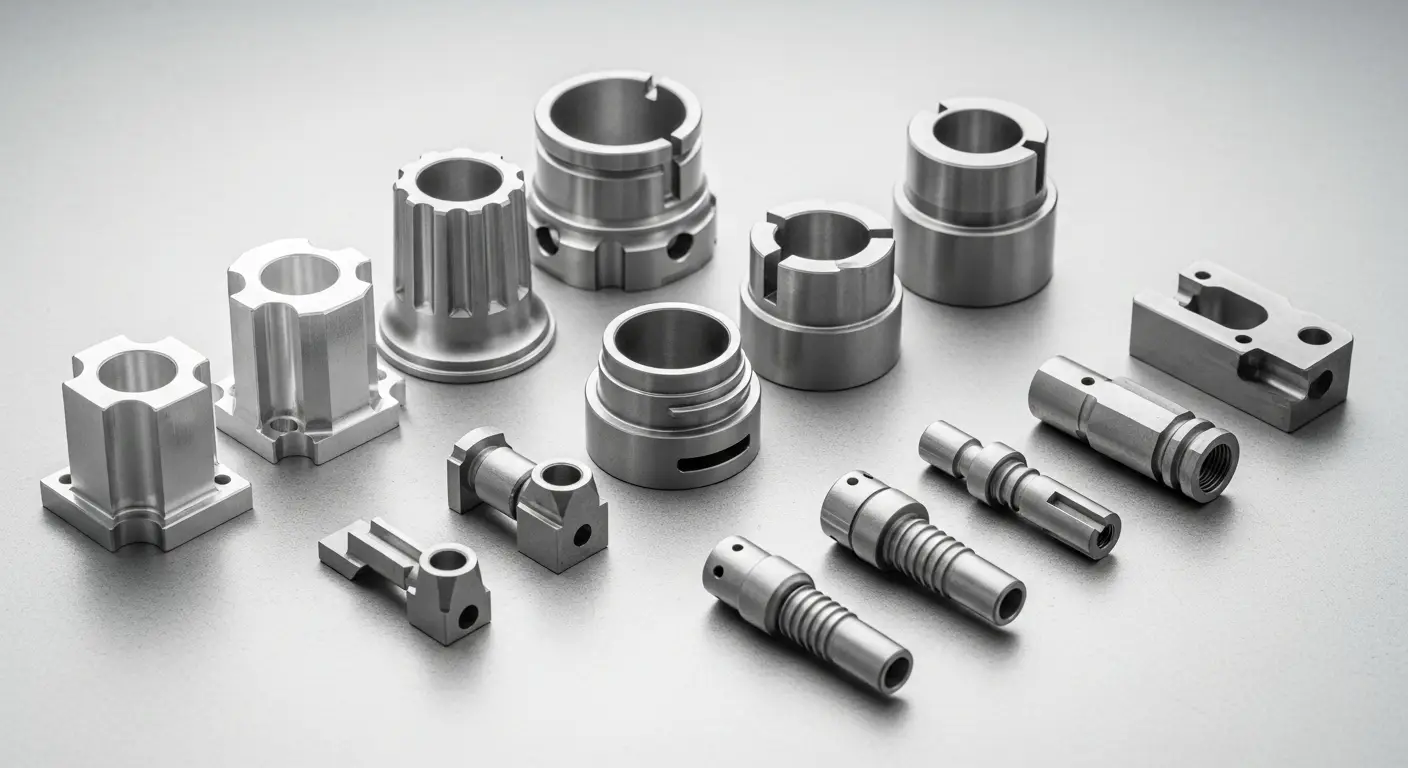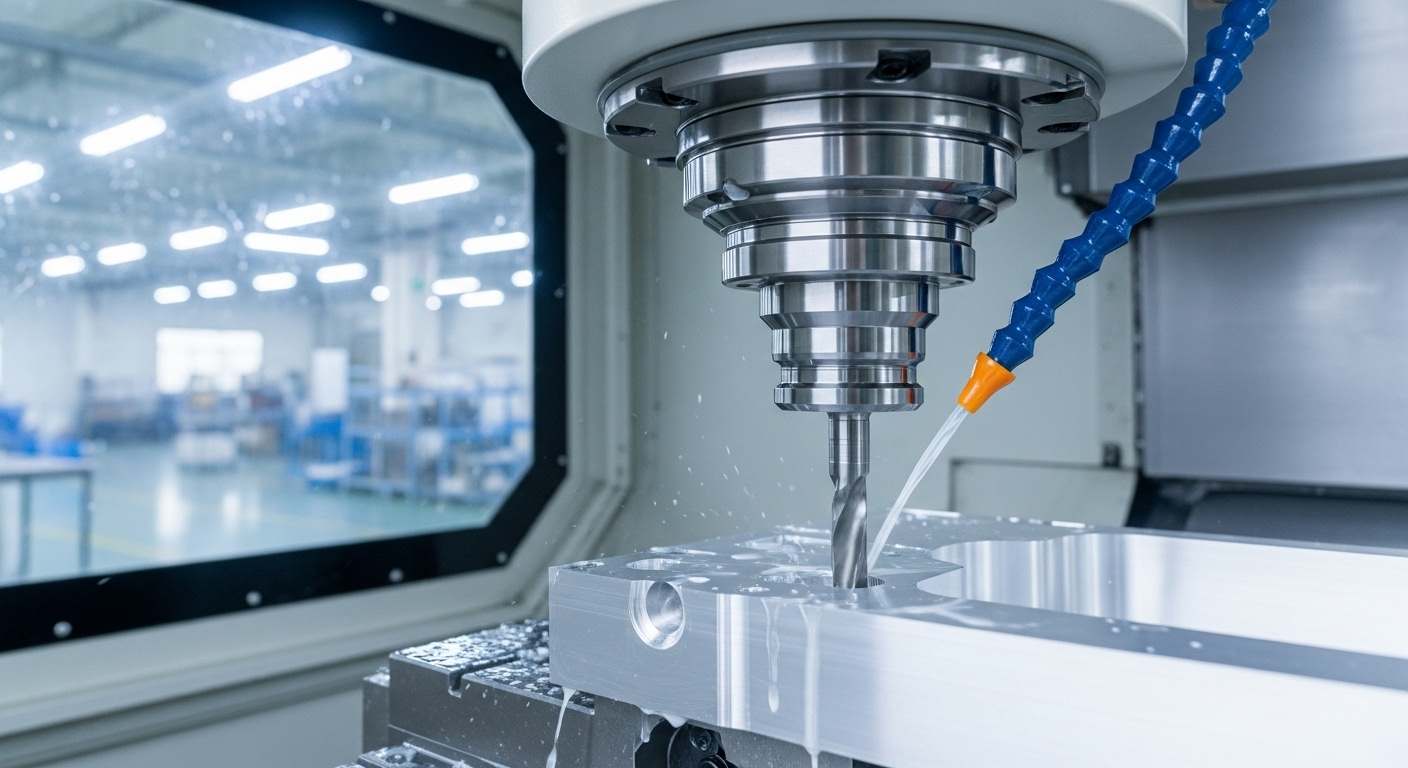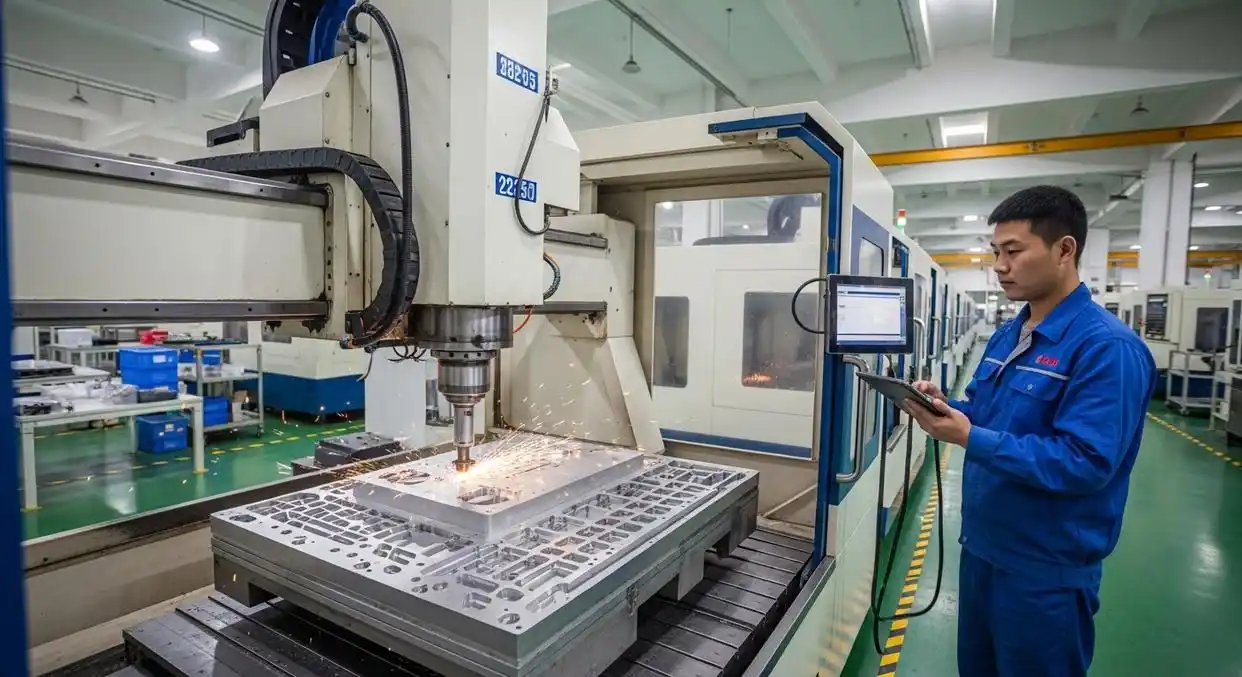
how to clean machined aluminum parts?
How to Clean Machined Aluminum Parts: A Practical Guide to Contaminant Removal, Surface Treatment and Quality Control
Are machined aluminum parts difficult to clean after CNC operations? It is a common concern for purchasing managers, design engineers and quality teams, especially when parts require anodizing, powder coating, assembly or direct shipment. The short answer is that aluminum cleaning is straightforward once you match the cleaning process to the contaminants, alloy grade and downstream surface treatment. Improper cleaning leaves cutting oil, fine aluminum swarf, fingerprints and oxidation residues, which ruin coating adhesion and cause cosmetic rejects. This guide explains the right ways to clean CNC aluminum parts, what mistakes to avoid, and how suppliers validate cleanliness before delivery.
Cleaning is not just a cosmetic step for machined aluminum. It is a critical pre-treatment stage that determines the success of anodizing, hard anodizing, chromate conversion coating and painting. Buyers should specify cleanliness requirements alongside tolerances and surface finish, so the supplier selects compatible cleaning chemistry and methods.
- Why Clean Machined Aluminum Parts?
- Common Contaminants Found on CNC Aluminum
- 7 Main Cleaning Methods for Machined Aluminum
- Cleaning Method Comparison Table
- Common Cleaning Defects and How to Avoid Them
- Cleaning Requirements Before Anodizing & Coating
- How to Evaluate a Supplier’s Aluminum Cleaning Process
- FAQ: Cleaning Machined Aluminum Parts
- Conclusion and Quote Request
Why Clean Machined Aluminum Parts?
Machined aluminum parts require thorough cleaning to remove manufacturing residues and prepare surfaces for assembly or finishing. Aluminum is a reactive metal; fresh machined surfaces oxidize quickly and interact with oils, coolants and handling grease. Residues that look invisible can create major failures later in production.
Unclean aluminum parts lead to these typical issues:
- Poor adhesion of anodizing, powder coating, liquid paint or conversion coating.
- Blotchy surface discoloration, stains and uneven color after anodizing.
- Oil trapped inside blind holes, threaded holes and deep pockets that leak after packaging.
- Corrosion risk during storage and transit, especially for 6061, 6063, 7075 aluminum.
- Contamination of other components during assembly.
- Rejected first article inspection and batch quality hold.
For industrial buyers, cleaning should be treated as a controlled secondary operation, not a quick wipe-down. The cleaning standard must align with your final application: cosmetic consumer hardware, structural aerospace parts, heat sink components or general mechanical fittings all have different cleanliness expectations.
Before approving a cleaning process, buyers should confirm:
- Aluminum alloy grade (6061, 6063, 7075, 2024 etc.)
- Downstream surface treatment: none / anodizing / chromate / powder coat
- Allowed cleaning chemistry (acidic, alkaline, neutral cleaner)
- Blind holes, threads, internal channels that trap debris
- Acceptable cleanliness test method: water break test, wipe test, UV test
- Drying method and packaging environment after cleaning
In other words, cleaning machined aluminum parts is a process defined by your drawing and finish spec, not a one-size-fits-all rinse.
Common Contaminants Found on CNC Aluminum
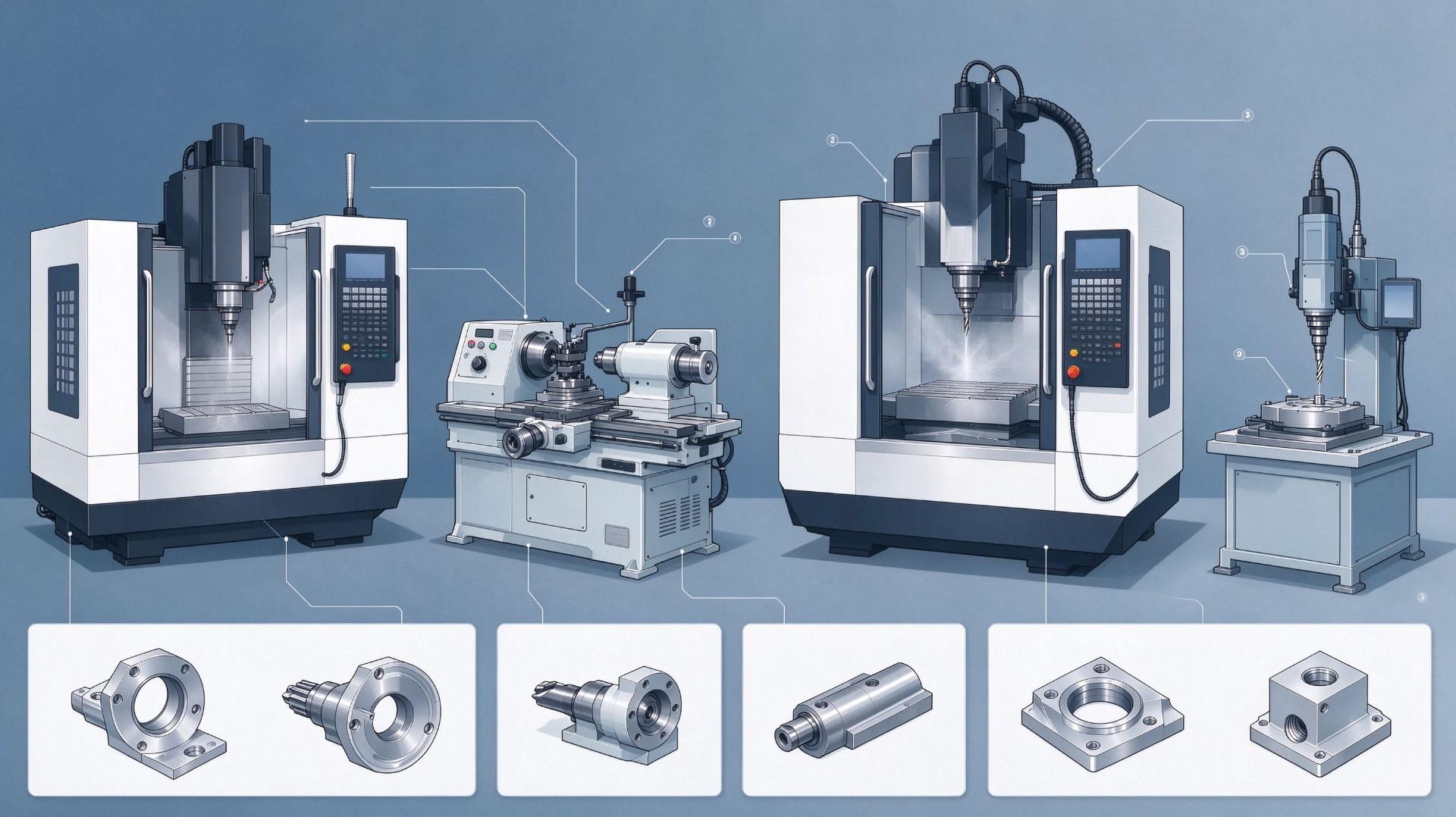
After CNC turning, milling and drilling, aluminum surfaces carry a mix of organic and inorganic contaminants. Each residue responds differently to cleaning solutions.
1. Cutting fluid / CNC coolant: Water-soluble coolants, semi-synthetic and straight oils are the most common residue. They cling to surfaces, threads and internal cavities. Oil-based coolants are harder to remove than water-based varieties.
2. Fine aluminum swarf and micro-chips: Tiny aluminum particles embed into machined textures, cross holes and thread roots. Simple rinsing often fails to remove embedded fines.
3. Fingerprint grease and skin oils: Handling after machining deposits invisible organic films that cause anodizing rejection.
4. Polishing compound or buffing residue: If parts are hand or barrel polished, wax and polishing media remain in crevices.
5. Oxide film and heat tint: High cutting speeds create thin heat-induced oxide discoloration on sharp edges. This may require mild deoxidizing.
6. Shop dust, packaging fibers and marker ink: Secondary contaminants introduced after machining.
Aluminum alloys react differently to cleaners. 7075 and 2024 contain copper and are more sensitive to strong alkaline cleaners; over-etching can darken or etch the surface. 6061 and 6063 tolerate a wider range of cleaners, but excessive dwell time still causes dullness.
7 Main Cleaning Methods for Machined Aluminum
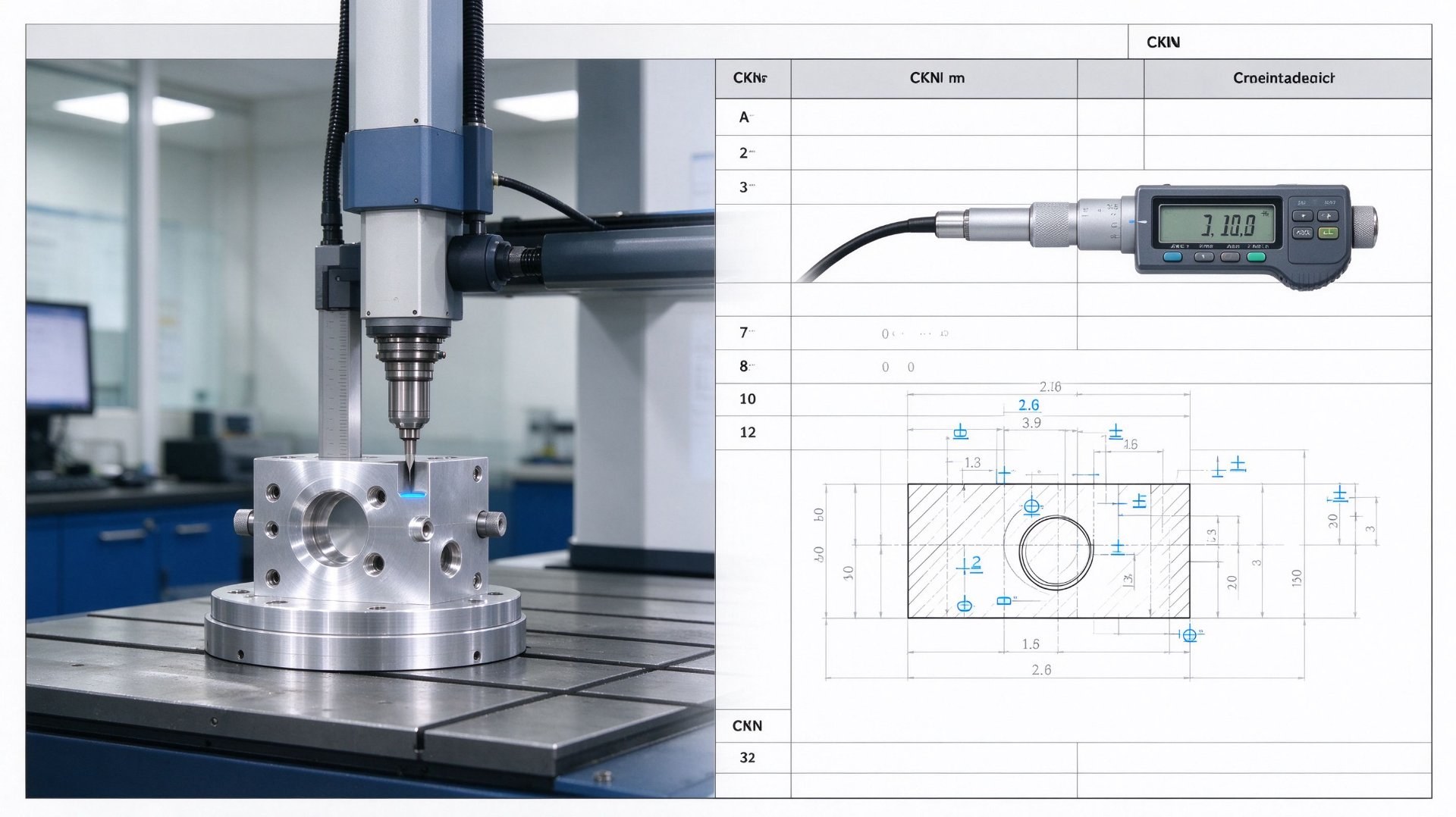
Manufacturers combine these methods to reach the required cleanliness level. The best process depends on part geometry, alloy and finish requirements.
1. Ultrasonic cleaning
Ultrasonic tanks use high-frequency cavitation to agitate cleaning liquid. It works excellently for threaded holes, blind holes, small features and complex geometry. Cleaners can be neutral, mild alkaline or specialized aluminum-safe formulations. Cycle times typically run from 3 to 10 minutes, followed by overflow rinse and hot air drying. This is the most common method for precision aluminum parts before anodizing.
2. Pressure spray washing
Automated spray washers blast heated cleaning solution and rinse water across parts. Good for high-volume simple parts, flat plates and heat sinks. Less effective for deep blind holes where spray cannot penetrate fully.
3. Manual wiping and solvent wipe
Isopropyl alcohol, acetone or degreaser wipes for low-volume simple parts. Low cost, but inconsistent. Not acceptable for parts requiring anodizing, because wipe streaks and residual grease are easy to miss. Used mostly for visual clean parts with no coating.
4. Immersion soak cleaning
Batch soaking in heated cleaning tanks, followed by multiple rinses. Suitable for heavy oil loads. Requires careful control of temperature and soak time to prevent aluminum etching.
5. Vapor degreasing
Uses solvent vapor to dissolve oil and grease. Very effective for heavy oil residues. Environmental and safety regulations limit solvent choices in many factories.
6. Media blasting / glass bead blasting
Glass bead blasting removes heavy oxidation, heat tint and stubborn residues while creating a uniform matte surface. Important note: blasting changes surface roughness. It is a surface finishing step, not just cleaning, and must be approved before anodizing.
7. Deoxidizing and desmutting
After alkaline etching or heavy machining, aluminum may leave a dark smut layer. Mild acid deoxidizer removes smut and uniform oxide before anodizing. This step is part of the pre-treatment line, not general degreasing.
The core principle: degrease first, remove particles second, deoxidize only when required, rinse thoroughly, then dry immediately. Standing water on aluminum quickly causes water spots.
Cleaning Method Comparison Table
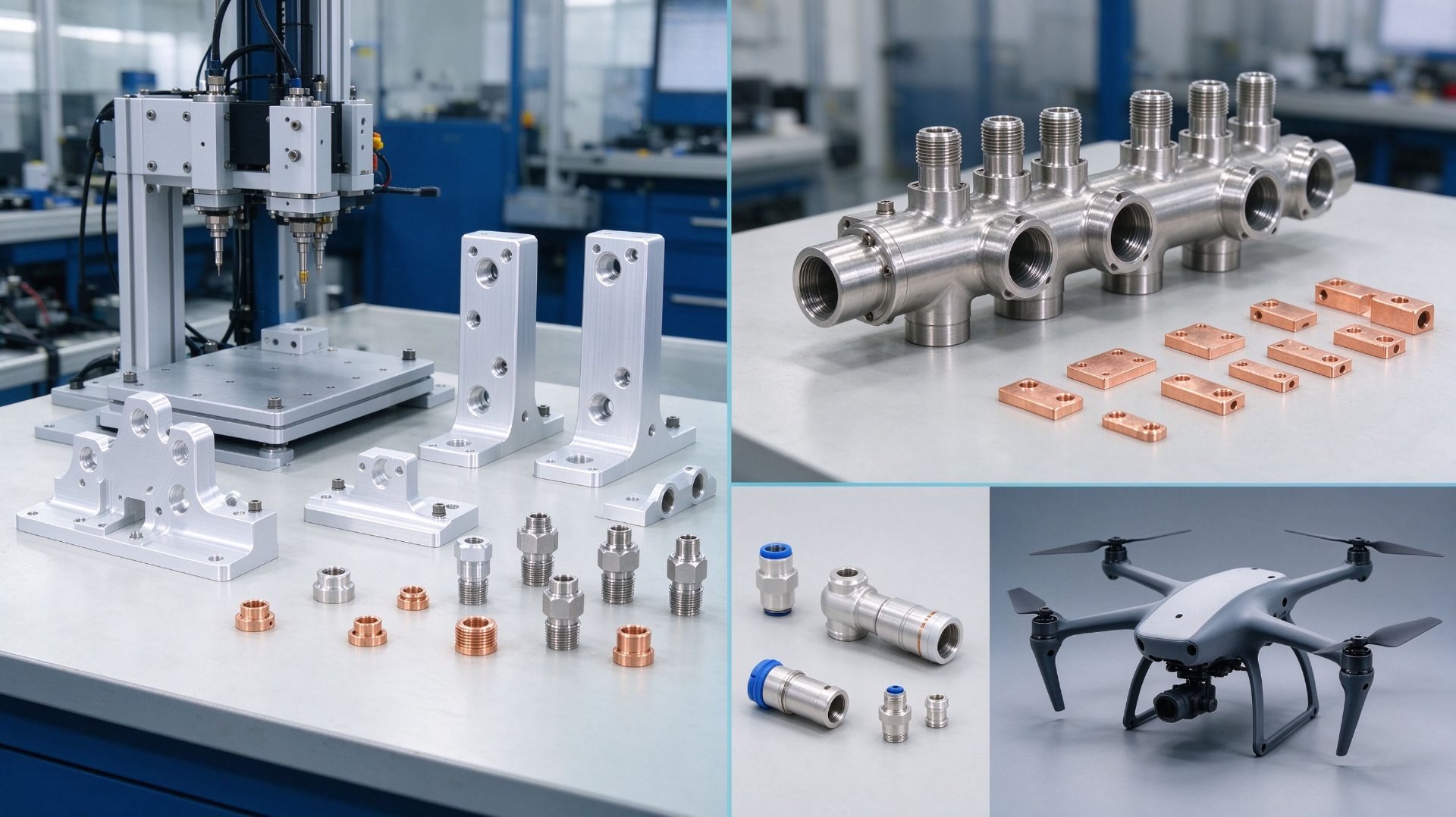
| Cleaning Method | Best For | Strengths | Limitations |
|---|---|---|---|
| Ultrasonic cleaning | Complex parts, threads, blind holes, pre-anodizing | Reaches crevices, consistent, high cleanliness | Longer cycle, tank maintenance required |
| Pressure spray wash | High volume, simple geometry, heat sinks | Fast, automated, low labor cost | Poor penetration into deep blind holes |
| Solvent wipe | Low volume, parts without coating | Simple, flexible, no tank setup | Inconsistent, not suitable for anodizing |
| Immersion soak | Heavy oil residue, batch processing | Low equipment cost, good bulk degreasing | Risk of etching if time/temp not controlled |
| Vapor degreasing | Heavy cutting oil, grease removal | Excellent oil removal, fast drying | Solvent regulation, safety and environmental limits |
| Glass bead blasting | Heat tint, heavy oxidation, uniform matte finish | Removes stubborn oxide and surface discoloration | Changes Ra, can embed media if not controlled |
| Deoxidize / desmut | Pre-anodizing preparation after etching | Removes smut, uniform oxide layer | Chemical process, must follow with full rinsing |
Can I use regular dish soap to clean machined aluminum? For non-cosmetic, non-coated spare parts, mild neutral soap may work for simple cleaning. It is not acceptable for industrial parts for anodizing because it leaves surfactant film that ruins coating adhesion.
Is high-pressure air blow-off enough to clean aluminum? Air blow only removes loose chips. It does not remove oil, coolant or fingerprint films. Air blow is used after washing to evacuate holes before drying, not as the primary cleaning step.
Common Cleaning Defects and How to Avoid Them
| Defect | Root Cause | Supplier Control Measure |
|---|---|---|
| Water spots | Tap water minerals, slow drying, standing liquid | DI water final rinse, hot air oven drying, no air drying in ambient air |
| Etched / dull surface | Strong alkaline cleaner, over-soak, high temperature | Use aluminum-safe cleaner, control time and temperature |
| Oil trapped in blind holes | No agitation, poor drainage, no air purge | Ultrasonic + periodic part rotation + blow-out between rinses |
| Anodizing reject / patchy color | Residual oil, fingerprint film, surfactant residue | Water break test before racking for anodizing |
| Embedded glass bead media | Over-blasting, insufficient post-blast cleaning | Control blast pressure, ultrasonic clean after blasting |
| Recontamination after cleaning | Bare hand handling, dirty containers, shop dust | Nitrile gloves, clean bins, sealed packaging immediately after cool down |
One of the most frequent mistakes is skipping the rinse sequence. Cleaning solution left on aluminum continues reacting with the surface long after the tank step. A proper line has multiple cascade rinses, ideally with deionized water for finish-critical parts.
The water break test is the standard quick check: after rinsing, the water film should stay continuous across the surface. If water beads and pulls away, organic contamination remains, and the part fails cleaning.
Cleaning Requirements Before Anodizing & Coating
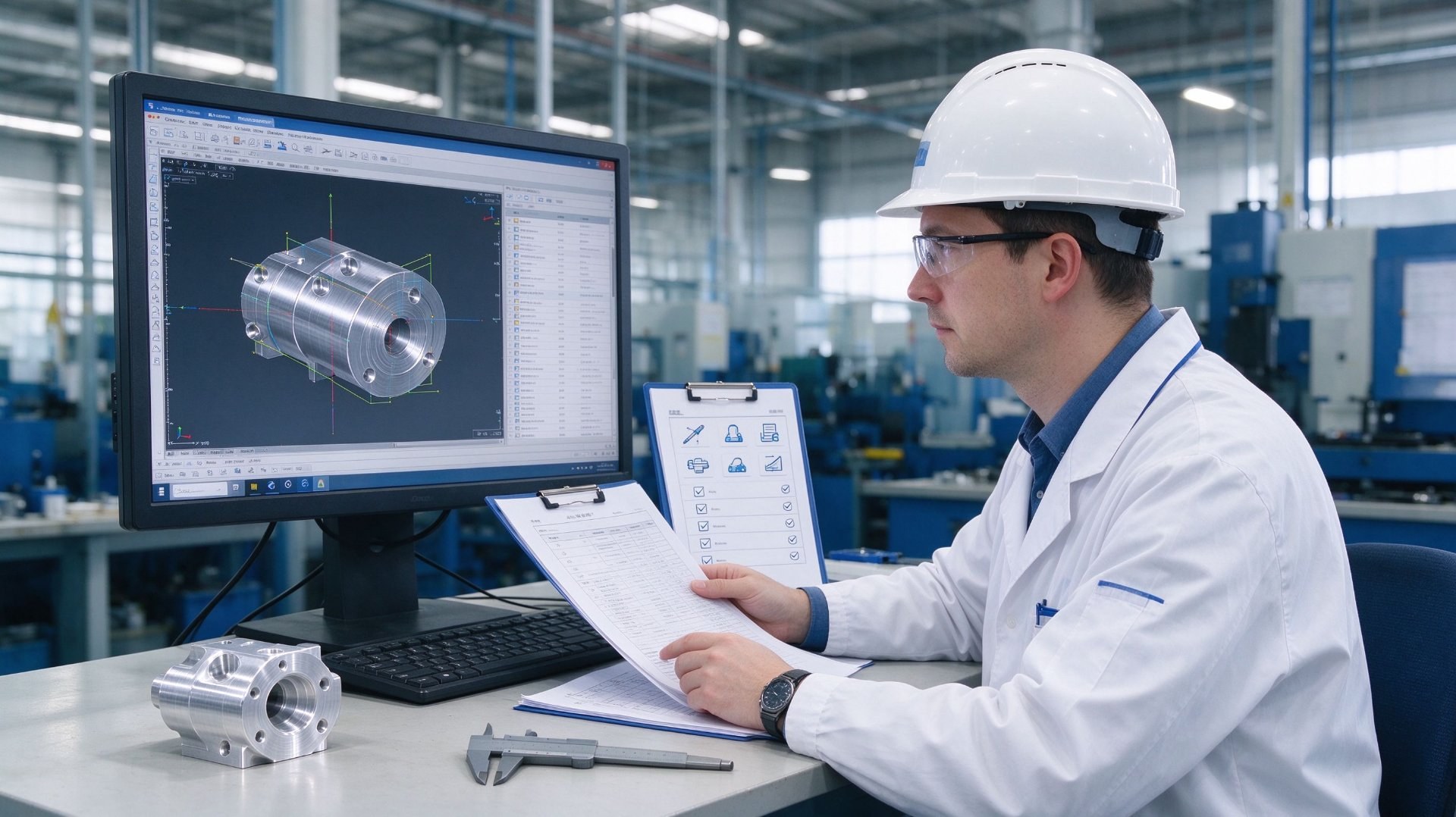
Cleaning before anodizing is not optional. Anodizing is a conversion reaction of the aluminum substrate; any surface film stops uniform oxide growth.
Standard pre-anodizing cleaning sequence:
- Degrease (ultrasonic or spray wash, aluminum-safe cleaner)
- Overflow tap water rinse
- Alkaline etch (optional, for matte finish or heavy oxidation)
- Rinse
- Acid deoxidize / desmut
- DI water final rinse
- Water break inspection
- Rack and send to anodizing tank
For powder coating, the line is similar but often uses phosphate conversion or zirconium pretreatment after cleaning. Powder coating is slightly more forgiving than anodizing, but oil residue still causes peeling and blisters.
If your parts are shipped as-machined with no coating, the cleaning standard can be simpler: free of free oil, loose chips and visible residue. But buyers should still define whether residual thin protective oil film is allowed for anti-corrosion.
How to Evaluate a Supplier’s Aluminum Cleaning Process
When sourcing machined aluminum components, do not assume all suppliers follow the same cleaning standard. Use these checks during supplier qualification.
Step 1: State your finish requirement first.
Tell the supplier upfront: as-machined only / chromate conversion / clear anodize / color anodize / powder coat. The cleaning route changes completely.
Step 2: Ask for their cleaning process flow chart.
Confirm tank sequence, cleaner type, temperature, cycle time, rinse stages and drying method. Ask if they use DI water for final rinse on finish parts.
Step 3: Confirm alloy compatibility.
Especially for 7075 and 2024 aluminum, confirm they avoid strong alkaline cleaners that cause dark etching and intergranular attack.
Step 4: Check inspection method for cleanliness.
Ask whether they perform water break test, white glove wipe test or UV oil inspection. Ask how often the cleaning solution is replaced or filtered.
Step 5: Verify handling and packaging after cleaning.
Clean parts must be handled with gloves, stored in clean containers and packed promptly once fully dry. Warm parts sealed while damp will develop water spots inside the bag.
Step 6: Request first article finish sample.
For anodizing orders, always run a pre-production sample using the exact cleaning and finishing line before mass production. Compare color uniformity and surface quality against your approval sample.
Step 7: Clarify protective oil allowance.
Some suppliers apply thin anti-rust oil after cleaning. If parts go to anodizing, no protective oil is permitted. This is a very common communication error between buyer and factory.
FAQ: Cleaning Machined Aluminum Parts
These answers address common questions from procurement engineers, product designers and industrial buyers sourcing CNC aluminum machined components.
Q1: What is the best way to clean machined aluminum parts before anodizing?
A1: Ultrasonic cleaning with aluminum-compatible neutral or mild alkaline cleaner, multi-stage rinsing, deoxidizing/desmutting and DI water final rinse, validated by water break test. This sequence removes oil, swarf and organic films without etching the aluminum surface.
Source: Aluminum anodizing industry pre-treatment standards.
Q2: Can you use acetone to clean CNC aluminum parts?
A2: Acetone works for quick degreasing for parts that will not be anodized. It evaporates fast but leaves trace residues and does not remove embedded fine aluminum swarf. It is not a substitute for ultrasonic cleaning before anodizing.
Source: Surface pretreatment engineering practice.
Q3: Is ultrasonic cleaning safe for 7075 aluminum?
A3: Yes, when paired with 7075-safe cleaning chemistry. Avoid high pH alkaline cleaners and long hot soak cycles. 7075 is copper-bearing and prone to dark discoloration and etching under aggressive cleaning conditions.
Source: Aluminum alloy surface processing guidelines.
Q4: How do you test if an aluminum part is clean enough for anodizing?
A4: The water break test is the standard method. After DI rinse, a continuous unbroken water film should cling to the surface. If water beads up, organic contamination remains and the part must be re-cleaned.
Source: Anodizing quality control procedure.
Q5: Can glass bead blasting replace chemical cleaning?
A5: No. Blasting removes oxidation and heat tint but can trap fine blast media and dust. Blasted parts still require ultrasonic cleaning afterward before anodizing or coating.
Source: Finishing process best practice.
Q6: Why do machined aluminum parts get water spots after cleaning?
A6: Water spots come from mineral deposits in tap water left behind during evaporation. Final DI water rinse plus controlled hot air or oven drying eliminates most spotting.
Source: Metal surface cleaning principles.
Q7: Should cleaned aluminum parts be oiled for protection?
A7: Only if there is no subsequent coating operation. Parts going for anodizing, conversion coating or painting must be oil-free. If anti-corrosion oil is required, specify it clearly in your drawing notes.
Source: Buyer-supplier specification common practice.
Q8: What is the difference between degreasing and deoxidizing aluminum?
A8: Degreasing removes organic contaminants like oil and coolant. Deoxidizing removes thin inorganic oxide films and smut after etching. Degreasing always comes first.
Source: Aluminum surface treatment process sequence.
Q9: How do you clean aluminum threaded holes and blind holes?
A9: Ultrasonic cleaning with part rotation, followed by compressed dry air purging between rinse cycles, is the most reliable method. Simple spray washing often leaves trapped oil and chips inside blind features.
Source: Precision component cleaning practice.
Q10: Can I skip cleaning for simple non-critical aluminum mechanical parts?
A10: You may accept parts with light visible residue only if your specification explicitly allows as-machined uncleaned delivery. Even simple fittings can leak coolant oil in packaging or develop corrosion during storage.
Source: Industrial component quality control.
Conclusion and Quote Request
So, how to clean machined aluminum parts? The right process depends on your aluminum alloy, part geometry, internal features, and downstream surface finish. Ultrasonic cleaning is the gold standard for precision parts before anodizing, while spray washing suits high-volume simple components. The biggest cleaning failures happen when buyers and suppliers do not agree on the cleanliness standard and inspection method upfront.
For industrial buyers, cleaning is not an afterthought. It directly determines anodizing yield, coating quality, cosmetic acceptance and long-term corrosion resistance. Always include cleaning and pre-treatment expectations in your drawing notes.
At Shenzhen Zhongzhu Technology Co., Ltd., we provide custom CNC machining for aluminum parts including 6061, 6063 and 7075, with controlled cleaning, deburring, anodizing and powder coating services. If you are sourcing machined aluminum components, send us your 2D drawing, 3D file, alloy grade, surface treatment requirement and quantity.
Our engineering team will review your requirements and define the correct cleaning and finishing workflow for your project. We accept prototype orders and mass production batches.
Get In Touch
Looking for a reliable manufacturing partner for your custom aluminum CNC machined parts? Contact our team today.
Shenzhen Zhongzhu Technology Co., Ltd.
Custom metal components, precision machining, die casting, stamping and plastic components.
📄 Request a Technical Review or Quotation
Contact Us →📞 Speak with Our Team
Get In Touch →🔗 Explore Our Manufacturing Services
View Products & Services →Shenzhen Zhongzhu Technology Co., Ltd.
315 PING 'AN AVENUE, PINGHU STREET, LONGGANG DISTRICT, SHENZHEN CITY, GUANGDONG PROVINCE
📞 +86 18688963321
✉ samuel@chnzhongzhu.com
Shenzhen Zhongzhu Technology


what part of a machine is the power transmission?
how to avoid poor surface finishes on machined parts?
Related Article