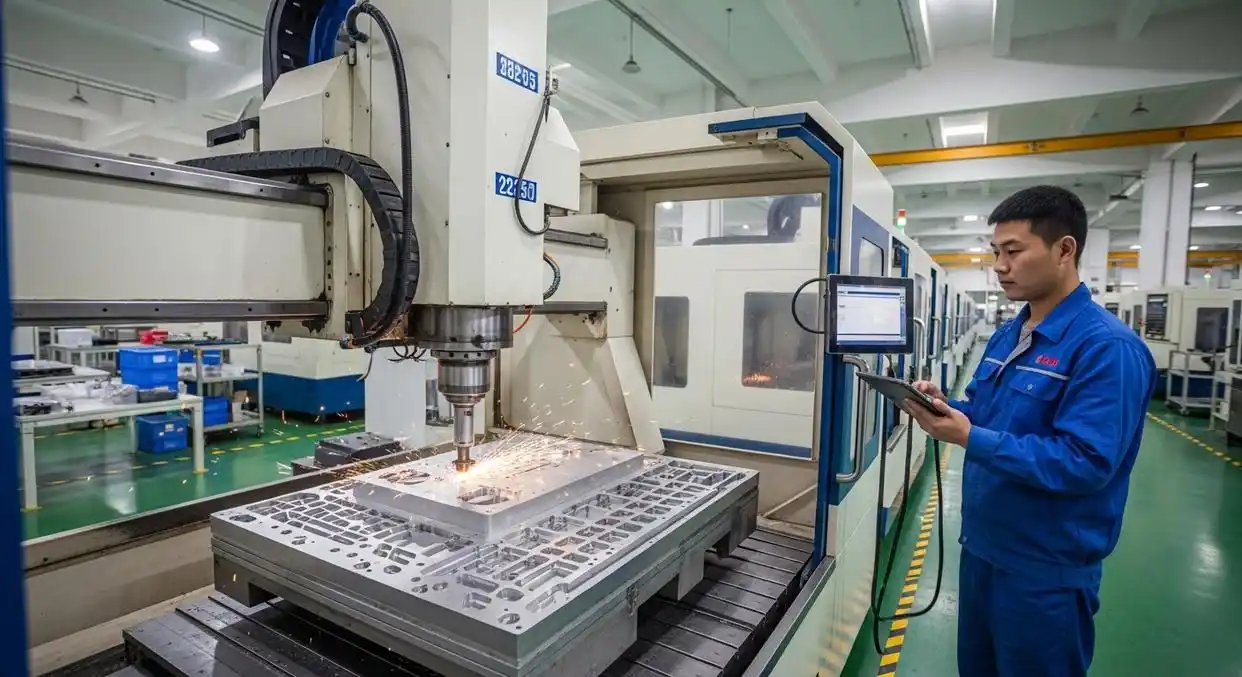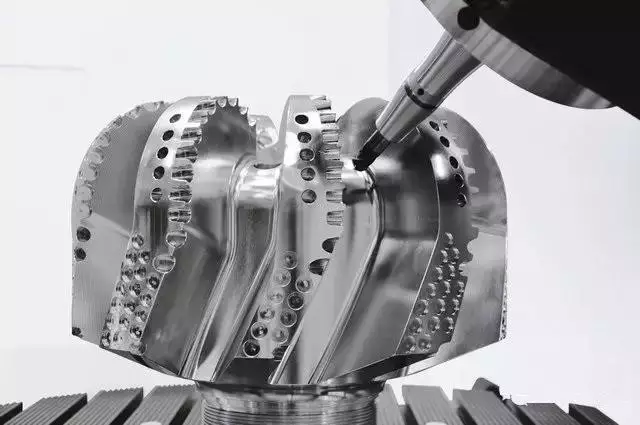
are multi-spindle machined parts lower quality?
Are Multi-Spindle Machined Parts Lower Quality? A Practical Guide to Precision, Consistency and Manufacturing Quality
Are multi-spindle machined parts lower quality than components produced on conventional CNC machines? It is a reasonable question for purchasing managers and design engineers, especially when a supplier proposes multi-spindle machining to reduce unit costs and shorten lead times. The short answer is no. Multi-spindle machining does not automatically produce lower-quality parts. In fact, when the machine, tooling, workholding and process controls are properly managed, it can deliver highly consistent components at production volumes. The real question is whether the process is suitable for your part geometry, tolerance requirements and quality standards.
This guide explains how multi-spindle machining works, what affects its quality, where it performs well, and where buyers should pay closer attention. We will also compare multi-spindle and single-spindle machining from a practical sourcing perspective, so you can evaluate a supplier based on measurable manufacturing capability rather than machine type alone.
- Are Multi-Spindle Machined Parts Lower Quality?
- How Multi-Spindle Machining Works
- 6 Factors That Affect Multi-Spindle Machining Quality
- Multi-Spindle vs. Single-Spindle Machining
- Common Quality Problems and How to Prevent Them
- Applications and Limitations of Multi-Spindle Machining
- How to Evaluate a Multi-Spindle Machining Supplier
- FAQ: Multi-Spindle Machining Quality
- Conclusion and Quote Request
Are Multi-Spindle Machined Parts Lower Quality?
No. Multi-spindle machined parts are not inherently lower quality than single-spindle machined parts. The number of spindles determines how a machine performs machining operations, not the final quality level by itself. Dimensional accuracy, surface finish, repeatability and product reliability depend on the complete manufacturing process.
A multi-spindle machine can perform several machining operations simultaneously or across multiple work positions. This arrangement can improve production efficiency and reduce the time required to manufacture repeated components. However, it also requires careful coordination of cutting tools, spindle positions, material feeding and process settings.
When all stations are correctly configured and maintained, multi-spindle machining can produce consistent components in large quantities. When tooling is poorly managed or machine alignment is incorrect, defects can occur across multiple parts before the problem is detected. This is a process-control issue, not proof that multi-spindle machining is inherently inferior.
For industrial buyers, the most useful distinction is between machine productivity and process capability. A machine that produces many parts per hour is not necessarily a machine that produces parts within specification. A qualified supplier must demonstrate both production efficiency and the ability to meet the drawing requirements consistently.
Before approving a multi-spindle manufacturing process, buyers should evaluate:
- Dimensional tolerances and geometric requirements on the drawing.
- Machine condition, spindle alignment and repeatability.
- Tooling selection, tool life and replacement procedures.
- Material characteristics and workpiece stability.
- In-process inspection and process monitoring.
- Final inspection records and batch traceability.
In other words, multi-spindle machining quality should be evaluated through actual inspection results and manufacturing controls, not simply by counting the number of spindles.
How Multi-Spindle Machining Works
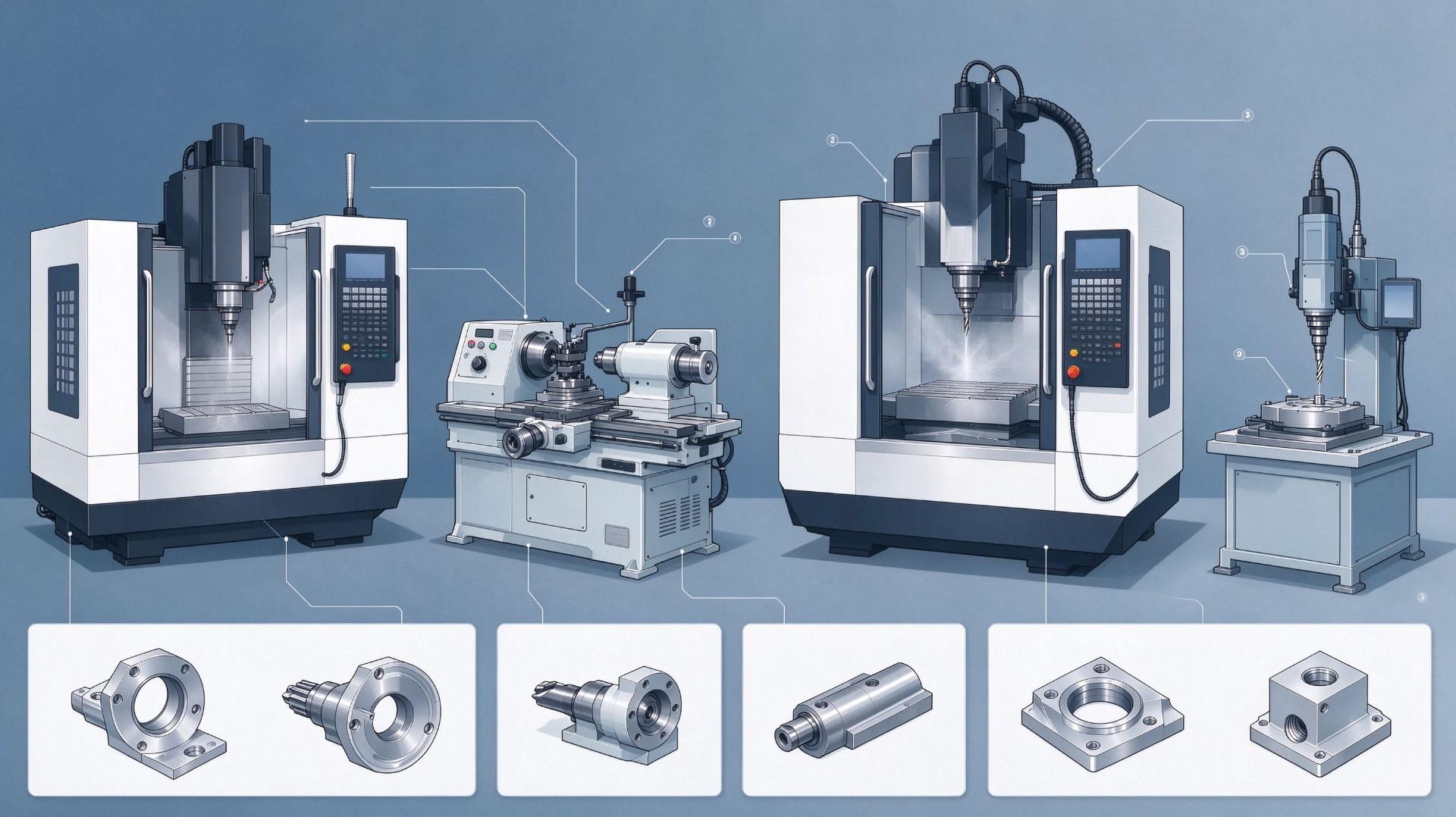
Multi-spindle machining uses a machine equipped with more than one spindle to process workpieces through coordinated machining operations. Depending on the machine design, multiple workpieces can be processed at the same time, or a single workpiece can move through different machining stations.
In multi-spindle automatic screw machines and turning equipment, bar stock is commonly fed into the machine. Each spindle or station performs a designated operation, such as turning, drilling, boring, grooving or threading. The workpiece progresses through the machining sequence until the required features are completed.
Modern multi-spindle machines may use mechanical or CNC-controlled systems. Their configurations differ in spindle arrangement, number of stations, workpiece transfer method and degree of automation. The appropriate machine depends on part geometry, production volume and required machining operations.
Typical operations include:
- Turning: Producing cylindrical surfaces, shoulders, grooves and diameters.
- Drilling: Creating holes to specified diameters and depths.
- Boring: Enlarging or refining existing holes.
- Threading: Producing internal or external threads.
- Grooving and parting: Creating grooves and separating finished components from bar stock.
- Milling and secondary operations: Adding flats, slots or other features where the machine configuration supports them.
The main advantage is the ability to perform several operations within an integrated production cycle. Compared with manufacturing every feature in a separate operation, this can reduce handling time, improve throughput and simplify production planning.
However, simultaneous or sequential machining across several stations requires accurate setup. Tool offsets, cutting conditions, material feed and station alignment must be coordinated. A problem at one station can affect the dimensions or surface condition of the finished part.
That is why a supplier's setup procedure and quality-control system matter just as much as the machine specification.
6 Factors That Affect Multi-Spindle Machining Quality
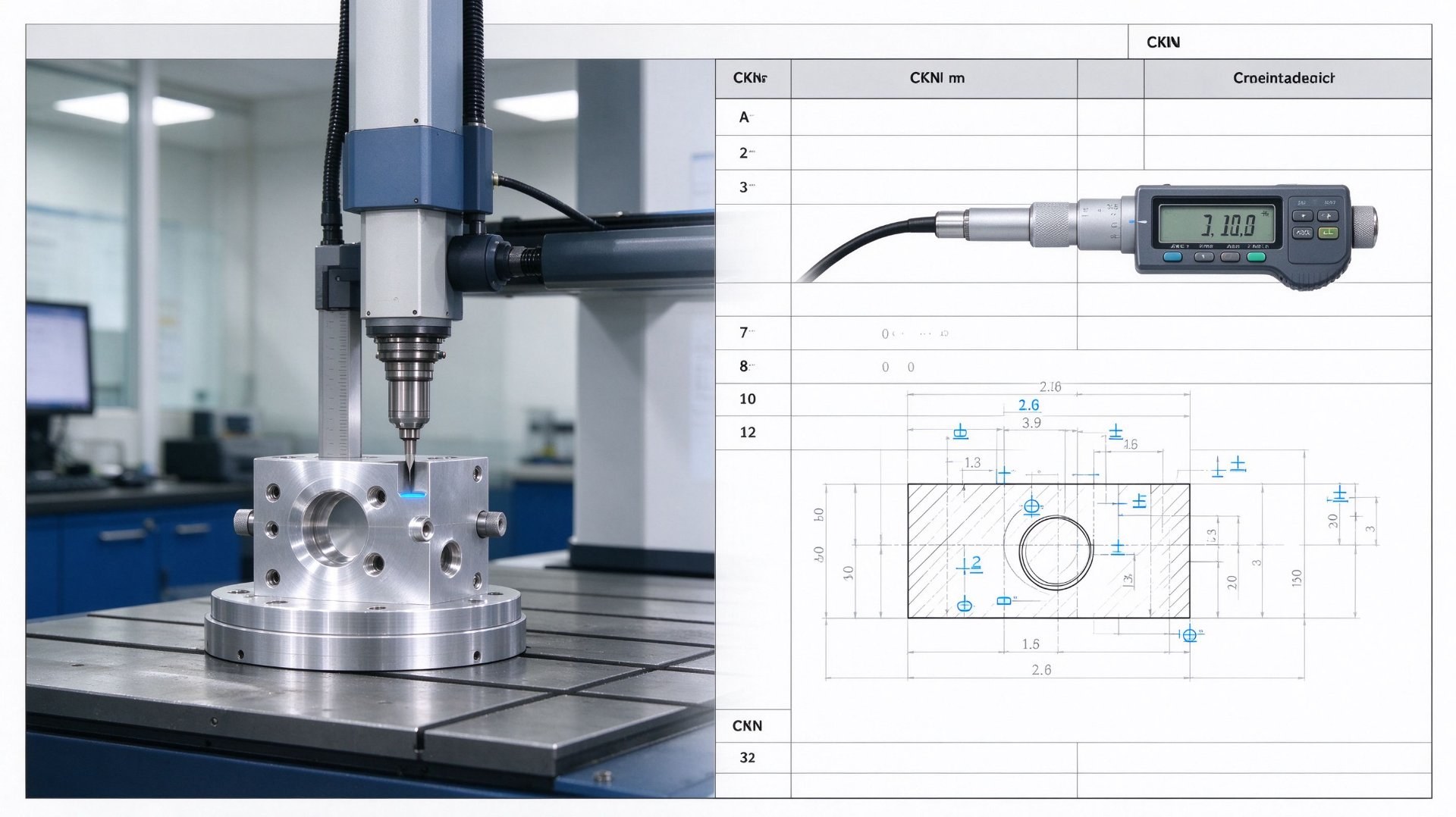 The quality of a multi-spindle machined component is determined by several connected manufacturing factors. A supplier that controls these variables can achieve stable production. A supplier that overlooks them may experience dimensional variation, surface defects or inconsistent batches.
1. Machine condition and spindle alignment.
Machine condition is fundamental to machining accuracy. Spindle runout, bearing condition, vibration, thermal stability and alignment can all influence the finished component. If the machine has excessive runout or mechanical wear, dimensional variation may appear even when the cutting program is correct.
Regular maintenance, alignment checks and machine-condition monitoring help identify potential problems before they affect production. Buyers should ask how the supplier verifies machine condition and how often critical equipment is maintained.
2. Tooling selection and tool wear.
Each machining station depends on the correct cutting tool, tool geometry and cutting parameters. Tool wear can gradually change the cutting diameter, surface roughness and dimensional accuracy of a part.
Multi-spindle production makes tool management especially important because several operations may be running within the same production cycle. A supplier should establish tool-life limits, inspection intervals and replacement procedures instead of waiting for visible defects to appear.
3. Workpiece clamping and material feeding.
Stable workholding is essential for repeatable machining. Incorrect clamping pressure, poor collet condition, material straightness problems or inconsistent bar feeding can cause vibration, movement or dimensional variation.
Long, slender components are particularly sensitive to deflection and vibration. Their machining parameters and support arrangements must be selected according to the material, diameter and part geometry.
4. Material quality and consistency.
Material properties influence cutting behaviour. Hardness variation, inclusions, surface condition and material composition can affect tool wear and finished dimensions.
For critical applications, buyers should specify the material grade and applicable material standard. Material certificates and batch identification may also be required to maintain traceability. A supplier should not substitute material without the buyer's written approval.
5. Process parameters and station coordination.
Cutting speed, feed rate, depth of cut, coolant delivery and tool positioning must be appropriate for each operation. A parameter that works well for one material or feature may not work for another.
In multi-spindle production, the machining sequence and station coordination also matter. Poorly balanced operations can create excessive cutting loads, vibration or bottlenecks. Proper process planning helps maintain stable conditions throughout the production cycle.
6. Inspection and process monitoring.
Inspection is what demonstrates whether a manufacturing process meets the drawing requirements. A supplier should identify critical dimensions, select suitable measurement equipment and define inspection frequency before production begins.
Depending on the component, quality checks may include diameter measurement, length measurement, thread gauging, surface roughness measurement, concentricity checks and dimensional verification using suitable inspection equipment.
First-article inspection and ongoing production checks help identify process changes early. Final inspection then verifies that the finished batch meets the agreed acceptance criteria.
Multi-Spindle vs. Single-Spindle Machining
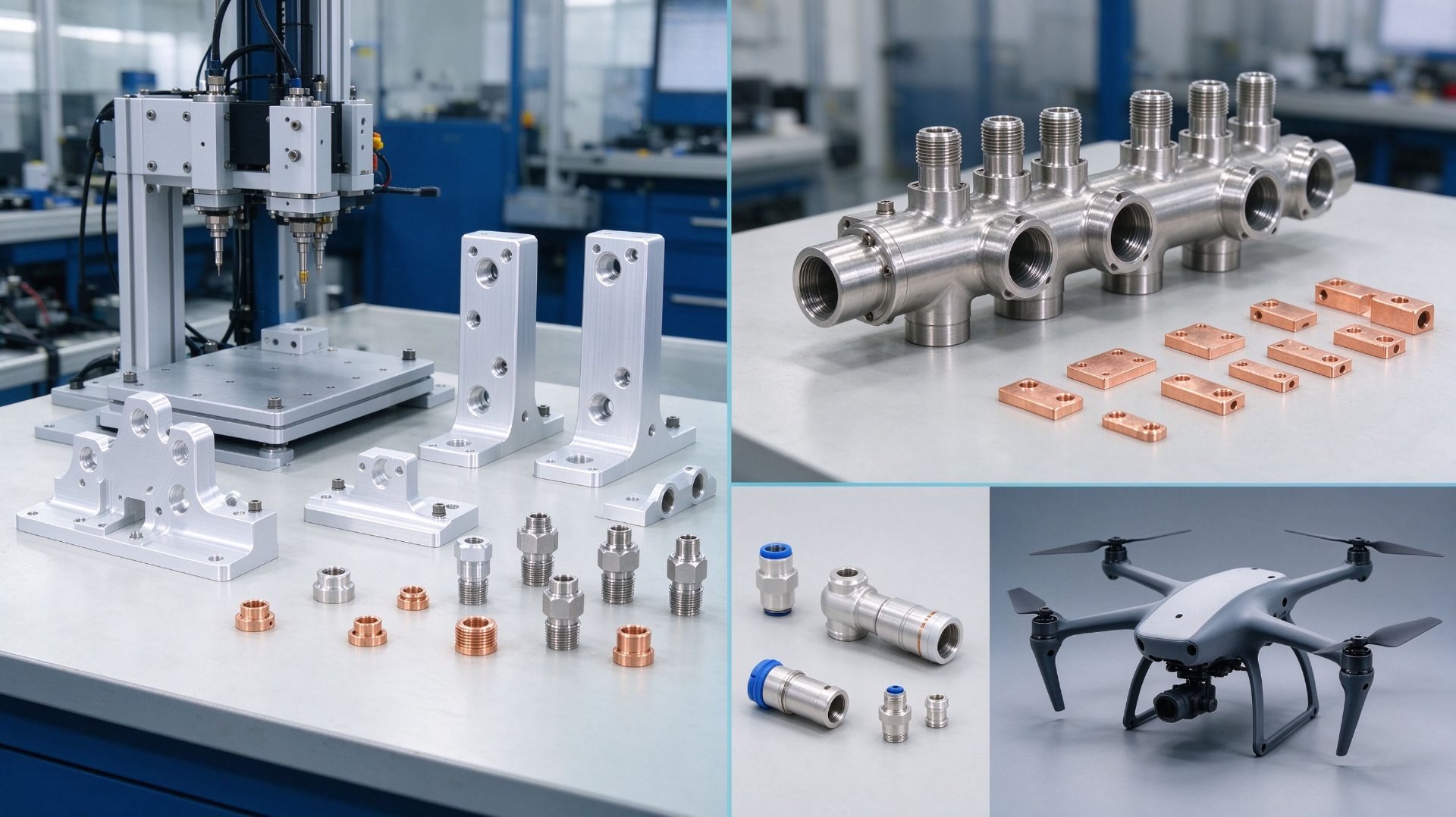
Multi-spindle and single-spindle machining serve different manufacturing needs. Neither process is universally better. The right choice depends on part complexity, production quantity, tolerance requirements, setup costs and delivery expectations.
| Comparison | Multi-Spindle Machining | Single-Spindle Machining |
|---|---|---|
| Production arrangement | Multiple spindles or stations perform coordinated operations. | Typically processes one workpiece at a time on one main spindle. |
| Production volume | Often suitable for repeated medium-to-high-volume production. | Suitable for prototypes, small batches and production work. |
| Production efficiency | Can achieve high throughput when operations are well balanced. | Throughput depends on the machining cycle and number of operations. |
| Setup complexity | Can require more complex station coordination and tooling setup. | Often offers a simpler setup for individual components. |
| Part flexibility | Most economical for suitable repeat-production geometries. | Can be more flexible for changing designs and varied part requirements. |
| Quality potential | Can achieve consistent quality with proper process control. | Can achieve consistent quality with proper process control. |
| Cost structure | May reduce unit cost at suitable production volumes. | May be more economical for lower quantities or frequent design changes. |
| Typical consideration | Requires careful setup, tool management and process monitoring. | May have longer cycle times for parts requiring multiple operations. |
Does multi-spindle machining reduce precision? Not necessarily. Both machine types can produce accurate components. The achievable tolerance depends on machine capability, part geometry, material behaviour, tooling, thermal conditions and inspection methods.
Does single-spindle machining always provide better quality? No. A single-spindle machine can also produce defects if its tooling, setup or inspection process is inadequate. Similarly, a well-maintained multi-spindle machine can produce consistent parts over long production runs.
For buyers, the best comparison is not simply the machine type. It is the supplier's demonstrated ability to manufacture the specific component within the specified tolerance and quality requirements.
Common Quality Problems and How to Prevent Them
Multi-spindle machining can deliver consistent output, but its production arrangement creates specific process-control considerations. Understanding common defects helps buyers ask better technical questions during supplier qualification.
| Potential Problem | Possible Cause | Recommended Control |
|---|---|---|
| Dimensional variation | Tool wear, thermal changes or incorrect offsets. | Scheduled measurement, tool compensation and process monitoring. |
| Poor surface finish | Worn tools, vibration, incorrect cutting parameters or coolant problems. | Tool inspection, parameter optimization and surface roughness checks. |
| Out-of-round features | Spindle runout, unstable clamping or workpiece deflection. | Runout verification, correct workholding and suitable support. |
| Burrs and sharp edges | Tool wear, unsuitable cutting conditions or incomplete deburring. | Tool-condition control and defined deburring and edge-inspection procedures. |
| Thread defects | Incorrect thread tool, feed settings or tool wear. | Thread gauges, tool checks and verification of thread specifications. |
| Batch inconsistency | Uncontrolled setup changes, material variation or inconsistent inspection. | Documented setup procedures, material traceability and batch inspection records. |
One important consideration is that a multi-spindle machine can produce several components during a production cycle. If a common setup error goes undetected, multiple parts may be affected before the problem is identified.
For this reason, suppliers should establish an inspection plan that includes initial setup verification, routine in-process checks, tool-condition monitoring and final inspection. The inspection frequency should be based on part criticality, process stability, production volume and customer requirements.
For components with safety-critical or high-precision features, buyers should define the acceptance criteria and required inspection records before production starts. A clear inspection plan is more valuable than a general statement that the supplier follows strict quality control.
Applications and Limitations of Multi-Spindle Machining
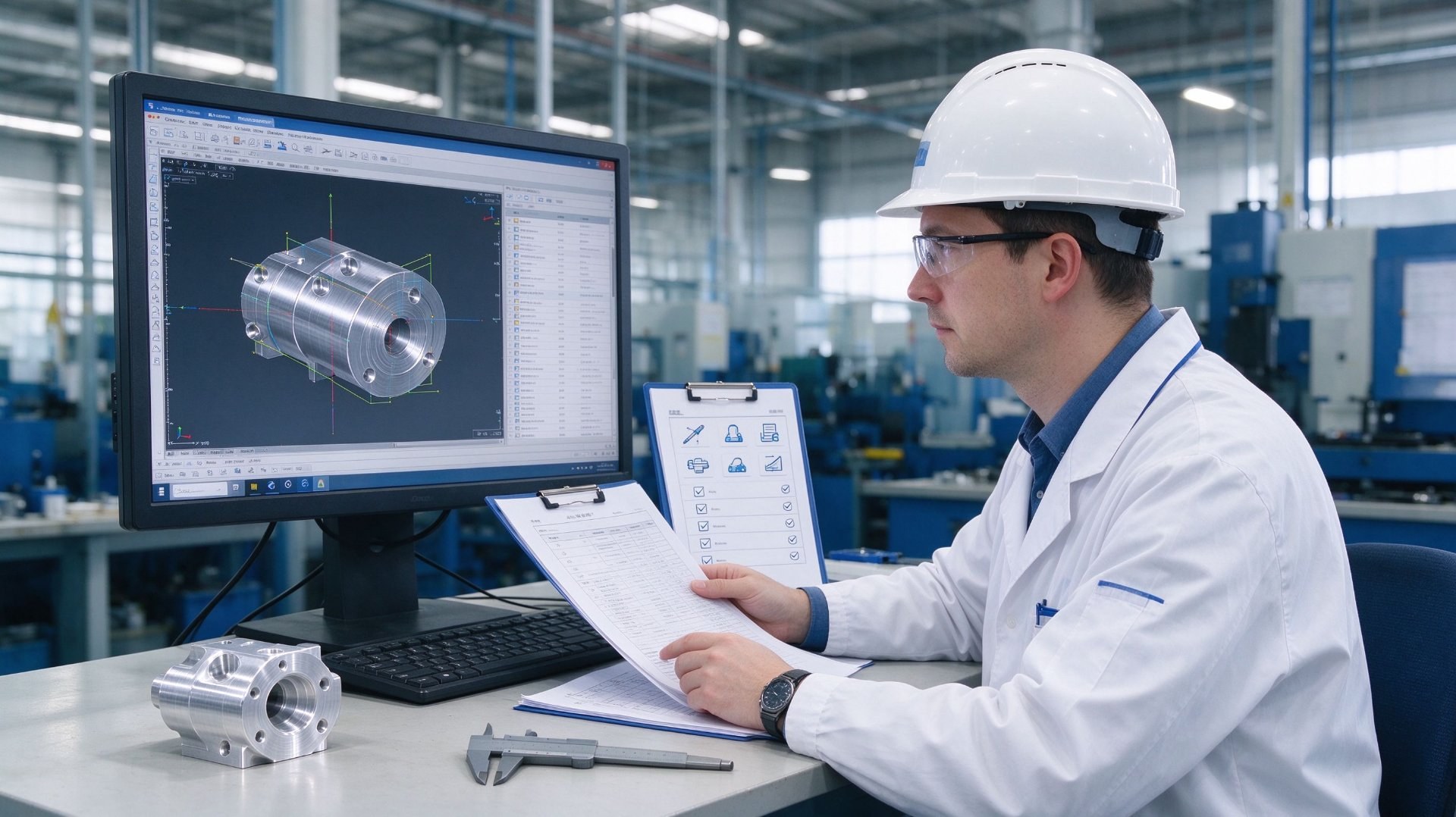
Multi-spindle machining is particularly useful when a component has repeatable geometry, can be produced efficiently from bar stock and requires a relatively high production volume. It is widely associated with turned components and precision small metal parts.
Automotive components. Bushings, shafts, pins, spacers, threaded parts and other repeated cylindrical components can be suitable for multi-spindle production. Dimensional consistency and stable batch output are important for assembly operations.
Electrical and electronic hardware. Connectors, terminals, contact pins, threaded inserts and small conductive components may benefit from automated multi-station machining. Material selection and dimensional control are important for electrical and mechanical performance.
Industrial machinery. Precision sleeves, fittings, shafts, spacers and fastener-related components can be produced efficiently when their geometry and production quantities suit the process.
Hydraulic and pneumatic equipment. Selected fittings, adapters, valve-related components and small turned parts may be manufactured using multi-spindle processes. Hole geometry, sealing surfaces and thread quality must be verified against the engineering drawing.
Medical and instrumentation hardware. Certain small turned components for instruments and equipment can be suitable, provided that material requirements, surface condition, cleanliness and applicable regulatory requirements are properly controlled.
When might multi-spindle machining be unsuitable?
- Very low production quantities where complex setup costs cannot be justified.
- Parts with highly complex geometries that require extensive multi-axis milling.
- Components with large or irregular shapes that cannot be accommodated by the machine.
- Parts requiring frequent design changes or highly flexible machining sequences.
- Features that exceed the machine's verified dimensional or geometric capability.
These limitations do not mean the process is poor quality. They mean that another manufacturing method may be more appropriate for the component. CNC turning, CNC milling, turn-mill machining, grinding or a combination of processes may be better choices depending on the drawing.
The best manufacturing route should be selected after reviewing the 2D drawing, 3D model, material, tolerances, surface requirements and expected production volume.
How to Evaluate a Multi-Spindle Machining Supplier
When a supplier recommends multi-spindle machining, buyers should focus on evidence of process capability rather than accepting a lower quotation at face value. The following checklist can help procurement and engineering teams evaluate a manufacturing partner.
Step 1: Review the part drawing and geometry.
Confirm that the supplier understands the critical dimensions, tolerances, material grade, thread specifications, surface finish and functional requirements. A 3D model helps explain geometry, but a properly dimensioned 2D drawing remains essential for defining inspection requirements.
Step 2: Ask why multi-spindle machining is the recommended process.
The supplier should explain how the machine configuration suits the part and which operations can be completed within the production cycle. Ask whether the proposed process reduces handling, improves throughput or lowers unit cost without compromising specified quality requirements.
Step 3: Verify the actual machine capability.
Ask about machine condition, spindle configuration, workpiece capacity, tooling arrangement and the features that can be machined. Request evidence that the proposed equipment can meet the critical dimensions on your drawing.
Step 4: Confirm material specifications and traceability.
Identify the exact material grade and applicable standard. For projects requiring traceability, request material certificates and batch identification procedures. Any material substitution should require written approval.
Step 5: Review the inspection plan.
Ask how critical dimensions will be measured and how frequently checks will be performed. Depending on the part, inspection may involve micrometers, calipers, bore gauges, thread gauges, optical measurement systems or CMM equipment.
Step 6: Request sample parts and dimensional reports.
Before approving mass production, review representative samples against the drawing. The inspection report should identify the measured dimensions, specified tolerances and actual measurement results. Pay particular attention to critical features rather than only checking general appearance.
Step 7: Confirm process stability during production.
Discuss tool-life management, setup verification, process adjustments and procedures for handling nonconforming parts. For larger production runs, ask how the supplier identifies dimensional drift and prevents defective parts from continuing through the production process.
Step 8: Compare total manufacturing cost and delivery risk.
Evaluate the quotation in relation to setup costs, unit price, production quantity, inspection requirements, secondary operations, packaging and delivery schedule. The lowest unit price is not necessarily the lowest total procurement cost.
A qualified supplier should be able to explain the manufacturing process clearly and provide inspection evidence that supports the quality commitment.
FAQ: Multi-Spindle Machining Quality
These answers address common questions from procurement engineers, product designers and industrial buyers evaluating multi-spindle machining for precision components.
Q1: Are multi-spindle machined parts lower quality than CNC machined parts?
A1: No. Multi-spindle machining does not automatically produce lower-quality parts. Quality depends on machine condition, tooling, workholding, material consistency, machining parameters and inspection controls. A properly configured multi-spindle process can produce accurate and repeatable components.
Source: General manufacturing engineering principles; actual capability must be verified for the specific part and process.
Q2: Can multi-spindle machining achieve tight tolerances?
A2: Yes, multi-spindle machining can achieve tight tolerances when the machine, tooling and process are suitable. However, there is no universal tolerance that applies to every machine or component. The achievable tolerance must be evaluated according to material, geometry, feature size, machine condition and inspection method.
Source: Part-specific engineering and process-capability assessment.
Q3: Is multi-spindle machining suitable for high-volume production?
A3: Yes. Multi-spindle machining is often selected for medium-to-high-volume production of repeated components, particularly when several operations can be coordinated within one production cycle. Its productivity advantage depends on part geometry, setup time, cycle balance and machine utilization.
Source: General manufacturing process characteristics.
Q4: Does multi-spindle machining produce a worse surface finish?
A4: Not necessarily. Surface finish depends on cutting-tool geometry, tool condition, feed rate, cutting speed, vibration, material properties and coolant conditions. A properly controlled multi-spindle process can produce the surface finish specified on the engineering drawing. Critical surfaces should be measured rather than judged visually.
Source: Machining process engineering principles.
Q5: What types of parts are suitable for multi-spindle machining?
A5: Repeated cylindrical and bar-fed components are common applications. Examples include pins, bushings, shafts, spacers, fittings, connectors, threaded components and selected precision hardware. Suitability depends on machine capacity, geometry, material and production volume.
Source: General multi-spindle machining applications.
Q6: What are the main quality risks of multi-spindle machining?
A6: Common risks include dimensional variation from tool wear, spindle runout, vibration, unstable workholding, material inconsistency and incorrect station settings. These risks can be reduced through maintenance, setup verification, tool-life management, in-process inspection and final dimensional checks.
Source: General manufacturing quality-control principles.
Q7: Is multi-spindle machining cheaper than single-spindle machining?
A7: It can be cheaper per part when production volume is sufficient to justify the setup and the machine can complete operations efficiently. For prototypes, small quantities or frequently changing designs, single-spindle machining may be more economical. A quotation should consider setup, tooling, cycle time, inspection and secondary operations.
Source: Manufacturing cost and production-planning principles.
Q8: How can buyers verify the quality of multi-spindle machined parts?
A8: Request approved samples, a dimensional inspection report, material certificates where required and a documented quality-control plan. Verify critical diameters, lengths, threads, geometric tolerances and surface finish using suitable measuring equipment. For repeat orders, review production inspection records and batch traceability.
Source: Supplier qualification and inspection practices.
Q9: Can multi-spindle machining be used for precision electronic components?
A9: Yes, selected electronic hardware such as contact pins, terminals, connectors and threaded inserts may be suitable. The supplier must confirm that the machine can meet the component's dimensional, material, surface and functional requirements. Electrical performance and assembly fit should also be considered where relevant.
Source: General precision-component manufacturing applications.
Q10: Should I choose multi-spindle machining or conventional CNC machining?
A10: Choose based on the component's geometry, production volume, tolerance requirements, material and total manufacturing cost. Multi-spindle machining is often attractive for repeated production of suitable turned components, while conventional CNC machining may offer more flexibility for complex geometries, prototypes and lower-volume orders. A drawing review is the best starting point.
Source: Manufacturing process-selection principles.
Conclusion and Quote Request
So, are multi-spindle machined parts lower quality? The answer is no. Multi-spindle machining is a production method, not a quality grade. Its ability to produce accurate and consistent components depends on machine condition, tooling, material control, process stability and inspection procedures.
For industrial buyers, the most reliable approach is to evaluate the actual manufacturing process against the engineering drawing. Compare dimensional inspection results, material traceability, surface requirements and batch consistency before deciding which machining method is appropriate.
At Shenzhen Zhongzhu Technology Co., Ltd., we focus on custom manufacturing solutions for industrial customers. Our manufacturing-related services include precision machining and other custom metal and plastic component processes. If you are sourcing precision machined parts, send us your 2D drawing and 3D model together with the material, quantity, surface treatment and target delivery date.
Our team can review the technical requirements and discuss a suitable manufacturing route based on the project details. We welcome inquiries for custom components, prototypes and production orders.
Get In Touch
Looking for a reliable manufacturing partner for your custom precision components? Contact our team today.
Shenzhen Zhongzhu Technology Co., Ltd.
Custom metal components, precision machining, die casting, stamping and plastic components.
📄 Request a Technical Review or Quotation
Contact Us →📞 Speak with Our Team
Get In Touch →🔗 Explore Our Manufacturing Services
View Products & Services →Shenzhen Zhongzhu Technology Co., Ltd.
315 PING 'AN AVENUE, PINGHU STREET, LONGGANG DISTRICT, SHENZHEN CITY, GUANGDONG PROVINCE
📞 +86 18688963321
✉ samuel@chnzhongzhu.com
Shenzhen Zhongzhu Technology


how to avoid poor surface finishes on machined parts?
Is Machine Learning Part of AI?
Related Article