
Development and industry barriers of automotive aluminum alloy precision die castings
Author: zzkj
2024-04-01
The manufacturing processes of aluminum alloys in the automotive field mainly include stamping, die-casting and extrusion molding. Die-casting is the main production method of aluminum alloy parts. Aluminum alloy die-casting parts are used in about 80% of the automotive field, with extruded parts and rolled parts accounting for various proportions. About 10%. Under the requirements of environmental protection and energy conservation, automobile manufacturing continues to move toward lightweighting, promoting the widespread application of low-density, high-strength aluminum and magnesium alloys in automobile parts.
01Automotive aluminum alloy precision die casting industry
development trend
development trend
The die-casting industry is developing in the direction of precision, customization, high-tech and green environmental protection, keeping pace with the new energy vehicle market, taking technological innovation as the core, and constantly improving its competitive advantage in the industry chain.
Four major development trends in the automotive aluminum alloy precision die casting industry
02Automobile aluminum alloy precision die casting industry needs
Market analysis and forecast
The Ministry of Industry and Information Technology's "Energy Saving and New Energy Technology Roadmap" proposes that my country's aluminum consumption targets for bicycles in 2025/2030 are 250kg/vehicle and 350kg/vehicle.
The application scope of aluminum alloy die-casting parts in the domestic and foreign automotive industry is classified according to the use function. It has been used in structural parts, stress-bearing parts, safety parts and decorative parts, etc., mainly including the following aspects:
Motion transfer system:
Cylinder block, cylinder head cover, cylinder head cover, crankcase, cylinder head cover, oil pan, generator housing, engine gear room, various engine brackets, etc., transmission housing, transmission bracket, etc.;
steering system:
Chain cover, rack housing and turbine housing;
Chassis assembly:
Chain cover, rack housing and turbine housing;
steering system:
Suspension brackets and beams;
Body:
Wheel hubs, frames and decorative products;
other:
Shock absorber lower end cover, compressor bracket, clutch pedal and brake pedal, etc. Aluminum alloy die casting related products have been widely used in the automotive industry.
At present, the aluminum alloy high-pressure die-casting process widely used in the die-casting industry is easy to process complex formed parts, can effectively improve production efficiency and reduce costs, and is favored by all walks of life. The proportion of various aluminum alloy processes used in automobiles is approximately: casting 77%, rolling 10%, extrusion 10%, and forging 3%. The casting process is the most important processing process for automotive aluminum alloys. Although the development of my country's automobile industry started later than that of developed countries, the rapidly growing domestic market and relatively low cost of production factors have attracted global automobile industry resources to our country. High-end automobile brands have established manufacturing bases in my country, which has significantly improved the technical strength and manufacturing capabilities of my country's automobile and parts industry. According to statistics from the China Association of Automobile Manufacturers, my country's automobile production has increased from 13.791 million units in 2009 to 2022. of 27.021 million units, with a compound annual growth rate of 5.31%; during the same period, my country's automobile sales increased from 13.6448 million units to 26.864 million units, with a compound annual growth rate of 5.35%. In 2021, my country's automobile production and sales were 26.082 million and 26.275 million respectively, a year-on-year increase of 3.40% and 3.80% respectively, ending three consecutive years of decline since 2018; in 2022, my country's automobile production and sales were 27.021 million respectively. and 26.864 million vehicles, a year-on-year increase of 3.40% and 2.10% respectively. Production and sales have ranked first in the world for 14 consecutive years. In 2023, my country's automobile production and sales were 30.161 million and 30.094 million vehicles respectively, a year-on-year increase of 11.6% and 12% respectively. , the growth rate is relatively high, showing a rapid growth trend. Production and sales of my country's automobile industry from 2018 to 2023 Since 2021, the production and sales of new energy vehicles have grown rapidly.
In 2022, new energy vehicles have been sold in more than 100 countries and regions around the world, with cumulative global sales exceeding 27 million vehicles. As requirements around the world for limiting carbon emissions become more stringent and various policies to support the development of new energy vehicles are introduced, the production and sales of new energy vehicles will achieve greater growth in 2022 compared with 2021. my country's new energy vehicles in 2022 The sales volume of energy vehicles reached 6.887 million units, a year-on-year increase of 95.60%, accounting for 67% of the world's total sales. The potential of the new energy vehicle market is gradually emerging. In 2023, my country's new energy vehicle production and sales were 9.587 million and 9.495 million vehicles, a year-on-year increase of 35.8% and 37.9% respectively, with a market share of 31.6%.
Production and sales of my country's new energy vehicle industry from 2018 to 2023
The aluminum alloy die-casting industry in the automotive field has good future prospects. With the continuous expansion of the market scale of traditional fuel vehicles and new energy vehicles,
The aluminum alloy die-casting industry in the automotive field has good future prospects. With the continuous expansion of the market scale of traditional fuel vehicles and new energy vehicles,
03Automotive aluminum alloy precision die casting industry
main barriers
main barriers
(1) Customer barriers
The world's major vehicle manufacturers or auto parts suppliers all have a set of strict quality system certification standards in the process of selecting upstream parts and components suppliers. Under normal circumstances, auto parts suppliers can become candidate suppliers for OEMs or auto parts suppliers only after passing relevant parts quality management system certification audits; OEMs or auto parts suppliers follow their respective supplier requirements. Selection criteria, auditing all production management links of upstream suppliers; finally, strict advance product quality planning (APQP) and production part approval process (PPAP) must be performed before mass production of relevant supporting parts, and after repeated Trial installation and verification. Once the cooperative relationship between the two parties is established, the OEM or auto parts supplier usually will not easily change its supporting parts suppliers. The strict certification standards in the downstream industry have formed a high entry barrier for new competitors in the auto parts industry.
(2) Technical barriers
Aluminum alloy precision die-casting parts in the automotive field have complex shapes, high material performance and precision requirements. The parts design, mold manufacturing, die-casting, machining, process optimization and other aspects of the production process require long-term technical accumulation. Therefore, die-casting companies in the industry need to have strong material development and preparation technology, die-casting technology, and even product solution design, mold design and manufacturing capabilities to meet the product quality requirements of vehicle manufacturers and first-tier auto parts suppliers. requirements, thereby occupying a favorable advantage in the fierce market competition.
(3) Financial barriers
The die-casting industry has a large capital investment and requires continuous R&D investment to consolidate product quality and ensure technological advancement. The purchase cost of smelting equipment, die-casting equipment, mold production equipment, machining equipment and precision testing equipment is generally high, especially for the production of high-end precision parts. In order to ensure that the technical indicators such as product accuracy, strength, and processability are high, At the same level, parts manufacturing companies need high-end processing equipment and require more capital investment, which places higher requirements on the financial strength of companies in the industry.
What Exactly Are The Cast Items? Information About The Casting Procedure
SURFACE FINISHING
Related Article
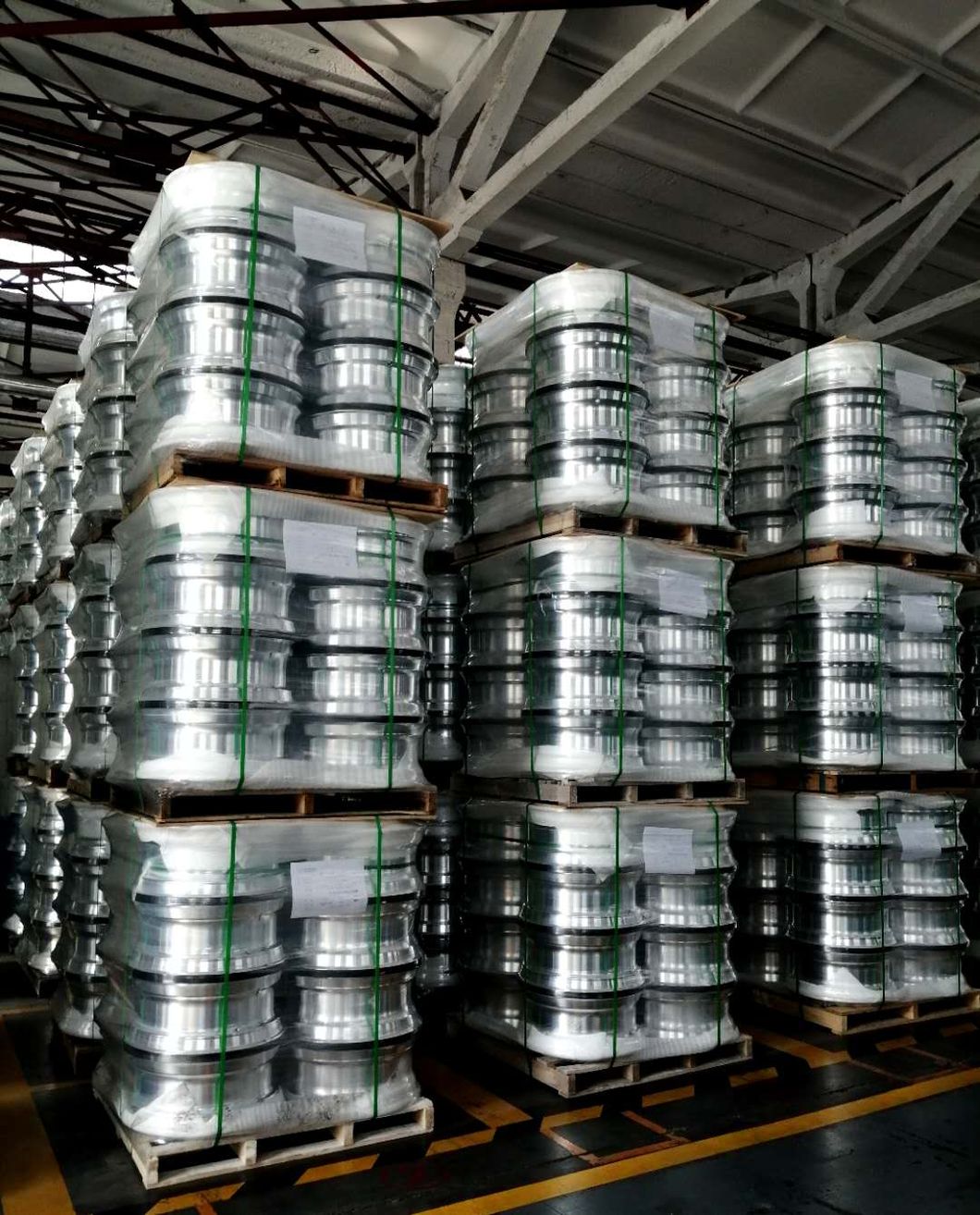
To paint aluminum alloy rims, clean and sand the surface, apply a primer, then spray 2–3 coats of paint, allowing drying time between each. Finish with a clear coat for added protection and shine. Perfect for restoring or customizing your wheels
How to Paint Aluminum Alloy Rims
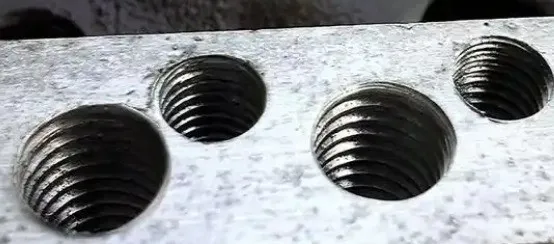
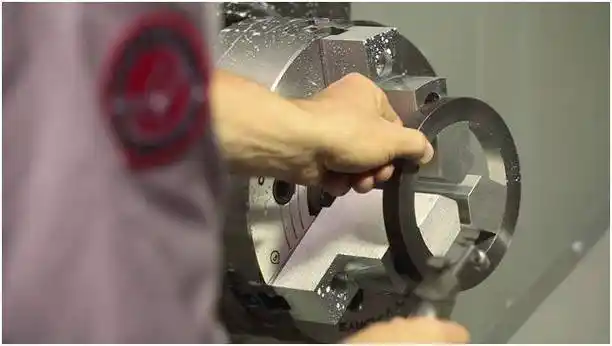
Deformation control refers to the process of minimizing bending or flexing in materials during manufacturing or operation. This process is essential for ensuring product quality and reliability, and deformation control methods include altering the composition of materials or implementing design changes. Deformation control is essential in various industries, including automotive, aerospace, and construction, where bending or flexing in materials can compromise safety and durability.
Guarantee Of Machining Accuracy Of Thin-Walled Plate-Shaped Die Castings Based On Deformation Control
