
Tapping and Threading
Author: SZTC
2025-01-08
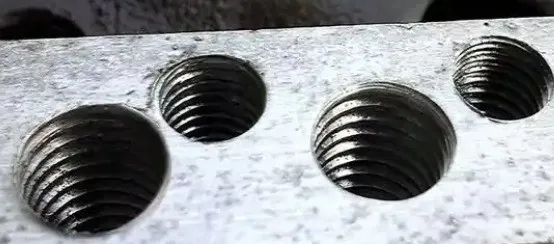
What is the difference between tapping and threading? We will examine the similarities and differences
Threaded holes are holes with internal threads created using threading tools such as thread turning tools, thread milling tools, or with the help of threaded inserts. In engineering, no fastener is complete without a threaded hole. Threads are often added during CNC machining to increase speed and accuracy. Threading is often one of the last steps in manufacturing a part, especially when threaded inserts are involved.
Tapping is just one type of threaded hole. More specifically, it is a threaded hole that is created using a tap. These tools consist of a rod with sharp edges or teeth that cut into the side of the hole, creating an internal spiral groove (thread) as it cuts through the material. Tapping is a quick, convenient method of threading and one of the most common techniques we see in hardware stores.
In short, tapping is a type of threaded hole, but there is more to it than just one method.
Tapping vs. Threading — Comparison
As mentioned above, tapping is a threading method that creates internal threads in a hole. Threading is a general term used to describe the use of various types of cutting tools to create internal or external threads. You can tap a hole or bore to create internal threads, but you can also tap external cylindrical features to create threaded rods or fasteners. External threads can be created using cutting dies, single-point cutting tools on a lathe, roll-forming tools, and more.
Similarities and Limitations
The tapping and threading processes are similar in that they both create internal threads for a threaded fastener, such as a bolt, to fit into. They can also be used with blind or through holes. When the hole does not go all the way through the workpiece, the hole is considered a blind hole.
As far as limitations go, we will focus on the limitations of tapping, as threading encompasses all other types of threading techniques. Here are the limitations to be aware of when tapping:
Thread Type: Tapping is limited to internal threads. For external threads, you will have to turn to other threading processes, such as using dies.
Thread Varieties: Taps are designed to create threads with specific sizes and pitches. This means that if you want to create a variety of threads, you will need a corresponding tap for each thread. Additionally, this rules out custom thread forms, which are better handled by processes such as thread milling.
Tool Breakage: Taps are more susceptible to breakage than other threading tools. Damaged taps can become a machinist’s nightmare, as they can be difficult to remove and, in some cases, require the entire part to be scrapped.
Blind Hole Depth: Since most taps have a tapered lead on them to assist the cutting process, this means they can only go so deep before hitting the bottom of the blind hole. If you need the threads to be as close to the bottom of the blind hole as possible, you may need to resort to alternative methods, such as thread milling.
Material Limitations: Taps don’t work well when machining hard or brittle materials, such as hardened steel. These types of materials tend to wear out the tap quickly, making it ineffective at producing good threads, or requiring frequent tool changes, which increases costs. On the other hand, very ductile materials can also cause problems for taps, as they can become “sticky” and stick to the tap during cutting, requiring frequent cleaning or tool changes.
Overall, tapping can be a good way to create threaded holes in a part in the right circumstances, but you may need to resort to alternative techniques when working with certain materials and thread forms or if you want to reduce the risk of tool breakage.
How to Paint Aluminum Alloy Rims
Guarantee Of Machining Accuracy Of Thin-Walled Plate-Shaped Die Castings Based On Deformation Control
Related Article
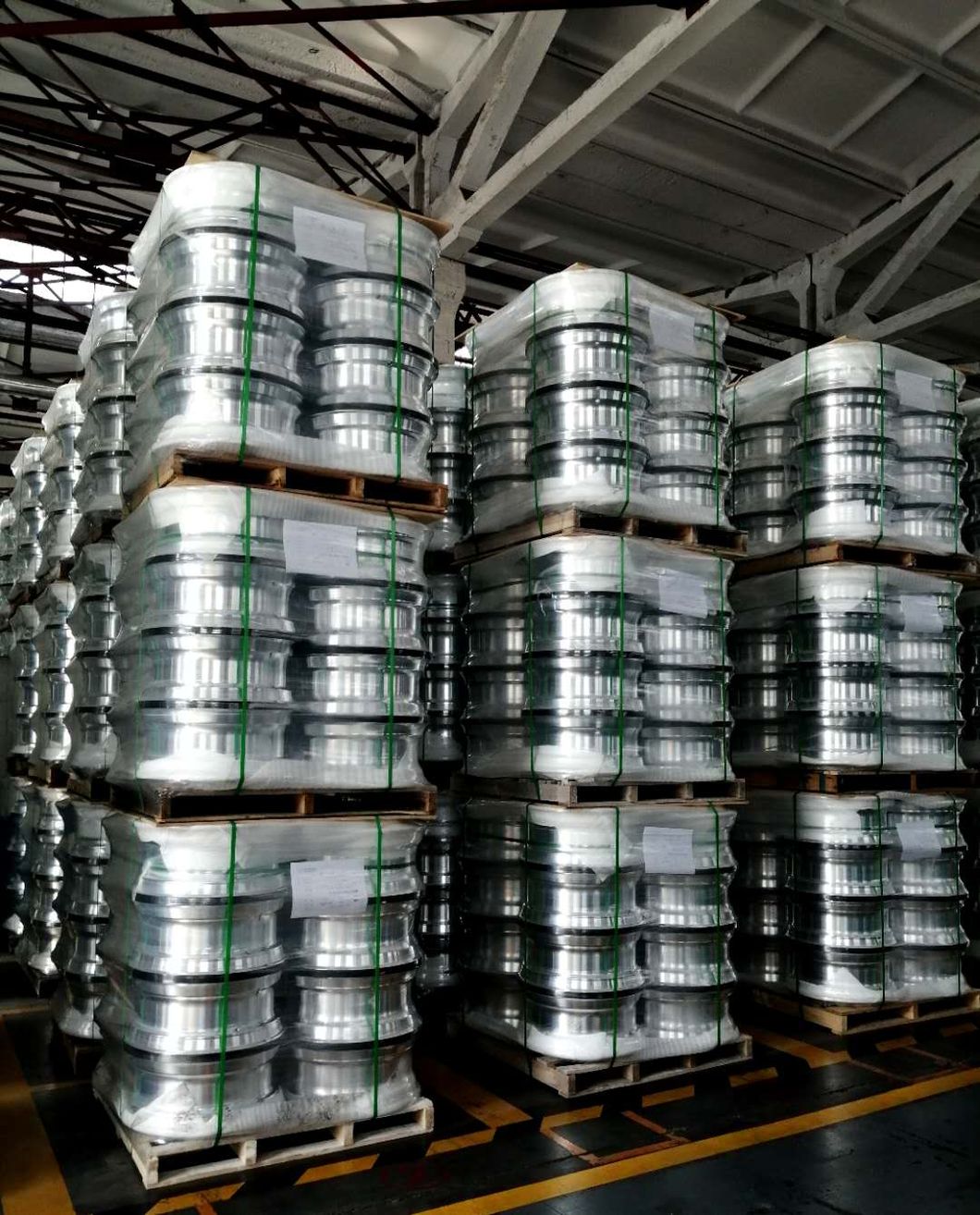
To paint aluminum alloy rims, clean and sand the surface, apply a primer, then spray 2–3 coats of paint, allowing drying time between each. Finish with a clear coat for added protection and shine. Perfect for restoring or customizing your wheels
How to Paint Aluminum Alloy Rims
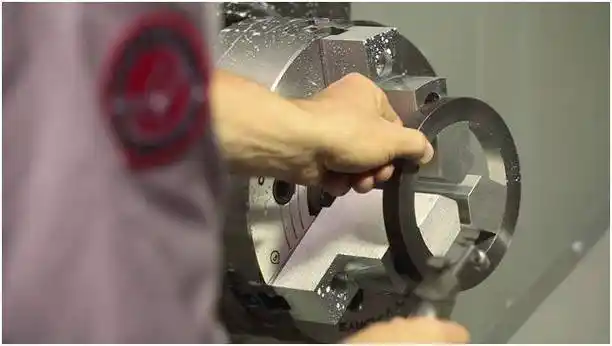
Deformation control refers to the process of minimizing bending or flexing in materials during manufacturing or operation. This process is essential for ensuring product quality and reliability, and deformation control methods include altering the composition of materials or implementing design changes. Deformation control is essential in various industries, including automotive, aerospace, and construction, where bending or flexing in materials can compromise safety and durability.
Guarantee Of Machining Accuracy Of Thin-Walled Plate-Shaped Die Castings Based On Deformation Control

