
When Was 3D Printing Invented for Industrial Rapid Sampling
Author: SZTC
2026-08-18


Samuel Song Your service representative
Specializing in zinc-aluminum-magnesium alloy die-casting processing, CNC milling, CNC turning, 3D printing, injection molding and sheet metal processing. Manufacturing services.
-----------------------------------------------------------------------------------------------------------------------------------------------------------------------------------------------------------------------------------------------------------------------------------------------------------------------------------------------
3D printing has become an indispensable tool for rapid sample production in plastic mold and hardware processing industries. Many factory technicians and industry learners frequently ask when was 3D printing invented. Understanding its invention timeline helps professionals recognize how this technology evolved into a reliable solution for fast prototyping, mold verification and custom hardware manufacturing.

1. The Earliest Invention of 3D Printing Principles
To accurately answer when was 3D printing invented, we start with the earliest verified technical invention.
1.1 The 1981 Pioneering Invention
The core principle of modern 3D printing was first invented in 1981 by Japanese researcher Hideo Kodama. He developed a layered photopolymer curing method and created the first functional 3D printing prototype. This breakthrough established the basic additive manufacturing logic for building parts layer by layer.
1.2 Limitations of the Early Prototype
Though invented in 1981, the initial device was limited to laboratory use. It lacked mature industrial parameters and could not support high-precision sampling for molds and hardware parts, remaining only a theoretical and experimental achievement.

2. Official Industrial Invention and Patent
The landmark answer to when was 3D printing invented for commercial and industrial use dates to the mid-1980s.
2.1 Invention of SLA Technology in 1984
In 1984, American engineer Chuck Hull officially invented Stereolithography (SLA), the first complete industrial 3D printing technology. It realized stable conversion of digital models into solid precision parts, laying the foundation for modern industrial rapid prototyping.
2.2 Formal Patent Authorization
Chuck Hull obtained a formal U.S. patent for 3D printing technology in 1986. This official recognition marked the formal completion of industrial 3D printing invention, promoting the technology’s subsequent commercialization and industrial promotion.
3. Modern Industrial Application Value
Looking back at when was 3D printing invented highlights its great value for today’s manufacturing industry.
3.1 Technology Iteration and Upgrade
After decades of iteration, the originally invented 3D printing technology has derived multiple mature processes, including FDM, SLS and metal printing. It now meets high-precision and high-strength requirements for mold and hardware sample production.
3.2 Empower Rapid Sampling Workflow
Today, 3D printing greatly shortens the R&D cycle of plastic molds and custom hardware parts. It replaces traditional slow CNC trial processing, reduces production costs, and improves the efficiency of new product verification and batch trial production.
In conclusion, the prototype of 3D printing was invented in 1981, while the formal industrial 3D printing technology was invented and patented in the mid-1980s. Knowing when was 3D printing invented helps manufacturers better apply this mature technology to optimize industrial rapid sampling workflows.
When Was the 3D Printer Created for Mold and Hardware Rapid Sampling
When Was 3D Printing Created for Mold and Hardware Rapid Sampling
Related Article

For manufacturers and purchasing teams, understanding how to avoid poor surface finishes on machined parts is essential when developing a reliable production process.
how to avoid poor surface finishes on machined parts?
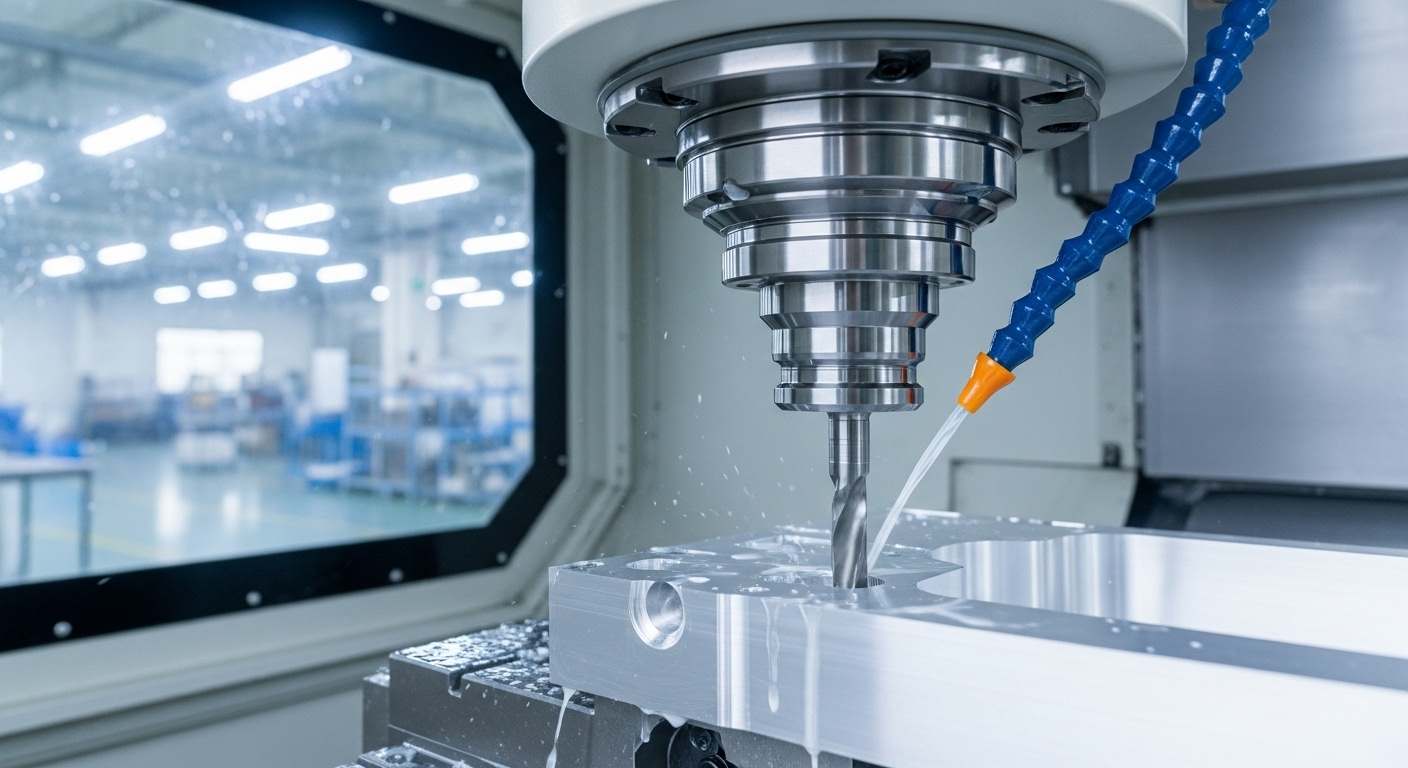
This guide explains how multi-spindle machining works, what affects its quality, where it performs well, and where buyers should pay closer attention. We will also compare multi-spindle and single-spindle machining from a practical sourcing perspective, so you can evaluate a supplier based on measurable manufacturing capability rather than machine type alone.
are multi-spindle machined parts lower quality?
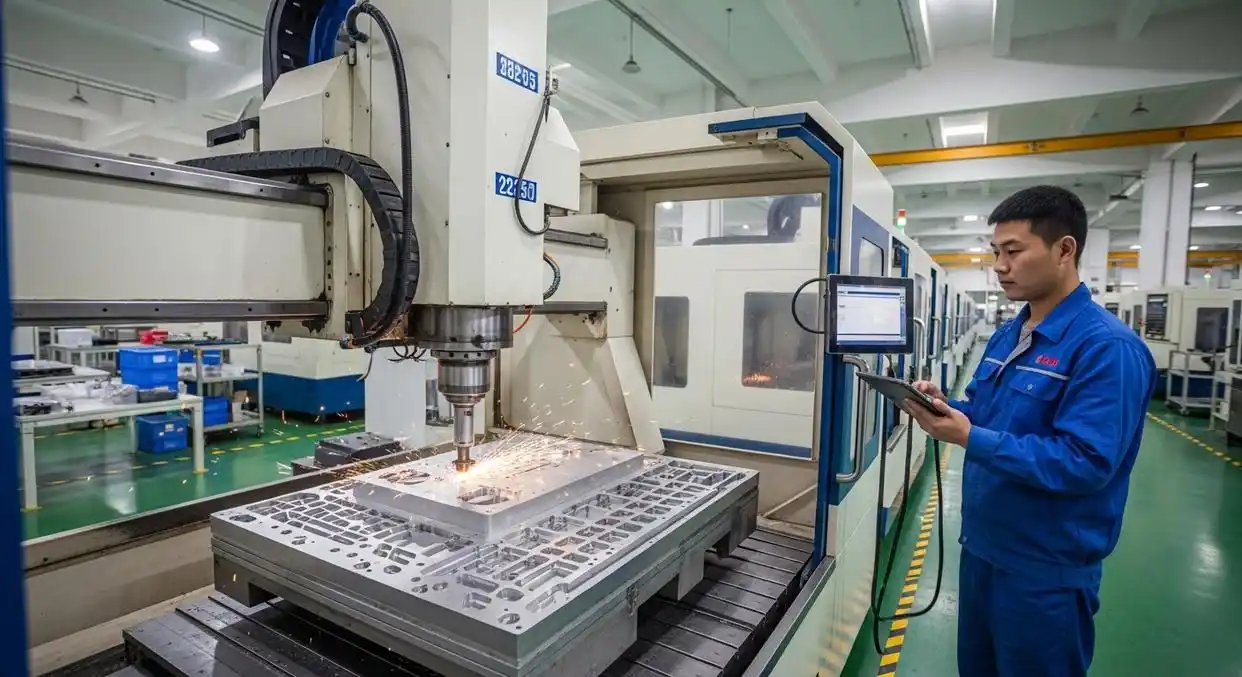
This guide explains the relationship between AI, machine learning and deep learning in practical terms. It covers how the technologies differ, how they work, where they are used, and what they mean for industrial manufacturing, quality inspection and CNC machining.
Is Machine Learning Part of AI?
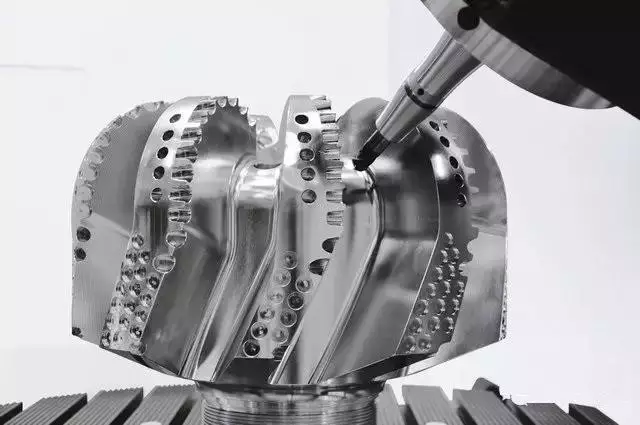
This guide is written for mechanical engineers, industrial equipment buyers, maintenance professionals and manufacturing procurement teams. It explains how oil reduces friction, how different lubrication mechanisms work, which oil properties matter, and where lubrication is used in industrial machinery.
How Does Oil Between Machine Parts Reduce Friction?