
When Was 3D Printing Created for Mold and Hardware Rapid Sampling
Author: SZTC
2026-08-17


Samuel Song Your service representative
Specializing in zinc-aluminum-magnesium alloy die-casting processing, CNC milling, CNC turning, 3D printing, injection molding and sheet metal processing. Manufacturing services.
-----------------------------------------------------------------------------------------------------------------------------------------------------------------------------------------------------------------------------------------------------------------------------------------------------------------------------------------------
As a core tool for rapid prototyping in plastic mold and hardware processing, 3D printing greatly optimizes sample production efficiency. Many manufacturing practitioners want to know when was 3D printing created and how this technology evolved to serve modern industrial sampling needs. Learning its creation timeline helps factories better understand and utilize additive manufacturing for product development.

1. The Original Creation of 3D Printing Technology
To accurately answer when was 3D printing created, it is necessary to distinguish theoretical creation and industrial technological creation.
1.1 The First Theoretical Creation in 1981
The earliest prototype of 3D printing technology was created in 1981. Japanese scientist Hideo Kodama put forward the layered light-curing molding principle and completed the first set of feasible additive manufacturing experiments. This original creation laid the theoretical foundation for all modern 3D printing technologies.
1.2 Industrial Technology Creation in 1984
The official industrial 3D printing technology was created in 1984. American engineer Chuck Hull invented Stereolithography, the first systematic 3D printing process that could convert digital models into solid industrial parts. This milestone marked the formal creation of practical 3D printing technology.
2. Patent and Equipment Creation Milestones
The key industrialization nodes further supplement the answer to when was 3D printing created.
2.1 Official Patent Establishment
In 1986, Chuck Hull was granted a formal patent for SLA technology and founded the world’s first 3D printing enterprise. This step completed the legal and standardized creation of industrial 3D printing technology systems.
2.2 First Commercial Printer Creation
The world’s first commercial 3D printing device was created in 1988. It ended the experimental stage and enabled stable prototype manufacturing, providing equipment support for industrial rapid sampling.

3. Industrial Value of Created 3D Printing Technology
Reviewing when was 3D printing created highlights its profound impact on mold and hardware industries.
3.1 Continuous Technical Upgrade
Since its creation, 3D printing has derived multiple processes such as FDM, SLS and metal printing. The continuous improvement of precision and material adaptability meets the high-standard sampling demands of complex plastic molds and precision hardware parts.
3.2 Efficient Rapid Sampling Application
Today, the mature 3D printing technology is widely used for mold structure verification and hardware prototype customization. It effectively shortens R&D cycles, reduces mold opening risks and lowers trial production costs for processing enterprises.
In short, the theoretical system of 3D printing was created in 1981, and the formal industrial technology was completed in the mid-1980s. Knowing when was 3D printing created helps manufacturers fully recognize the technical advantages of 3D printing and maximize its value in rapid sample production.
When Was 3D Printing Invented for Industrial Rapid Sampling
When Did 3D Printing Come Out and Benefit Industrial Sampling
Related Article

For manufacturers and purchasing teams, understanding how to avoid poor surface finishes on machined parts is essential when developing a reliable production process.
how to avoid poor surface finishes on machined parts?
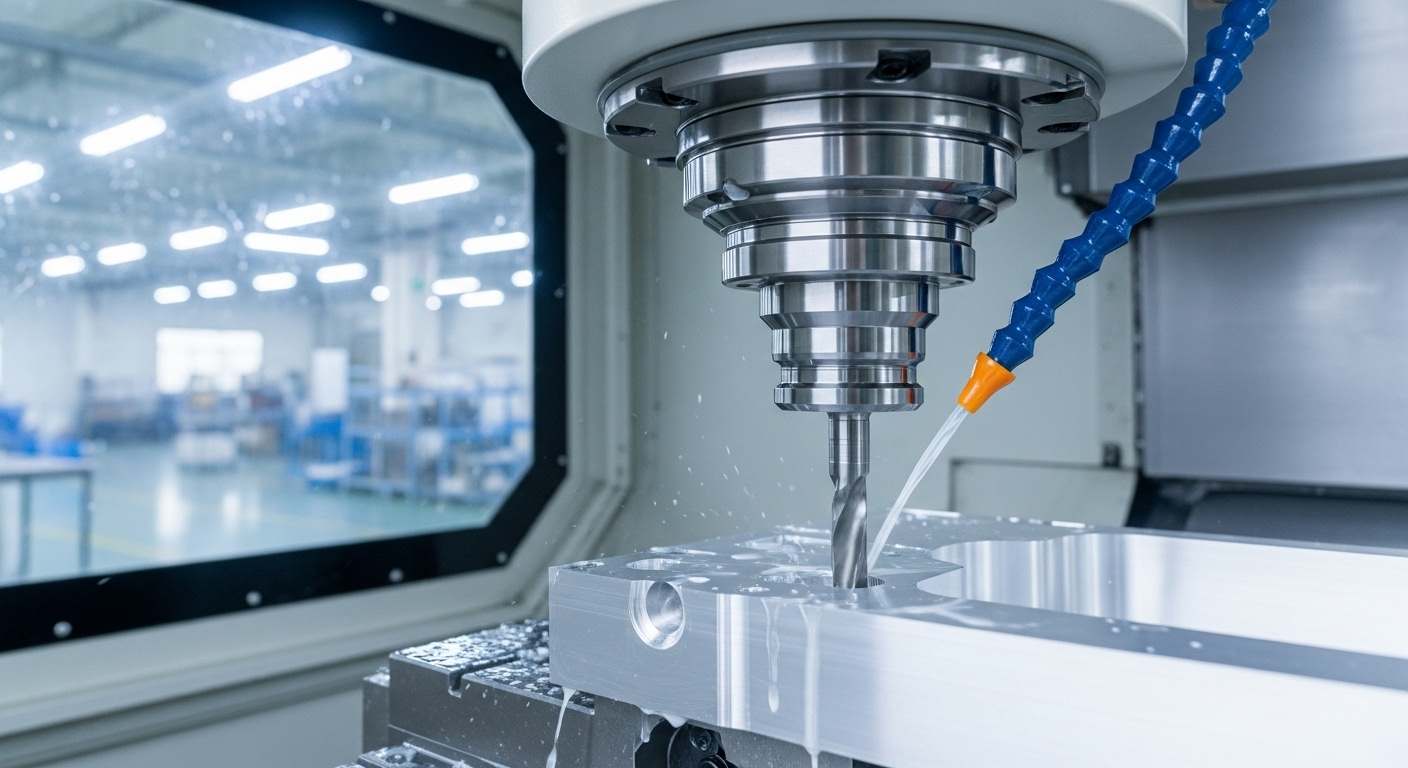
This guide explains how multi-spindle machining works, what affects its quality, where it performs well, and where buyers should pay closer attention. We will also compare multi-spindle and single-spindle machining from a practical sourcing perspective, so you can evaluate a supplier based on measurable manufacturing capability rather than machine type alone.
are multi-spindle machined parts lower quality?
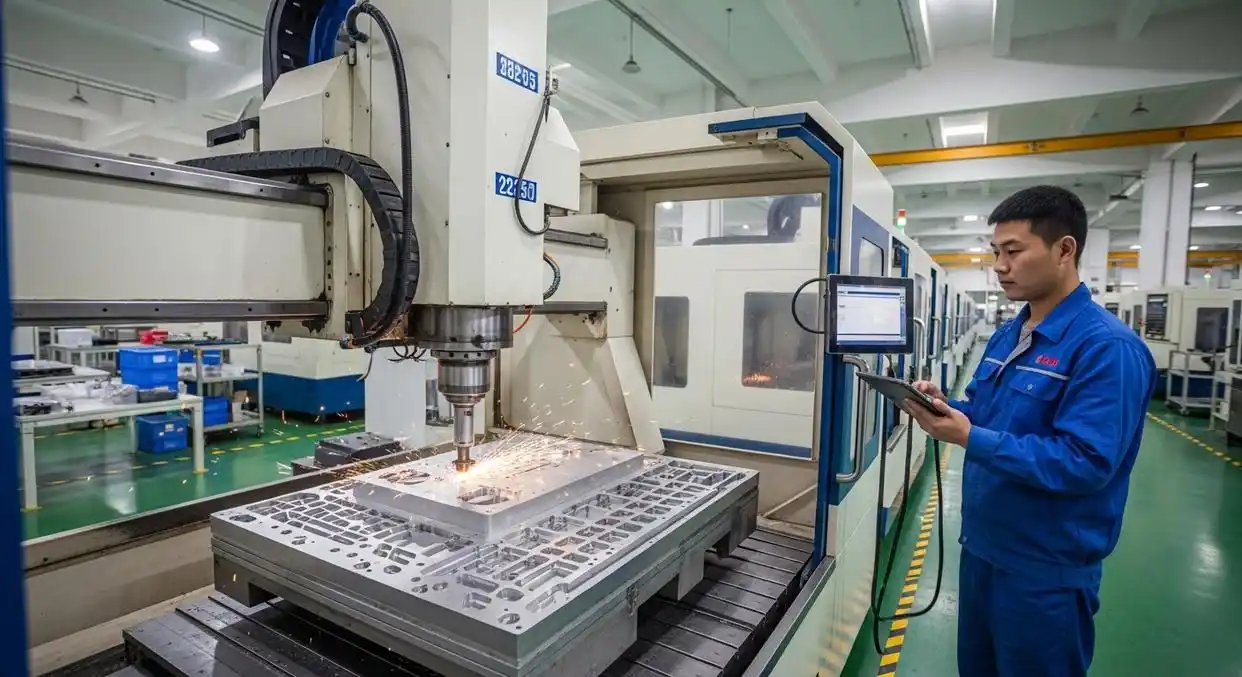
This guide explains the relationship between AI, machine learning and deep learning in practical terms. It covers how the technologies differ, how they work, where they are used, and what they mean for industrial manufacturing, quality inspection and CNC machining.
Is Machine Learning Part of AI?
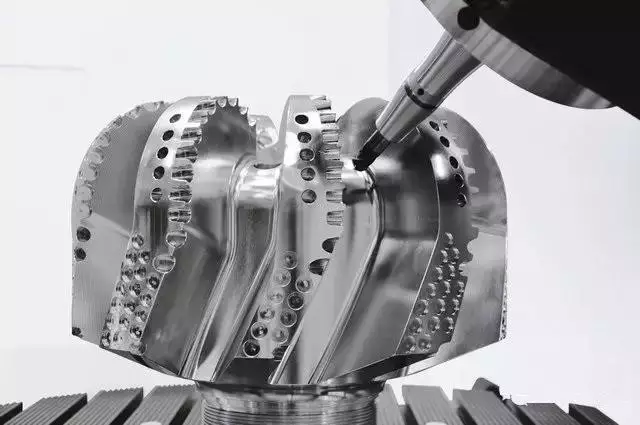
This guide is written for mechanical engineers, industrial equipment buyers, maintenance professionals and manufacturing procurement teams. It explains how oil reduces friction, how different lubrication mechanisms work, which oil properties matter, and where lubrication is used in industrial machinery.
How Does Oil Between Machine Parts Reduce Friction?