What Are 3D Printing Technologies for Mold and Hardware Sampling
Author: SZTC
2026-08-05


Samuel Song Your service representative
Specializing in zinc-aluminum-magnesium alloy die-casting processing, CNC milling, CNC turning, 3D printing, injection molding and sheet metal processing. Manufacturing services.
-----------------------------------------------------------------------------------------------------------------------------------------------------------------------------------------------------------------------------------------------------------------------------------------------------------------------------------------------
As rapid prototyping becomes a core part of plastic mold and hardware processing, many industry practitioners ask what are 3D printing technologies that fit industrial sampling needs. 3D printing refers to additive manufacturing techniques that build physical parts layer by layer. Understanding what are 3D printing solutions helps factories select proper tools to accelerate prototype verification and optimize production workflows.
1. Core Definition of Industrial 3D Printing
To clearly understand what are 3D printing applications in manufacturing, it is necessary to grasp its basic industrial principles.
1.1 Additive Manufacturing Logic
Unlike traditional subtractive machining that cuts raw materials, 3D printing creates parts by stacking materials layer by layer. This unique working mode reduces material waste and supports complex customized structures that are difficult to process with traditional mold and hardware manufacturing methods.
1.2 Industrial Application Orientation
Modern 3D printing is no longer limited to simple model making. It focuses on industrial rapid sampling, including plastic mold cavity prototypes, custom hardware jigs and functional mechanical parts, fully adapting to factory trial production demands.

2. Common 3D Printing Types for Workshop Use
The key answer to what are 3D industrial printing technologies covers three mainstream processes.
2.1 SLA Resin 3D Printing
SLA printing uses UV light to cure liquid resin, delivering high-precision parts with smooth surfaces. It is widely used for fine plastic mold samples, appearance verification and detailed structural prototype testing in the mold industry.
2.2 FDM Material Deposition Printing
FDM technology melts and extrudes thermoplastic filaments. It produces tough, low-cost parts suitable for custom hardware fixtures, assembly tools and durable structural prototypes for workshop daily use.
2.3 Metal 3D Printing
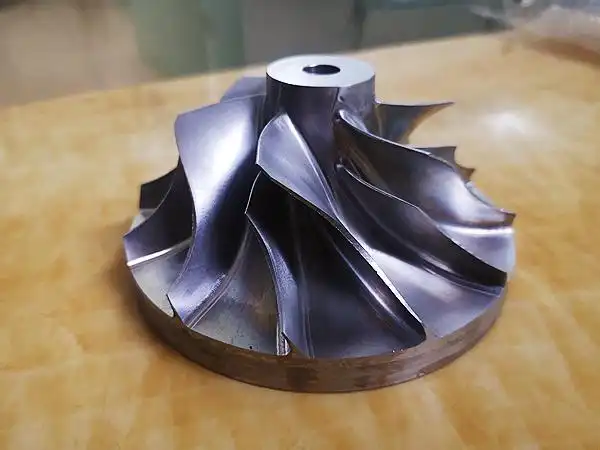
Metal 3D printing melts metal powder or wire to form high-strength parts. It meets the functional testing requirements of high-precision hardware components and wear-resistant mold inserts.

3. Industrial Value of 3D Printing
Recognizing what are 3D printing advantages helps manufacturing enterprises improve core competitiveness.
3.1 Accelerate Rapid Sampling Iteration
3D printing shortens prototype production from several days to a few hours. It supports frequent design modifications for molds and hardware parts, greatly speeding up new product research and development progress.
3.2 Cut Manufacturing and Trial Costs
Without complex mold opening and repeated CNC trimming, 3D printing effectively reduces trial production costs. It minimizes material waste and lowers the technical threshold for customized mold and hardware production.
In summary, mastering what are 3D printing technologies enables mold and hardware factories to make full use of additive manufacturing. It provides efficient, flexible and economical rapid sampling solutions for modern industrial processing.
What Are 3D Printers Good for in Mold and Hardware Manufacturing
What 3D Printers Can Do for Mold and Hardware Rapid Sampling
Related Article
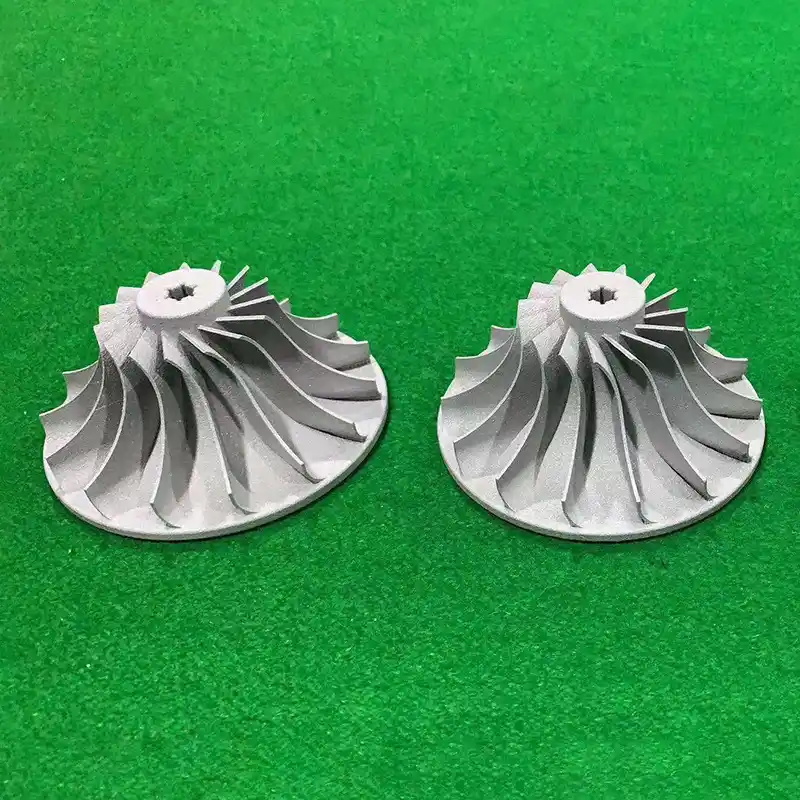
A 3D-printed sample can look like a finished component, but its material may be very different from the material used in production. The choice depends on what the sample needs to prove: appearance, fit, assembly, or performance.
what are 3d prints made of?

Before a 3D printer can produce a sample, it needs a digital model of the part. In manufacturing, this file carries the geometry that engineers want to turn into a physical component.
what are 3d printing files called?