where to get a 3d printer
Where to Get a 3D Printer: A Guide for Hardware and Plastic Mold Prototyping
A 3D printer can help turn a design into a physical sample in a short time. For hardware manufacturers and plastic mold makers, that sample can be useful for checking dimensions, reviewing assembly, and identifying design issues before investing in machining or production tooling.
If you are wondering where to get a 3D printer, the best option depends on how often you need to print, what materials your parts require, and whether you want to operate the equipment yourself or outsource the work.
Where to Get a 3D Printer for Manufacturing Work
There are several ways to access 3D printing. A company developing products regularly may benefit from owning a printer, while a business that only needs occasional samples may find it more practical to use an external service.
Buy from a Specialized 3D Printer Supplier
A specialized supplier can help you compare printer types, build sizes, materials, and maintenance requirements. This is useful when your team plans to produce prototypes regularly or needs control over the sample schedule.
Before purchasing, consider the size of the parts you expect to print, the level of detail required, and the materials you will use. A printer suited to small plastic models may not be appropriate for larger engineering components or metal applications.
Use a 3D Printing Service
If you need only a few samples, an online or local 3D printing service may be a more economical choice. You provide a CAD file or drawing, confirm the material and requirements, and receive the printed part without purchasing equipment.
This option can also give you access to different printing technologies. It is worth asking the service provider about material options, dimensional limits, finishing, and inspection before placing an order.
What to Confirm Before Ordering
Make sure the provider understands the purpose of the sample. A model intended for visual review may have different requirements from a part used to check assembly or perform a functional test.

How 3D Printing Helps Hardware Manufacturers
Check Fit Before CNC Machining
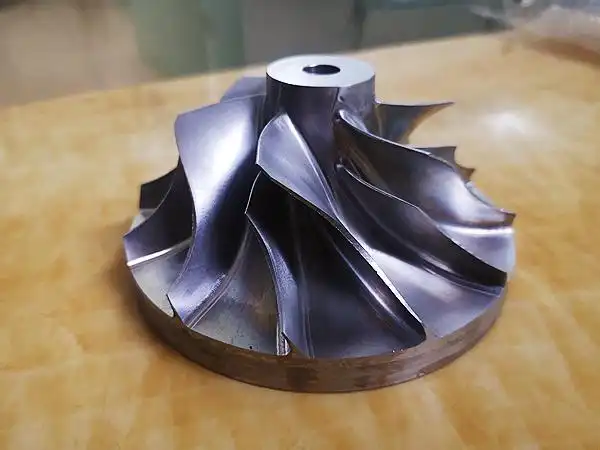
A printed plastic sample can help engineers review mounting holes, clearances, and assembly features before machining a metal component. For example, a team developing a bracket or enclosure can use a printed version to check whether it fits with surrounding parts.
If the design needs adjustment, the CAD model can be updated and another sample produced without changing a machining setup or production tool.
Review Complex Shapes
A physical sample can make curved surfaces, internal features, and hard-to-visualize details easier to assess. It also gives designers, engineers, and customers something concrete to discuss during a design review.
Know the Limits of a Printed Model
A plastic print does not fully represent a finished metal part. Strength, weight, thermal performance, and surface finish may differ from those of a CNC-machined or die-cast component.
When these properties matter, use the printed sample for an early design check and follow it with a prototype made from the intended production material.
Using 3D Printing Before Plastic Mold Production
Injection molding requires investment in mold design and tooling. Printing a sample before the mold is built can help the team review the part and identify changes while the design is still easy to revise.
Check the Plastic Part Design
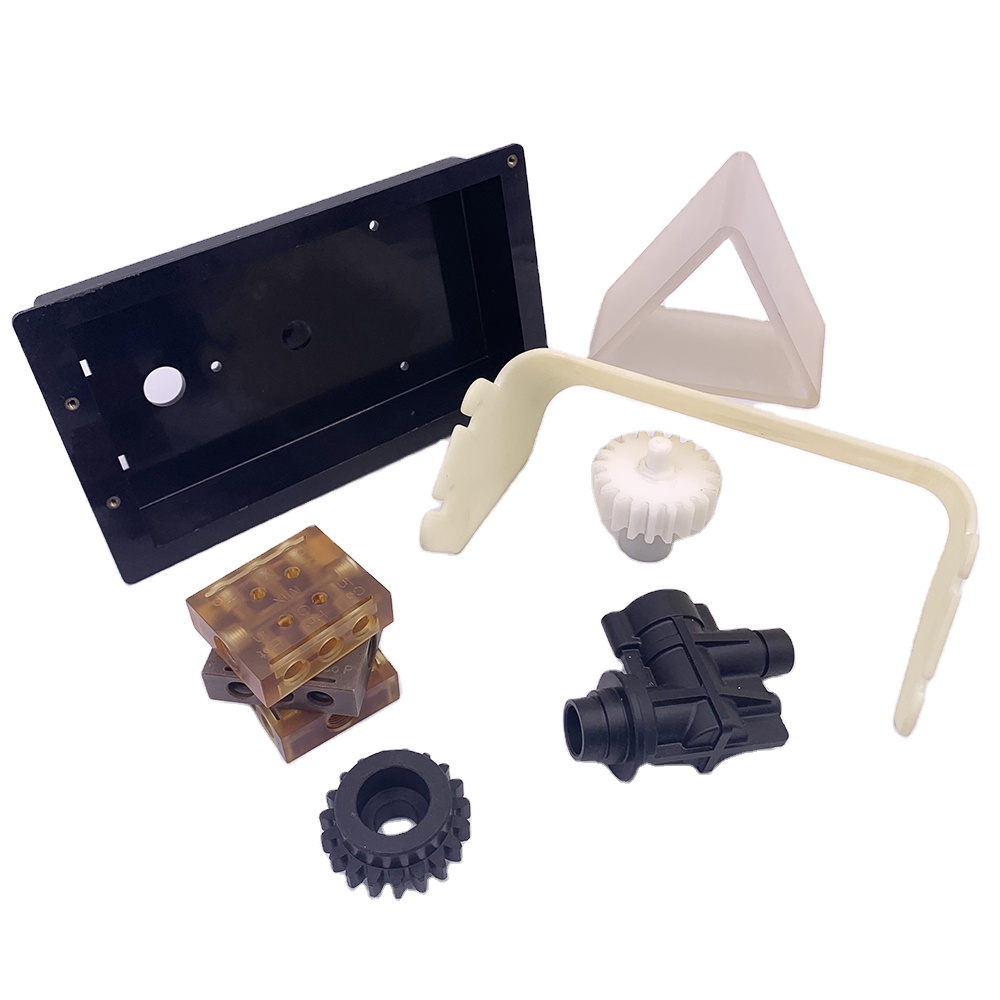
A printed sample can help review the shape, appearance, and assembly features of a housing, cover, connector, or plastic bracket. It can also help confirm that the design is ready for a mold review.
Evaluate Assembly Features
Printed parts can be assembled with nearby components to check clearances, screw positions, and general alignment. These checks are useful, but they do not replace validation with the intended production material.
Move to Injection Molding When the Design Is Stable
3D printing is suitable for early samples and design reviews. Once the design is finalized and the project requires repeatable parts in production quantities, injection molding is generally the more appropriate process.
What to Consider When Choosing a Printer or Service
Part Size and Detail
Check whether the printer’s build volume can accommodate your part and whether it can reproduce the details that matter to your design.
Material and Intended Use
Choose a material based on the sample’s purpose. A model for visual review may need different properties from a prototype used for assembly or functional testing.
Lead Time and Support
Ask about production time, finishing options, and how the provider handles files that need adjustment. Clear communication can prevent delays and reduce the chance of receiving a sample that does not meet the intended purpose.
A Practical Sample Workflow
- Prepare the CAD model or drawing.
- Explain what the sample needs to verify.
- Confirm the printing process, material, and key dimensions.
- Review the sample and record any design changes.
- Move to CNC machining, mold development, or another production process when ready.
Final Thoughts: Where to Get a 3D Printer
The right place to get a 3D printer depends on your project and how often you need prototypes. Buying equipment can make sense for teams that print frequently, while a 3D printing service is often a practical choice for occasional samples or access to different processes.
For hardware manufacturing and plastic mold development, rapid 3D printing helps teams review designs before committing to machining or tooling. The most useful sample is not simply one that looks right—it is one that answers a clear engineering question and helps the project move forward.
what all can you make with a 3d printer
where to sell 3d printer?
Related Article