what all can you make with a 3d printer
What All Can You Make with a 3D Printer? Practical Uses in Hardware and Plastic Mold Manufacturing
A 3D printer can make far more than display models and decorative objects. In manufacturing, it can produce sample parts that help engineers check a design before investing in CNC machining, die casting, or injection mold tooling.
So, what all can you make with a 3D printer for hardware and plastic product development? The answer includes prototype housings, brackets, assembly aids, visual samples, and many other parts used to test an idea before production.
What Can You Make with a 3D Printer for Hardware Manufacturing?
3D printing is useful when a team needs a physical part quickly to review its shape, fit, or assembly. A printed sample can help identify design issues before a metal component is machined or cast.
Prototype Brackets, Housings, and Covers
A 3D printer can produce sample brackets, equipment housings, covers, mounting features, and other components with complex shapes. Engineers can use these samples to check dimensions, screw positions, and clearance between parts.
For example, a manufacturer developing a metal enclosure can print a plastic version first. The sample helps confirm whether the enclosure fits with surrounding components and whether the assembly can be completed as intended.
Models for Design Review
A printed part gives designers, engineers, and customers a physical object to inspect. This is especially helpful when a design includes curved surfaces, unusual proportions, or details that are difficult to judge from a screen.
Use Samples to Improve the Design
If a feature is misplaced or difficult to assemble, the CAD model can be revised and a new sample printed. This makes design changes easier to evaluate before production begins.
A printed plastic model does not fully represent a finished metal component. It cannot confirm the final part’s strength, weight, thermal performance, or surface finish. When these properties matter, a prototype made from the intended production material may still be required.
What Can You Make with a 3D Printer Before Plastic Mold Production?
Injection molding involves mold design, tooling, and production trials. Printing a sample before building the mold gives the team a chance to review the part and catch problems while the design is still easy to change.
Plastic Housings and Product Components
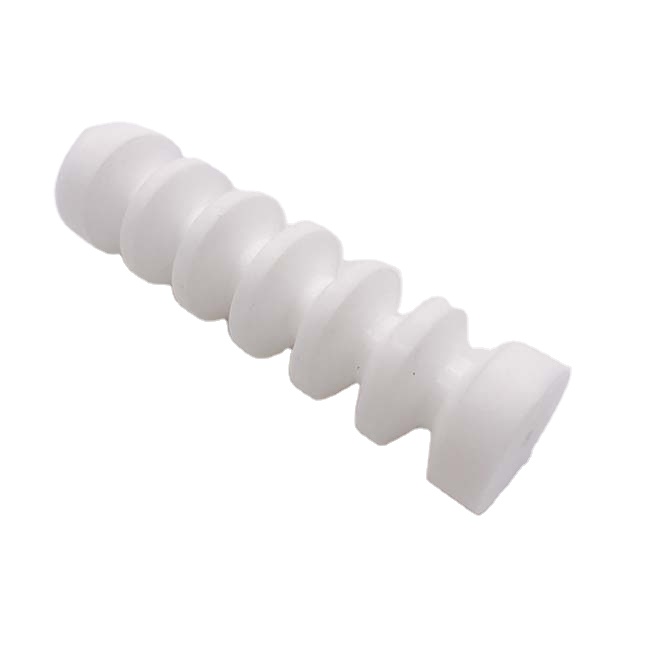
A 3D printer can make early samples of plastic housings, machine covers, appliance components, connectors, and brackets. These samples help confirm the overall shape, appearance, and assembly features.
Parts for Fit and Assembly Checks
Printed parts can be assembled with nearby components to check alignment, mounting points, and general clearance. This is useful when a plastic component connects to metal hardware or forms part of a larger product.
Understand the Difference Between Printed and Molded Parts
A printed sample may differ from an injection-molded part in material properties, surface texture, strength, and dimensional stability. It is valuable for design review, but it does not replace mold trials or validation with the intended production material.
Move to Injection Molding When Ready
3D printing is well suited to early samples and design revisions. Once the design is stable and the project needs repeatable parts in production quantities, injection molding is usually the more appropriate process.
Other Useful Items You Can Make with a 3D Printer
Jigs, Fixtures, and Assembly Aids
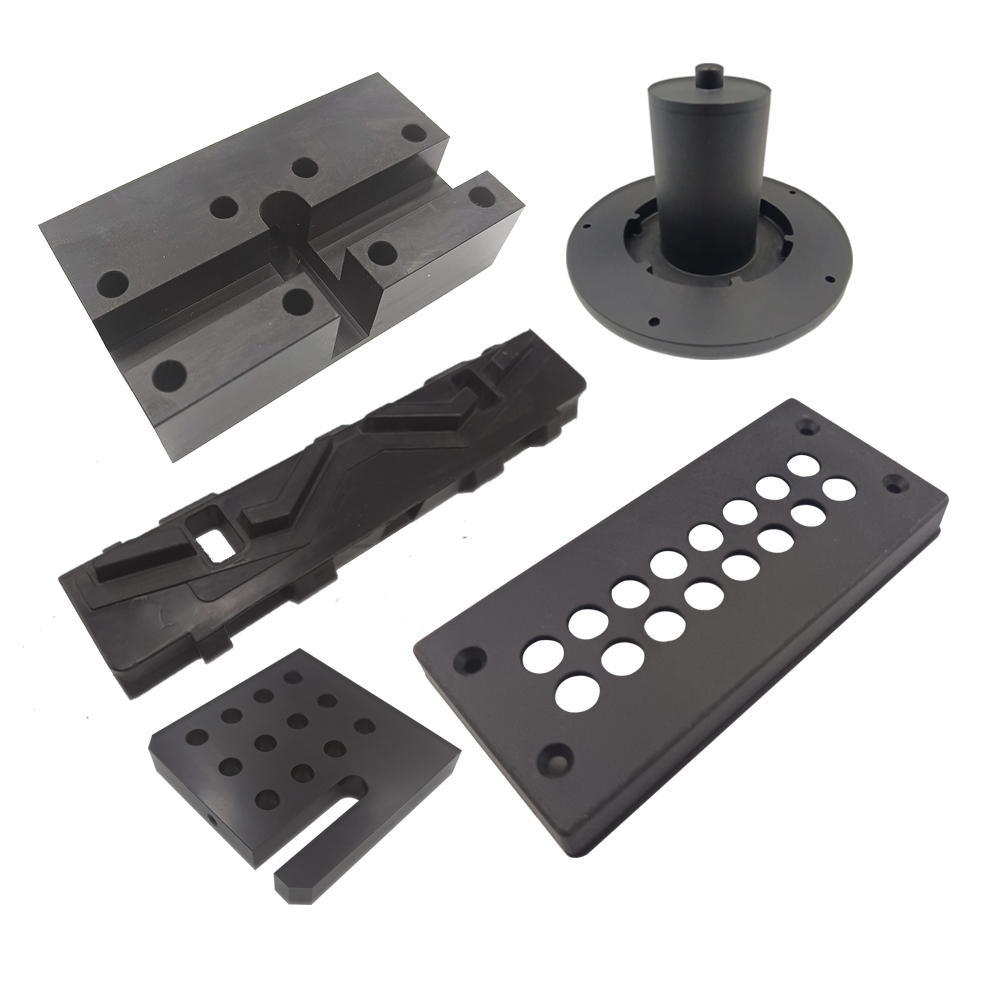
A printer can produce simple positioning aids, temporary fixtures, protective covers, and checking tools. These items can support trial assembly or inspection before a dedicated fixture is machined.
For low-volume or temporary use, printing may be faster than making a tool from metal. The material still needs to be suitable for the task and the forces involved.
Visual Samples for Customer Presentations
A physical model can help customers understand a product’s size, proportions, and appearance. This is useful for customized housings, brackets, and components that are difficult to evaluate from drawings alone.
Replacement or Low-Volume Components
Depending on the material, design, and required performance, 3D printing may also be suitable for certain low-volume or non-critical components. It is important to confirm that the printed part can safely perform its intended function before using it in service.

Choose the Process Based on the Part’s Purpose
A printed sample is often the right choice for checking geometry or appearance. CNC machining may be needed to test a metal part’s material and precision, while injection molding is better suited to repeatable plastic production.
A Simple Prototype Workflow
- Prepare the CAD model or drawing.
- Decide what the sample needs to verify.
- Choose a suitable printing process and material.
- Review the sample for fit, assembly, and design details.
- Revise the design or move to machining, mold development, or another production process.
Final Thoughts: What All Can You Make with a 3D Printer?
For hardware manufacturers and plastic mold makers, a 3D printer can produce much more than a finished-looking model. It can make prototype components, assembly aids, and samples that help teams review designs before committing to machining or tooling.
The best use of a printed part is to answer a specific question: Does the component fit? Can it be assembled? Is the design ready for the next stage? When used this way, rapid prototyping helps manufacturers identify issues earlier and move from concept to production with greater confidence.
where to get a 3d printer
Related Article