what are 3d prints made of?
What Are 3D Prints Made Of? Materials for Hardware and Plastic Mold Prototypes
A 3D-printed sample can look like a finished component, but its material may be very different from the material used in production. The choice depends on what the sample needs to prove: appearance, fit, assembly, or performance.
So, what are 3D prints made of? They can be made from plastics, resins, metals, and other materials. For hardware manufacturers and plastic mold makers, understanding these options helps determine whether a printed sample is suitable for design review or whether a different prototype process is needed.
What Are 3D Prints Made Of?
Most common 3D printing materials fall into three groups: thermoplastics, photopolymer resins, and metals. Each group offers different properties and works with different printing technologies.
Thermoplastics
Thermoplastics are widely used in 3D printing because they can be shaped through heat. Common examples include PLA, ABS, PETG, and nylon.
PLA is often used for visual models and basic fit checks. ABS and PETG may be selected when a sample needs more durability, while nylon can be useful for parts that require toughness or some flexibility.
These materials are suitable for many early hardware prototypes, such as brackets, covers, housings, and assembly samples. The right choice depends on the part’s size, geometry, and intended use.
Photopolymer Resins
Resin-based printers use light to cure liquid photopolymer into solid layers. These materials can produce fine details and smooth surfaces, making them useful for appearance models and small components.
Some resins are designed for greater toughness or heat resistance, but their properties vary. A resin sample should be chosen based on the requirements of the project rather than appearance alone.
Metal Materials
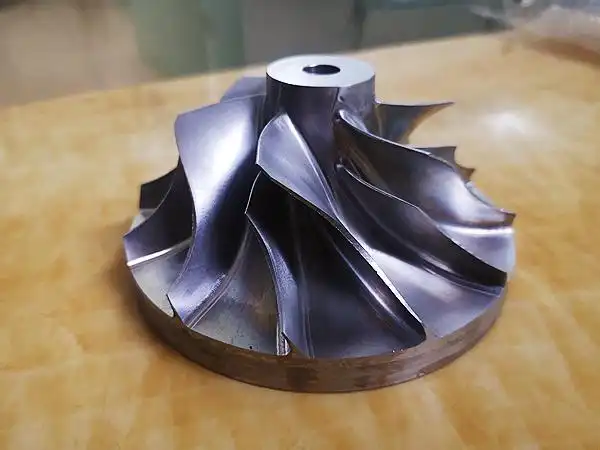
Industrial 3D printing can also produce parts from metals such as stainless steel, aluminum alloys, titanium, and certain tool steels. Metal printing is used for specialized applications where complex geometry or part consolidation may be valuable.
However, metal 3D printing is different from printing a plastic sample on a desktop machine. It requires specialized equipment, process controls, and often post-processing.
Choose the Material Based on the Test
A sample for visual review may not need the same material as a prototype used for assembly or functional testing. Before selecting a material, define what the sample needs to demonstrate.
Materials for Hardware Manufacturing Prototypes
Plastic Samples Before CNC Machining
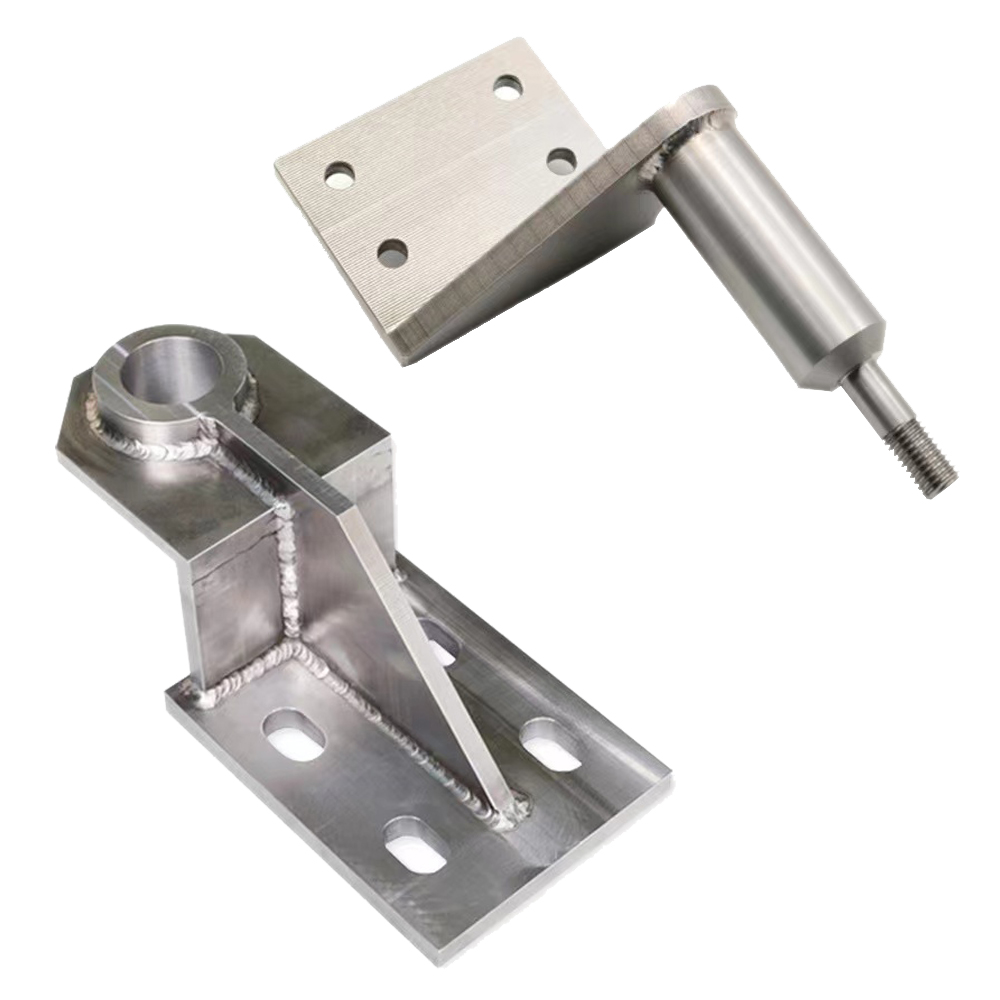
A plastic print can help engineers check a metal part’s shape, mounting positions, and clearance before machining begins. For example, a printed enclosure or bracket can be assembled with nearby components to identify design issues.
This can reduce unnecessary machining changes, especially when the design is still being revised.
When a Metal Prototype Is Necessary
A plastic print cannot fully represent a metal component’s strength, weight, thermal behavior, or surface finish. If these properties affect the test, a prototype made from the intended metal may be required.
CNC machining is often a practical option for testing metal parts with critical dimensions or material requirements. Metal additive manufacturing may also be appropriate for certain complex designs, depending on the application and budget.
Use 3D Printing and Machining Together
3D printing is useful for early design checks, while CNC machining can provide a more representative metal prototype. Using both methods at different stages can help a team learn more before committing to production.

Materials for Plastic Mold Development
Printed Samples Before Injection Molding
A 3D-printed plastic sample can help review the shape, appearance, and assembly features of a proposed molded part. This is useful for housings, covers, connectors, and other components that need to fit with metal hardware.
The sample can be produced before mold tooling begins, giving the team a chance to revise the design while changes are still relatively straightforward.
Why Printed and Molded Plastics May Behave Differently
A printed part and an injection-molded part may use similar base polymers, but the manufacturing process can affect their properties. Layer direction, surface texture, internal structure, and process conditions can influence strength and dimensional stability.
A printed sample is therefore useful for early design review, but it does not replace testing with the intended production material.
When to Move from Printing to Injection Molding
Once the design is stable and the project requires repeatable parts in production quantities, injection molding is usually the appropriate next step. Mold trials and validation confirm how the part performs under the intended production process.

How to Choose a Material for a 3D-Printed Sample
Consider the Purpose
For appearance and basic fit checks, a standard plastic or resin may be sufficient. For functional testing, consider strength, flexibility, heat exposure, and the environment in which the part will be used.
Check the Required Accuracy
A printed sample may not reproduce every dimension exactly. If a feature has a tight tolerance, identify it in the drawing and confirm whether the chosen process can meet the requirement.
Discuss the Application with the Supplier
Provide the CAD file, drawing, quantity, and intended use. A supplier can then recommend a suitable material and printing process, or explain when CNC machining or another method would be more appropriate.
A Practical Material-Selection Checklist
- What does the sample need to verify?
- Does it need to be flexible, tough, or heat resistant?
- Are any dimensions or surfaces critical?
- Will the sample be assembled with other components?
- Is the next step machining, mold development, or production?
Final Thoughts: What Are 3D Prints Made Of?
3D prints can be made from thermoplastics, photopolymer resins, metals, and other materials. The right choice depends on the part’s design and the purpose of the sample.
For hardware manufacturers, plastic prints can help check shape and assembly before CNC machining or die casting. For plastic mold makers, printed samples can support design reviews before tooling begins. When the prototype needs to represent the final material or production process, additional machining, mold trials, or testing may be necessary.
A useful sample is not simply one made from the most advanced material. It is one that answers the right design question and helps the project move forward.
what are 3d printing files called?
Related Article