What 3D Printers Can Do for Mold and Hardware Rapid Sampling
Author: SZTC
2026-08-05


Samuel Song Your service representative
Specializing in zinc-aluminum-magnesium alloy die-casting processing, CNC milling, CNC turning, 3D printing, injection molding and sheet metal processing. Manufacturing services.
-----------------------------------------------------------------------------------------------------------------------------------------------------------------------------------------------------------------------------------------------------------------------------------------------------------------------------------------------
In modern plastic mold and hardware processing industries, traditional CNC machining and temporary mold opening are time-consuming and costly. Factory engineers often explore what 3D printers can do to optimize rapid sampling workflows. With continuous technological upgrades, 3D printers have become powerful tools to accelerate prototype verification, reduce costs and support customized industrial manufacturing.

1. Produce High-Precision Industrial Prototypes
The most practical answer to what 3D printers can do for manufacturing is delivering accurate industrial prototypes.
1.1 Plastic Mold Appearance and Structural Samples
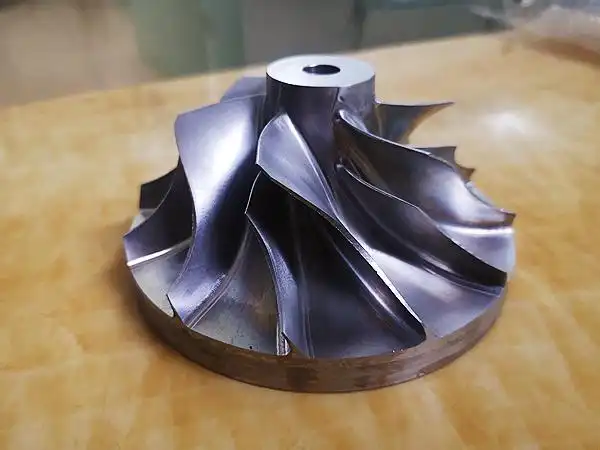
3D printers can rapidly print detailed plastic mold prototypes, including complex cavities, thin-wall structures and intricate groove designs. These samples allow designers to check structural rationality, correct design flaws early, and avoid expensive modifications after formal mold production.
1.2 Custom Hardware Jig Printing
3D printing devices can produce customized hardware fixtures, positioning jigs and assembly accessories. These tailor-made parts perfectly fit workshop testing demands, solving the problem of insufficient standard tooling for special-shaped hardware components.

2. Support Functional and Low-Volume Production
Beyond simple appearance printing, what 3D printers can do covers practical functional manufacturing.
2.1 High-Strength Functional Part Fabrication
Equipped with engineering resin, carbon fiber filament and metal printing modules, 3D printers can manufacture load-bearing and wear-resistant parts. These printed samples can withstand real assembly tests and mechanical detection, meeting industrial functional standards.
2.2 Small-Batch Rapid Trial Production
For new mold products and customized hardware parts, 3D printers support small-batch trial production. It eliminates the need for early-stage mold opening, greatly shortening the preparation cycle for new product launch.

3. Optimize Factory R&D and Cost Control
Understanding what 3D printers can do helps factories achieve efficient and low-cost operation.
3.1 Shorten Product Iteration Cycles
3D printers can complete sample production within several hours, compared with days of traditional processing. Fast printing supports repeated design adjustments and rapid iteration for mold and hardware projects.
3.2 Reduce Manufacturing Waste and Cost
As an additive manufacturing method, 3D printing produces minimal material waste. It effectively cuts sampling costs, lowers rework rates, and improves the overall economic efficiency of mold and hardware processing enterprises.
To conclude, knowing what 3D printers can do allows manufacturers to maximize the value of additive manufacturing. It provides fast, flexible and cost-effective rapid sampling solutions for the plastic mold and hardware industries.
What Are 3D Printing Technologies for Mold and Hardware Sampling
What 3D Printers Are Made in the USA for Industrial Rapid Sampling
Related Article
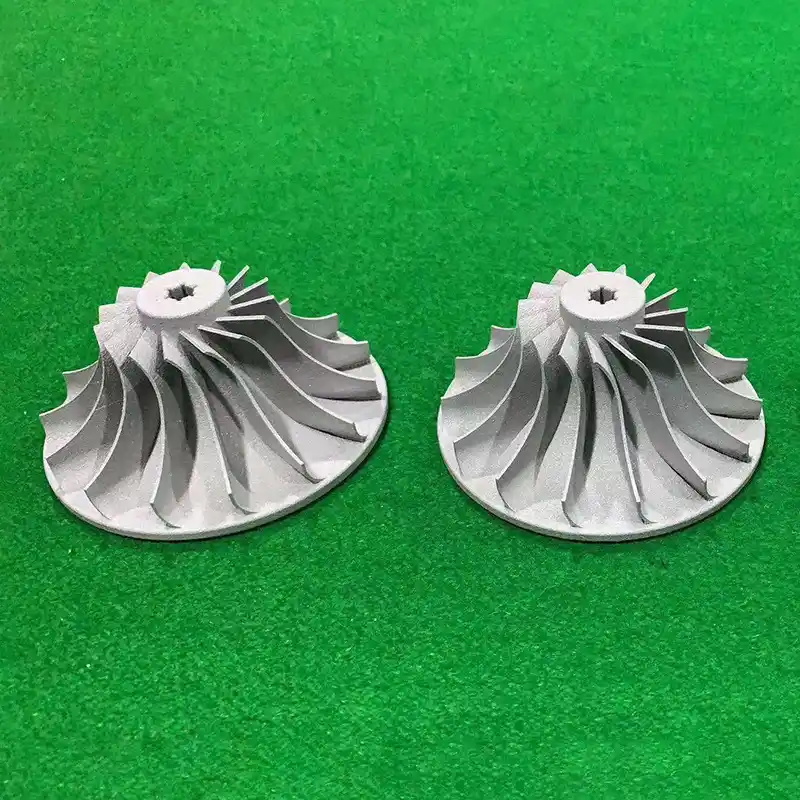
A 3D-printed sample can look like a finished component, but its material may be very different from the material used in production. The choice depends on what the sample needs to prove: appearance, fit, assembly, or performance.
what are 3d prints made of?

Before a 3D printer can produce a sample, it needs a digital model of the part. In manufacturing, this file carries the geometry that engineers want to turn into a physical component.
what are 3d printing files called?