
Why Is The First Article Inspection So Important?
Author: SZTC
2024-11-07
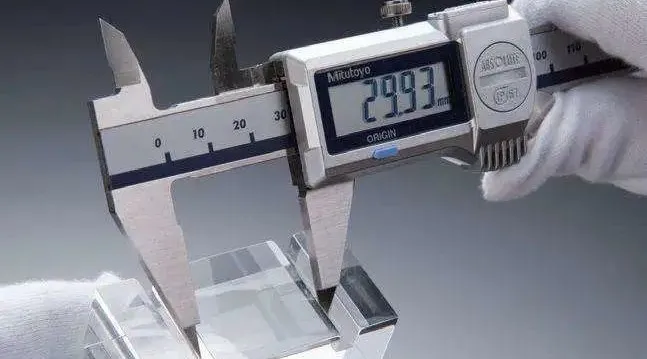
In the design and production process of any product, there are often design changes, process changes, process adjustments, unplanned line stops, production changes, and line changes. So, how to ensure that these activities will not affect the subsequent production quality? This requires first-article inspection in the operation preparation verification and post-production verification stages.
Definition of first article and first article inspection Process change During the production process, any one or more production factors in 5M1E (people, machines, materials, methods, environment, and measurement) change, such as personnel changes, equipment adjustments and repairs, material and fixture changes, design changes, line stops, etc. First article The first or first few products processed on the production line at the beginning of each shift/production line or after the process changes. For mass production, "first article" often refers to a certain number of samples. First article inspection Inspection of the first or first few products processed on the production line at the beginning of each shift or after the process changes. The number of inspections can be set according to the requirements of different companies or customers. Generally speaking, at least 3-5 products produced continuously need to be inspected, and only after they are qualified can the subsequent products be processed. Before any changes in equipment or manufacturing processes, and before each work shift begins processing, the first piece inspection must be strictly carried out. The purpose of the first piece inspection The first piece inspection in the production process is mainly to prevent batch out-of-tolerance, rework, and scrapping of products. It is a means of pre-controlling the product production process, an important method of product process quality control, and an effective and indispensable method for enterprises to ensure product quality and improve economic benefits. The first piece inspection is to discover the factors that affect product quality in the production process as early as possible and prevent batch defects or scrapping. Only after the first piece inspection is qualified can formal production begin, mainly to prevent the occurrence of batch defective products. Long-term practical experience has proved that the first inspection system is an effective measure to discover problems as early as possible and prevent batch scrapping of products. Through the first piece inspection, it can be found that there are systemic reasons such as severe wear of fixtures or installation positioning errors, deterioration of measuring instrument accuracy, misreading of drawings, feeding or formula errors, so as to take corrective or improvement measures to prevent batch defective products. Timing/Occasion for first article inspectionReplacement of operators at the beginning of each work shiftReplacement or adjustment of equipment and process equipment (including tool replacement or sharpening)Changes in technical conditions, process methods and process parameters (such as changes in roughness requirements, changes in internal reaming to boring, changes in tool feed or speed in the CNC program, etc.)Using new materials or material substitutions (such as material changes during processing, etc.)Replacement or re-testing of tank liquids (such as phosphating, nitriding, etc.)Requirements for first article inspectionThe first article inspection adopts a three-inspection system: self-inspection, mutual inspection and special inspection: The products submitted for inspection must first be "self-inspected" by the operator, then "mutually inspected" by the team leader or colleagues, and finally "specially inspected" by the inspector. Only after they are determined to be qualified can the subsequent products be processed. Whether the first piece is qualified after the first piece inspection should be finally recognized by the full-time inspection personnel. The inspector should mark the qualified first piece of product with the specified mark and keep it until the processing of this class or a batch of products is completed (all first pieces of products must be kept for comparison with subsequent products to see if the process has changed, and marked with a marker "√" to indicate that it has passed the first piece inspection). If the first piece inspection fails, the cause must be found out, measures must be taken, and the fault must be eliminated before reprocessing and three inspections can be carried out. It can only be determined as the first piece after it passes. The main items of the first piece inspection are whether the drawing number and the work order are consistent. Whether the materials, blanks or semi-finished products are consistent with the work task order. Whether the surface treatment and installation positioning of the materials and blanks are consistent. Whether the formula and ingredients meet the specified requirements. Whether the actual quality characteristics of the first piece of product after processing meet the requirements specified in the drawings or technical documents. The subject content and scope of application of the first piece inspection specification process This document stipulates the requirements and work procedures for the first piece inspection and the first piece inspection of the batch of new products in the production process of the company. This regulation applies to the control of the first piece inspection and the first piece inspection of the batch of new products in the production process of the company. Responsibilities The production department is responsible for organizing and arranging the first-article inspection. If a product is produced without first-article inspection of a new product or first-article inspection of a batch, or if the first-article inspection fails, the person directly responsible shall be held responsible for any quality accidents caused thereby. The inspector and the person in charge of the production line shall be responsible for the correctness of the first-article inspection.
If the inspector begins to issue quality certificates before the first-article confirmation work is completed, the inspector shall be held responsible for any quality accidents caused. Control requirements The first completed semi-finished product and finished product of the first continuous production of the production department must undergo first-article inspection and confirmation. For conventional production products, first-article inspection shall be carried out by batch. If the shutdown is caused by equipment, process, etc., the first-article inspection and confirmation shall be carried out when the machine is restarted after the shutdown. The first-article inspection and confirmation shall be carried out when the product material and specifications are changed and put into production. During the first inspection of new products, the production unit shall be responsible for notifying the relevant inspection personnel, and the inspection shall be carried out according to the currently valid drawings, lists (or samples provided by customers), and process documents. The inspector shall fill in the inspection record, sign on the first piece card after the inspection is qualified, and hang the card on the first product to mark it as the first piece; if the first piece inspection fails, it shall be returned immediately, the first piece shall be redone, and records shall be kept. Products that have not passed the first piece inspection shall not be accepted. As a sample of mass production, the first piece shall be retained by the production department until the whole batch production is completed before it can be finally delivered. During the first piece inspection, all raw and auxiliary materials used in the product production process shall be checked and must comply with the regulations. Working procedures During the first piece production process, the person in charge of the production line and the inspection personnel shall go to the production site to supervise and inspect the actual producer to complete the first piece according to the production process and the currently valid production process documents, and supervise and inspect each production process, and correct and solve problems in a timely manner. The first piece production of conventional production products and products that have been shut down and restarted must complete all production processes, and after the producer has passed the inspection and signed on the first piece card, it will be handed over to the inspection personnel for the first piece inspection. During the first piece inspection, the inspector shall, together with the person in charge of the production line, conduct the inspection according to the currently valid drawings, lists (or samples provided by the customer), process documents, and product requirements. After passing the inspection, the first piece of product shall be marked (such as signing "first piece qualified", etc.), and the producer (or representative) and the inspector shall sign on the first piece card. For the first piece inspection required due to major changes in the product, the relevant personnel and the inspection signatures can be approved; if the first piece inspection fails, it shall be returned immediately and the first piece shall be redone. The first batch production of new products and the semi-finished products and finished products generated after the materials and specifications are changed need to be inspected and confirmed by the first piece. During the first piece inspection, the first piece record should be made in time and the first piece confirmation letter should be filled in. When quality problems are found in the first piece production, they should be reported and handled in time, and the unqualified items should be reconfirmed. Only when the first piece is inspected and the results are recorded on the first piece card, and the inspector approves the quality, can production be organized. Only after the first piece is confirmed, the inspector can start the normal delivery inspection work.
INJECTION MOLD DESIGNERS NEED TO TRULY UNDERSTAND THESE FOUR CONCEPTS
Slope Surface Design Of The Ejector Pin: Fine Craftsmanship In Mold Design
Related Article

Fast sampling is the fastest way to win business in the hardware machining and plastic mold industries. Customers want a working sample in days, and a 3D printer delivers it, but only when you know how to print in 3d correctly.
how to print in 3d

Fast sampling is the fastest way to win business in the hardware machining and plastic mold industries. Customers often send an STL file and expect a working sample in days.
how to print an stl file

