Injection Mold Mechanical Polishing Process
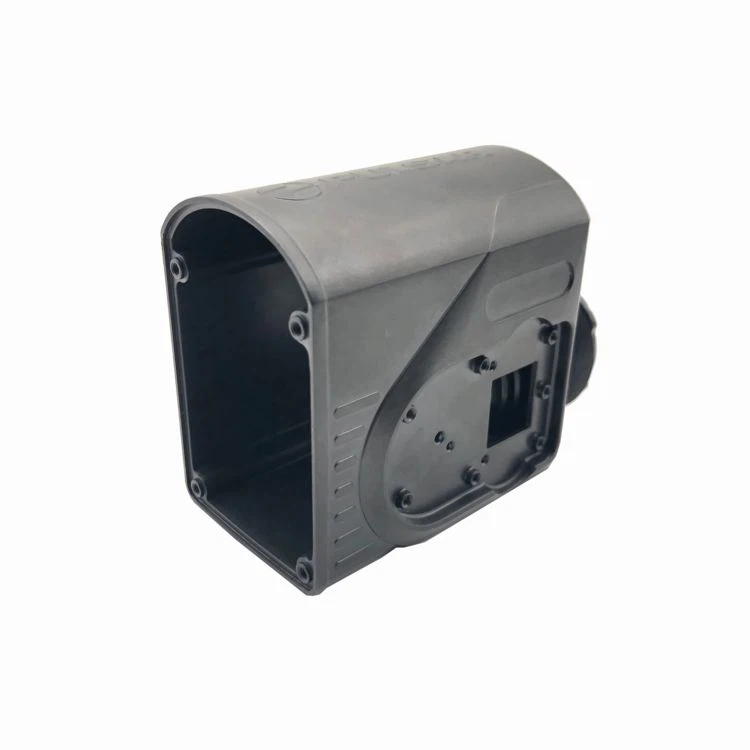
Injection mold mechanical polishing process
Injection mold polishing tools: oilstone, sandpaper, polishing paste, wool wheel, etc. We use these tools to polish the cavity surface of the injection mold to make the working surface of the mold bright as a mirror. This is called polishing. If you want to obtain a high-quality polishing effect, you should generally choose high-quality polishing tools and auxiliary products such as oilstone, sandpaper, and diamond lapping paste. The choice of polishing procedure depends on the surface condition after pre-processing, such as machining, EDM, grinding and so on. The general process of mechanical polishing is as follows:
1. Rough toss
The surface after milling, electric spark, grinding and other processes can be polished by a rotating surface polishing machine or an ultrasonic grinder with a speed of 35 000-40 000 rpm. The commonly used method is to remove the white EDM layer with wheels with diameter Φ3mm and WA # 400. Then there is manual whetstone grinding, and the strips of whetstone are added with kerosene as a lubricant or coolant. The general order of use is #180 ~ #240 ~ #320 ~ #400 ~ #600 ~ #800 ~ #1000. Many mold manufacturers choose to start with #400 in order to save time.
2. Semi-precision throwing
Semi-precision polishing mainly uses sandpaper and kerosene. The number of sandpaper is: #400 ~ #600 ~ #800 ~ #1000 ~ #1200 ~ #1500. In fact, #1500 sandpaper only uses die steel suitable for hardening (above 52HRC), not pre-hardened steel, because it may cause burns on the surface of pre-hardened steel.
Take You To Understand The Structure And Composition Of The Injection Mold in One Minute
Basic Requirements Of Injection Mold
Related Article