
OEM Carbon Steel Parts Fabrication: Processes, Techniques, and Quality Assurance
Author: SZTC
2025-04-25
1. Fundamentals of OEM Carbon Steel Fabrication
OEM (Original Equipment Manufacturer) carbon steel parts fabrication involves transforming raw carbon steel materials (e.g., A36, 1018, 4140) into custom components for diverse industries, from automotive and machinery to construction and energy. Key advantages of carbon steel include cost-effectiveness, machinability, and versatile mechanical properties. However, successful fabrication requires mastering critical processes:
- Material Selection: Match carbon content (low-carbon ≤0.25%, medium-carbon 0.25–0.6%, high-carbon ≥0.6%) to part requirements, such as ductility for forming or hardness for wear resistance.
- Design for Manufacturability (DFM): Collaborate with OEMs to optimize part geometry for efficient production, minimizing complex features that increase costs.
2. Core Fabrication Processes and Techniques
2.1 Cutting and Shaping
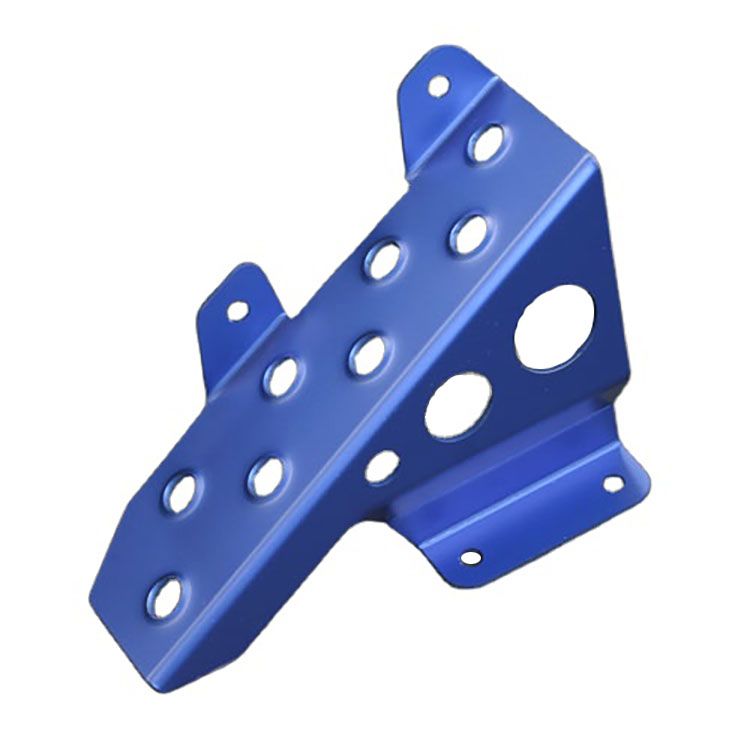
- Laser Cutting: Ideal for precise, intricate shapes in thin-to-medium steel sheets (up to 25mm thickness). Uses high-power lasers to achieve ±0.1mm tolerance and clean edges, suitable for brackets, flanges, and gears.
- Plasma Cutting: More economical for thicker materials (over 25mm), though with slightly lower precision (±0.5mm). Commonly used in structural component fabrication.
- Press Braking: Forms sheet metal into angles or curves using hydraulic presses. Ensure proper bend radius (typically 1–2× material thickness) to avoid cracking.
2.2 Machining Operations
- Turning: Performs cylindrical machining (e.g., shafts, bushings) on lathes. Use carbide inserts for high-speed cutting of medium-carbon steels, with feeds of 0.1–0.3 mm/rev and speeds up to 150 m/min.
- Milling: Creates complex geometries (slots, pockets, threads) on CNC mills. For roughing, use end mills with 30–50% stepover; finish with ≤0.2mm depth of cut for Ra ≤1.6μm surface finish.
- Drilling and Tapping: Use cobalt-coated HSS drills for deep holes (≥3×D) in high-carbon steels, with pecking cycles to clear chips. Tapping speeds should be 5–10 m/min, paired with sulfur-based cutting fluids.
2.3 Joining and Surface Treatment
- Welding:
-
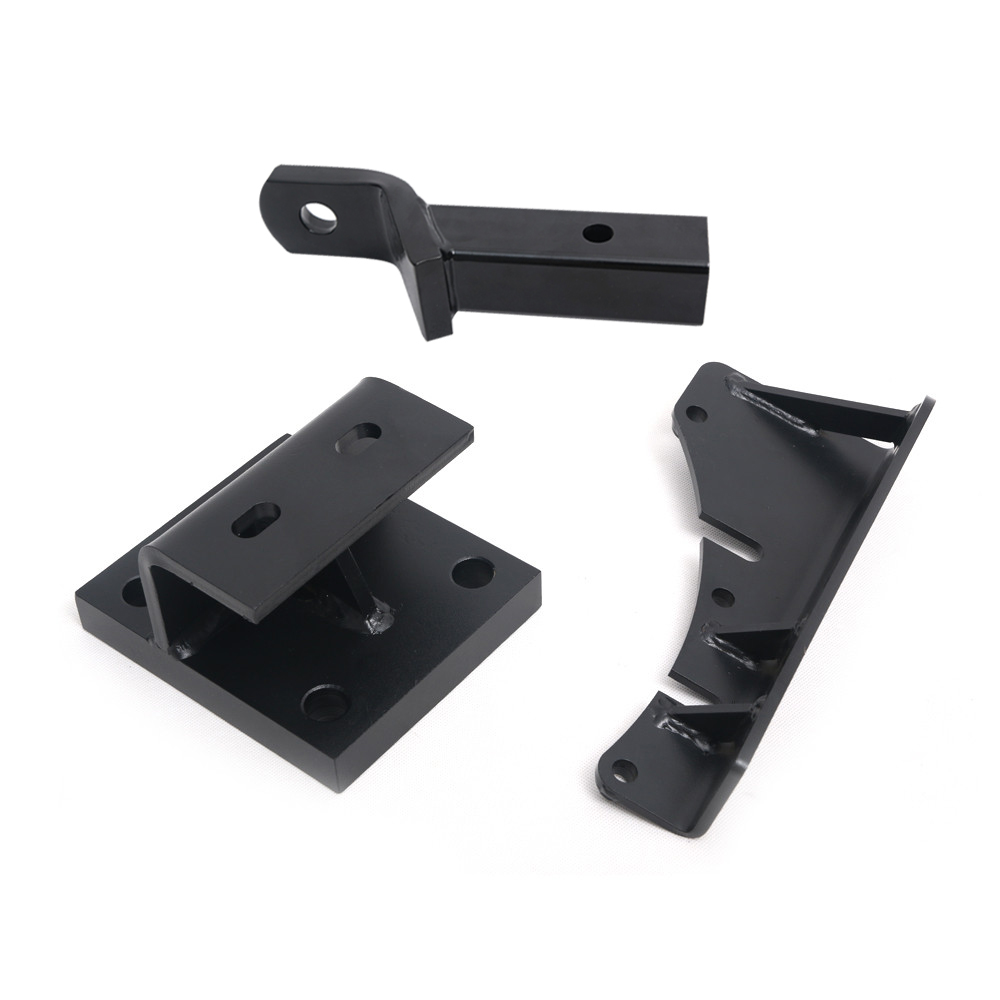
- MIG/TIG Welding: Suitable for low-carbon steel; use ER70S-6 filler wire for MIG and argon shielding for TIG to prevent oxidation.
-
- Stick Welding: Preferred for on-site repairs or thick sections (≥10mm), though requiring more post-weld grinding.
- Surface Finishing:
-
- Shot Blasting: Removes scale and rust, preparing surfaces for painting or plating.
-
- Zinc Plating (Electroplating): Provides corrosion resistance (5–15μm thickness) for outdoor or exposed components.
-
- Powder Coating: Offers durable, colorful finishes with 60–100μm film thickness.
3. Quality Assurance and OEM Collaboration
3.1 Inspection and Testing
- Dimensional Checks: Use CMM (Coordinate Measuring Machines) for critical tolerances (±0.02mm) and handheld calipers for routine measurements.
- Non-Destructive Testing (NDT):
-
- Ultrasonic Testing (UT): Detects internal flaws in welds or thick sections.
-
- Magnetic Particle Inspection (MPI): Identifies surface/subsurface cracks in ferromagnetic materials.
- Material Certification: Ensure compliance with ASTM, ISO, or industry-specific standards (e.g., AISI 1045 for shafts).
3.2 Collaborative OEM Workflow
- Prototype Development: Create low-volume samples using 3D printing (e.g., FDM for plastic prototypes) or rapid tooling to validate design before full production.
- Production Scalability: Optimize workflows for batch production, balancing automated processes (e.g., CNC machining) with manual operations for cost efficiency.
- Supply Chain Management: Source raw materials from certified suppliers to ensure consistent quality, especially for large-scale orders.
3.3 Sustainability and Cost Efficiency
- Waste Reduction: Adopt nesting strategies in laser/plasma cutting to maximize material yield (≥85%).
- Energy-Efficient Equipment: Use servo-driven CNC machines that reduce power consumption by 30–50% compared to traditional models.
- Just-In-Time (JIT) Production: Minimize inventory costs by aligning fabrication schedules with OEM demand forecasts.
OEM carbon steel parts fabrication demands a balance of technical expertise, precision processes, and collaborative planning. By leveraging advanced cutting technologies, optimizing machining parameters, and implementing rigorous quality control, manufacturers can deliver high-performance components that meet OEM specifications while ensuring cost-effectiveness and scalability. As industry trends shift toward smarter manufacturing (e.g., IoT-integrated machines), the future of carbon steel fabrication lies in automation, sustainability, and real-time process optimization.
How to Remove a Plastic Engine Cover: Step-by-Step Guide and Tips
How to Machine Titanium: Key Techniques and Best Practices
Related Article

Fast sampling is the fastest way to win business in the hardware machining and plastic mold industries. Customers want a working sample in days, and a 3D printer delivers it, but only when you know how to print in 3d correctly.
how to print in 3d

Fast sampling is the fastest way to win business in the hardware machining and plastic mold industries. Customers often send an STL file and expect a working sample in days.
how to print an stl file

