
Why Was 3D Printing Developed for Mold and Hardware Rapid Sampling
Author: SZTC
2026-08-27


Samuel Song Your service representative
Specializing in zinc-aluminum-magnesium alloy die-casting processing, CNC milling, CNC turning, 3D printing, injection molding and sheet metal processing. Manufacturing services.
-----------------------------------------------------------------------------------------------------------------------------------------------------------------------------------------------------------------------------------------------------------------------------------------------------------------------------------------------
Plastic mold and hardware processing industries rely heavily on efficient prototyping to accelerate product iteration. Many industry professionals explore technological origins and constantly ask why was 3D printing developed. Born to solve traditional manufacturing pain points, 3D printing was invented to reshape rapid sampling, lower R&D risks and optimize industrial production workflows.

1. To Solve Traditional Prototyping Limitations
The core industrial demand answers why was 3D printing developed, aiming to fix the flaws of conventional machining.
1.1 Eliminate Long Mold Development Cycles
Traditional plastic mold production requires complex cutting, grinding and assembly processes, which takes days or weeks for a single sample. 3D printing was developed to skip tedious machining steps, directly converting digital models into physical samples and greatly shortening prototype delivery time for mold design verification.
1.2 Reduce High Trial Production Costs
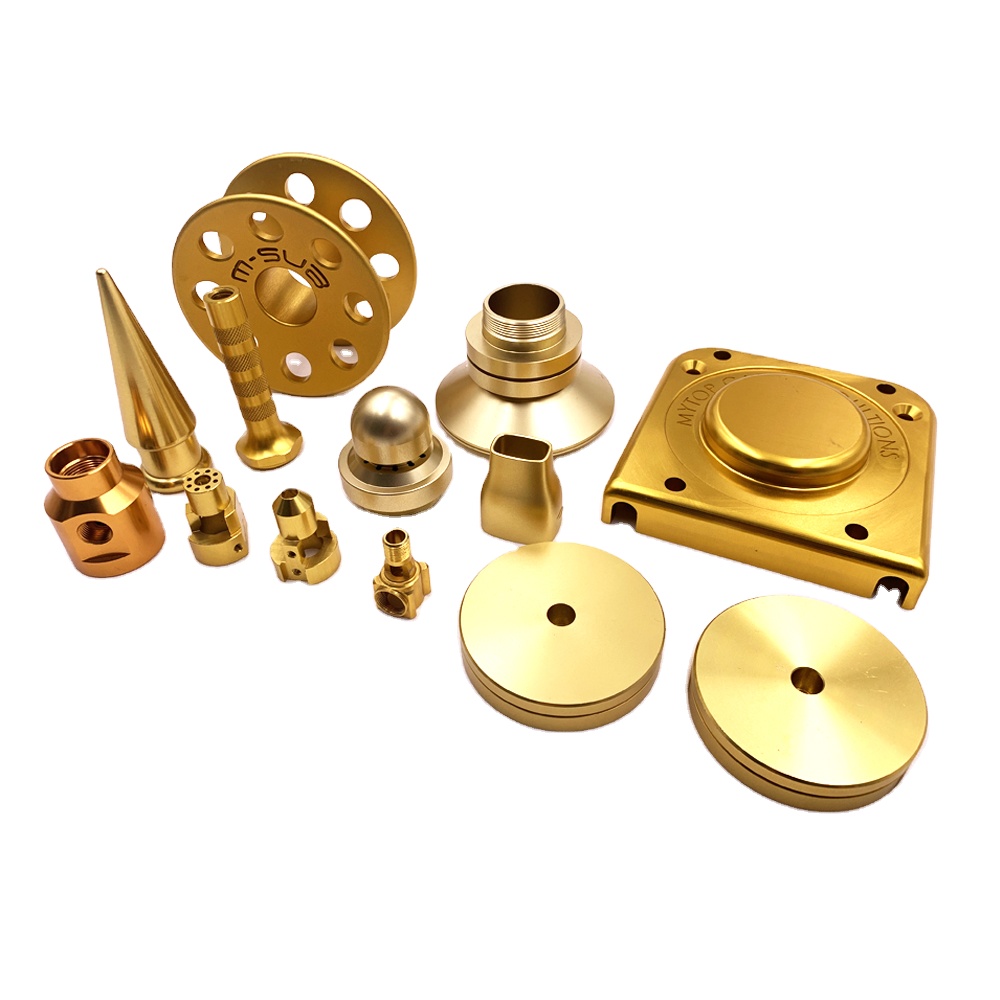
Conventional hardware and mold sampling wastes massive raw materials and labor resources, especially for iterative design tests. 3D printing adopts additive manufacturing logic, using materials precisely. This key advantage explains why was 3D printing developed for cost-effective industrial trial production.
2. To Realize Complex Structural Manufacturing
Another key reason for why was 3D printing developed is to break traditional manufacturing structural constraints.
2.1 Break Machining Technical Barriers
CNC machining struggles with intricate hollow structures, thin-wall mold cavities and special-shaped hardware parts. It often faces tool interference and processing dead angles. 3D printing was developed to freely produce complex geometric parts without extra tooling or fixtures.
2.2 Support Diverse Design Iteration
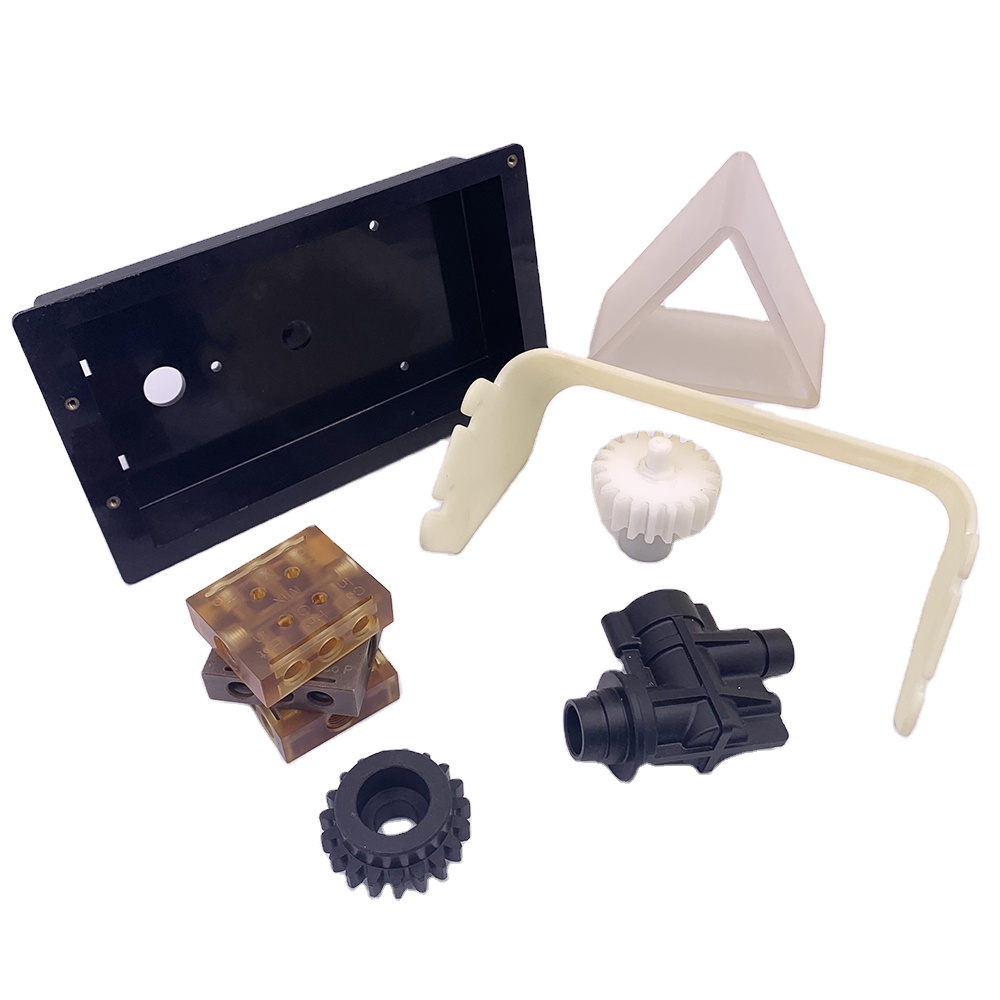
Mold and hardware product upgrading requires frequent structural adjustments. 3D printing enables fast modification of digital files and one-click reprinting, supporting multiple rounds of design iteration and meeting personalized sampling demands.
3. To Promote Industrial Flexible Production
Long-term industrial development demands further clarifies why was 3D printing developed.
3.1 Adapt to Small-Batch Customization
Modern manufacturing gradually shifts from mass production to customized orders. Traditional processes are only suitable for batch production, while 3D printing perfectly adapts to small-batch, high-precision mold and hardware sample customization.
3.2 Improve Market Response Speed
By realizing ultra-fast rapid sampling, 3D printing helps processing enterprises quickly verify product feasibility, launch new products faster and seize market opportunities, bringing strong competitiveness to the mold and hardware industry.
In short, why was 3D printing developed can be summarized as solving traditional manufacturing defects, breaking structural processing limits and realizing flexible industrial production. It has become an indispensable core tool for modern mold and hardware rapid sampling.
Who Invented the First 3D Printer for Industrial Rapid Sampling
Who Made 3D Printing and Reshaped Industrial Rapid Sampling
Related Article
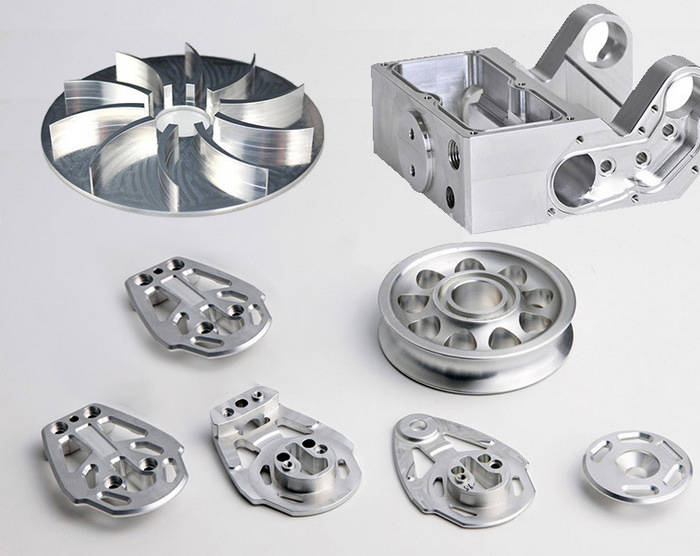
Die casting factories in the Shenzhen and Dongguan manufacturing corridor serve a wide range of sectors, including automotive parts, consumer electronics, communication hardware, pump and valve components, lighting housings and industrial brackets.
shenzhen die casting factory

Are Shenzhen die casting workshop facilities a good choice for your custom metal casting projects? It is a frequent question for purchasing managers, mechanical designers and quality engineers who source high-volume aluminum, zinc and magnesium die cast parts. Shenzhen has developed a complete industrial chain for die casting, mold making, CNC secondary machining and surface finishing.
shenzhen die casting workshop
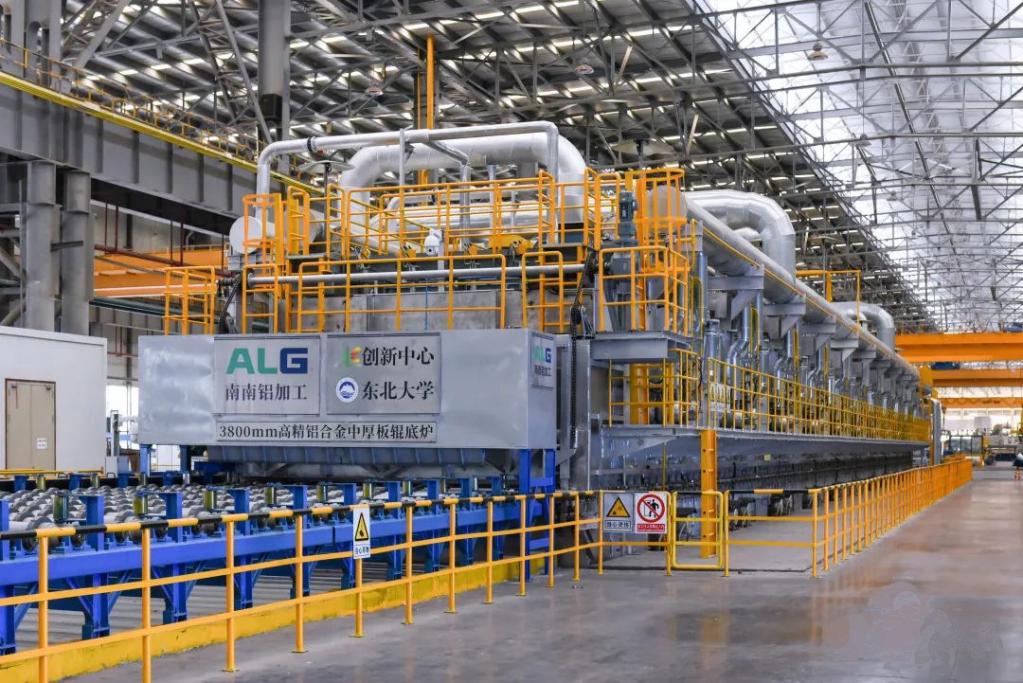
Zinc castings are widely known for great plating performance. Parts can be directly electroplated into nickel, chrome and gold finishes without complicated pre-treatment. Secondary operations such as CNC tapping, drilling, deburring and polishing can be added to meet assembly requirements.
what is zinc die casting

The process is widely used for aluminum, zinc and magnesium alloys. These materials melt at relatively low temperatures compared to steel, making them suitable for repeated injection inside precision steel dies. After casting, parts can go through trimming, deburring, shot blasting, powder coating, anodizing or CNC secondary machining to meet drawing requirements.
what is a die casting