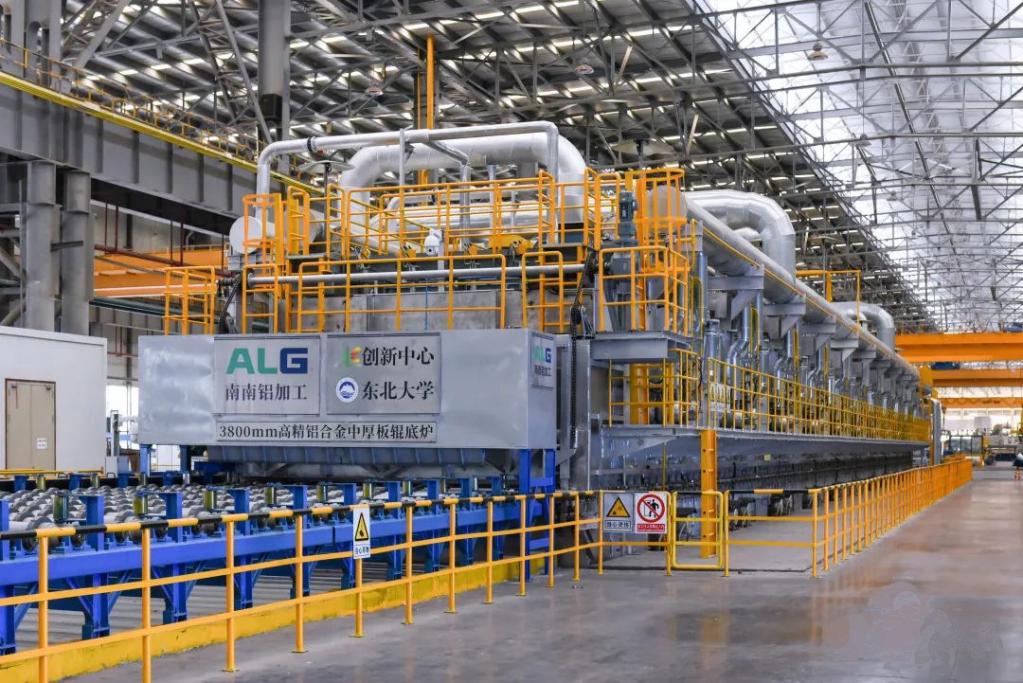
shenzhen die casting factory
Die Casting: What to Expect From a Shenzhen Die Casting Factory
Is a Shenzhen die casting factory a suitable manufacturing partner for your next metal component project? This is a common question for procurement managers, mechanical designers and quality engineers comparing casting, CNC machining and forging options. The short answer: an established die casting factory in Shenzhen can deliver repeatable near-net-shape parts at competitive unit cost, provided the part geometry, production volume and material grade match the die casting process. This guide covers factory equipment, standard workflow, available alloys, defect control, supplier audit checkpoints and practical sourcing advice for industrial buyers.
Die casting factories in the Shenzhen and Dongguan manufacturing corridor serve a wide range of sectors, including automotive parts, consumer electronics, communication hardware, pump and valve components, lighting housings and industrial brackets. The strongest facilities combine in-house mold design, high-pressure die casting machines, secondary CNC machining and controlled surface treatment, so buyers receive finished parts rather than raw cast blanks.
What Is a Shenzhen Die Casting Factory?
A die casting factory is a metal forming workshop that manufactures components by injecting molten non-ferrous alloy under high pressure into precision hardened steel dies. Once the metal solidifies inside the mold cavity, the die opens, ejector pins push out the casting blank, and the part moves to trimming, deburring and optional secondary processing.
Shenzhen factories typically serve export-oriented industrial buyers, with engineering teams able to review 2D drawings and 3D STEP files for DFM feedback on draft angle, wall thickness, rib layout and gate design. Many local factories also provide post-processing services under one roof, reducing the number of suppliers buyers need to coordinate.
Die casting is most economical for medium and high volume production. Upfront steel die tooling cost is amortized across many parts, bringing down the per-unit price after the mold is proven. For very low volume orders, the mold investment rarely pays back, and CNC machining or rapid prototyping is usually the better route.
Core Equipment & Factory Layout
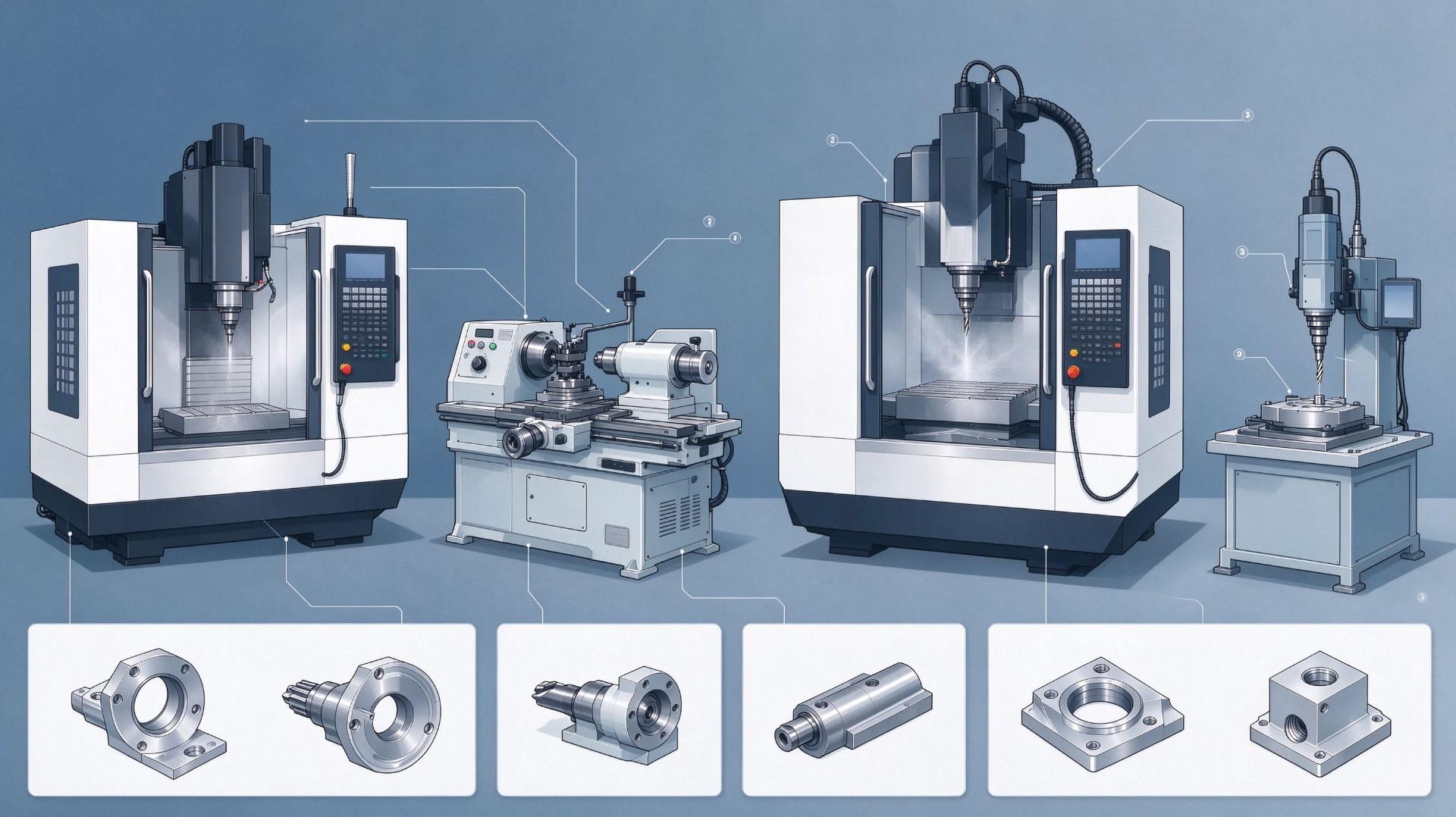
A qualified die casting workshop separates production into dedicated zones to keep workflow efficient and quality consistent. The main equipment areas usually include:
- Alloy melting station: Holding furnaces with constant temperature control for aluminum, zinc or magnesium alloy.
- Die casting machine area: Cold-chamber machines for aluminum and magnesium, hot-chamber machines for zinc, covering different tonnage ranges to match part projected area.
- Mold maintenance station: Die polishing, repair welding, cooling line cleaning and spare component storage.
- Trimming and deburring zone: Trimming presses, vibratory tumblers, shot blasting equipment and manual deburring benches.
- CNC secondary machining cell: Milling, drilling, tapping and boring machines for critical mating faces and precision holes.
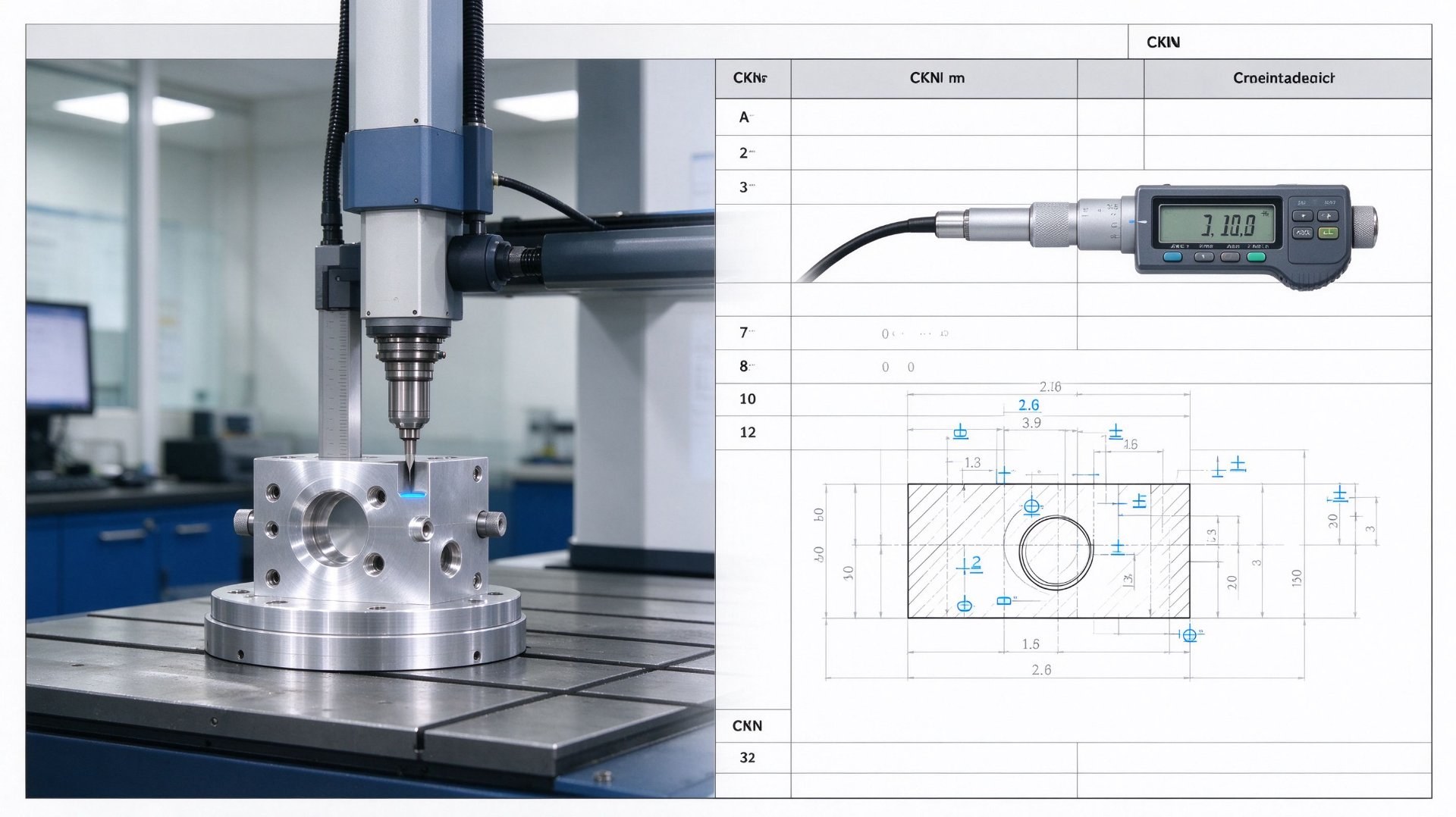
- Quality inspection lab: CMM, caliper sets, hardness tester, roughness gauge, leak test station and X-ray inspection equipment where required.
Factories with in-house CNC capability offer a major advantage: casting design, machining and inspection are handled by the same engineering team, which reduces tolerance mismatch and improves communication during issue resolution.
Standard Production Workflow
| Stage | Factory Activity | Buyer Deliverable Check |
|---|---|---|
| DFM & Mold Design | Review drawing, confirm gate, vent, draft angle and shrinkage compensation | DFM feedback report, mold layout drawing for approval |
| Die Fabrication | Hardened steel mold machining, fitting and bench trial | Mold completion notice, trial casting sample |
| Trial Casting & First Article | Run trial shots, adjust injection parameters, inspect first sample | FAI report, dimensional report, sample parts for buyer approval |
| Batch Production | Scheduled casting runs, in-process inspection, defect sorting | Batch inspection record, production status update |
| Secondary Processing | CNC machining, deburring, cleaning and surface treatment | Finished parts with treatment certificate where required |
| Final Inspection & Packing | Final dimension check, appearance audit, protective packaging | Inspection report, packing list, export packaging photos |
Common Alloys & Typical Applications
Most Shenzhen die casting factories work with three core non-ferrous alloy families. Material selection depends on weight target, corrosion requirement, surface finish need and operating temperature.
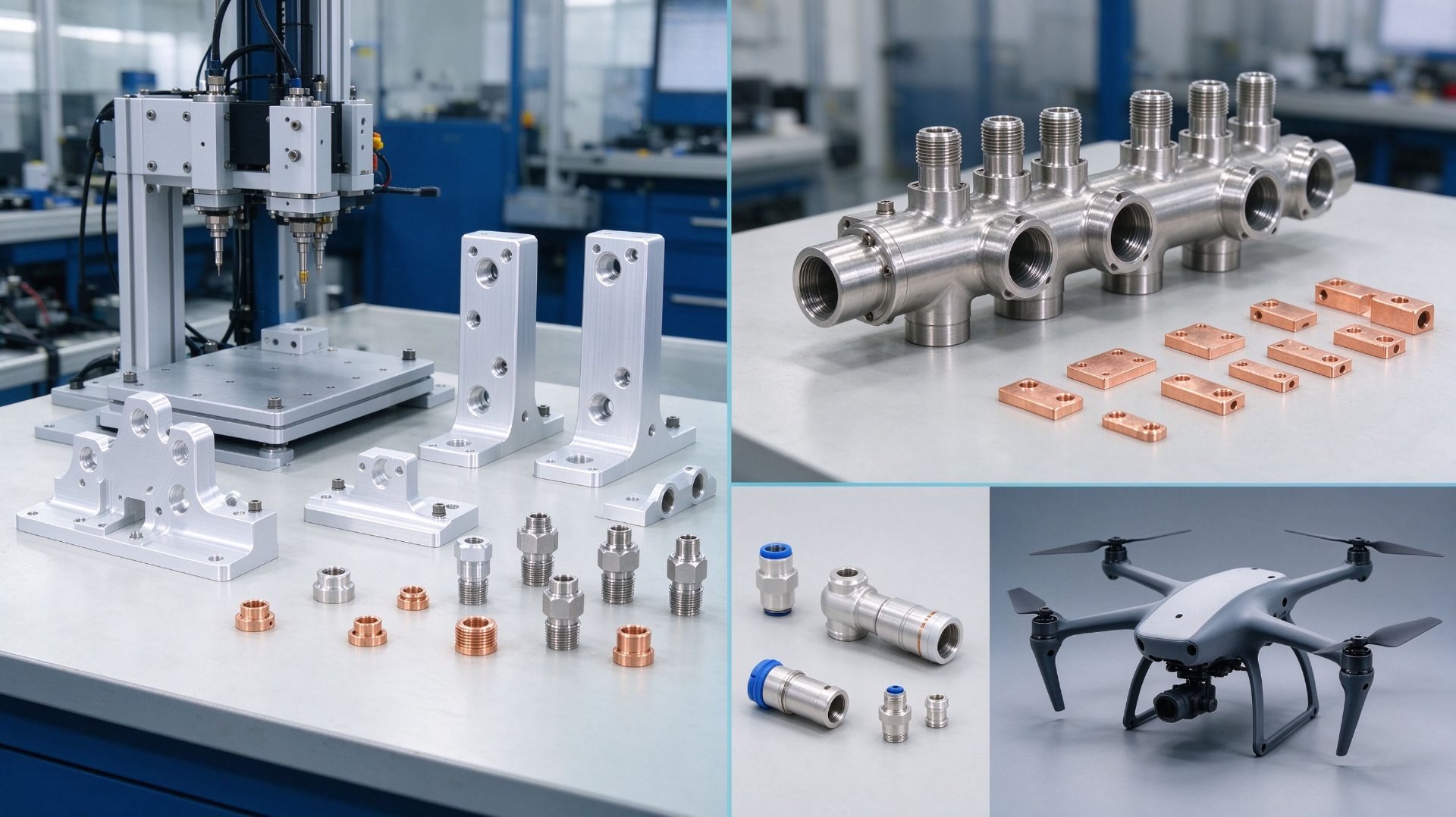
- Aluminum Alloy (ADC12, A380, A360): Lightweight, good thermal conductivity and corrosion resistance. Widely used for motor housings, heat sink frames, automotive brackets, pump bodies and communication equipment housings.
- Zinc Alloy (Zamak 3, Zamak 5, Zamak 7): Excellent flowability, easy electroplating, high dimensional stability. Common for lock hardware, decorative fittings, small connectors and precision thin-wall brackets.
- Magnesium Alloy (AZ91D): Ultra-lightweight with high specific strength. Used for handheld device frames, drone components and new energy lightweight structural parts.
Material certificates should be provided for every batch, especially for automotive and safety-critical components. Unrecorded alloy substitution should never be accepted without written buyer approval.
Common Defects & Factory Control Practice
| Defect | Typical Cause | Factory Control Measure |
|---|---|---|
| Gas Porosity | Trapped air, poor venting, excessive injection speed | Optimize vent layout, control melt temperature, X-ray check where required |
| Cold Shut | Low metal temperature, slow flow front, improper gate position | Adjust melt temperature, upgrade runner design, increase injection velocity |
| Flash | Worn die parting line, excessive clamping force mismatch | Inspect die wear, calibrate clamping pressure, regular mold maintenance |
| Shrinkage Cavity | Uneven wall thickness, poor feeding at thick sections | DFM rib and fillet adjustment, local cooling control during solidification |
| Dimensional Deviation | Wrong shrinkage allowance, mold wear, thermal drift | First article verification, periodic dimension check, die wear maintenance schedule |
A transparent factory will disclose defect root cause and corrective action instead of hiding rejects after shipment. For pressure-tight or leak-test parts, porosity control should be reviewed during mold design stage, not after first articles fail testing.
Supplier Audit Checklist for Buyers
When evaluating a Shenzhen die casting factory, buyers should look beyond unit price and sample appearance. Use these seven checkpoints to separate qualified partners from low-capability workshops:
- Mold capability: Confirm whether the factory designs and builds steel dies in-house, or outsources tooling. In-house tooling speeds up trial iteration and mold repair.
- Machine tonnage range: Verify that available machines match your part projected area and required injection pressure.
- Secondary processing: Check for in-house CNC machining, deburring and surface treatment capability. Outsourced secondary work often introduces quality delays.
- Quality system: Review ISO 9001 alignment, inspection records, FAI procedure and defect tracking history. Automotive projects may require IATF 16949 compliance.
- Material traceability: Confirm material certificate supply and batch identification practice for incoming inspection.
- Lead time and capacity: Ask for mold trial lead time, monthly casting capacity and reserved production slot for your order.
- Sample validation: Require paid prototype or trial casting before mass production release, and verify critical dimensions on your own inspection equipment.
FAQ: Shenzhen Die Casting Factory Sourcing
Answers address common questions from procurement engineers, product designers and industrial buyers sourcing die cast components from Shenzhen area factories.
Q1: What can a Shenzhen die casting factory produce?
A1: A qualified Shenzhen die casting factory produces aluminum, zinc and magnesium alloy castings, including housings, brackets, valve bodies, pump parts and structural components, with optional secondary CNC machining and surface finishing.
Source: Factory production capability list, November 2026.
Q2: What are the advantages of sourcing from a Shenzhen die casting factory?
A2: Shenzhen offers an integrated local supply chain covering mold making, die casting, CNC processing, plating and coating. This reduces communication gaps, shortens mold trial lead time and supports one-stop delivery for mass production orders.
Source: Pearl River Delta manufacturing supply chain practice.
Q3: What quality documents should a die casting factory provide?
A3: Reliable factories provide first article inspection reports, dimensional measurement records, material certificates, heat treatment or surface treatment certificates, and batch inspection records for incoming quality audit.
Source: ISO 9001:2015 aligned quality control procedure.
Q4: Is die casting factory production suitable for low volume prototypes?
A4: Die casting requires upfront steel mold investment, so it is most economical for medium to high volume orders. For small prototype batches, CNC machining or rapid sand casting is usually a more cost-effective alternative before mass production.
Source: Manufacturing cost planning principles.
Q5: Can a Shenzhen factory handle both die casting and CNC secondary machining?
A5: Many established factories operate CNC machining cells on-site for critical holes, threads and mating surfaces. Integrated production reduces tolerance mismatch and shortens lead time compared with splitting work across separate suppliers.
Source: In-house workshop equipment list.
Q6: Which surface treatments are commonly offered by die casting factories?
A6: Standard treatments include shot blasting, powder coating, anodizing for aluminum, electroplating for zinc, passivation and clear lacquer. Treatment type should be specified on the drawing, together with standard and color reference.
Source: Surface finishing process catalog.
Q7: How long does die casting mold development usually take?
A7: Standard steel dies for small to medium parts typically take 15 to 25 working days, depending on part complexity, mold cavity count and surface finish requirement. Trial casting sample follows after die bench fitting.
Source: Mold production planning standard, November 2026.
Q8: How do buyers avoid porosity-related failures in die cast parts?
A8: Review vent and gate design during DFM stage, require trial casting X-ray or leak test for pressure-tight parts, and confirm the factory’s process control record on gas porosity before mass order release.
Source: Die casting quality control best practice.
Conclusion and Quote Request
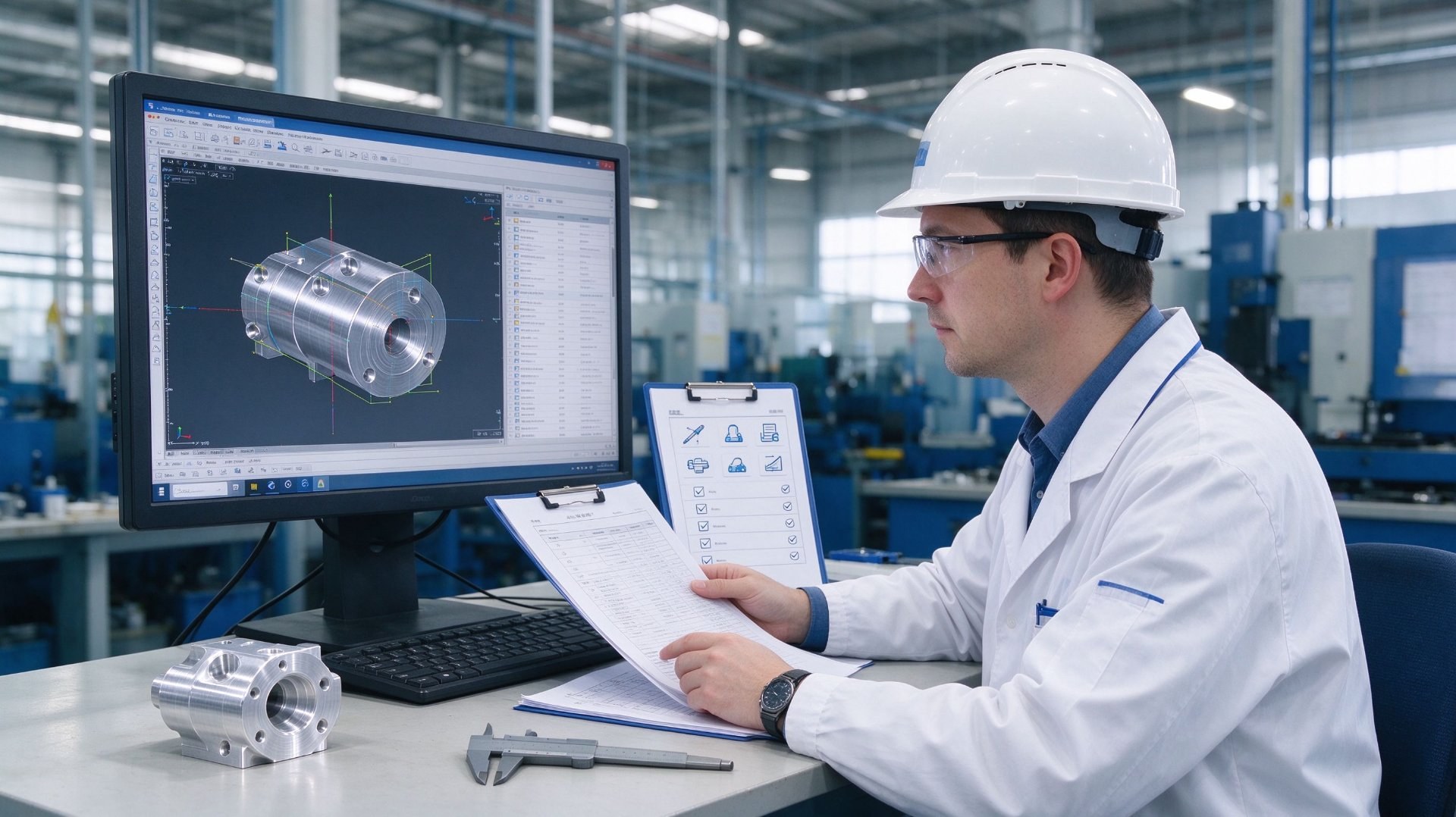
Working with a Shenzhen die casting factory gives buyers access to an experienced mold and casting supply chain for high-volume metal components. The most reliable partnerships are built on clear drawing requirements, early DFM communication, documented inspection records and realistic lead time planning, rather than choosing the lowest quoted unit price.
At Shenzhen Zhongzhu Technology Co., Ltd., we provide custom die casting production, in-house mold engineering, secondary CNC machining and surface treatment for aluminum, zinc and magnesium components. If you are sourcing die cast parts, send your 2D drawing, 3D STEP file, material grade, finish requirement and order quantity.
Our engineering team will review manufacturability, share DFM feedback and return a quotation with mold timeline, production schedule and inspection plan for your project. We support trial casting samples and mass production batches for industrial customers.
Get In Touch
Looking for a reliable die casting and machining partner for your custom metal components? Contact our team today.
Shenzhen Zhongzhu Technology Co., Ltd.
Custom metal components, die casting, precision machining, stamping and plastic components.
📄 Request a Technical Review or Quotation
Contact Us →📞 Speak With Our Engineering Team
Get In Touch →🔗 Explore Our Manufacturing Services
View Products & Services →Shenzhen Zhongzhu Technology Co., Ltd.
315 PING 'AN AVENUE, PINGHU STREET, LONGGANG DISTRICT, SHENZHEN CITY, GUANGDONG PROVINCE
📞 +86 18688963321
✉ samuel@chnzhongzhu.com
Shenzhen Zhongzhu Technology


shenzhen die casting workshop
Related Article