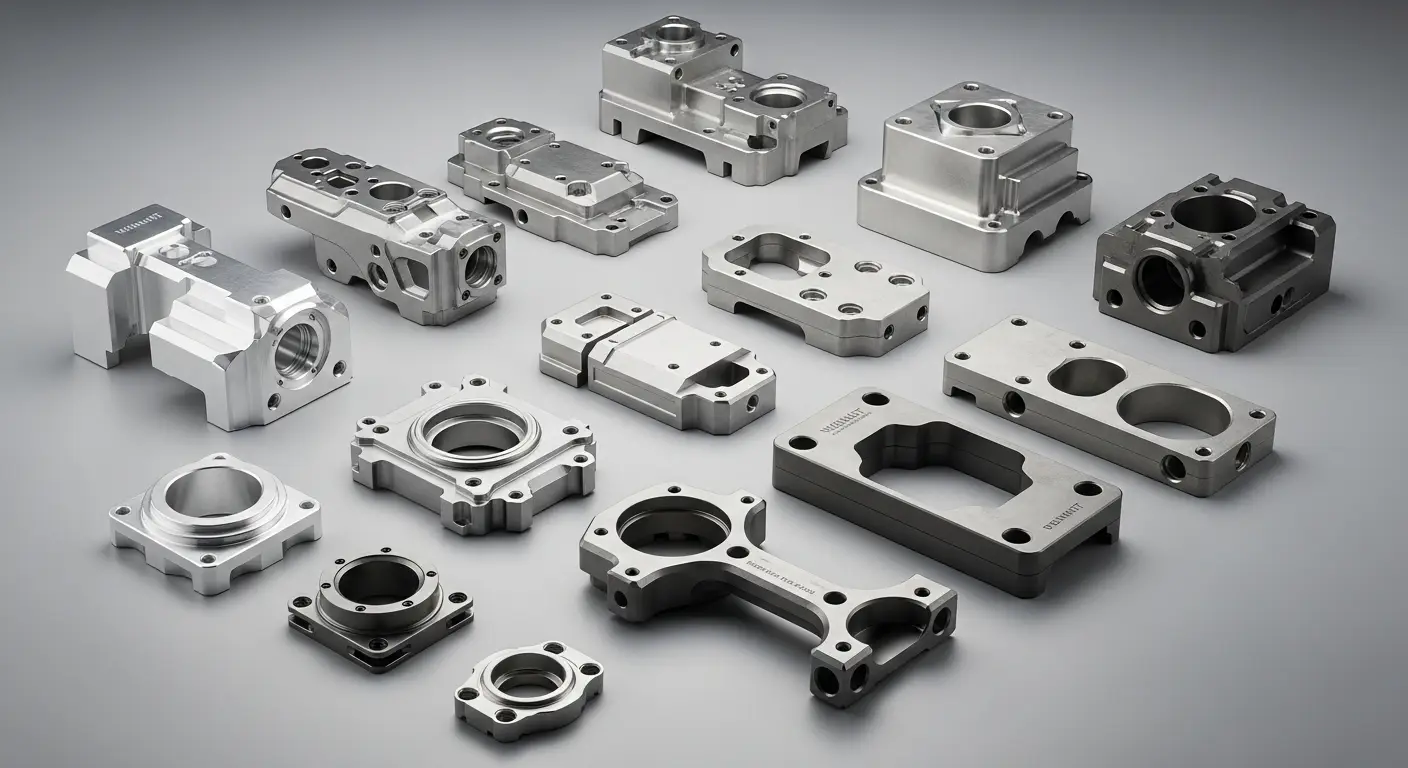
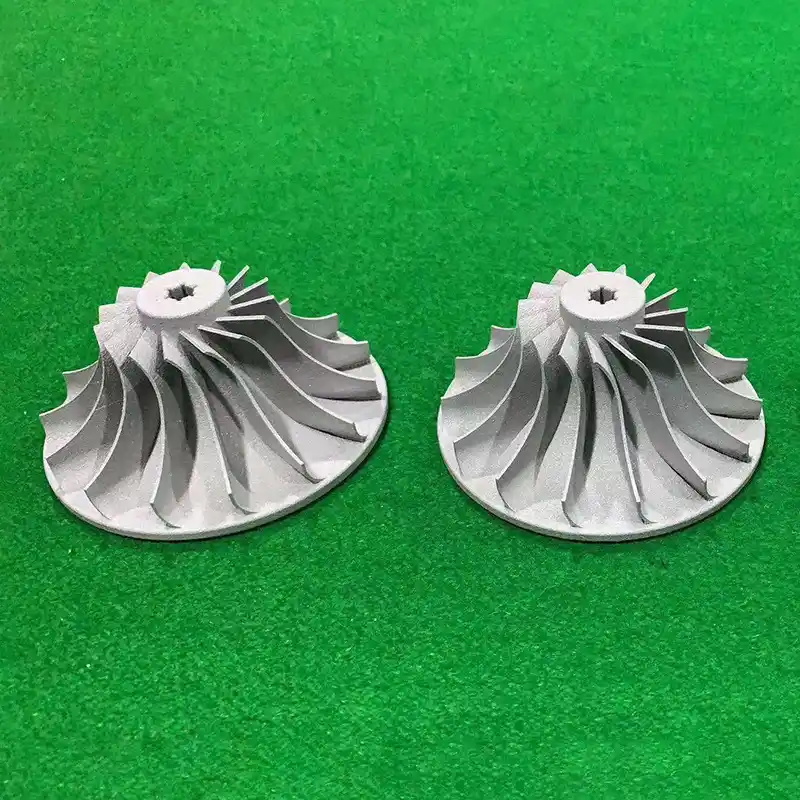
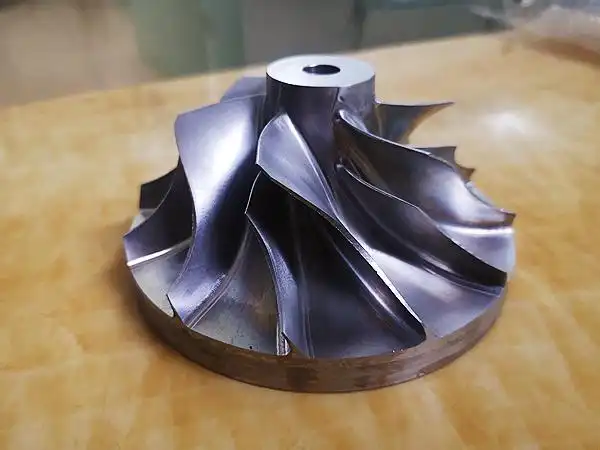
which of the following machine parts always require guards?
Which of the Following Machine Parts Always Require Guards? A Guide for Manufacturing Workshops
In hardware machining and plastic mold manufacturing, machines use rotating, cutting, pressing, and moving components to shape materials. These parts can create serious hazards if workers come into contact with them during operation.
A common safety question is: which of the following machine parts always require guards? The answer depends on the machine, the hazard, and the applicable safety regulations. In general, accessible parts that can cause injury through cutting, crushing, entanglement, or impact need effective safeguarding.
A guard is not simply a cover added for appearance. It is a safety measure designed to prevent access to dangerous machine areas while allowing the equipment to perform its intended work.

Which Machine Parts Need Guards?
Machine parts that create a hazard during normal operation or foreseeable use should be assessed for guarding. Common examples include rotating shafts, gears, belts, pulleys, cutting tools, and moving press components.
Rotating Parts
Rotating components can catch clothing, gloves, hair, or jewelry and pull a person toward the machine. Examples include exposed shafts, couplings, spindles, and rotating workpieces.
In a CNC machining workshop, the spindle and cutting tool are typically enclosed by the machine’s protective enclosure during operation. Any accessible rotating parts outside that enclosure should be evaluated for additional safeguarding.
Gears, Belts, and Pulleys
Gears and belt drives can create nip points where moving parts meet or pass close to one another. Fingers, clothing, or tools can be drawn into these points.
Fixed guards are commonly used to prevent access to exposed gears, belts, pulleys, and similar transmission components. The guard should remain in place during normal operation and should not create a new hazard.
Cutting and Pressing Components
Cutting tools, blades, and press mechanisms can cause severe injuries through contact, crushing, or shearing. In metal stamping, the die area is especially hazardous because the press applies substantial force within a short distance.
A suitable guard or protective system must prevent workers from reaching the danger zone during the hazardous part of the cycle. The correct solution depends on the press design and its operating method.
What Does “Always Require Guards” Mean?
The word always should be used carefully. Safety requirements depend on the machine design, the risk assessment, and the rules that apply in the workplace. A component may be safely enclosed inside a machine, or it may require a fixed guard, an interlocked guard, or another protective measure.
The essential principle is that workers must not be exposed to hazardous moving parts during operation.
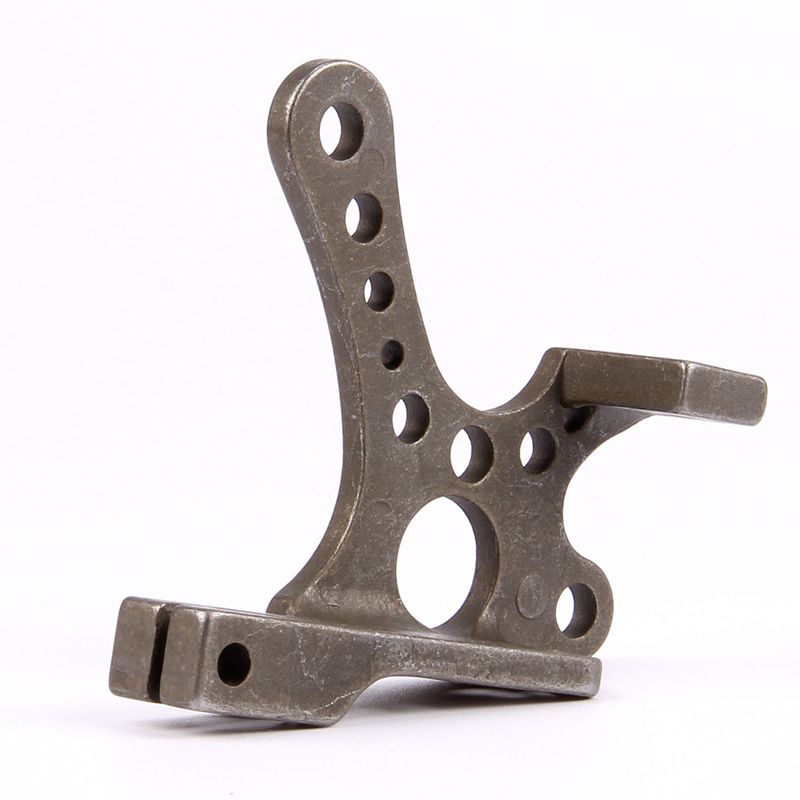
Guarding in Hardware Machining
CNC Machines and Milling Equipment
CNC mills and lathes often use protective enclosures to contain chips, coolant, and fragments, as well as to prevent access to moving components. The enclosure and its doors should function as intended, including any required interlocks.
Operators should not bypass interlocks or open an enclosure while hazardous motion is present. Before maintenance or tool changes, the machine should be placed in a safe state according to the site’s procedures.
Stamping Presses
Stamping presses can create crushing and shearing hazards between the punch and die. Depending on the equipment and task, protection may include fixed guards, interlocked guards, presence-sensing devices, or other engineered safeguards.
The choice should be based on a proper risk assessment and the applicable press-safety requirements. A simple barrier is not necessarily sufficient if a worker can still reach the danger zone.

Guarding in Plastic Mold Manufacturing
Injection Molding Machines
Injection molding machines contain several potential hazards, including the mold-closing area, moving platens, ejector mechanisms, and other moving components. Access to the mold area must be controlled during operation.
Machine guards and interlocks help prevent access while the mold is closing or other hazardous movements are occurring. Operators should follow the manufacturer’s instructions and workplace procedures when setting up, cleaning, or servicing the machine.
Mold Maintenance and Tooling Work
Mold maintenance may involve removing heavy components, handling sharp edges, or working near stored energy. Guards alone may not provide adequate protection during maintenance.
Before servicing equipment, workers should follow the site’s energy-isolation procedures, including lockout/tagout where required. The machine must be made safe before guards are removed or personnel enter hazardous areas.
Guards Must Not Create New Hazards
A poorly designed guard can obstruct visibility, interfere with normal operation, or encourage workers to remove it. Guards should be durable, securely fitted, and designed so that routine tasks can be completed without defeating the safety system.
Choosing the Right Type of Guard
Fixed Guards
A fixed guard is attached in place and usually requires a tool to remove. It is often suitable for transmission components such as gears, pulleys, and belts that do not need frequent access.
Interlocked Guards
An interlocked guard is connected to the machine’s control system. Opening it prevents hazardous operation or initiates a safe stop, depending on the system design.
Adjustable or Movable Guards
Some operations require access to a work area. In these cases, an adjustable or movable guard may be appropriate, provided it offers effective protection for the task and complies with applicable requirements.
Inspect Guards Regularly
Workers should check that guards are secure, undamaged, and functioning properly. Missing guards, defeated interlocks, or damaged safety devices should be reported and corrected before the machine is used.
Final Thoughts: Which of the Following Machine Parts Always Require Guards?
Exposed machine parts that can cause injury—such as rotating shafts, gears, belts, pulleys, cutting tools, and press mechanisms—need effective safeguarding when workers could be exposed to their hazards.
For hardware machining and plastic mold manufacturing, the right protection depends on the machine, the task, and the applicable safety rules. A risk assessment, proper machine design, and consistent maintenance help ensure that guards protect workers without interfering with safe production.
how to collect machine parts in save the world?
what are 3d prints made of?
Related Article