When Was the First 3D Printer Invented for Industrial Rapid Sampling
Author: SZTC
2026-08-20


Samuel Song Your service representative
Specializing in zinc-aluminum-magnesium alloy die-casting processing, CNC milling, CNC turning, 3D printing, injection molding and sheet metal processing. Manufacturing services.
-----------------------------------------------------------------------------------------------------------------------------------------------------------------------------------------------------------------------------------------------------------------------------------------------------------------------------------------------
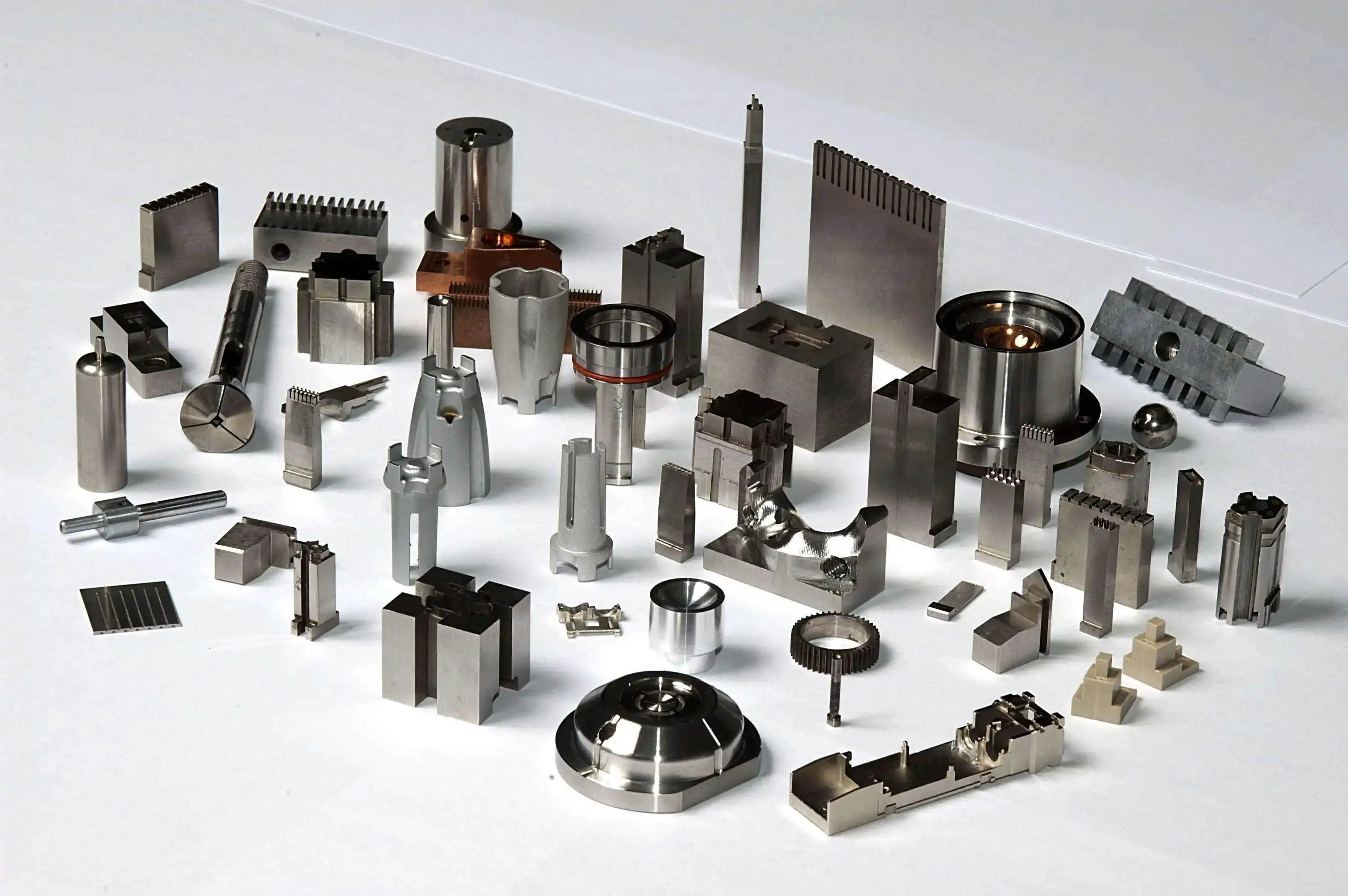
3D printing has revolutionized rapid prototyping for plastic mold and hardware processing industries. Manufacturers rely on it to produce fast, low-cost samples for structural testing and design validation. Many industry learners ask a key technical question: when was the first 3D printer invented. Exploring this history helps us understand how today’s efficient industrial sampling tools came into being.

1. The Birth of the First Experimental 3D Printer
To answer when was the first 3D printer invented, we start with the earliest verified functional device.
1.1 The Original Invention in 1981
The first-ever 3D printer was invented in 1981 by Japanese researcher Hideo Kodama. He created a pioneering device that solidified liquid resin layer by layer to build physical objects. This was the world’s first functional additive manufacturing printer, proving the feasibility of 3D layered molding technology.
1.2 Limitations of the Early Prototype
Although the first 3D printer was invented in 1981, it was limited to laboratory use. It lacked precise control and stable performance, so it could not meet the high-precision requirements for plastic mold cavities and hardware prototype sampling.
2. The First Industrial 3D Printer Invention
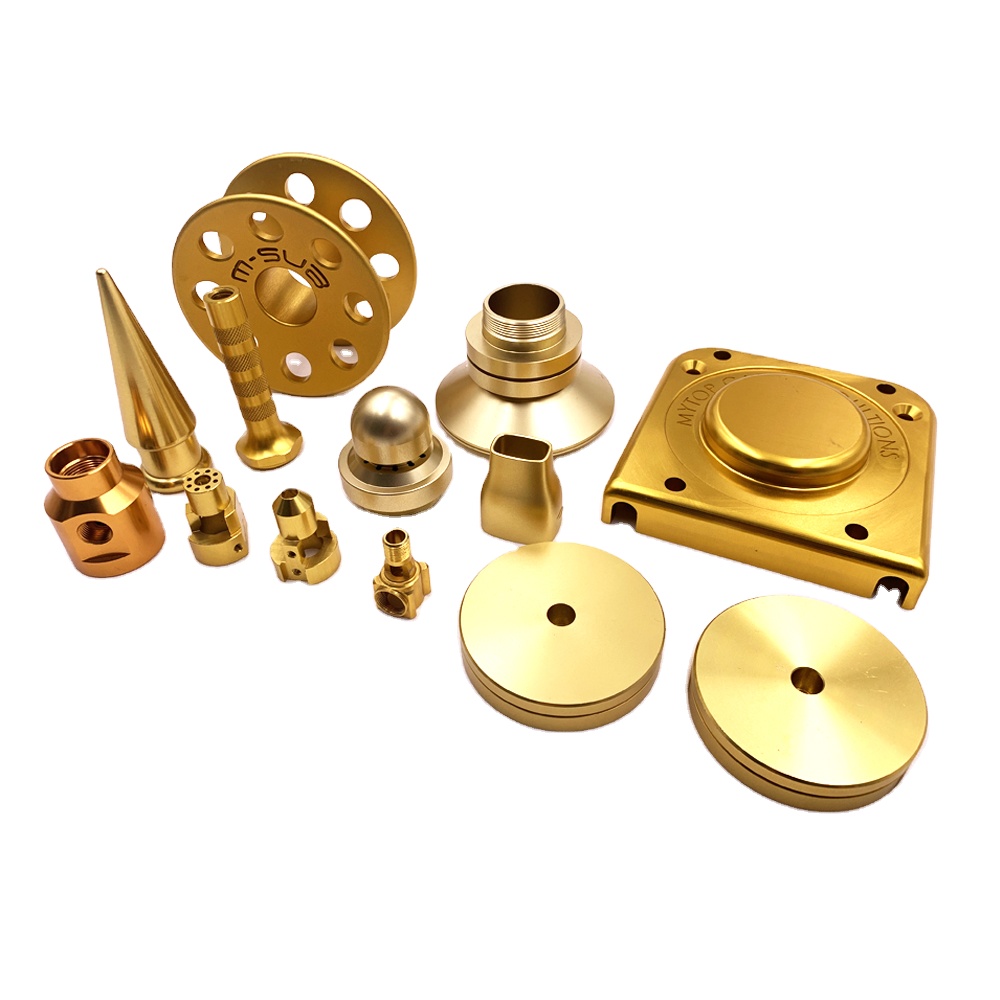
The milestone that brought practical value to manufacturing redefineswhen was the first 3D printer invented for industrial scenarios.
2.1 Mature Stereolithography Printer in 1984
In 1984, American engineer Chuck Hull invented the first industrial-grade 3D printer based on stereolithography technology. Unlike early experimental devices, this printer delivered stable precision and reliable molding effects, suitable for formal prototype production.
2.2 Official Patent Recognition
Chuck Hull obtained a formal patent for his 3D printing device in 1986. This marked the official recognition of the first practical 3D printer and laid the foundation for future commercial equipment development.
3. Modern Industrial Application and Value
Looking back at when was the first 3D printer invented highlights its profound influence on modern processing industries.
3.1 Decades of Technical Upgrades
From the first primitive printer, 3D printing has evolved into resin, FDM and metal printing technologies. Modern printers feature higher precision, stronger toughness and faster printing speed.
3.2 Empower Mold and Hardware Sampling
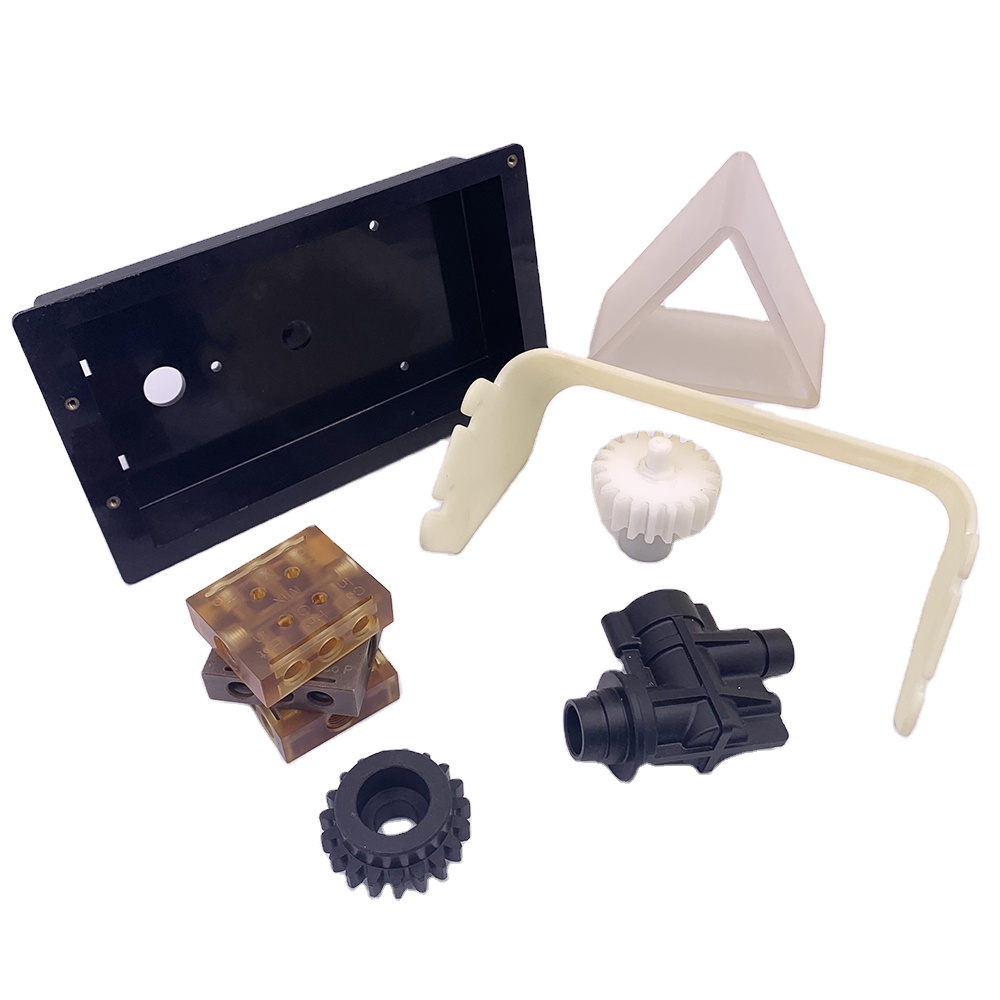
Today’s advanced 3D printers perfectly fit rapid sampling demands. They help factories verify complex mold structures and custom hardware parts quickly, shorten R&D cycles and reduce trial production costs significantly.
In conclusion, the first experimental 3D printer was invented in 1981, while the first industrial practical 3D printer was completed in 1984. Knowing when was the first 3D printer invented allows manufacturers to better appreciate and utilize this mature rapid prototyping technology.
When Were 3D Printers Invented for Mold and Hardware Rapid Sampling
When Was the 3D Printing Invented for Mold and Hardware Rapid Sampling
Related Article
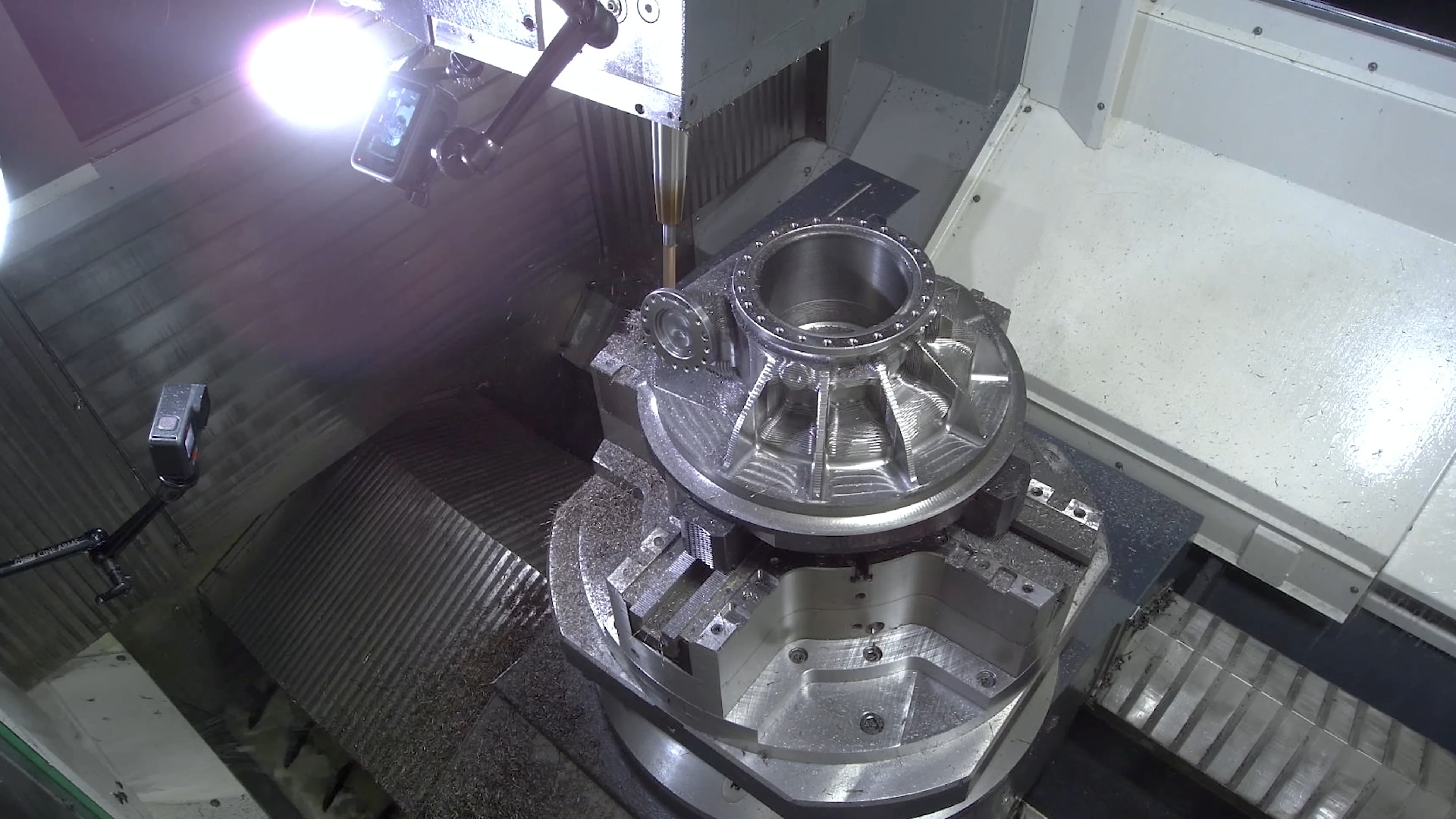
Grinding is not just a finishing touch for auto parts. It is a critical precision machining stage that determines sealing performance, noise level, service life and fatigue resistance of rotating automotive parts.
a grinding machine in an auto parts plant
This guide explains what stresses act on cast iron machine parts, the unique material properties of cast iron, common cast iron grades, CNC machining considerations, failure modes, and how you can evaluate a qualified cast iron machining supplier.
A cast iron machine part is acted upon?
Power transmission is not a single bolt-on component. It forms the motion chain between your prime mover and cutting/feeding units. For machine shops and equipment builders, transmission quality directly determines spindle runout, positioning repeatability and surface finish of machined workpieces.
what part of a machine is the power transmission?