where to sell 3d printer?
Where to Sell 3D Printer Services: Opportunities in Hardware and Plastic Mold Manufacturing
A 3D printer can be more than a tool for making models. In manufacturing, it can help businesses produce samples quickly, review designs, and prepare for machining or mold production. For companies offering 3D printing services, the question where to sell 3D printer services is closely connected to finding customers who need practical support during product development.
Hardware manufacturers, product designers, and plastic mold makers often need prototype parts before moving into full production. By understanding their needs, a 3D printing service provider can offer more than a printed object—it can offer a faster way to evaluate a design.
Where to Sell 3D Printer Services to Manufacturing Customers
The most relevant customers are businesses that develop physical products and need samples before production. These may include hardware manufacturers, engineering firms, product design studios, and plastic injection molding companies.
Hardware Manufacturers and CNC Machining Companies
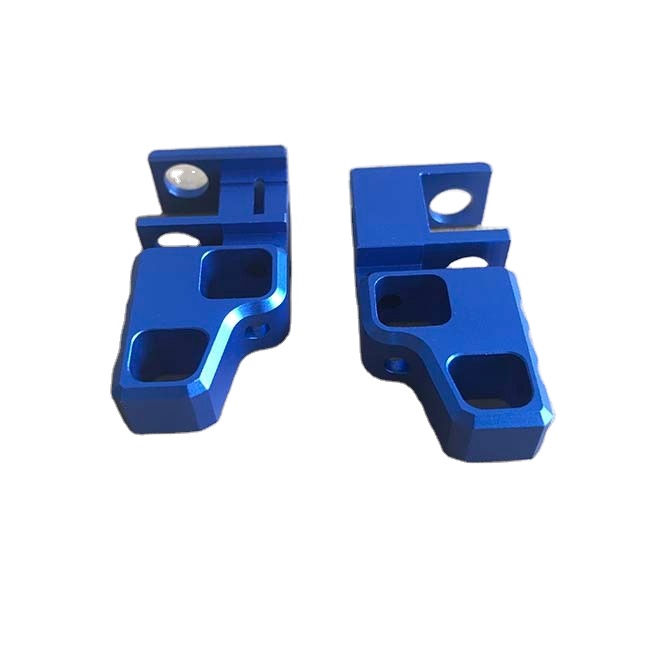
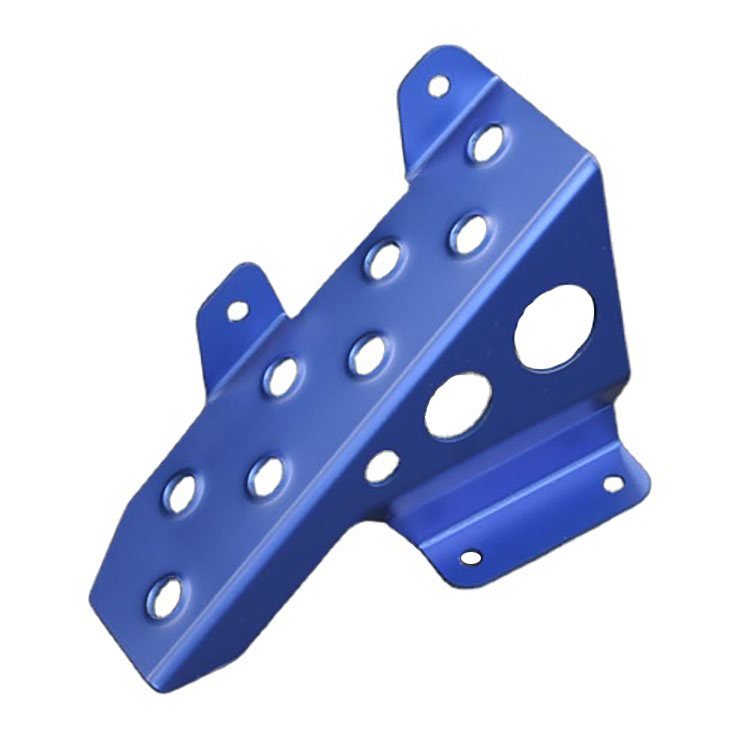
Hardware manufacturers may need quick samples of brackets, housings, covers, mounting parts, and other components. A printed model helps engineers check shape, dimensions, and assembly before machining a part from aluminum, stainless steel, brass, or another metal.
A 3D printing service can reach these customers through manufacturing directories, industry exhibitions, engineering networks, and direct business outreach. A clear portfolio showing sample parts and the problems they helped solve is often more useful than a list of printer specifications.
Plastic Mold Makers and Injection Molding Companies
Plastic mold development involves design decisions that are easier to review with a physical sample. Mold makers and injection molding companies may use 3D-printed parts to check the product’s shape, assembly features, and appearance before investing in tooling.
Offer Prototyping as Part of the Development Process
Rather than selling only printing time, a service provider can offer prototype support that includes reviewing the CAD file, printing a sample, and helping the customer identify features that may need revision.
This approach is particularly useful for customers developing plastic housings, machine covers, appliance components, and customized enclosures.
Online Channels for Selling 3D Printing Services
Build a Website That Shows Real Applications
A service website should explain what types of parts can be printed, which materials and processes are available, and how customers can request a quote. Include clear photos of sample parts, typical lead times, and guidance on submitting CAD files.
Useful pages can focus on specific applications, such as hardware prototypes, plastic product samples, assembly fixtures, or pre-tooling design checks. These pages help visitors understand whether the service fits their project.
Use B2B Marketplaces and Professional Networks
Online manufacturing platforms and professional networks can help connect service providers with businesses looking for prototype production. A profile should describe the service accurately and include examples of relevant work.
When responding to an inquiry, ask about the part’s intended use, material requirements, quantity, dimensions, and deadline. These details help determine whether 3D printing is the right process or whether CNC machining or another method would be more suitable.
Make the Buying Process Easy
Customers are more likely to proceed when the next steps are clear. Explain how to submit a drawing or CAD file, what information is needed for a quote, and how design changes are handled.

What Manufacturing Customers Need from a 3D Printing Supplier
Fast Samples and Clear Communication
A rapid prototype is valuable when it arrives in time to support a design decision. Be realistic about lead times and communicate promptly if a file needs adjustment or a feature may be difficult to print.
Suitable Materials and Practical Advice
Different projects require different materials and printing processes. A sample used to check appearance may not need the same properties as a part used for assembly testing.
A reliable supplier helps the customer understand these differences instead of promising that one printed material can meet every requirement.
A Path from Prototype to Production
3D printing is often an early step, not the final manufacturing method. Once a design is confirmed, the customer may need CNC machining for metal parts, injection molding for plastic components, or die casting for certain hardware products.
A supplier with manufacturing knowledge can help customers plan this transition and avoid treating a printed sample as a production-ready part.
How to Present Your 3D Printing Service
Show the Problem Your Sample Solves
A useful case study explains what the customer needed to check, how the sample was used, and what changed before production. For example, a printed enclosure may help confirm mounting positions before a metal version is machined.
Be Specific About Your Capabilities
Describe available build sizes, materials, tolerances, finishing options, and inspection support only where these are confirmed capabilities. Clear information helps customers assess fit and reduces unnecessary back-and-forth.
A Simple Customer Workflow
- Receive the customer’s CAD file or drawing.
- Confirm the intended use and key requirements.
- Recommend a suitable printing process and material.
- Produce the sample and check agreed features.
- Gather feedback and support the next design or production step.
Final Thoughts: Where to Sell 3D Printer Services
The strongest opportunities for 3D printing services are often found among businesses developing physical products. Hardware manufacturers need samples to review form and assembly before machining, while plastic mold makers use prototypes to evaluate designs before tooling.
To reach these customers, focus on manufacturing applications, show relevant sample work, and make quoting straightforward. By connecting rapid prototyping with the next stage of production, a 3D printing service can become a useful partner in product development—not just a place to order a printed part.
where to print things?
Related Article