a machine with few or no moving parts
A Machine With Few or No Moving Parts? A Practical Guide to Static Simple Machines & CNC Machined Fixtures for Industrial Buyers
Most buyers do not lose sleep over the textbook definition of a machine with few or no moving parts. They lose sleep over the practical version: can this static fixture hold my workpiece securely, will the wedge angle stay consistent after repeated clamping cycles, will the flatness hold under heavy load, and will the static component arrive before the fixture build deadline. That is the real reason people search a machine with few or no moving parts while reviewing fixture drawings and planning production tooling.
A machine with few or no moving parts, put plainly, is a simple mechanical device that transfers force, changes force direction or creates mechanical advantage without rotating, sliding or pivoting assemblies. Unlike complex automation units with bearings, shafts and actuators, its function comes purely from solid geometry, contact surfaces and material rigidity. Everything else in this guide is the practical consequence of that sentence: what static simple machines are commonly used on the shop floor, which CNC processes produce them, which tolerances matter most, and how you confirm supplier capability before releasing a purchase order.
This guide is written for procurement engineers and sourcing teams who need to evaluate suppliers for custom static jigs and fixture components rather than read a physics textbook. It covers the definition, common static machine types, machining parameters, industrial applications and a supplier selection checklist you can reuse on every RFQ. Every number in the specification section is traceable, because a supplier that cannot document its capability should not be quoting your static fixture project.
- What Is a Machine With Few or No Moving Parts?
- Common Types of Static Simple Machines
- Technical Parameters and Data Sources
- Industrial Applications of Static Machined Components
- How to Select a Machining Supplier for Static Fixtures: 8 Steps
- FAQ: Static Simple Machines & Fixture Machining
- Conclusion and Quote Request
What Is a Machine With Few or No Moving Parts?
A machine with few or no moving parts refers to simple machines that perform mechanical work without cyclic relative motion between mating components. Wedges, fixed inclined planes and static support blocks are typical examples. Force is redistributed by shape and contact pressure instead of motors, belts, gears or sliding mechanisms.
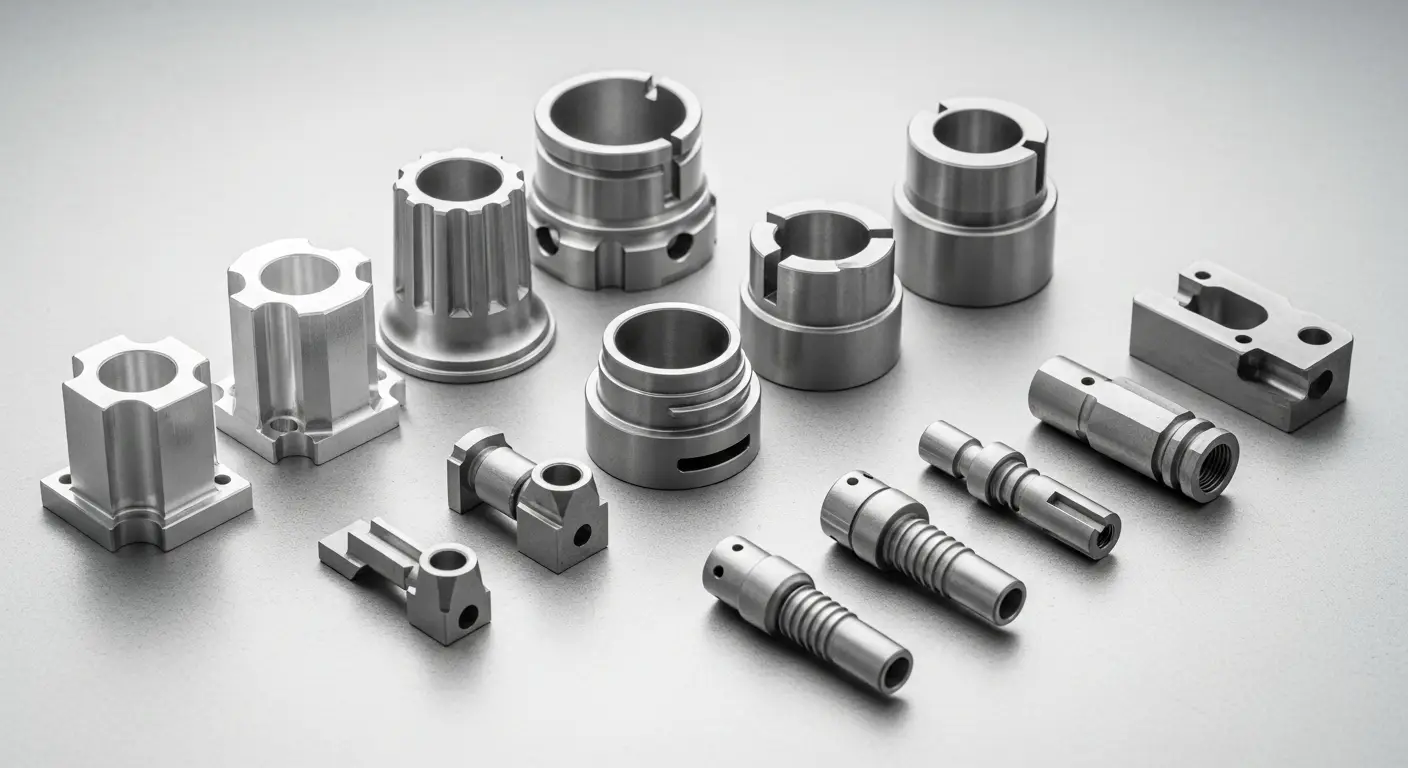
The term covers basic physics devices and custom CNC-machined static tooling used inside manufacturing workshops. In industrial purchasing, buyers usually search this phrase when sourcing workholding fixtures, locating wedges, support risers and angle blocks. These static components are machined from solid raw stock and rely on precise geometry rather than wearable moving joints.
The practical consequence is simple: performance depends on angle accuracy, flatness, hardness and surface contact quality. Repeat orders months later still maintain the same clamping effect, and wear only occurs on contact faces under repeated load. That stability is why static machined simple machines are widely used alongside dynamic automation systems.
A typical static fixture component job runs through six stages: DFM review for angle and contact geometry, CAM programming, fixture setup and first article inspection, batch machining, deburring and heat treatment or surface coating, final inspection and packing. A competent supplier will flag unstable angles, insufficient support or hard-to-inspect features during quotation, not after the first article fails load testing.
What these static devices do not mean matters just as much. They are not pneumatic or hydraulic clamps with moving pistons. They are not injection molded parts, so there is no mold amortization and low-volume fixture orders are economical. They are not 3D printed prototypes, so you get high rigidity and wear resistance for repeated production use. Static simple machines fill a niche between hand-made shims and complex automated clamping units: ideal for jigs, fixture supports and custom workholding where stable geometry is more important than automatic motion.
Our factory runs one-stop custom CNC machining for static fixture parts, not catalogue sales. We do not stock standard off-the-shelf wedges and angle blocks. Every static simple machine component is produced from your drawing or 3D model, in the material and finish you specify, inspected to the flatness and angular tolerance you call out, and documented with the inspection reports your quality department will ask for. If you need a standard commercial fastener, we will say so and point you elsewhere; if you need a custom hardened wedge with a precise 5-degree clamping angle, that is our job.
Common Types of Static Simple Machines
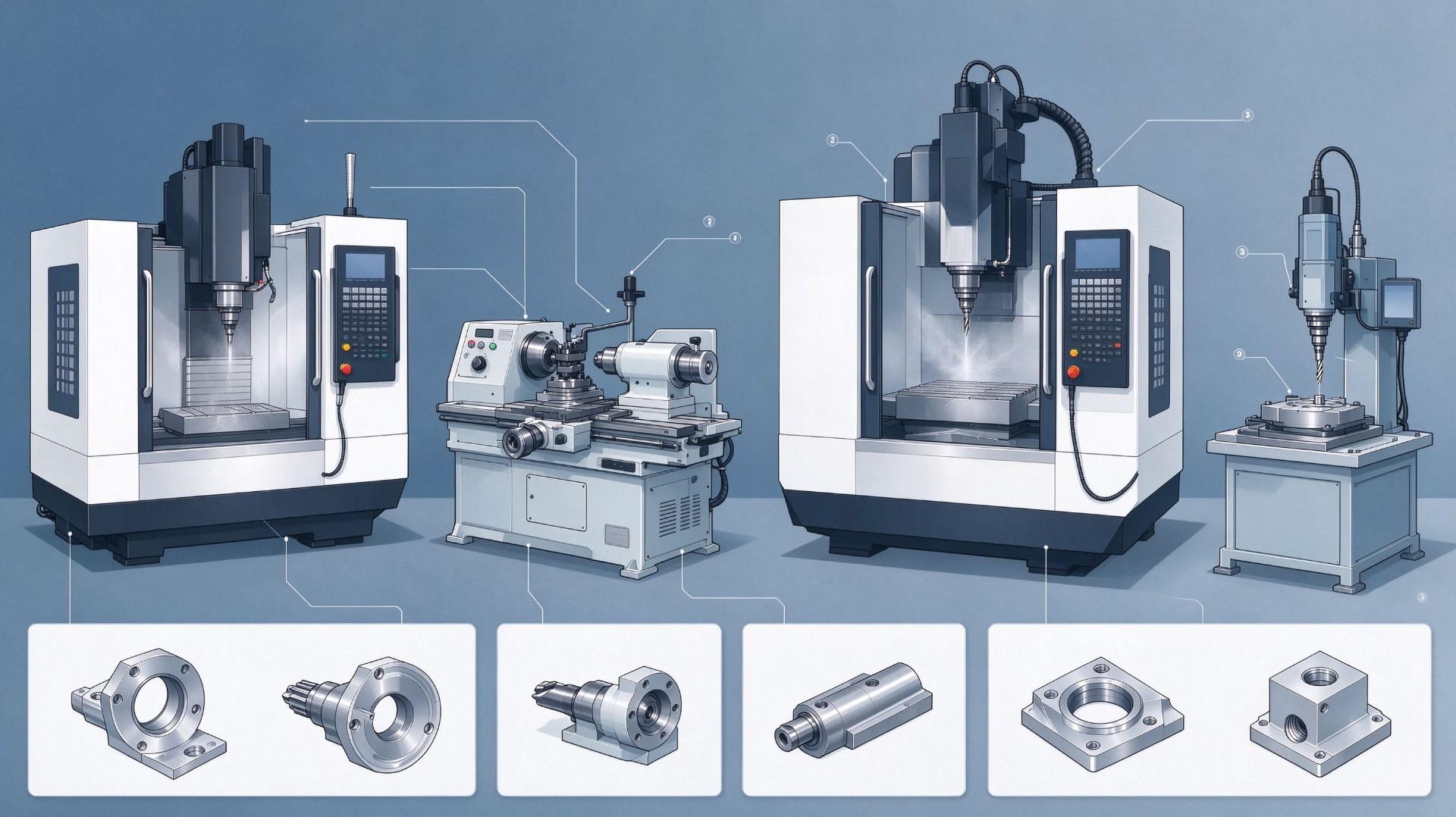 The phrase covers a small set of core simple machine forms, and choosing the correct geometry reduces fixture failure and rework on the production floor.
Wedge is the most widely used static machine. A tapered block converts horizontal pushing force into vertical clamping force. Custom wedges are CNC milled or ground for precise taper angles, and they are often heat treated to resist indentation after thousands of clamping cycles. Wedges are the standard choice for manual mold splitting, workpiece locking and adjustable support without threaded actuation.
Fixed inclined plane / angle block creates a stable angled reference surface. It is used to tilt workpieces for machining, inspection or assembly. The critical tolerances are angle accuracy and surface flatness; any deviation directly impacts part datum alignment.
Static support block & riser block provides rigid height support under heavy workpieces. It has no functional taper or angle, only flat parallel surfaces. Cast iron or steel support blocks prioritize vibration damping and compression resistance.
Fixed screw block (static threaded support) includes threads but no continuous dynamic transmission. The thread is only adjusted once during fixture setup and then locked. It is treated as a static machine because it does not cycle during normal production runs.
Static locating bracket is a fixed geometry stop for workpiece positioning. It uses flat edges and datum faces to restrict movement, with no hinges or pivoting joints.
Surface grinding and hardening are frequently added for high-cycle static contact surfaces. Even though these parts have no moving parts, repeated contact pressure can cause indentation or wear if hardness and surface finish are not specified correctly during RFQ.
Technical Parameters and Data Sources
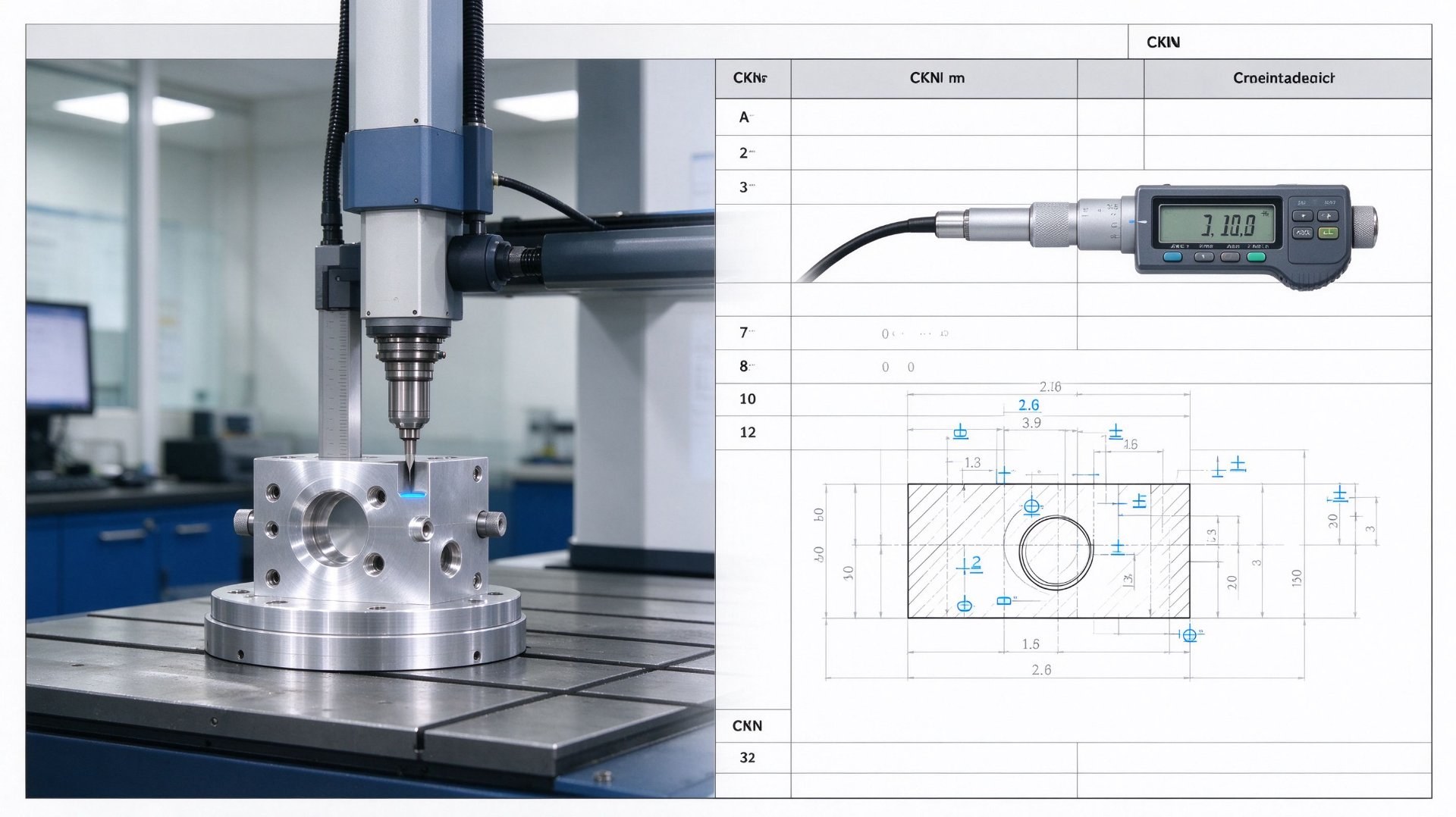 The table states the capability bands our production floor quotes against for static simple machine components. Any requirement outside these bands needs an engineering review before we commit, because promising an angle tolerance a process cannot hold is the fastest way to fail fixture validation.
| Parameter | Capability | Typical Use |
|---|---|---|
| General linear tolerance | ±0.02 mm | Support risers, non-critical angle blocks |
| High precision angle / flatness | ±0.005 mm flatness, ±0.01° angle tolerance | Precision wedges, inspection datum blocks |
| Surface roughness | Ra 6.3 μm as-machined, Ra 1.6 μm milled finish, Ra 0.4 μm ground contact face | Clamping contact faces, reference datum surfaces |
| Milling envelope | Up to 1200 × 800 × 500 mm | Large fixture base plates, heavy support blocks |
| Grinding capacity | Surface grinding for flatness and angle correction | High-precision static wedges |
| Minimum order quantity | 1 piece prototype fixture block, no tooling charge | Fixture validation, single station tooling |
| Lead time | 5–7 working days for prototypes, 12–18 working days for batch fixture parts | Fixture build schedule planning |
| Drawing formats | STEP, IGES, X_T, DWG, DXF, PDF | Quotation and CNC programming input |
| Tolerance standard | ISO 2768-m / ISO 2768-f, GD&T per ASME Y14.5-2018 | Untoleranced dimensions and inspection disputes |
| Quality system | ISO 9001:2015 aligned process control, FAI report, material certificate, dimensional report | Fixture supplier qualification and incoming inspection |
Material coverage for static simple machines. 45# carbon steel for general wedges and supports, can be quenched and tempered for wear resistance; aluminum 6061-T6 / 7075-T6 for lightweight low-load angle blocks; cast iron for heavy base supports with excellent vibration damping; hardened tool steel for high-cycle clamping wedges; stainless steel 304 for wet or corrosive workshop environments.
Surface treatment and inspection. Black oxide, hardening, sandblasting, passivation and hard anodizing. Inspection uses a surface plate, angle gauge, height gauge, CMM and roughness tester to verify flatness, angular accuracy and surface finish.
Data sources: capability bands come from our internal process capability list and inspection standard, November 2026; general tolerances follow ISO 2768-1:1989 and ISO 2768-2:1989; geometric tolerancing follows ASME Y14.5-2018; quality control follows an ISO 9001:2015 aligned system.
Industrial Applications of Static Machined Components
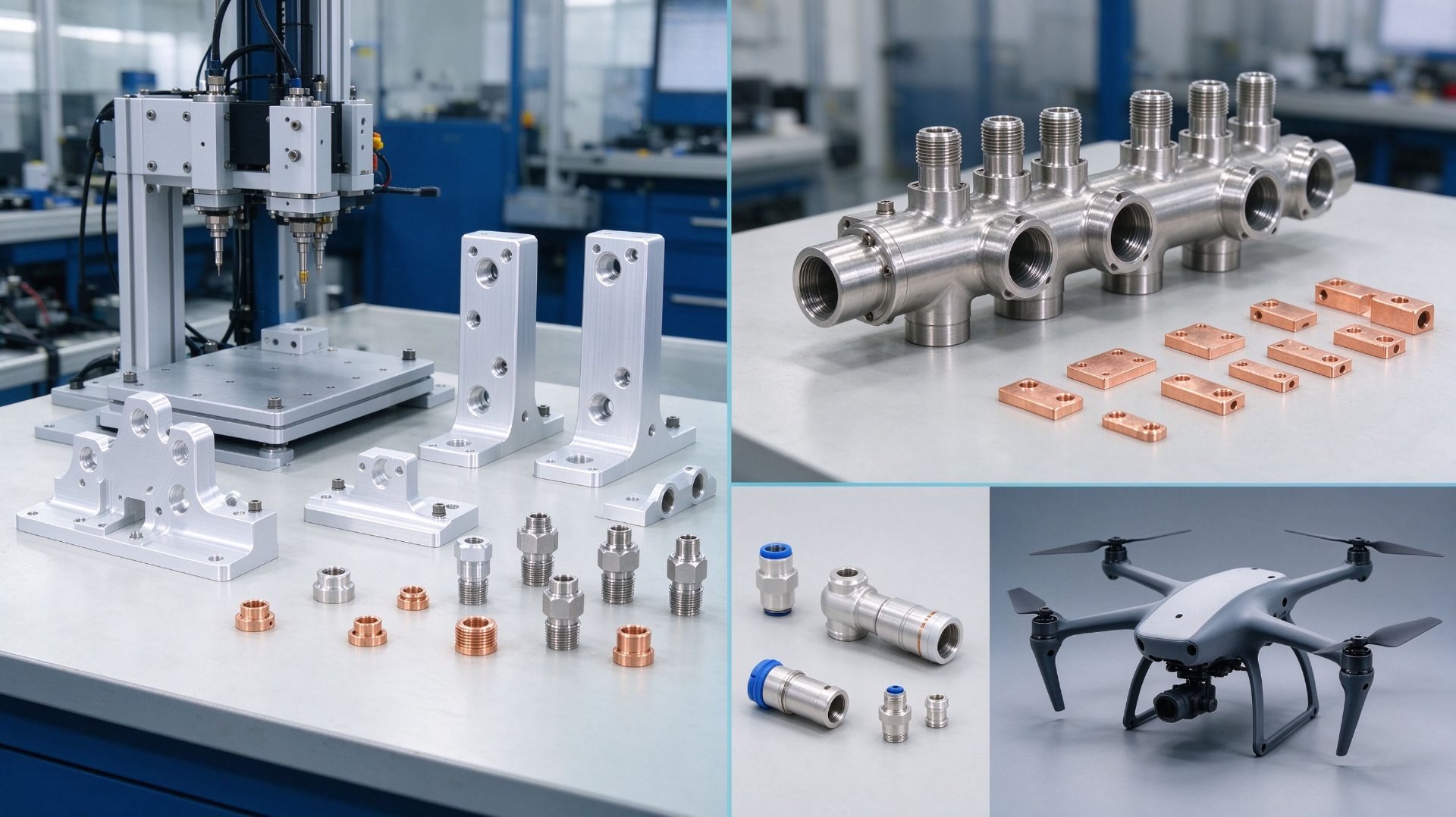
Custom static simple machine parts appear across these sectors, and each application prioritizes different mechanical properties.
CNC machining workholding & fixture shops. Wedges, angle blocks, locating stops, riser supports and static datum brackets. Flatness and angle accuracy directly affect part positioning and machining tolerance.
Mold making and injection molding workshops. Mold splitting wedges, static support blocks for mold assembly and trial runs. Hardness is critical because repeated tapping and clamping will wear soft wedges quickly.
Automation and assembly stations. Static positioning stops and fixed support blocks for product alignment during manual assembly or vision inspection.
Quality inspection labs and CMM fixtures. Precision angle blocks and reference wedges used as calibration aids and datums for checking machined part geometry.
Heavy machinery and hydraulic assembly. Static load support blocks used during equipment maintenance, lifting and alignment.
How to Select a Machining Supplier for Static Fixtures: 8 Steps
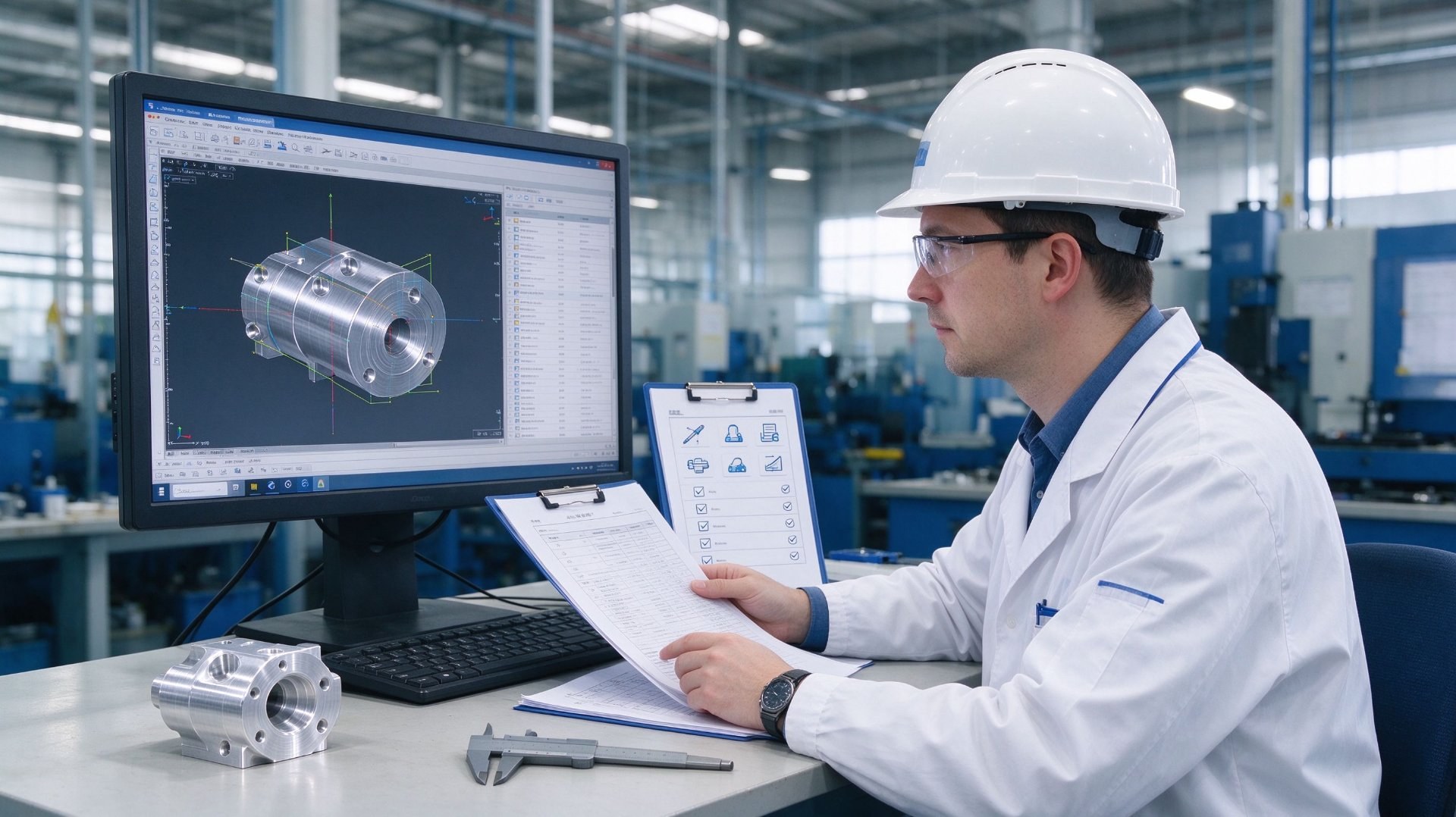
Most static fixture sourcing failures are predictable and can be avoided before the purchase order is issued. This sequence is the one we recommend to buyers evaluating us and to buyers evaluating anyone else.
Step 1: Send a complete data package. A STEP or X_T model for geometry and a 2D drawing for angle, flatness tolerances, material, heat treatment and finish requirements. A 3D model alone leaves flatness and angle specifications open to interpretation, and interpretation is where fixture disputes start. State quantity, target date, destination country and packaging requirement.
Step 2: Ask for DFM feedback before price. A serious supplier comments on wedge self-locking angle, contact area, risk of indentation, material hardness and grind allowance. A quote with no technical questions usually means the drawing was not reviewed carefully.
Step 3: Verify flatness and angle capability with evidence. Ask what inspection method proves angular tolerance and flatness, and whether the number is proven process capability or a theoretical best case. Request inspection reports from comparable static wedge or angle block jobs.
Step 4: Confirm material and heat treatment traceability. Ask for mill certificates and heat treatment reports, especially for hardened wedges. Substitution of steel grade or skipping hardening will cause premature fixture wear.
Step 5: Order a paid prototype and validate it on your fixture plate. Measure angle and flatness, test clamping behavior and check surface indentation risk under your typical workpiece load. A prototype that passes your bench test removes most risk from batch orders.
Step 6: Agree the inspection package up front. First article inspection report, dimensional report, material certificate and heat treatment certificate. Define full inspection for critical datum and contact surfaces before production, not after rejection.
Step 7: Lock schedule, logistics and risk sharing. Confirm lead time from drawing approval rather than inquiry, agree what happens if special steel or heat treatment is delayed, and choose courier for urgent fixture prototypes.
Step 8: Compare total cost, not unit price. A cheaper wedge with soft material and poor flatness will wear quickly, ruin fixture alignment and create unplanned downtime. Total cost includes rework risk and fixture service life.
FAQ: Static Simple Machines & Fixture Machining
Each answer matches the parameter table above. Where a figure is quoted, the source is stated so your quality team can verify it independently.
Q1: What is a machine with few or no moving parts called?
A1: They are commonly called simple machines. Typical examples include wedges, fixed inclined planes, static support blocks and angle blocks. They transfer force by geometry and contact pressure, without rotating, sliding or reciprocating moving assemblies.
Source: factory process capability list, November 2026; ISO 2768-1:1989.
Q2: Why choose a static machine instead of a powered clamping mechanism?
A2: Static simple machines are lower cost, require no air supply or wiring, have almost zero maintenance, and are extremely stable under sustained load. They are ideal for low-frequency manual clamping and fixed workpiece positioning, though they cannot automatically adjust force or stroke.
Source: factory fixture application guideline.
Q3: Which materials are best for CNC machined static wedges?
A3: 45# carbon steel with quenching and tempering is the most common. Tool steel is used for high-cycle heavy clamping, cast iron for large heavy support bases, aluminum 6061/7075 for lightweight low-load angle blocks, and 304 stainless for corrosive workshop environments.
Source: approved material list, factory quality manual.
Q4: Can you grind the contact surfaces of static wedges for better flatness?
A4: Yes. Surface grinding is available for critical contact faces, reaching Ra 0.4 μm and tight flatness tolerance. Grinding adds cost and lead time, so we only recommend it for mating surfaces that require consistent clamping performance over many cycles.
Source: surface finish specification sheet; roughness tester measurement.
Q5: What is the minimum order quantity for custom static fixture blocks?
A5: One piece prototype orders are accepted, and there is no tooling charge, because static fixture machining requires no dedicated mold or die. Programming and setup costs are included in quotation.
Source: quotation policy, factory sales manual.
Q6: What is the maximum size of a custom machined static support block?
A6: Milling up to 1200 × 800 × 500 mm. Extra large static supports can be split into multiple matched blocks if a single workpiece cannot fit inside the machine envelope.
Source: machine specification list, November 2026.
Q7: What lead time should I plan for custom static simple machine components?
A7: 5 to 7 working days for prototypes after drawing approval, and 12 to 18 working days for batch parts. Heat treatment and grinding typically add extra days to the schedule.
Source: production planning standard, November 2026.
Q8: How are untoleranced angles and dimensions handled on static fixture drawings?
A8: STEP, IGES, X_T, DWG, DXF and PDF are accepted. Untoleranced dimensions follow ISO 2768-m by default, or ISO 2768-f where finer control is required, with GD&T per ASME Y14.5-2018. Angle tolerance requirements should be explicitly noted on the 2D drawing.
Source: ISO 2768-1:1989, ISO 2768-2:1989, ASME Y14.5-2018.
Q9: What inspection documents will I receive for static fixture parts?
A9: First article inspection report, dimensional report covering angle, flatness and critical dimensions, material certificate, and heat treatment or surface treatment certificates where applicable.
Source: ISO 9001:2015 aligned quality control procedure; inspection equipment list.
Conclusion and Quote Request
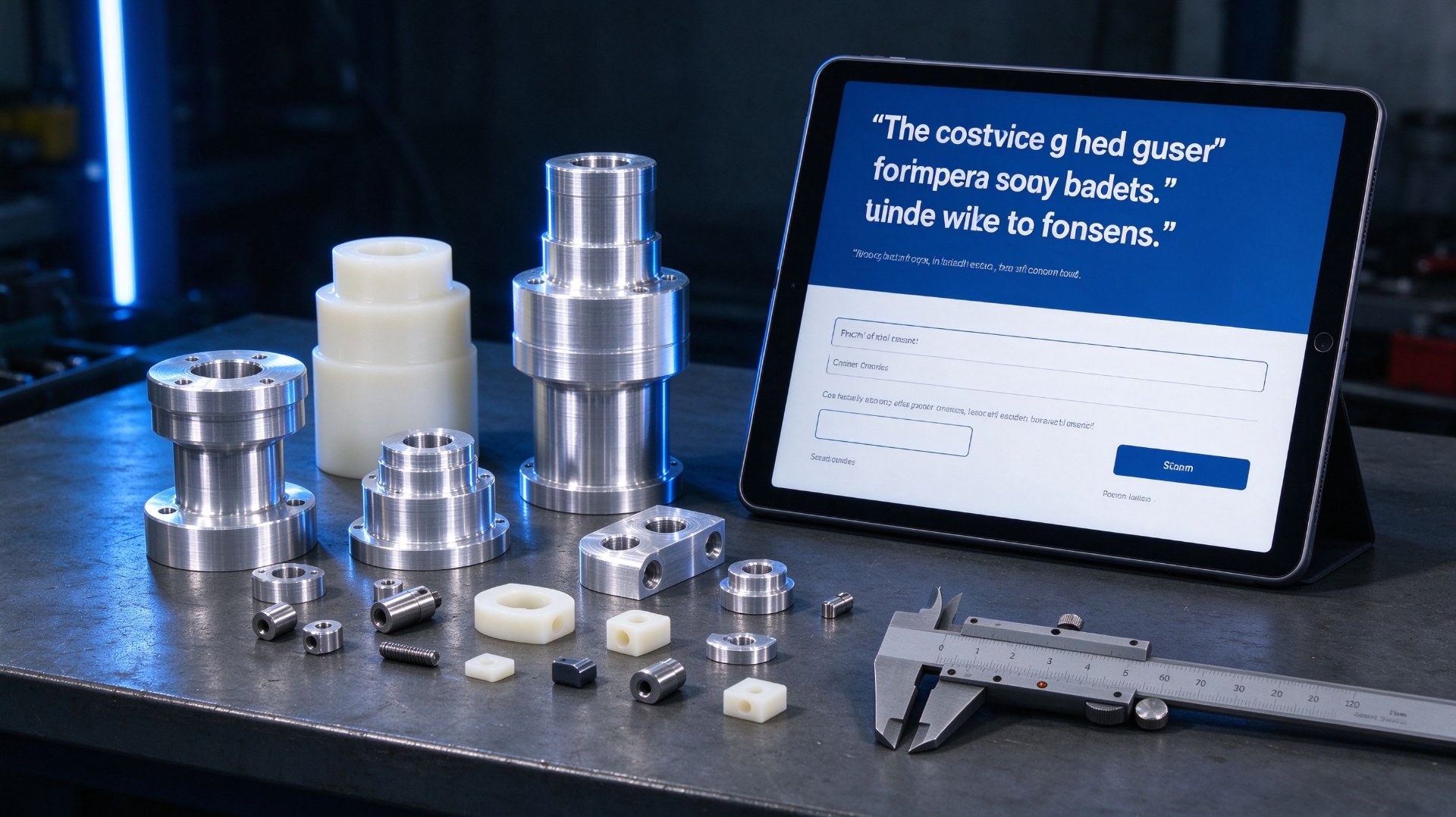
You now have a working answer to a machine with few or no moving parts from a buying perspective: what these static simple machines are, common types used on the shop floor, which tolerances and finishes matter most for fixture work, typical industrial uses, and how to qualify a supplier before committing a purchase order.
If your project needs custom static fixture and simple machine components in metal, send your 2D drawing and 3D model with quantity, material, finish, heat treatment requirement and target date. Our engineering team will review manufacturability, check wedge self-locking and flatness requirements, confirm applicable tolerances, and return a quotation with lead time and inspection plan. No catalogue parts, no reselling, no vague promises: we machine static wedges, angle blocks and support fixtures exactly as you specify and document what we ship.
Get In Touch
Ready to source precision static fixture parts from your drawing? Contact us today.
📄 Request a Technical Datasheet
Contact Us →📞 Speak with Our Engineering Team
Get In Touch →🔗 Browse Our Custom Machining Solutions
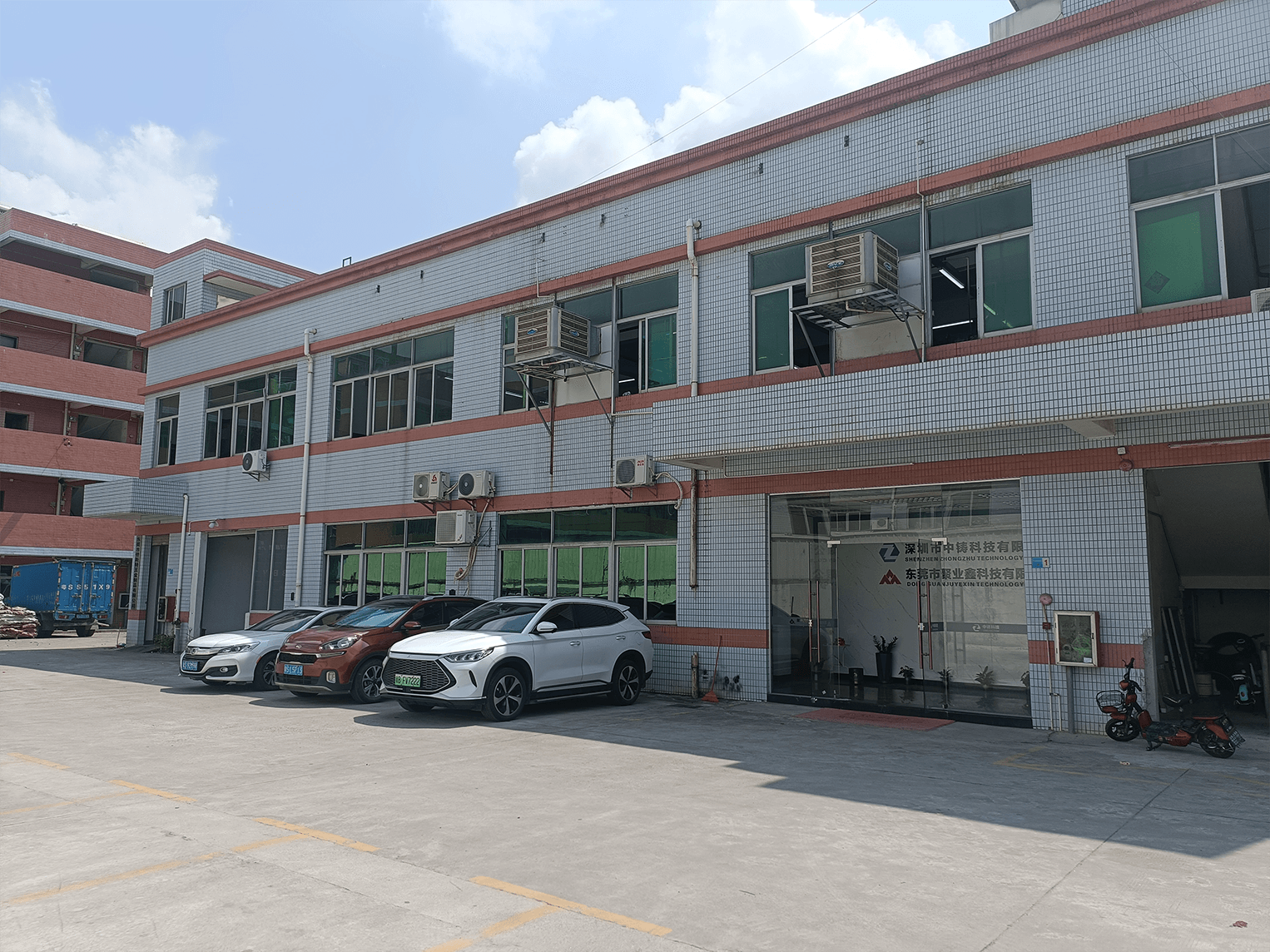
View Services →Shenzhen Zhongzhu Technology Co., Limited.
315 PING 'AN AVENUE, PINGHU STREET, LONGGANG DISTRICT,
SHENZHEN CITY, GUANGDONG PROVINCE
📞 +86 18688963321
✉ samuel@chnzhongzhu.com
Precision Parts. Proven Process.


a machine can make 56 parts in 4 hours
Related Article