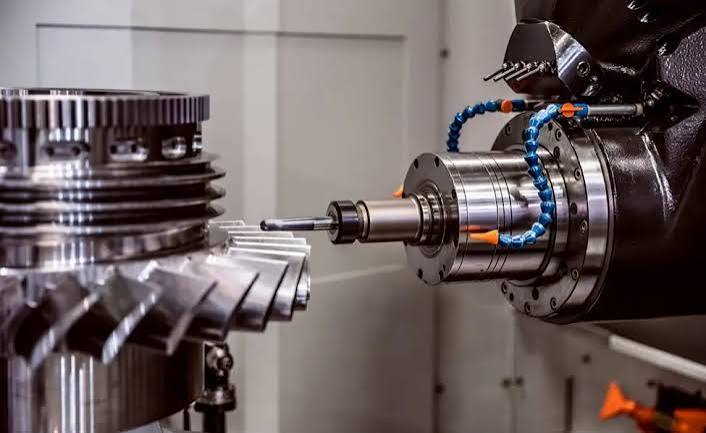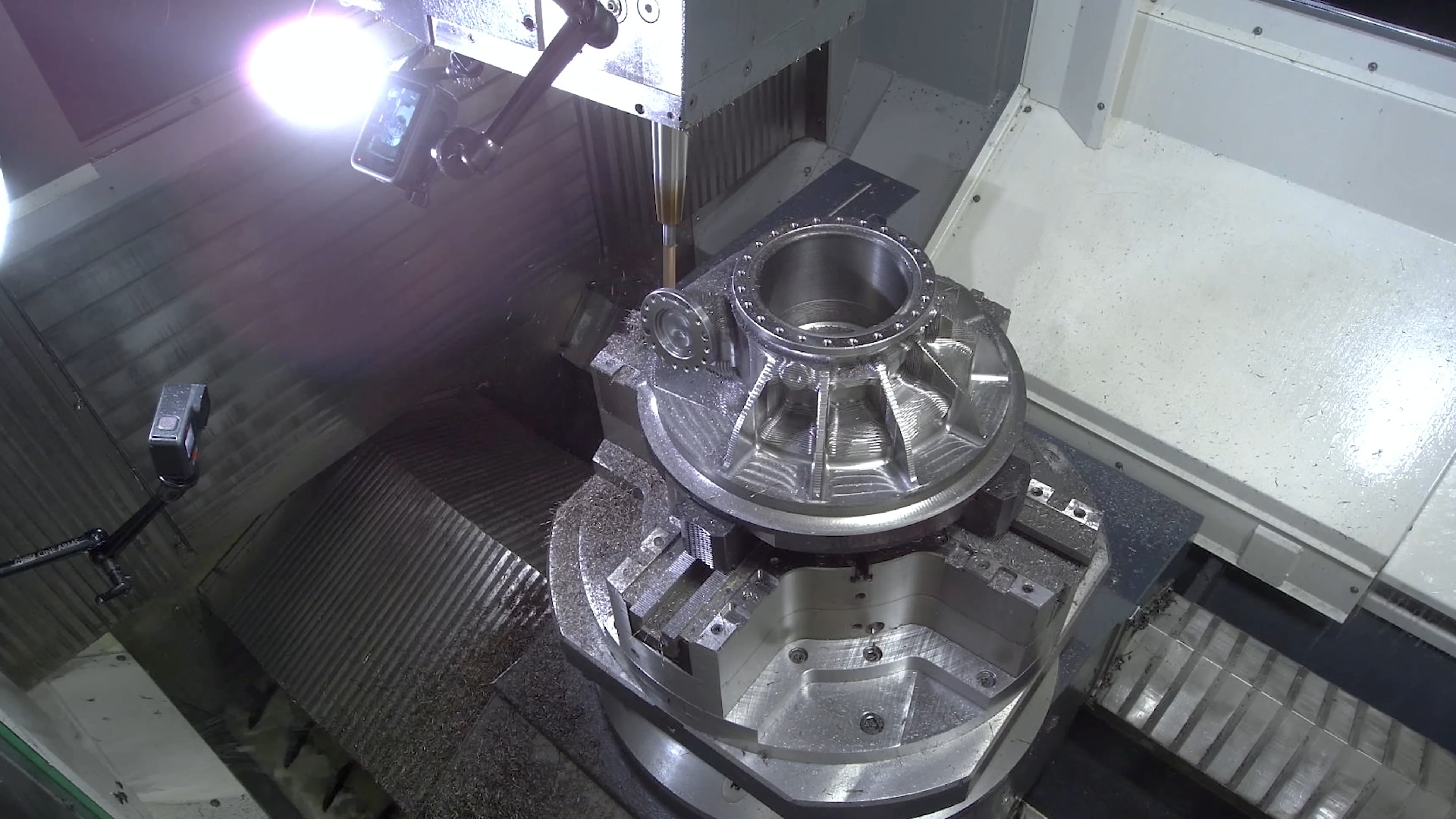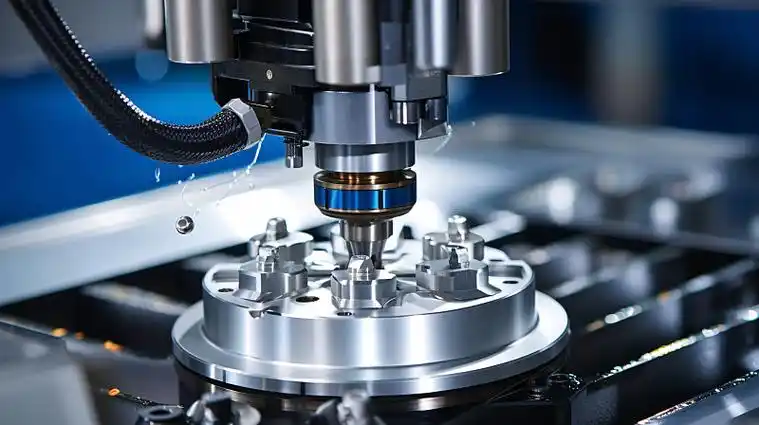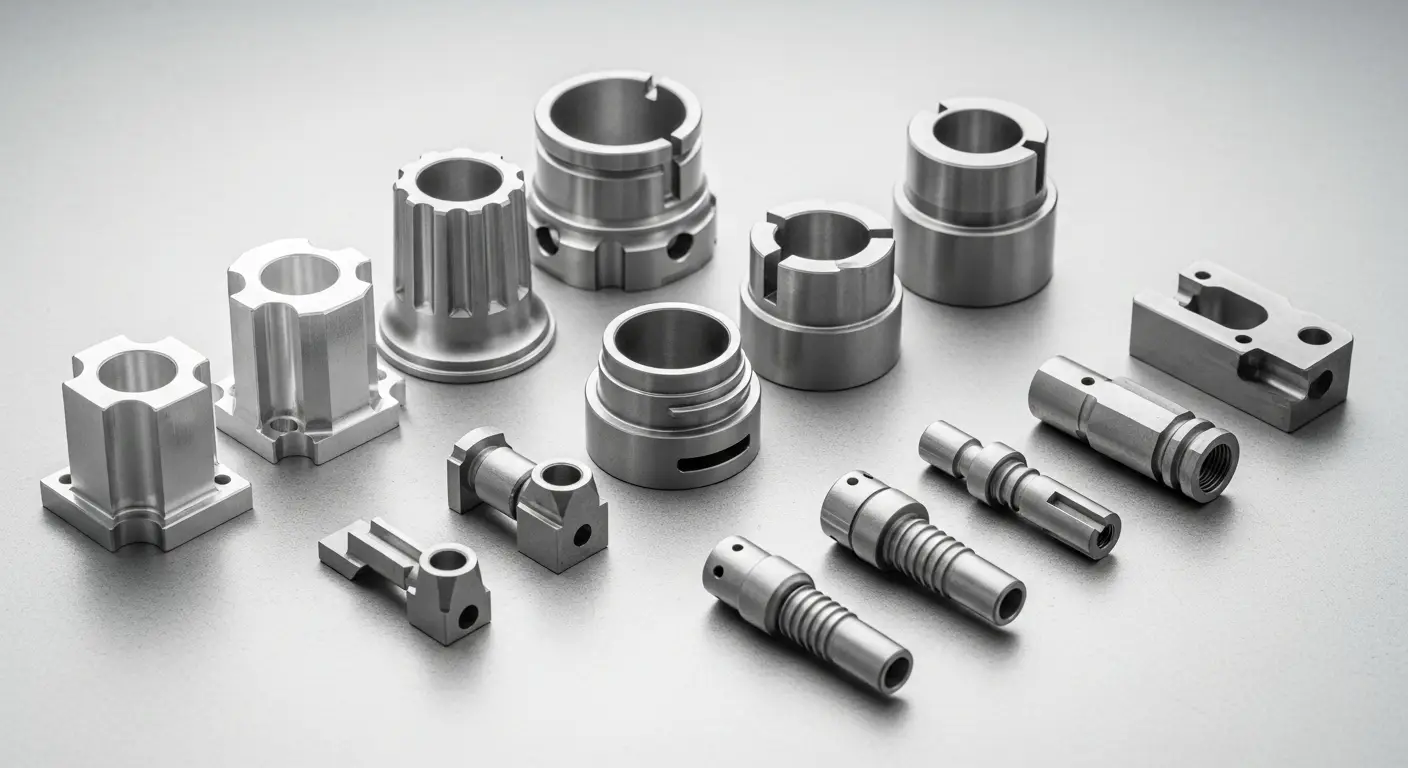
a machine can make 56 parts in 4 hours
A Machine Can Make 56 Parts in 4 Hours: A Practical Guide to CNC Machining Production Rate & Capacity Calculation
Are production rates like 56 parts in 4 hours reliable when you quote CNC machining orders? This is a typical math question that every procurement manager and production engineer needs to understand. The short answer is that this baseline rate works for ideal continuous running conditions, but real factory output is always lower due to setup, tool change, inspection, material loading and unexpected downtime. This guide walks you through how to calculate machine cycle rate, adjust for real-world efficiency, schedule batches, and verify supplier capacity before placing your machined parts order.
Knowing how to interpret a stated machine production rate helps you avoid missed delivery dates, over-promised lead times and inflated capacity claims from machining vendors. Buyers should always separate theoretical maximum output from achievable shop-floor throughput.
- Theoretical Production Rate Calculation
- Key Factors That Reduce Real CNC Machine Output
- Theoretical vs Actual Output Comparison Table
- Common Productivity Losses & Corrective Actions
- How Machining Suppliers Use Rate Data for Lead Time Quotes
- How to Evaluate a Supplier’s Real Production Capacity
- FAQ: CNC Machine Production Rate & Cycle Time
- Conclusion and Quote Request
Theoretical Production Rate Calculation
If a machine can make 56 parts in 4 hours under perfect running conditions, we first calculate the base cycle rate. This is the theoretical number that suppliers often use in rough capacity planning before adding downtime losses.
Basic math breakdown:
- Total parts: 56 units
- Total runtime: 4 hours
- Theoretical hourly rate = 56 ÷ 4 = 14 parts per hour
- Theoretical cycle time per part = 60 minutes ÷ 14 ≈ 4.29 minutes per piece
This number assumes the machine runs nonstop: no program setup, no raw material loading, no tool wear changes, no quality checks, no chip clearing, no machine warm-up, no operator breaks, and zero rejected parts. This perfect scenario almost never happens on a real CNC shop floor.
For industrial buyers, the theoretical rate is only a starting reference. You must apply an efficiency factor, commonly between 60% and 85% for stable CNC machining jobs. Complex parts, frequent tool changes or tight tolerance requirements push efficiency down toward the lower end of that range.
Before accepting a capacity estimate, buyers should confirm:
- Whether the quoted rate includes setup time or only pure cutting runtime
- Material type: aluminum, steel, brass, stainless steel, plastic
- Part complexity: simple turning, multi-axis milling, deep holes, threading
- Tolerance requirements and first article inspection rules
- Batch size (small prototype runs have much lower overall efficiency)
- Operator allocation: one operator tending 1 machine or multiple machines
In other words, a machine can make 56 parts in 4 hours describes ideal cycle throughput, not the delivery rate you can rely on for your purchase order.
Key Factors That Reduce Real CNC Machine Output
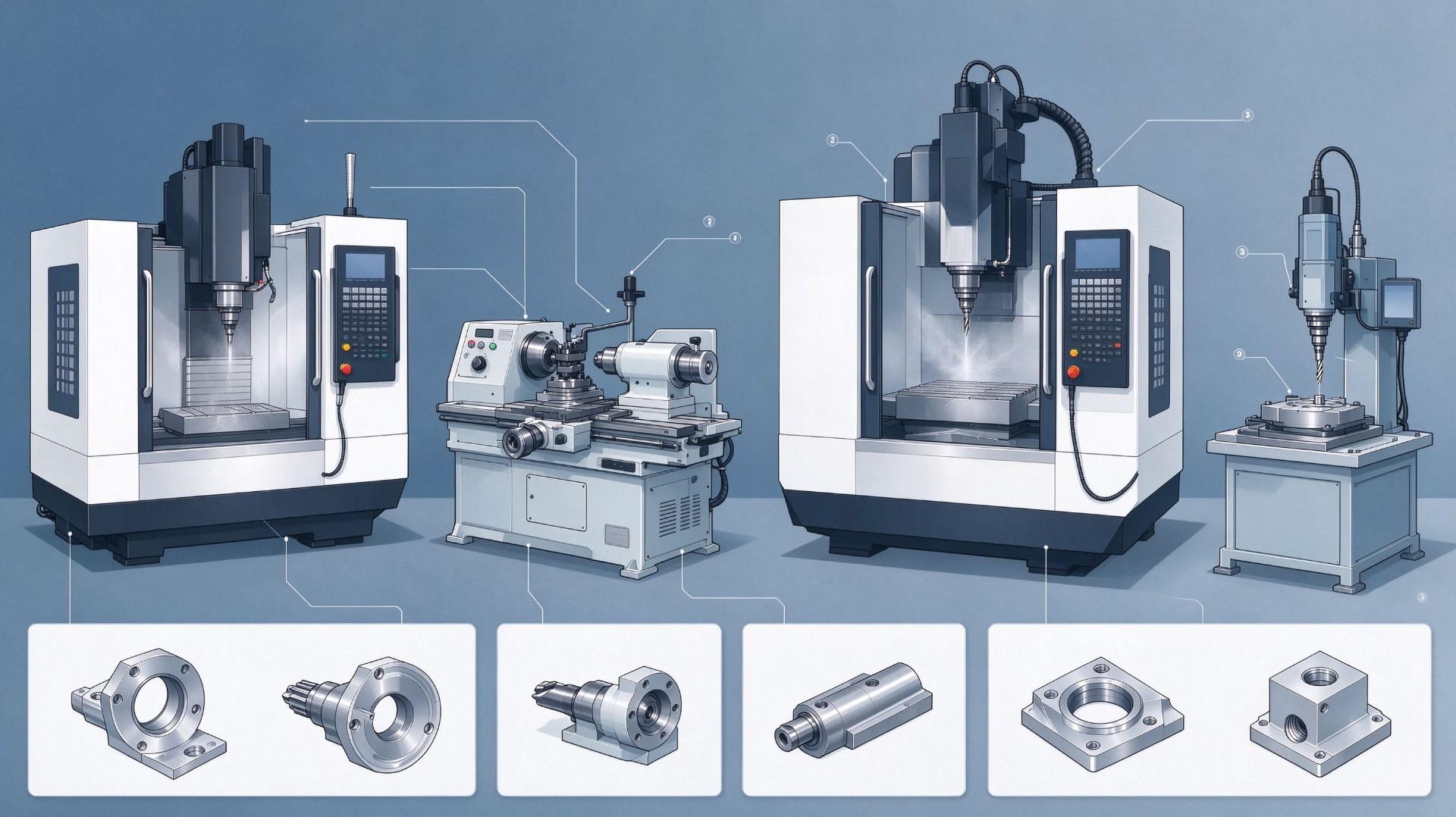
After the CNC program is ready, many hidden activities eat into available cutting time. Every one of these factors lowers the real number of finished parts shipped each day.
1. Job setup time: Fixture installation, workholding alignment, program upload, tool setting, probe calibration and first article trial cut. Setup overhead hurts small batches the most.
2. Raw stock loading & unloading: Bar feeder loading, billet clamping, removing finished parts, clearing chips from jaws and fixtures between cycles.
3. Tool wear and tool change: Cutting tools degrade over time, especially machining stainless steel or hardened steel. Planned tool swaps and emergency broken tool stops reduce uptime.
4. In-process quality inspection: Operators stop the machine periodically to measure dimensions, check surface finish and confirm tolerances with calipers, micrometers or CMM.
5. Machine maintenance and cleaning: Spindle lubrication, coolant tank maintenance, chip bin emptying, scheduled preventive maintenance.
6. Rejects and rework: Parts out of tolerance, surface defects or scrapped pieces reduce net good-parts output.
7. Operator availability and shift gaps: Shift handover, breaks, and situations where one operator manages several machines create waiting time.
8. Material variation: Hardness inconsistency in raw bar stock can force slower cutting speeds and feeds to avoid tool failure.
Simple aluminum turned parts often hold higher efficiency. Hardened steel, thin-wall fragile components and complex 5-axis geometry usually carry much lower realized productivity.
Theoretical vs Actual Output Comparison Table
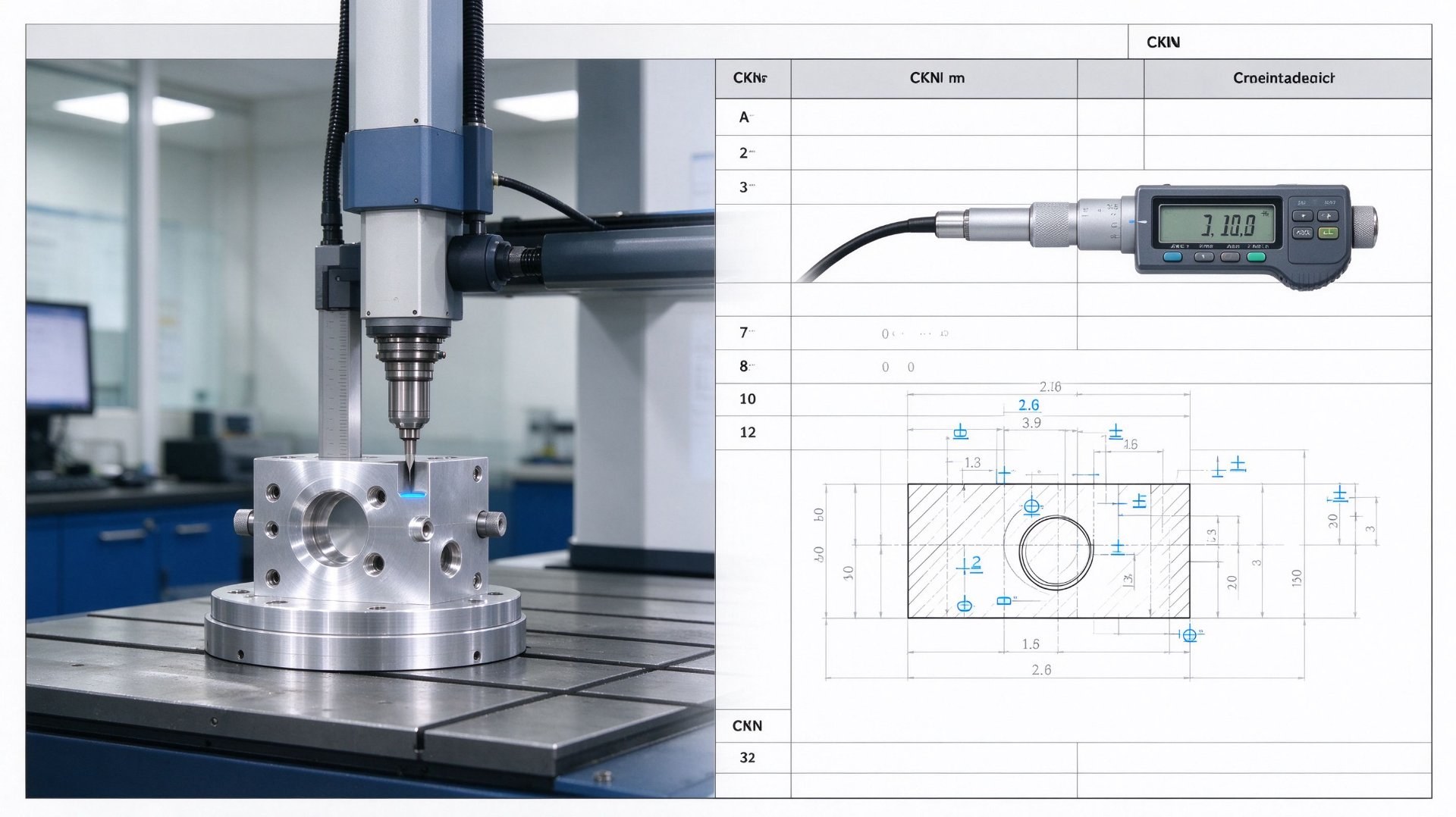
| Scenario | Efficiency | Good Parts in 4 Hours | Typical Job Type |
|---|---|---|---|
| Theoretical ideal run | 100% | 56 pcs | Continuous cycle test, no setup, no inspection |
| Stable simple aluminum parts | 80% | 44 ~ 45 pcs | Standard turning, bar feed, loose tolerances |
| General mixed machining job | 70% | 39 pcs | Mild steel, regular inspection, occasional tool swap |
| Complex / tight tolerance / stainless steel | 60% | 33 ~ 34 pcs | 5-axis milling, thin wall, frequent measurement |
| Small prototype batch with full setup | 40~50% | 22 ~ 28 pcs | First article, custom fixture, small quantity |
Can we use this 14 pcs/hour rate directly for lead time calculation? Only for mature, high-volume repeat orders with proven fixtures and stable tool life. For new parts or prototype work, always add extra buffer time for setup and debugging.
Does more machines automatically mean faster delivery? Only if skilled operators, fixtures, raw material and QC capacity are available. Many shops have idle machines but lack enough trained staff to run them simultaneously.
Common Productivity Losses & Corrective Actions
| Loss Category | Root Cause | Supplier Control Measure |
|---|---|---|
| Long setup delay | Custom fixture design, repeated trial cuts | Pre-build reusable jigs, standard workholding library |
| Frequent tool breakage | Wrong cutting parameters, poor tool grade, hard material | Test cutting speed/feed, use coated carbide tools |
| Excessive manual measurement stops | No in-machine probe, tight tolerance requirement | Add probing cycles, batch sampling QC plan |
| Scrap & rework | Program bug, stock misalignment, tool drift | First article approval before full batch release |
| Slow part loading/unloading | Manual clamping, no bar feeder or auto unloader | Bar feeders, pneumatic clamps for high volume |
| Coolant & chip maintenance stops | Chip buildup, clogged filters, dirty coolant | Scheduled chip removal and coolant filtration routine |
One common mistake buyers make is planning delivery purely from the theoretical cycle rate. When suppliers quote based only on ideal cutting time, they will almost certainly miss the promised lead time once setup and inspection losses kick in.
OEE (Overall Equipment Effectiveness) is the standard metric factories use to combine availability, performance and quality. It gives you a realistic view of how much usable output you can expect over a production run.
How Machining Suppliers Use Rate Data for Lead Time Quotes
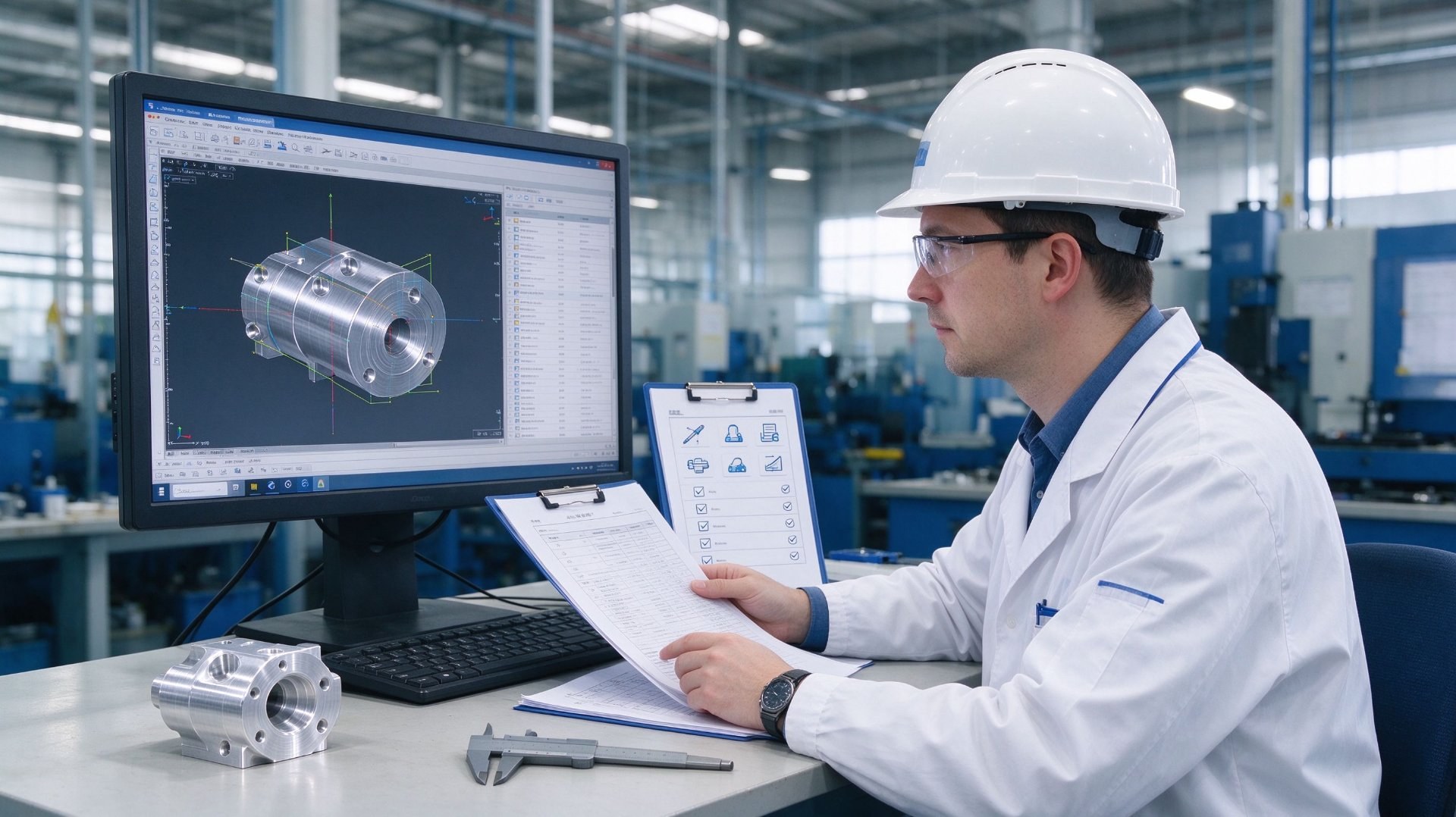
When you send a drawing for quotation, a responsible supplier does not just multiply total quantity by the theoretical 14 pcs/hour rate. They build the timeline in this sequence:
- Programming and fixture design time
- Raw material sourcing and stock preparation
- Machine setup, tool setting and first article trial
- First article inspection and drawing validation
- Batch production time adjusted by real OEE efficiency
- In-process sampling inspection
- Deburring, cleaning, surface finishing (anodize, passivation etc.)
- Final full inspection, packing and preparation for shipment
Surface finishing like anodizing or plating adds extra days outside CNC cutting time, and these secondary processes often become the real bottleneck even if the CNC machine itself is fast.
If your order mixes multiple different part numbers, each unique part carries its own setup overhead. Splitting capacity across different part designs reduces overall throughput significantly.
How to Evaluate a Supplier’s Real Production Capacity
When sourcing machined components, do not accept a stated parts-per-hour rate without validation. Use these checks during supplier qualification.
Step 1: Ask for their OEE or realized efficiency target for your part type.
Confirm whether the rate they shared is pure cycle time or includes setup, inspection and operator handling time.
Step 2: Request a time breakdown sheet for your batch.
Separate setup hours, cutting runtime, QC hours and secondary treatment hours so you can spot hidden bottlenecks.
Step 3: Confirm machine allocation and shift schedule.
Clarify if the job runs single shift, double shift or lights-out unattended operation. Lights-out production can boost output when parts are stable and tool life is predictable.
Step 4: Review their quality reject rate history on similar parts.
A high scrap percentage means you need to order extra stock and extend lead time to compensate.
Step 5: Verify secondary process capacity.
Even if CNC machines are fast, outsourced plating, heat treatment or anodizing queues often delay shipment.
Step 6: Ask for a small pre-production trial run before mass order release.
A short trial run lets you observe the real hourly output, reject rate and cycle stability before committing to large volume.
Step 7: Clarify buffer time for unexpected interruptions.
Good suppliers build contingency buffer into lead time; low-cost vendors often omit buffers to quote faster delivery, creating delays later.
FAQ: CNC Machine Production Rate & Cycle Time
These answers address common questions from procurement engineers, product designers and industrial buyers sourcing CNC machined components.
Q1: If a machine can make 56 parts in 4 hours, how many parts per hour is that theoretically?
A1: The theoretical rate is 14 parts per hour, assuming continuous running with zero stop time, no setup and no inspection.
Source: CNC production cycle calculation standards.
Q2: Is 14 parts per hour a rate I can use to calculate delivery dates?
A2: Not directly. You must multiply the theoretical rate by the shop OEE efficiency factor, typically between 0.6 and 0.85 for normal CNC jobs.
Source: Manufacturing OEE capacity planning practice.
Q3: What is OEE and why does it matter for machining orders?
A3: OEE, or Overall Equipment Effectiveness, accounts for downtime, speed loss and scrap. It shows the percentage of ideal output you can realistically expect from a CNC machine.
Source: Lean manufacturing production management guidelines.
Q4: Why is the actual number of finished good parts always lower than theoretical?
A4: Setup, tool changes, loading/unloading, dimension checks, machine cleaning and rejected scrap all consume time that is not counted in pure cutting cycle time.
Source: Machining shop floor operation data.
Q5: Can lights-out unattended CNC running hit closer to the theoretical 14 pcs/hour?
A5: Yes for simple, stable parts with long tool life and auto bar feed. Manual loading and frequent measurement jobs are not suitable for unattended runs.
Source: Automated CNC turning best practice.
Q6: Does material change the achievable production rate?
A6: Definitely. Aluminum runs much faster than stainless steel, titanium or hardened steel, which require slower feeds and frequent tool replacement.
Source: Cutting tool and machining parameter references.
Q7: How should I ask a supplier to validate their quoted capacity?
A7: Request a breakdown including setup hours, hourly good-part target, scrap allowance and secondary process lead time, not just cycle time math.
Source: Buyer-supplier quotation alignment practice.
Q8: What is the difference between cycle time and takt time?
A8: Cycle time is the machine time to finish one part. Takt time matches production speed to customer demand, including all non-cutting overhead time.
Source: Production planning terminology.
Q9: For small prototype batches, why is efficiency much lower?
A9: Setup, program verification and first article inspection take fixed time regardless of batch size. A small order carries high overhead relative to the total cutting runtime.
Source: Prototype machining workflow characteristics.
Q10: Can I add extra machines to make up for low efficiency?
A10: Adding machines helps only if you also have operators, fixtures, raw material and QC resources ready. Machines alone do not guarantee faster output.
Source: CNC workshop capacity balancing principles.
Conclusion and Quote Request
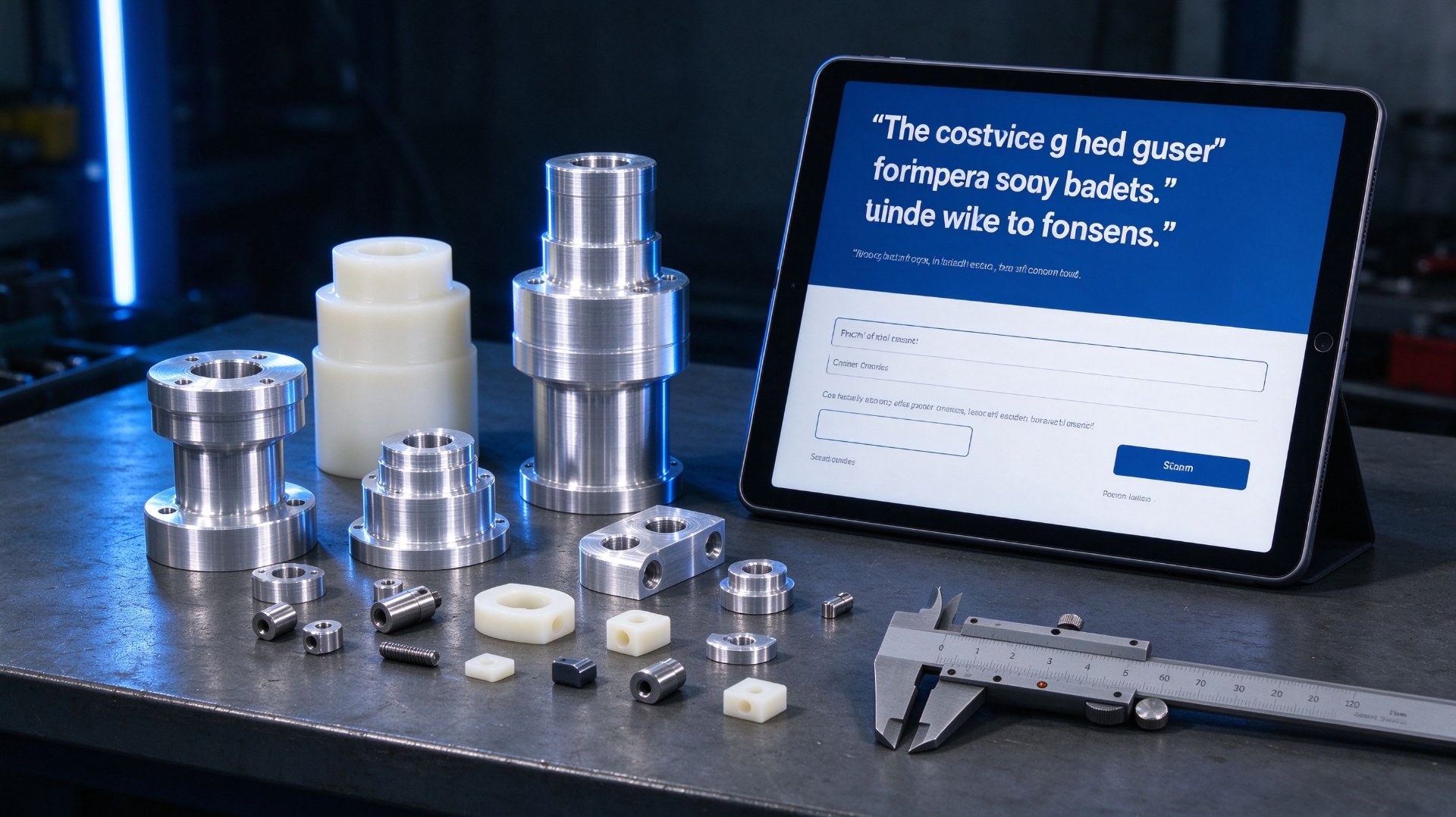
So, a machine can make 56 parts in 4 hours gives you a clean theoretical baseline of 14 pieces per hour, but real-world CNC production always falls short of this ideal number. The gap comes from setup, tooling, inspection, operator work and quality scrap. Successful procurement teams learn to apply efficiency factors and ask suppliers for transparent time breakdowns before locking delivery schedules.
For industrial buyers, production rate math is not just textbook arithmetic. It is the foundation of reliable lead time planning, budget control and supplier performance management. Always separate theoretical cycle speed from proven achievable throughput.
At Shenzhen Zhongzhu Technology Co., Ltd., we provide custom CNC machining for aluminum, steel, brass and stainless steel parts, with clear production scheduling, OEE-based capacity planning, in-process QC and secondary surface treatment services. If you are sourcing machined components, send us your 2D drawing, 3D file, tolerance specs, material requirement and order quantity.
Our engineering team will calculate realistic cycle time, batch timeline and lead time for your project. We support prototype sampling and mass production batches.
Get In Touch
Looking for a reliable manufacturing partner for your custom CNC machined parts? Contact our team today.
Shenzhen Zhongzhu Technology Co., Ltd.
Custom metal components, precision machining, die casting, stamping and plastic components.
📄 Request a Technical Review or Quotation
Contact Us →📞 Speak with Our Team
Get In Touch →🔗 Explore Our Manufacturing Services
View Products & Services →Shenzhen Zhongzhu Technology Co., Ltd.
315 PING 'AN AVENUE, PINGHU STREET, LONGGANG DISTRICT, SHENZHEN CITY, GUANGDONG PROVINCE
📞 +86 18688963321
✉ samuel@chnzhongzhu.com
Shenzhen Zhongzhu Technology


a machine with few or no moving parts
a grinding machine in an auto parts plant
Related Article