
What is Die Casting?
Author: SZTC
2025-03-08
Die casting is a manufacturing process that has been widely used across various industries for decades. It involves the creation of metal parts by injecting molten metal under high pressure into a mold cavity. This highly efficient and precise method allows for the production of complex, high-quality components with tight tolerances and excellent surface finishes. In this blog post, we will explore the ins and outs of die casting, including its working principles, process steps, applications, advantages, and more.
Understanding the Basics of Die Casting
Definition
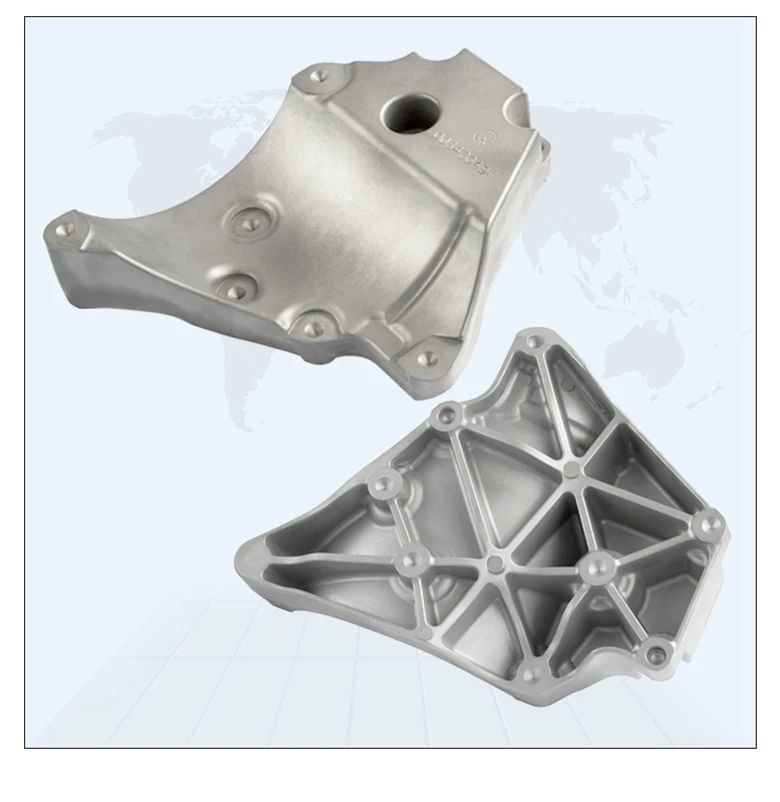
Die casting can be defined as a metal casting process in which molten metal is forced into a mold, known as a die. The die is typically made of two halves that can be opened and closed. Once the molten metal is injected into the closed die, it cools and solidifies, taking on the shape of the die cavity. After solidification, the die is opened, and the newly formed part, or casting, is ejected.
Working Principles
The core principle of die casting lies in the use of high pressure to inject the molten metal. The pressure ensures that the metal fills every nook and cranny of the die cavity, even in areas with intricate details. This high - pressure injection also helps in achieving a rapid solidification of the metal, which contributes to the production of parts with fine - grained microstructures. Fine - grained microstructures, in turn, result in better mechanical properties such as increased strength and hardness.
The process begins with the preparation of the die. Dies are usually made from high - strength tool steels to withstand the repeated exposure to high temperatures and pressures. The die is designed according to the specific shape and dimensions of the part to be cast. Once the die is ready, the molten metal, which is typically an alloy such as aluminum, zinc, or magnesium, is heated to its melting point.
The molten metal is then transferred to an injection chamber. In hot - chamber die casting, the injection chamber is constantly filled with molten metal, and a piston is used to force the metal into the die cavity. In cold - chamber die casting, the molten metal is ladled into the injection chamber just before each shot. The injection pressure can range from a few hundred to several thousand pounds per square inch (psi), depending on the complexity of the part and the type of metal being cast.
The Die Casting Process Step - by - Step
Die Preparation
As mentioned earlier, the die is a crucial component of the die - casting process. It must be designed with great precision to ensure that the final part meets all the required specifications. Designers use computer - aided design (CAD) software to create a 3D model of the die. This model takes into account factors such as the part's geometry, draft angles (angles added to the walls of the die cavity to facilitate part ejection), and gating systems (the channels through which the molten metal enters the die cavity).
Once the design is complete, the die is manufactured using advanced machining techniques. The two halves of the die, the stationary half (also known as the cover die) and the moving half (the ejector die), are machined to exact tolerances. The die may also include additional features such as cooling channels to help control the cooling rate of the molten metal and vents to allow the escape of air and gases from the die cavity.
Metal Melting
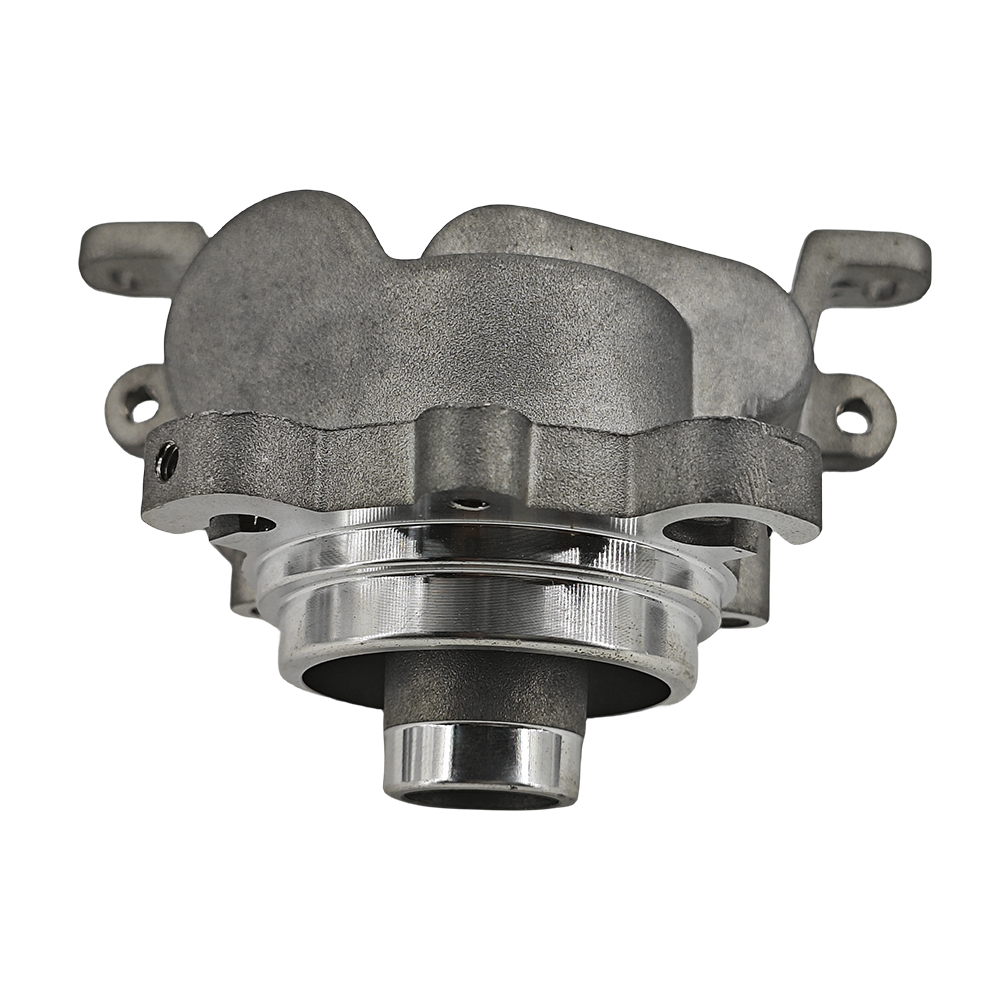
The choice of metal for die casting depends on the requirements of the final part. Aluminum alloys are very popular in die casting due to their high strength - to - weight ratio, good corrosion resistance, and excellent castability. Zinc alloys are also widely used, especially for parts that require high dimensional accuracy and a smooth surface finish. Magnesium alloys, known for their low density and good mechanical properties, are used in applications where weight reduction is critical, such as in the automotive and aerospace industries.
The selected metal is melted in a furnace. For aluminum, the melting temperature typically ranges from 600 - 700°C (1112 - 1292°F), while for zinc, it is around 400 - 450°C (752 - 842°F). The molten metal is carefully monitored to ensure that it has the right temperature and chemical composition before being transferred to the injection chamber.

Injection
In the injection stage, the molten metal is forced into the die cavity. In hot - chamber die casting, the injection system consists of a gooseneck and a piston. The gooseneck is submerged in the molten metal bath, and when the piston moves forward, it pushes the molten metal through the gooseneck and into the die cavity. Cold - chamber die casting, on the other hand, uses a separate injection chamber. A ladle is used to pour the molten metal into the injection chamber, and then a hydraulic or mechanical plunger forces the metal into the die at high pressure.
The injection speed and pressure are carefully controlled to ensure that the molten metal fills the die cavity evenly and without turbulence. Turbulence can cause defects such as air entrapment and porosity in the final casting.

Cooling and Solidification
Once the die cavity is filled with molten metal, the cooling process begins. The cooling rate is an important factor as it affects the microstructure and mechanical properties of the casting. The die may have internal cooling channels through which a coolant, usually water or an oil - based coolant, is circulated. The coolant absorbs heat from the die, which in turn cools the molten metal inside the cavity.
As the metal cools, it solidifies and takes on the shape of the die cavity. The time required for solidification depends on the thickness of the part, the type of metal, and the cooling rate. Thicker sections of the part will take longer to solidify than thinner sections.
Ejection
After the metal has solidified completely, the die is opened. The moving half of the die, which contains the ejector pins, moves away from the stationary half. The ejector pins then push the casting out of the die cavity. In some cases, the casting may still be hot when it is ejected, and it may require further cooling in a separate area.
The ejected casting may have some excess material, such as gates and runners (the channels through which the molten metal entered and exited the die cavity). These are removed in the subsequent finishing operations.

Applications of Die Casting
Automotive Industry
The automotive industry is one of the largest consumers of die - cast parts. Die - cast aluminum and magnesium components are used extensively in engines, transmissions, and chassis parts. For example, engine blocks, cylinder heads, and transmission housings are often made through die casting. These parts need to be lightweight to improve fuel efficiency while still maintaining high strength to withstand the stresses of engine operation. Die - cast parts also contribute to the overall safety of the vehicle by providing structural integrity.
Electronics Industry
In the electronics industry, die casting is used to produce enclosures for electronic devices. Zinc - alloy die - cast enclosures are popular due to their excellent dimensional stability, which is important for protecting delicate electronic components. These enclosures can be made with very thin walls, which helps in reducing the weight of the device. Die - cast parts are also used in the production of heat sinks, which are essential for dissipating heat generated by electronic components such as microprocessors.
Aerospace Industry
Aerospace applications demand components that are both lightweight and extremely strong. Die - cast magnesium and aluminum alloys meet these requirements. Parts such as engine components, wing components, and landing gear parts are often made using die casting. The high - precision nature of die casting allows for the production of parts with complex geometries that are crucial for optimizing the aerodynamic performance of aircraft.
Consumer Goods
Die - cast parts are also found in a wide range of consumer goods. For example, in appliances such as washing machines and refrigerators, die - cast components are used in the motors and mechanical linkages. In toys, die - cast metal parts can add durability and a high - quality feel. Furniture may also contain die - cast metal components for decorative and functional purposes, such as in the legs of some high - end furniture pieces.
Advantages of Die Casting
High - Volume Production
Die casting is highly suitable for high - volume production. Once the die is set up, the process can be automated, allowing for the rapid production of large numbers of identical parts. The cycle time for die casting, from injection to ejection, can be very short, often ranging from a few seconds to a minute or two, depending on the complexity of the part. This high - speed production capability makes die casting a cost - effective option for mass - produced parts.
Precision and Complexity
The ability to produce parts with high precision and complex geometries is one of the major advantages of die casting. The high - pressure injection of molten metal ensures that even the most intricate details of the die cavity are replicated in the final casting. Parts can be made with very tight tolerances, often within ±0.05 mm or even less in some cases. This precision reduces the need for extensive machining after casting, saving both time and cost.
Good Surface Finish
Die - cast parts typically have a very good surface finish. The smooth surface of the die cavity is transferred to the casting, resulting in a part that may not require much additional surface treatment. This is beneficial not only for aesthetic reasons but also for applications where a smooth surface is necessary for proper functioning, such as in parts that require a tight fit or in components that need to move smoothly against other parts.
Mechanical Properties
The rapid cooling and solidification in die casting result in parts with fine - grained microstructures. This gives die - cast parts excellent mechanical properties, including high strength, hardness, and good fatigue resistance. These properties make die - cast parts suitable for use in demanding applications where reliability and durability are crucial.
Challenges and Limitations of Die Casting
High Initial Tooling Costs
The cost of designing and manufacturing the die is relatively high. Dies need to be made from high - quality tool steels and require precise machining to ensure accurate part production. For low - volume production runs, the high tooling cost may not be economically viable. However, as the production volume increases, the cost per part decreases significantly, making die casting more cost - effective.
Limited Material Selection
While there are several metal alloys that can be used in die casting, the selection is still somewhat limited compared to other manufacturing processes. Some metals with very high melting points or poor flow characteristics are not suitable for die casting. Additionally, the alloys used in die casting may have specific chemical composition requirements to ensure proper casting behavior.
Porosity and Defects
Despite the many advantages, die - cast parts can sometimes suffer from porosity and other defects. Air entrapment during the injection process can lead to the formation of pores within the casting. These pores can reduce the strength and density of the part. Although modern die - casting techniques and process controls have significantly reduced the occurrence of such defects, they still remain a potential challenge.
Future Trends in Die Casting
Advanced Materials
As industries continue to demand parts with better performance characteristics, the development of new die - casting materials is an area of ongoing research. New alloy compositions are being explored to further improve the strength - to - weight ratio, corrosion resistance, and other properties of die - cast parts. For example, the development of high - strength aluminum alloys with enhanced heat - resistance could open up new applications in the automotive and aerospace industries.
Process Optimization
There is a continuous effort to optimize the die - casting process to reduce costs, improve quality, and increase productivity. This includes the use of advanced simulation software to predict and analyze the flow of molten metal in the die cavity, allowing for better die design and process parameter optimization. Real - time monitoring of the die - casting process using sensors is also becoming more common, enabling immediate adjustments to be made to prevent defects and ensure consistent part quality.
Sustainability
Sustainability is an important trend in manufacturing, and die casting is no exception. There is a growing focus on reducing energy consumption during the die - casting process. This can be achieved through more efficient heating and cooling systems, as well as the use of recycled metals. Recycling die - cast parts at the end of their life cycle helps to conserve natural resources and reduce the environmental impact of the manufacturing process.
In conclusion, die casting is a versatile and important manufacturing process that plays a vital role in many industries. Its ability to produce high - quality, complex parts in large volumes makes it an attractive option for a wide range of applications. While there are challenges associated with die casting, ongoing research and technological advancements are constantly improving the process and expanding its capabilities. As we look to the future, die casting is likely to continue evolving and contributing to the development of innovative products across various sectors.
What is a Die in Casting?
Which rivet is used to fasten buildings made of magnesium alloy?
Related Article

Fast sampling is the fastest way to win business in the hardware machining and plastic mold industries. Customers want a working sample in days, and a 3D printer delivers it, but only when you know how to print in 3d correctly.
how to print in 3d

Fast sampling is the fastest way to win business in the hardware machining and plastic mold industries. Customers often send an STL file and expect a working sample in days.
how to print an stl file

