
Who Invented the 3D Technology for Mold and Hardware Rapid Sampling
Author: SZTC
2026-08-29


Samuel Song Your service representative
Specializing in zinc-aluminum-magnesium alloy die-casting processing, CNC milling, CNC turning, 3D printing, injection molding and sheet metal processing. Manufacturing services.
-----------------------------------------------------------------------------------------------------------------------------------------------------------------------------------------------------------------------------------------------------------------------------------------------------------------------------------------------
3D additive technology has completely changed rapid sample manufacturing for plastic mold and hardware processing industries. Many industrial practitioners often ask who invented the 3D manufacturing technology that supports modern fast prototyping. Tracking down its inventors and technical origins helps factories better understand and utilize 3D printing for high-efficiency sample verification and product iteration.
1. The First Pioneer of Early 3D Technology
To clearly answer who invented the 3D manufacturing system, we start with the earliest technical breakthrough in the 1980s.
1.1 Original 3D Molding Principle
Japanese researcher Hideo Kodama first invented the basic 3D layered molding principle in 1981. He developed a feasible method to cure photosensitive resin layer by layer, creating the world’s first 3D manufacturing prototype. This pioneering work laid the core theoretical foundation for all modern 3D printing equipment.
1.2 Early Technical Defects
Although Kodama invented the original 3D structure manufacturing logic, his device was limited to laboratory tests. It lacked industrial precision and stability, so it could not be used for formal plastic mold and hardware sample production.

2. Founder of Practical Industrial 3D Technology
The most authoritative answer to who invented the 3D industrial technology is American engineer Chuck Hull.
2.1 Mature 3D Printing Innovation
In 1983, Chuck Hull officially invented stereolithography, the first practical 3D industrial manufacturing technology. He realized stable conversion from digital 3D models to physical parts, turning early 3D theories into usable industrial equipment.
2.2 Official Industrialization
Hull obtained a formal patent in 1986 and launched the first commercial 3D printer. This milestone officially promoted 3D technology from laboratory research to industrial processing workshops worldwide.
3. Modern Value of Invented 3D Technology
Understanding who invented the 3D manufacturing technology helps recognize its great industrial value today.
3.1 Continuous Technical Upgrade
The original 3D technology has been continuously upgraded into multiple mature processes, including resin printing, FDM and metal 3D printing. Modern equipment fully meets the high-precision standards of complex mold structures and custom hardware parts.
3.2 Efficient Rapid Sampling Application
Nowadays, 3D technology greatly shortens the R&D cycle of plastic molds and hardware products. It reduces trial production costs and avoids repeated mold modifications, becoming an essential tool for modern processing enterprises.
In conclusion, Hideo Kodama initiated the early theory while Chuck Hull perfected industrial 3D technology. Knowingwho invented the 3D manufacturing system allows manufacturers to maximize the advantages of rapid sampling in mold and hardware industries.
Who Invented a 3D Printer for Mold and Hardware Rapid Sampling
Who Invented the 3D Printer and Its Value for Industrial Sampling
Related Article

Chinese manufacturing has built mature industrial clusters across the Pearl River Delta, Yangtze River Delta and inland industrial zones, serving global customers in consumer electronics, automotive, new energy, communication equipment, lighting, medical devices and industrial machinery.
china factory

Factories based in Shenzhen and the surrounding Pearl River Delta are well-known for fast response and integrated manufacturing. They serve global customers in consumer electronics, automotive, new energy, communication equipment, lighting and industrial machinery.
shenzhen factory
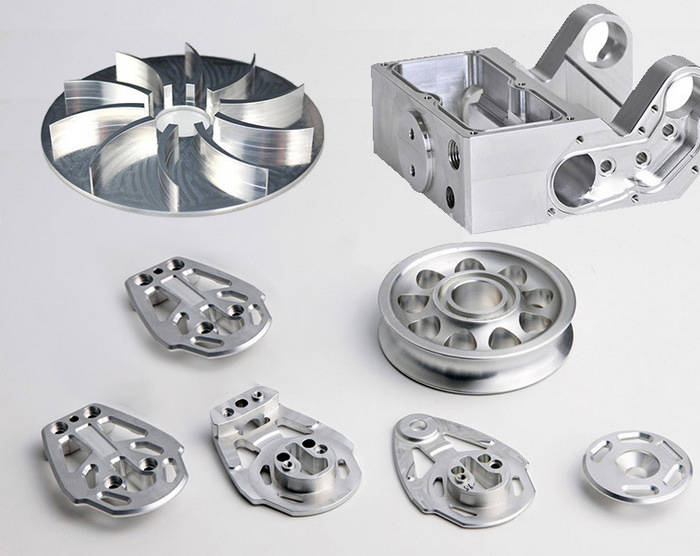
Die casting factories in the Shenzhen and Dongguan manufacturing corridor serve a wide range of sectors, including automotive parts, consumer electronics, communication hardware, pump and valve components, lighting housings and industrial brackets.
shenzhen die casting factory

Are Shenzhen die casting workshop facilities a good choice for your custom metal casting projects? It is a frequent question for purchasing managers, mechanical designers and quality engineers who source high-volume aluminum, zinc and magnesium die cast parts. Shenzhen has developed a complete industrial chain for die casting, mold making, CNC secondary machining and surface finishing.
shenzhen die casting workshop