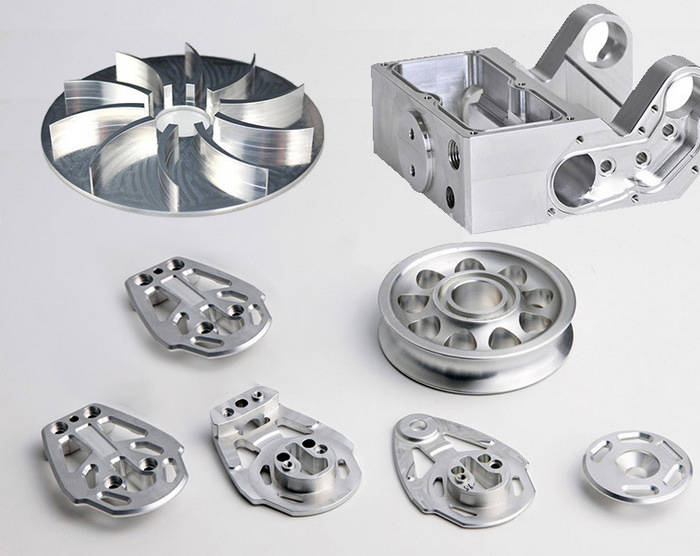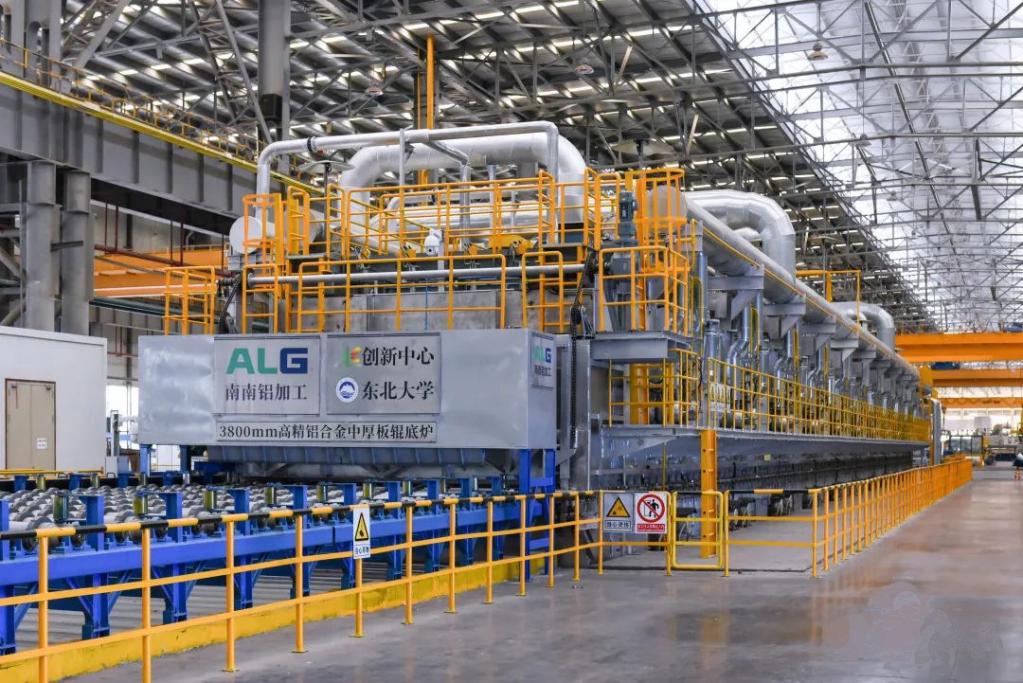
shenzhen factory
Shenzhen Factory: A Practical Guide to Industrial Manufacturing Sourcing
Is a Shenzhen factory a reliable manufacturing partner for your custom hardware project? This is a common question for procurement managers, mechanical designers and quality engineers who are comparing manufacturing options across Asia. The short answer: a properly vetted Shenzhen factory can deliver consistent custom metal and plastic parts at competitive pricing, as long as its process capacity, quality system and lead time match your project requirements. This guide covers factory classification, core manufacturing services, supply chain advantages, supplier audit points and practical sourcing advice for industrial buyers.
Factories based in Shenzhen and the surrounding Pearl River Delta are well-known for fast response and integrated manufacturing. They serve global customers in consumer electronics, automotive, new energy, communication equipment, lighting and industrial machinery. The best factories combine in-house tooling, precision machining, casting, molding and surface treatment, so buyers can get finished components without coordinating multiple separate vendors.
What Is a Shenzhen Factory?
A Shenzhen factory refers to a manufacturing facility located within Shenzhen city or its immediate industrial zone, focused on custom mechanical component production for overseas and domestic industrial customers. These factories vary widely in scale: small rapid prototyping workshops, mid-size machining and casting plants, and large automated production lines for high-volume electronic and automotive parts.
Most professional Shenzhen factories accept customer 2D drawings and 3D STEP/IGS files. Their engineering teams provide DFM feedback to adjust wall thickness, draft angles, tolerances and gate layout before tooling starts. This early review reduces rework, sample delays and unexpected defects during mass production.
Not all Shenzhen factories offer the same processes. Some only focus on CNC machining; others specialize in die casting, plastic injection molding or sheet metal. When sourcing, you should confirm that the factory’s main process matches your part material and quantity requirements.
Core Manufacturing Services Offered
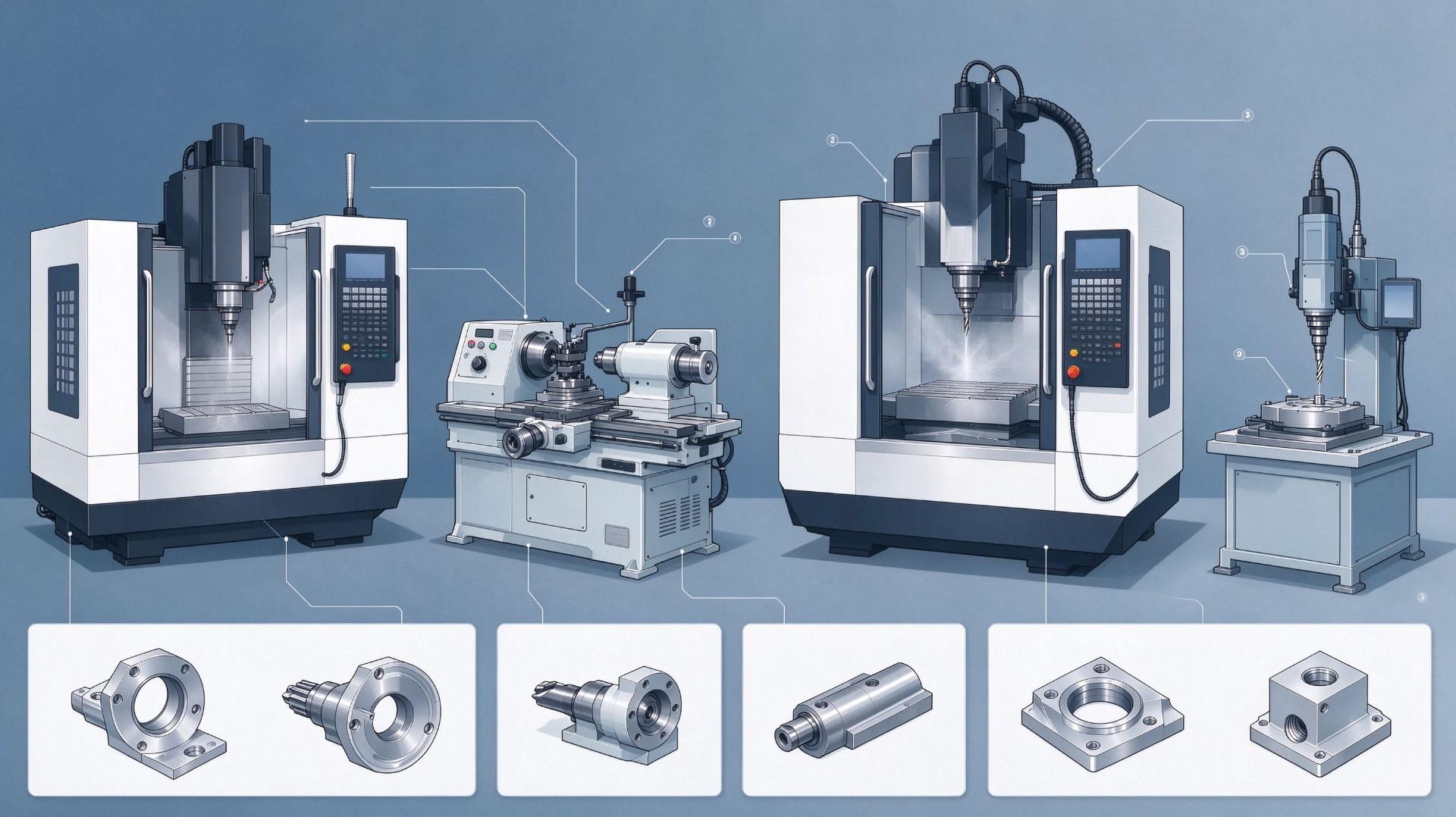
Well-equipped Shenzhen factories usually combine multiple manufacturing processes to support one-stop orders. The most common services include:
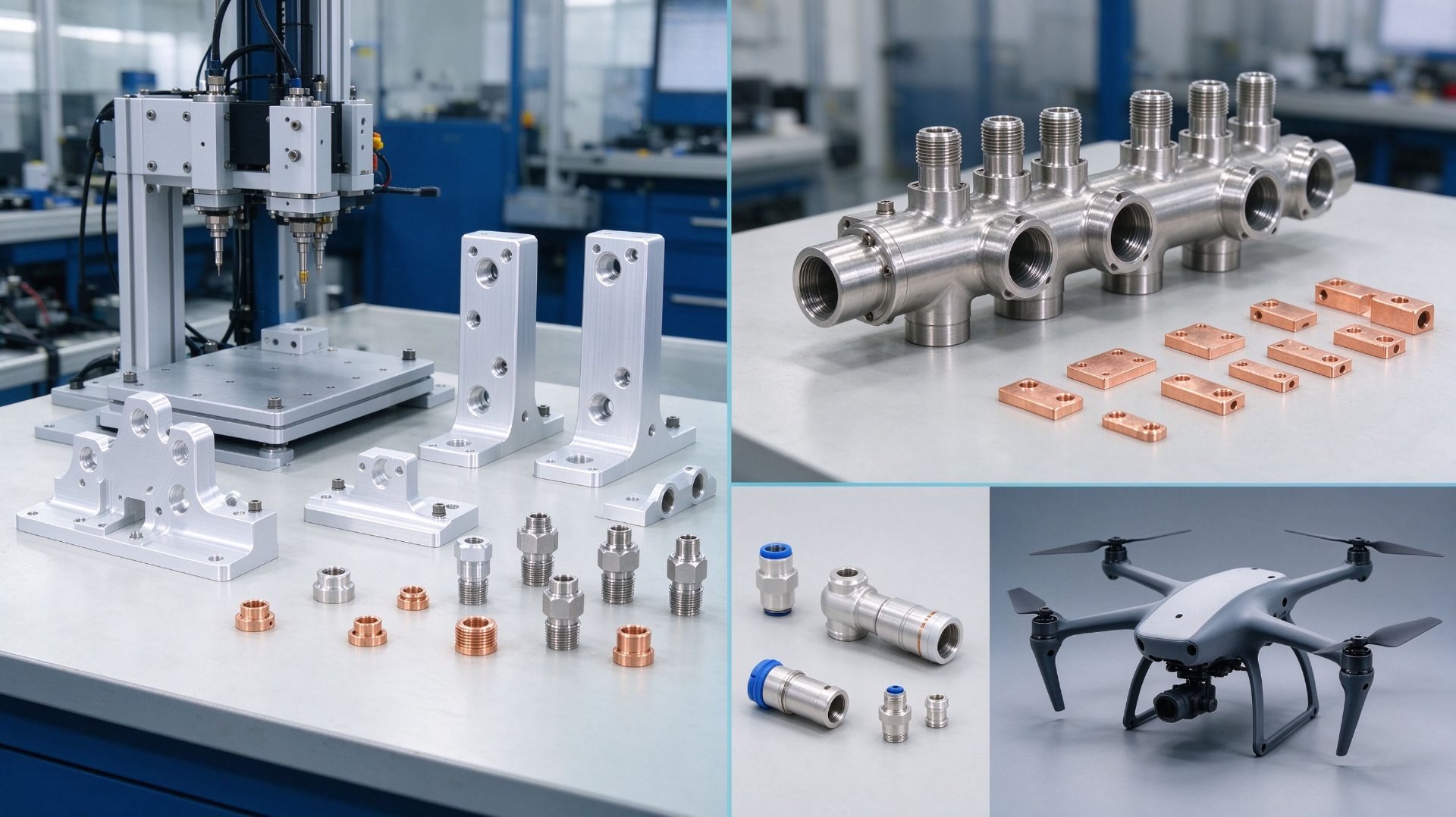
- CNC precision machining: 3-axis, 4-axis and 5-axis milling, turning, drilling and tapping for aluminum, steel, brass and plastic parts.
- Die casting: Aluminum, zinc and magnesium alloy high-pressure die casting with secondary machining and plating.
- Injection molding: Custom plastic housing, structural parts, overmolding and insert molding.
- Sheet metal fabrication: Laser cutting, bending, welding, riveting and powder coating for metal enclosures and brackets.
- Rapid prototyping: 3D printing, low-volume CNC samples for design validation before tooling investment.
- Surface finishing: Anodizing, electroplating, powder coating, shot blasting, passivation and silk printing.
- Assembly: Component assembly, testing, labeling and export packaging for finished subassemblies.
One-stop service is a major advantage. If all processing steps stay inside the same factory, tolerance stack-up risk is lower and communication becomes much easier for international buyers.
Supply Chain Advantages of Shenzhen Manufacturing
Shenzhen has built a complete supporting industrial ecosystem over decades. The key benefits for industrial buyers are listed below:
- Fast material supply: Aluminum, zinc, steel, engineering plastics and standard fasteners are available locally with short lead time.
- Tooling support nearby: Mold bases, mold steel, electrodes and tooling accessories can be sourced quickly for urgent mold projects.
- Flexible capacity: Many factories can adjust production schedules to rush samples or increase batch output for urgent customer orders.
- Export-ready operation: Most export-oriented factories are familiar with commercial invoices, packing lists, inspection documents and international shipping arrangements.
Even so, the geographic advantage does not automatically equal high quality. Buyers still need to audit quality systems, equipment condition and operator training before placing formal orders.
Standard Production Workflow for Custom Parts
| Stage | Factory Activity | Buyer Checkpoint |
|---|---|---|
| Drawing Review & DFM | Check dimension, tolerance, material and finish, provide DFM suggestion | Confirm DFM report and revised drawing |
| Tooling / Fixture Making | Manufacture mold, cutting fixture or inspection fixture | Tooling progress update and photos |
| Sample Trial | Produce prototype samples, adjust process parameters | FAI report, sample approval |
| Batch Production | Continuous production, in-process inspection | Production status and random inspection record |
| Surface Treatment & Secondary Work | Deburr, plating, coating, assembly as required | Surface quality check and treatment certificate |
| Final Inspection & Packing | Full dimension check, appearance sorting, export packing | Final inspection report and packing list |
Supplier Audit Checklist for Buyers
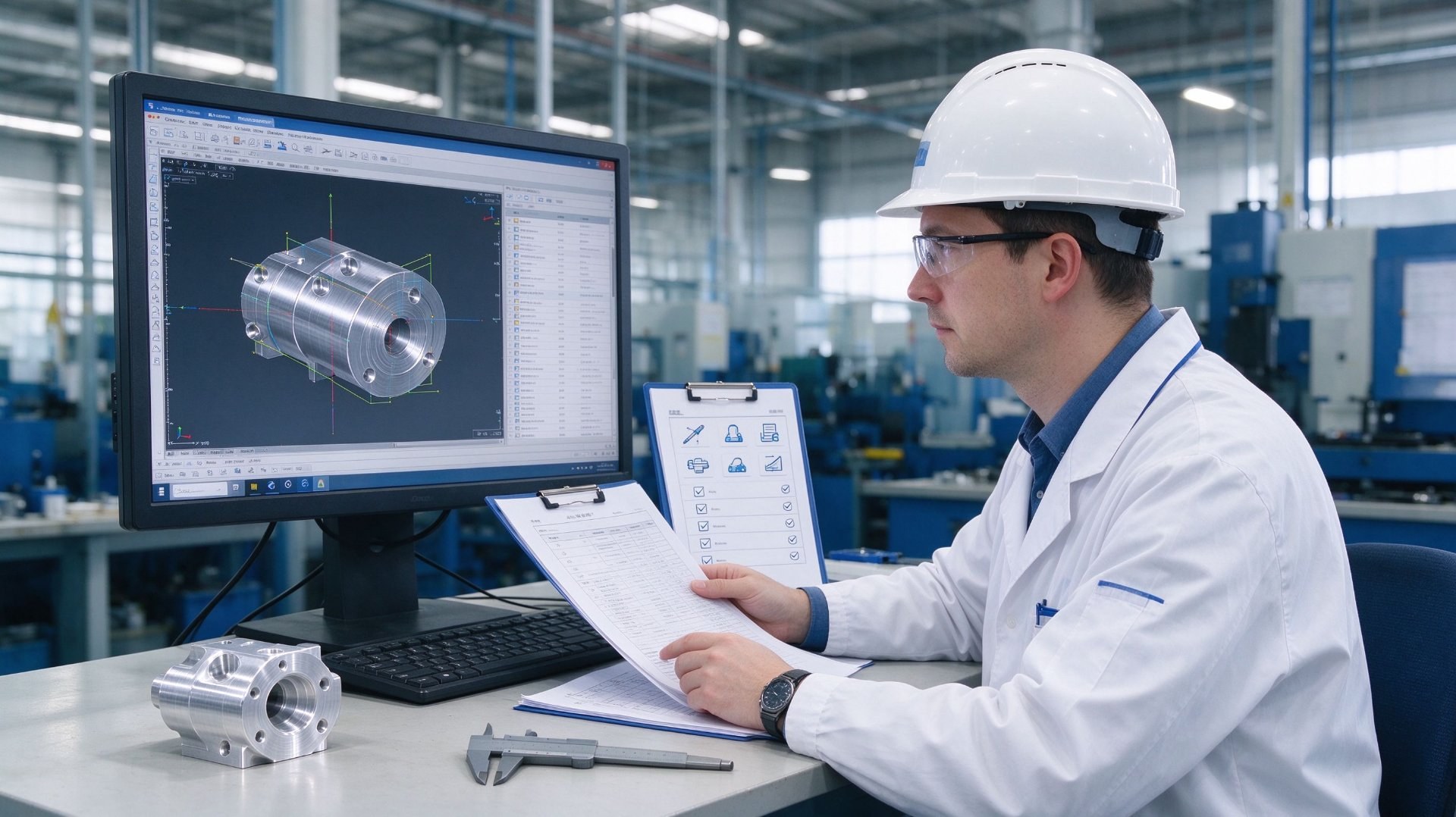
When you evaluate a Shenzhen factory, price is only one factor. Use these checkpoints to separate capable, stable suppliers from small workshops with limited quality control:
- Process matching: Confirm that the factory’s main equipment matches your required manufacturing process (CNC, die casting, molding etc).
- Quality system: Check ISO9001, IATF16949 or other relevant certificates, and ask for standard inspection forms.
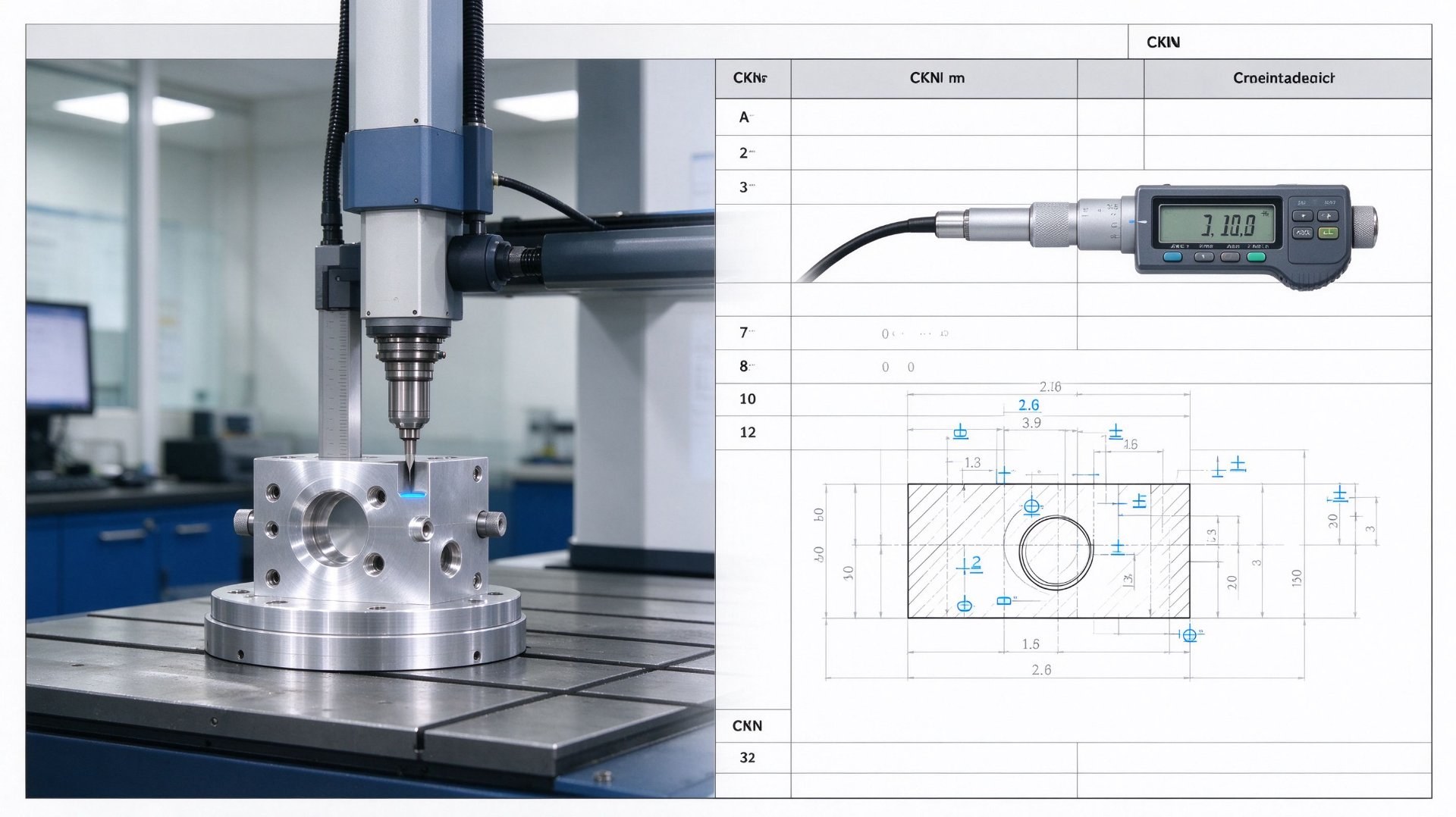
- Inspection equipment: Calipers, micrometers, CMM, roughness tester, hardness tester and leak test tools are essential for precision parts.
- Traceability: Material batch records, incoming inspection and production log should be available for every order.
- Engineering team: Confirm they can read 3D files, provide DFM and solve defects quickly during sample and mass run.
- Capacity and lead time: Confirm monthly output, available machines and realistic lead time for samples and mass production.
- Communication support: Confirm stable English contact, photo updates and clear feedback for technical issues.
FAQ: Sourcing From a Shenzhen Factory
Common questions from procurement and design engineers sourcing custom parts from Shenzhen factories.
Q1: What types of manufacturing does a Shenzhen factory offer?
A1: A typical Shenzhen factory provides CNC machining, die casting, plastic injection molding, sheet metal stamping, surface finishing and assembly services for electronics, automotive, communication and industrial hardware.
Source: Pearl River Delta manufacturing industry profile.
Q2: Why source parts from a Shenzhen factory?
A2: Shenzhen has a complete and mature industrial supply chain. Factories can quickly source raw materials, tooling components and auxiliary processing, shortening mold lead time and supporting one-stop manufacturing for export orders.
Source: Regional supply chain research.
Q3: How to verify the quality capability of a Shenzhen factory?
A3: You can check ISO certificates, first article inspection reports, in-house inspection equipment, past project samples, on-site factory audit and batch quality control records before formal mass production.
Source: Standard industrial supplier audit procedure.
Q4: Can a Shenzhen factory handle both prototype and mass production?
A4: Yes. Many qualified Shenzhen factories support rapid prototyping for small-batch samples and stable mass production. They can switch processes between 3D printing, CNC machining and molding according to your order volume.
Source: Local factory operation mode.
Q5: What documents will a Shenzhen factory provide for export orders?
A5: Standard documents include commercial invoice, packing list, material certificate, FAI report, batch inspection report and shipping photos. Special certificates such as RoHS can be provided upon request.
Source: Export compliance practice.
Q6: How long is the usual lead time for custom parts from Shenzhen factory?
A6: CNC prototype samples usually take 3–7 working days. Mold development for casting or injection molding commonly takes 15–25 working days, followed by sample trial and mass production.
Source: Standard manufacturing schedule.
Conclusion and Quote Request
Choosing a reliable Shenzhen factory is a great way to get high-quality custom metal and plastic components. The best cooperation is built on clear drawing requirements, early DFM discussion, documented quality records and realistic lead time planning, not only chasing the lowest unit price.
At Shenzhen Zhongzhu Technology Co., Ltd., we are a Shenzhen-based factory offering CNC machining, die casting, sheet metal, plastic molding and full surface finishing services. We support prototype sampling and mass production for industrial buyers worldwide.
Send your 2D drawings, 3D STEP files, material specs, surface finish requirements and order quantity. Our engineering team will review manufacturability, share DFM feedback and send you a formal quotation with clear timeline and inspection plan.
Get In Touch
Looking for a reliable Shenzhen factory for your custom metal and plastic components? Contact our team today.
Shenzhen Zhongzhu Technology Co., Ltd.
Custom metal components, die casting, precision machining, stamping and plastic components.
📄 Request a Technical Review or Quotation
Contact Us →📞 Speak With Our Engineering Team
Get In Touch →🔗 Explore Our Manufacturing Services
View Products & Services →Shenzhen Zhongzhu Technology Co., Ltd.
315 PING 'AN AVENUE, PINGHU STREET, LONGGANG DISTRICT, SHENZHEN CITY, GUANGDONG PROVINCE
📞 +86 18688963321
✉ samuel@chnzhongzhu.com
Shenzhen Zhongzhu Technology


china factory
shenzhen die casting factory
Related Article