
Who Invented a 3D Printer for Mold and Hardware Rapid Sampling
Author: SZTC
2026-08-29


Samuel Song Your service representative
Specializing in zinc-aluminum-magnesium alloy die-casting processing, CNC milling, CNC turning, 3D printing, injection molding and sheet metal processing. Manufacturing services.
-----------------------------------------------------------------------------------------------------------------------------------------------------------------------------------------------------------------------------------------------------------------------------------------------------------------------------------------------
3D printing has become a vital solution for fast sample production in plastic mold and hardware processing fields. Many industry designers and factory technicians frequently ask who invented a 3D printer. Learning the origin of this device helps manufacturers understand how additive manufacturing evolved to simplify industrial prototyping and accelerate product development.
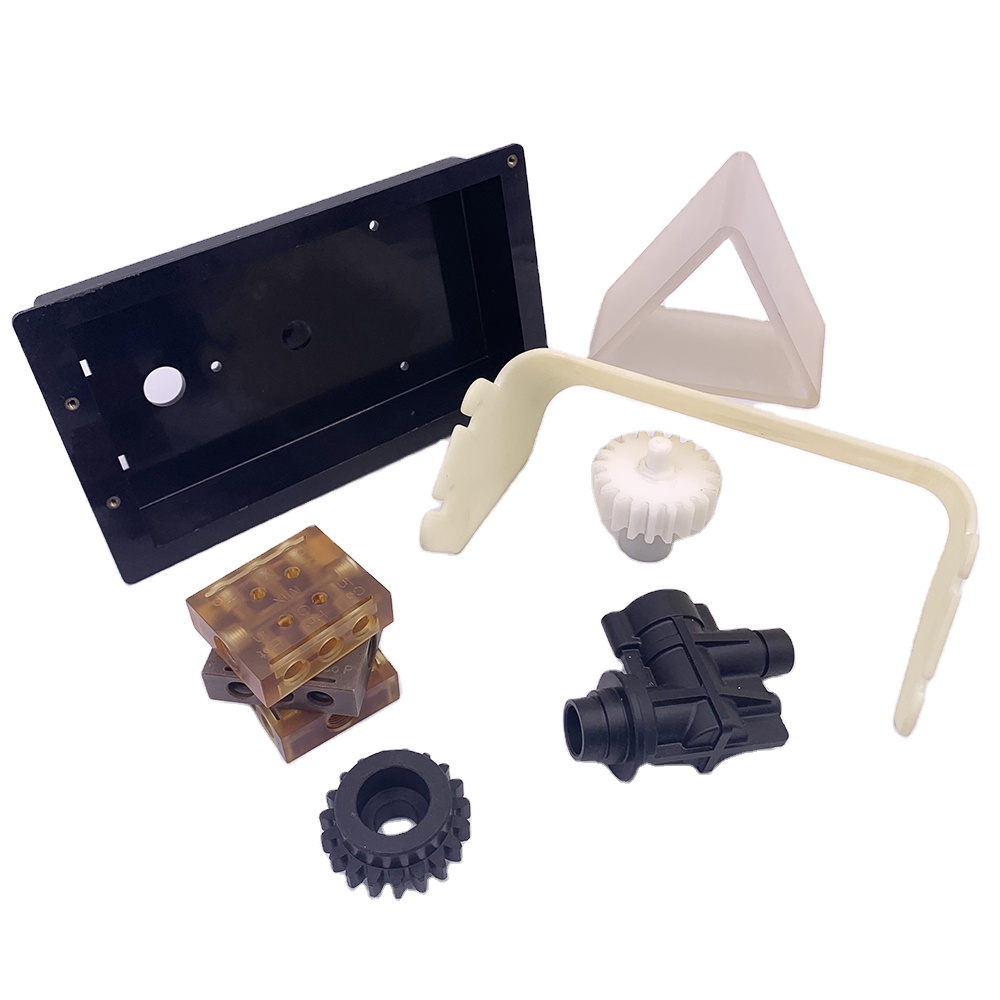
1. The Earliest 3D Printer Prototype Invention
To accurately answer who invented a 3D printer, we first look at the earliest experimental breakthrough in the 1980s.
1.1 Hideo Kodama’s Pioneering Design
In 1981, Japanese researcher Hideo Kodama invented the world’s first basic 3D printer prototype. He created a layered resin curing device that could build physical objects from digital designs. This invention established the core layer-by-layer manufacturing principle that all modern 3D printers rely on today.
1.2 Limitations of the Early Prototype
Though Kodama invented a functional 3D printer prototype, the device remained limited to laboratory use. It lacked precise control and stable performance, making it unable to meet the strict precision demands of plastic mold cavities and hardware component sampling.

2. The First Practical Industrial 3D Printer
The most recognized answer to who invented a 3D printer for real industrial use belongs to American engineer Chuck Hull.
2.1 Groundbreaking SLA Technology
In 1983, Chuck Hull officially invented the first practical industrial 3D printer based on stereolithography technology. His design used ultraviolet lasers to cure liquid resin accurately, turning digital 3D models into solid, high-precision parts suitable for industrial verification.
2.2 Patent and Commercial Maturity
Hull secured an official patent for his 3D printer in 1986 and released the first commercial model in 1988. This achievement transformed 3D printing from experimental technology into a usable tool for manufacturing and rapid sampling.

3. Industrial Impacts on Modern Sampling
Understanding who invented a 3D printer helps factories appreciate its value in mold and hardware production.
3.1 Long-Term Technical Iteration
From the original invented printer, multiple advanced printing technologies have been developed, including FDM, SLS and metal printing. These upgraded devices support complex mold structures and high-strength hardware prototypes.
3.2 Optimized Rapid Prototyping Workflow
Today, 3D printers drastically shorten sampling cycles for plastic molds and custom hardware parts. They reduce material waste, lower testing costs and minimize repeated mold modifications for processing enterprises.
In summary, Hideo Kodama invented the first 3D printer prototype, while Chuck Hull invented and commercialized the first industrial 3D printer. Knowing who invented a 3D printer allows manufacturers to better leverage this technology for efficient and reliable industrial rapid sampling.
Can 3D Printers Print Metal for Mold and Hardware Rapid Sampling
Who Invented the 3D Technology for Mold and Hardware Rapid Sampling
Related Article

Chinese manufacturing has built mature industrial clusters across the Pearl River Delta, Yangtze River Delta and inland industrial zones, serving global customers in consumer electronics, automotive, new energy, communication equipment, lighting, medical devices and industrial machinery.
china factory

Factories based in Shenzhen and the surrounding Pearl River Delta are well-known for fast response and integrated manufacturing. They serve global customers in consumer electronics, automotive, new energy, communication equipment, lighting and industrial machinery.
shenzhen factory
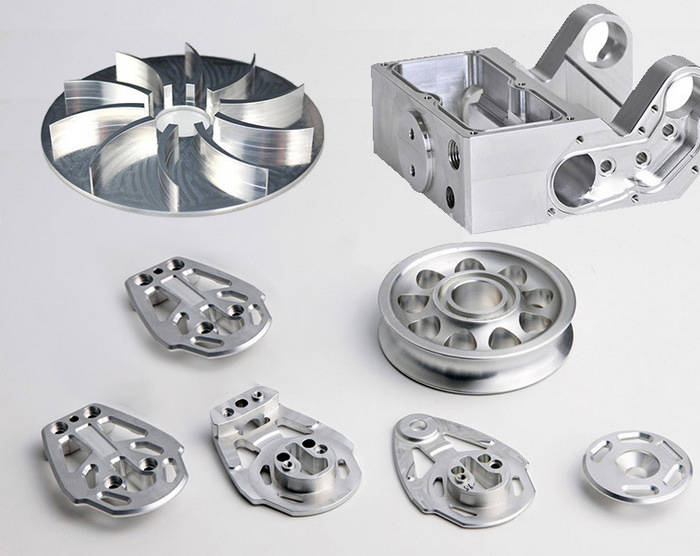
Die casting factories in the Shenzhen and Dongguan manufacturing corridor serve a wide range of sectors, including automotive parts, consumer electronics, communication hardware, pump and valve components, lighting housings and industrial brackets.
shenzhen die casting factory

Are Shenzhen die casting workshop facilities a good choice for your custom metal casting projects? It is a frequent question for purchasing managers, mechanical designers and quality engineers who source high-volume aluminum, zinc and magnesium die cast parts. Shenzhen has developed a complete industrial chain for die casting, mold making, CNC secondary machining and surface finishing.
shenzhen die casting workshop