
Which of the Following Processes Does 3D Printing Use for Industrial Sampling
Author: SZTC
2026-08-26


Samuel Song Your service representative
Specializing in zinc-aluminum-magnesium alloy die-casting processing, CNC milling, CNC turning, 3D printing, injection molding and sheet metal processing. Manufacturing services.
-----------------------------------------------------------------------------------------------------------------------------------------------------------------------------------------------------------------------------------------------------------------------------------------------------------------------------------------------
3D printing has become a core tool for fast sample production in plastic mold and hardware processing industries. Many factory technicians and design engineers often question which of the following processes does 3D printing use to create precise, functional prototypes. Understanding mainstream 3D printing processes helps manufacturers select the right technology for mold verification and hardware prototyping tasks.

1. Resin Curing Printing Process
A primary answer to which of the following processes does 3D printing use for fine mold samples is photopolymer curing.
1.1 SLA Layer Curing Technology
Stereolithography (SLA) is the most widely used resin-based 3D printing process. It uses ultraviolet laser beams to cure liquid photopolymer resin layer by layer. This process delivers ultra-high precision and smooth surface finishes, ideal for manufacturing intricate plastic mold cavity samples and tiny structural parts.
1.2 Industrial Application Advantages
This process perfectly meets the strict dimensional tolerance requirements of plastic mold testing. It allows factories to verify complex groove and curved surface structures quickly, avoiding costly formal mold modifications in advance.
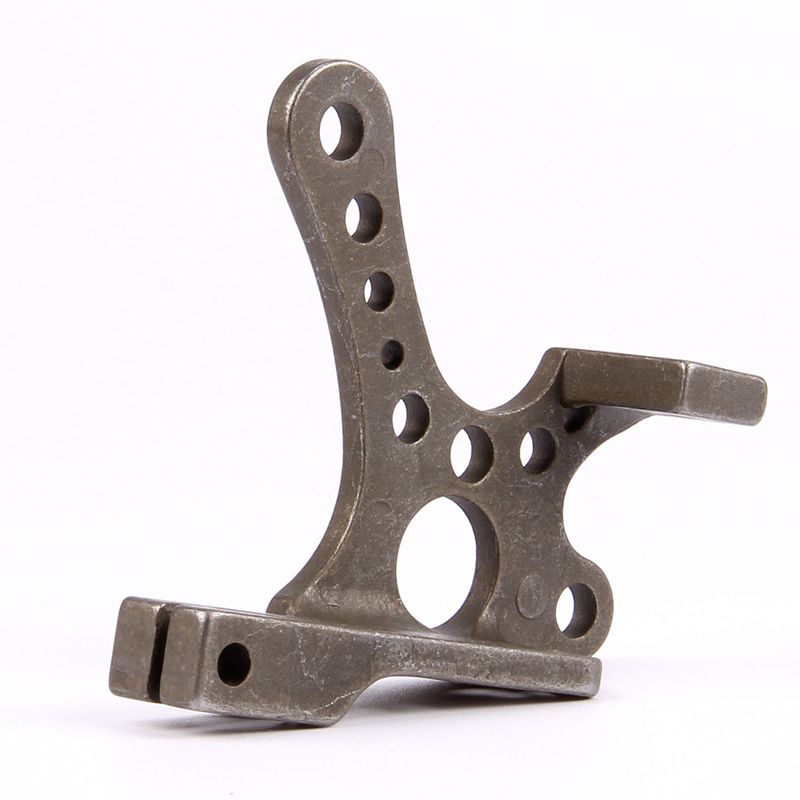
2. Material Melting Extrusion Process
Another common option for which of the following processes does 3D printing use is fused deposition modeling.
2.1 FDM Melting and Stacking Principle
FDM technology melts thermoplastic filaments at high temperatures and extrudes materials through a nozzle to stack solid parts layer by layer. It features simple operation, low cost and diverse material options for industrial use.
2.2 Hardware Auxiliary Part Production
This process is suitable for printing hardware processing jigs, positioning fixtures and durable test samples. It supports high-toughness engineering plastics, satisfying daily strength testing and assembly verification for hardware products.

3. Powder Sintering Printing Process
A high-strength solution to which of the following processes does 3D printing use is powder sintering technology.
3.1 SLS and Metal Sintering Mechanism
Selective Laser Sintering (SLS) and metal 3D printing use high-energy lasers to sinter plastic or metal powder into integrated solid structures. No support structure is required, enabling the production of complex hollow and special-shaped parts.
3.2 High-Performance Prototype Manufacturing
This process is widely applied in high-strength hardware prototype sampling and wear-resistant mold accessory production. The finished samples possess stable mechanical properties, fully meeting industrial performance testing standards.
In summary, the core processes 3D printing adopts include resin curing, material extrusion and powder sintering. Clarifyingwhich of the following processes does 3D printing use enables mold and hardware factories to match the optimal process for different rapid sampling needs, improving efficiency and sample quality.
Who Made 3D Printing and Reshaped Industrial Rapid Sampling
Where to Sell 3D Prints for Mold and Hardware Industrial Prototypes
Related Article
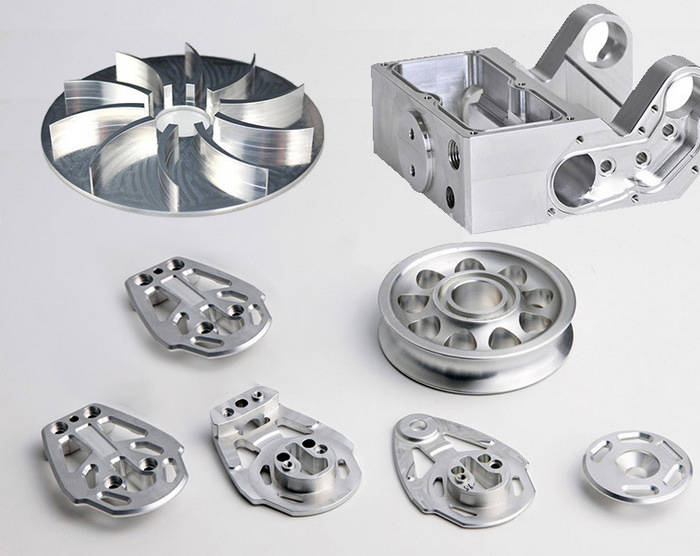
Die casting factories in the Shenzhen and Dongguan manufacturing corridor serve a wide range of sectors, including automotive parts, consumer electronics, communication hardware, pump and valve components, lighting housings and industrial brackets.
shenzhen die casting factory

Are Shenzhen die casting workshop facilities a good choice for your custom metal casting projects? It is a frequent question for purchasing managers, mechanical designers and quality engineers who source high-volume aluminum, zinc and magnesium die cast parts. Shenzhen has developed a complete industrial chain for die casting, mold making, CNC secondary machining and surface finishing.
shenzhen die casting workshop
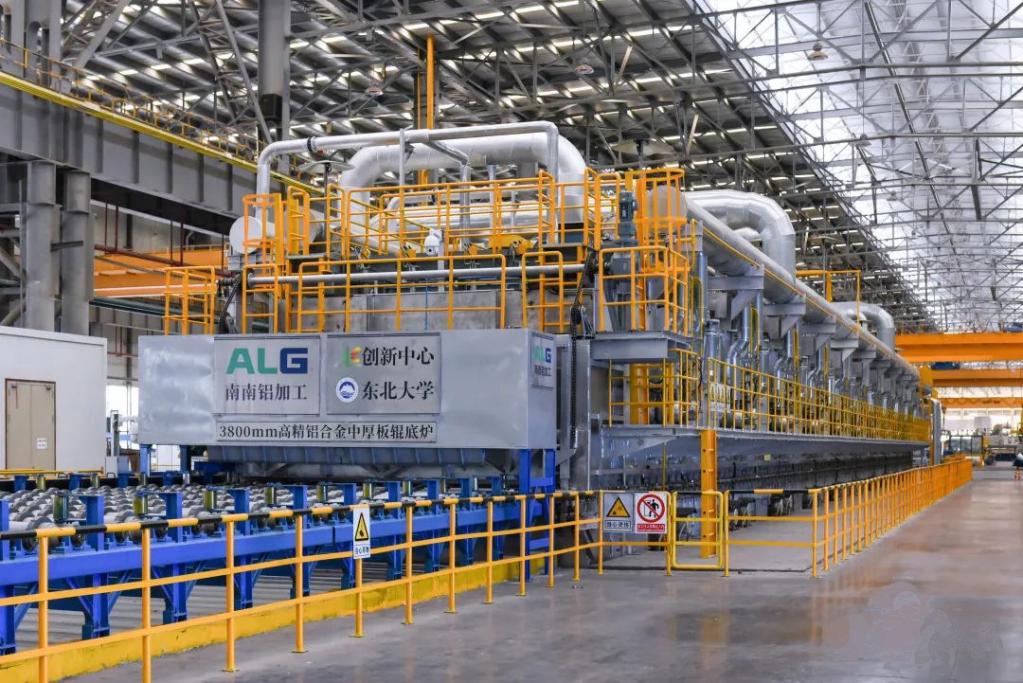
Zinc castings are widely known for great plating performance. Parts can be directly electroplated into nickel, chrome and gold finishes without complicated pre-treatment. Secondary operations such as CNC tapping, drilling, deburring and polishing can be added to meet assembly requirements.
what is zinc die casting

The process is widely used for aluminum, zinc and magnesium alloys. These materials melt at relatively low temperatures compared to steel, making them suitable for repeated injection inside precision steel dies. After casting, parts can go through trimming, deburring, shot blasting, powder coating, anodizing or CNC secondary machining to meet drawing requirements.
what is a die casting