What to Print with 3D Printer for Industrial Mold and Hardware Sampling
Author: SZTC
2026-08-14


Samuel Song Your service representative
Specializing in zinc-aluminum-magnesium alloy die-casting processing, CNC milling, CNC turning, 3D printing, injection molding and sheet metal processing. Manufacturing services.
-----------------------------------------------------------------------------------------------------------------------------------------------------------------------------------------------------------------------------------------------------------------------------------------------------------------------------------------------
For plastic mold and hardware processing enterprises, rapid prototyping is critical to shorten R&D cycles and reduce production risks. Many factory engineers often consider what to print with 3D printer to meet industrial sampling demands. With high flexibility and low turnaround time, 3D printing covers various practical industrial parts, perfectly supporting mold design verification and hardware prototype testing.
1. Precision Plastic Mold Samples
The most common industrial solution when deciding what to print with 3D printer is functional plastic mold prototypes.
1.1 Complex Mold Cavity Prototypes
You can print detailed mold cavities with thin walls, deep grooves and complex curved structures. These high-precision samples help designers check structural defects, correct unreasonable designs and verify assembly fit before formal mold manufacturing, effectively avoiding costly mold modifications.
1.2 Mold Test Verification Parts
3D printers can produce trial molded parts according to mold design data. These samples simulate real molding effects, allowing factories to confirm surface quality, dimensional tolerance and product appearance for customer approval and design optimization.

2. Custom Hardware Prototypes and Tooling
When exploring what to print with 3D printer for hardware workshops, customized functional parts dominate daily sampling work.
2.1 Special-Shaped Hardware Prototypes
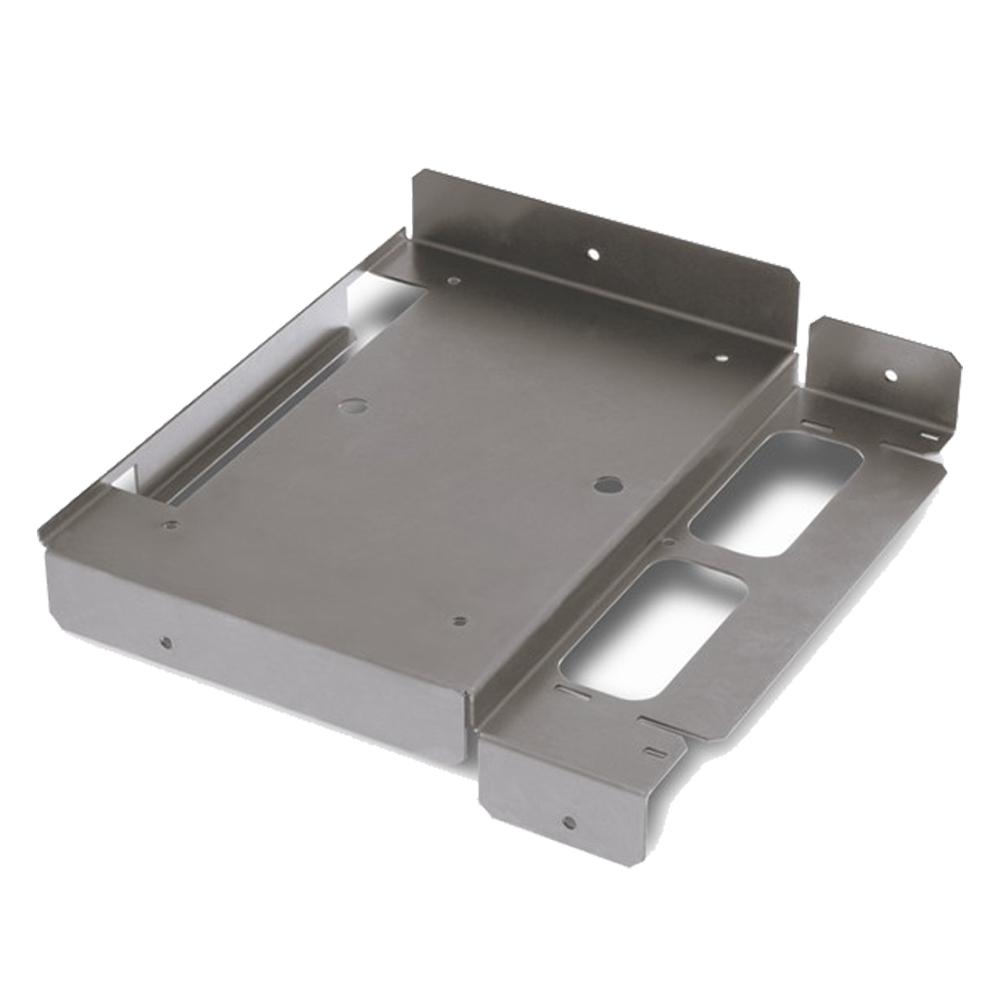
Traditional CNC machining is inefficient for irregular hardware structures. You can print non-standard hardware prototypes to test structural strength, assembly performance and dimensional accuracy, providing reliable data for formal batch processing.
2.2 Processing Jigs and Fixtures
It is practical to print custom positioning jigs, clamping tools and inspection fixtures. These tailor-made workshop accessories improve processing precision, stabilize workpiece fixation and greatly boost efficiency during mold testing and hardware production.
3. Low-Volume Functional Trial Parts
A complete answer to what to print with 3D printer also includes small-batch industrial trial products.
3.1 Functional Testing Components
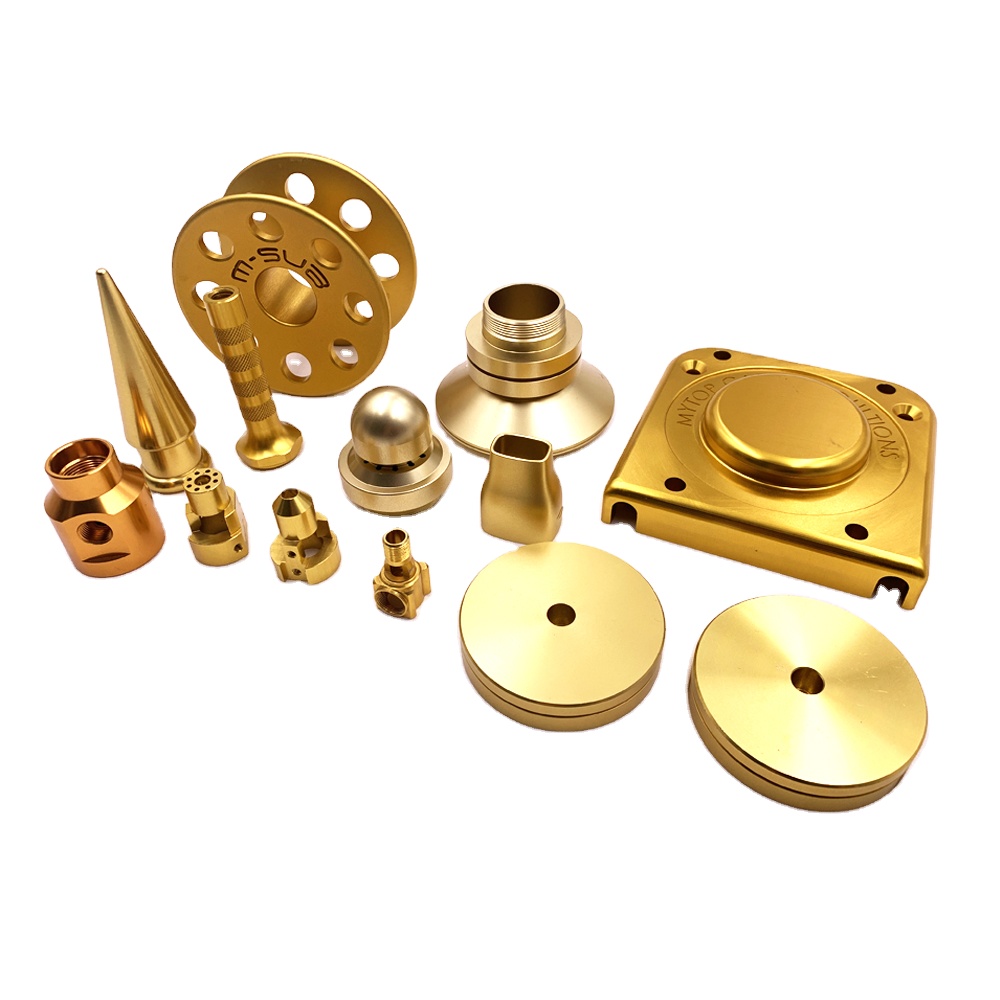
With engineering-grade materials, you can print wear-resistant, high-toughness parts for compression, friction and assembly tests. These printed components simulate the performance of mass-produced parts and ensure product reliability.
3.2 Small-Batch Custom End Products
For customized orders and market testing, 3D printers support low-volume production of qualified plastic and hardware parts. It eliminates the need for early mold opening and reduces trial production costs significantly.
In conclusion, understanding what to print with 3D printer helps mold and hardware factories make full use of additive manufacturing technology. It achieves fast, low-cost and high-precision rapid sampling and accelerates modern industrial product iteration.
What Year Was the Earliest Known Account of 3D Printing
What to Make With 3D Printer for Mold and Hardware Rapid Sampling
Related Article
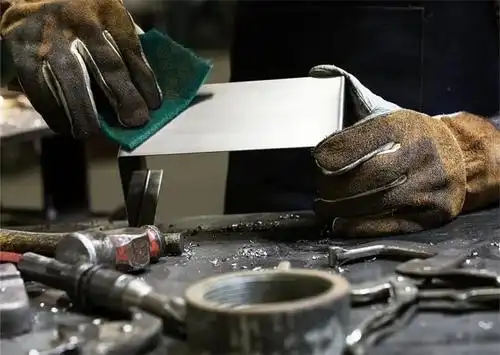
This guide is written for procurement engineers, maintenance leads and safety teams who need to specify or source machine guards rather than read a safety textbook. It covers the hazard points that require protection, the guard types and standards our shop works to, the materials and fabrication options available, the industries they serve, and a selection checklist you can reuse on every guard RFQ.
which parts of a machine must be guarded?
Most buyers do not lose sleep over the dictionary definition of machining. They lose sleep over the practical version: can this supplier hold the tolerance on my drawing, will the material certificate match what I paid for, will the first article pass incoming inspection, and will the parts arrive before the assembly line starts.
What Does Machining Mean?