how to check flatness on a machined part?
What Is the Meaning of Machining? A Complete Guide to Modern Manufacturing
Machining is one of the fundamental processes used in modern manufacturing. It is involved in producing everything from small metal fittings and mechanical brackets to precision machine components and plastic injection molds. Although the process may seem straightforward, machining requires careful planning, suitable equipment, skilled operators, and strict quality control.
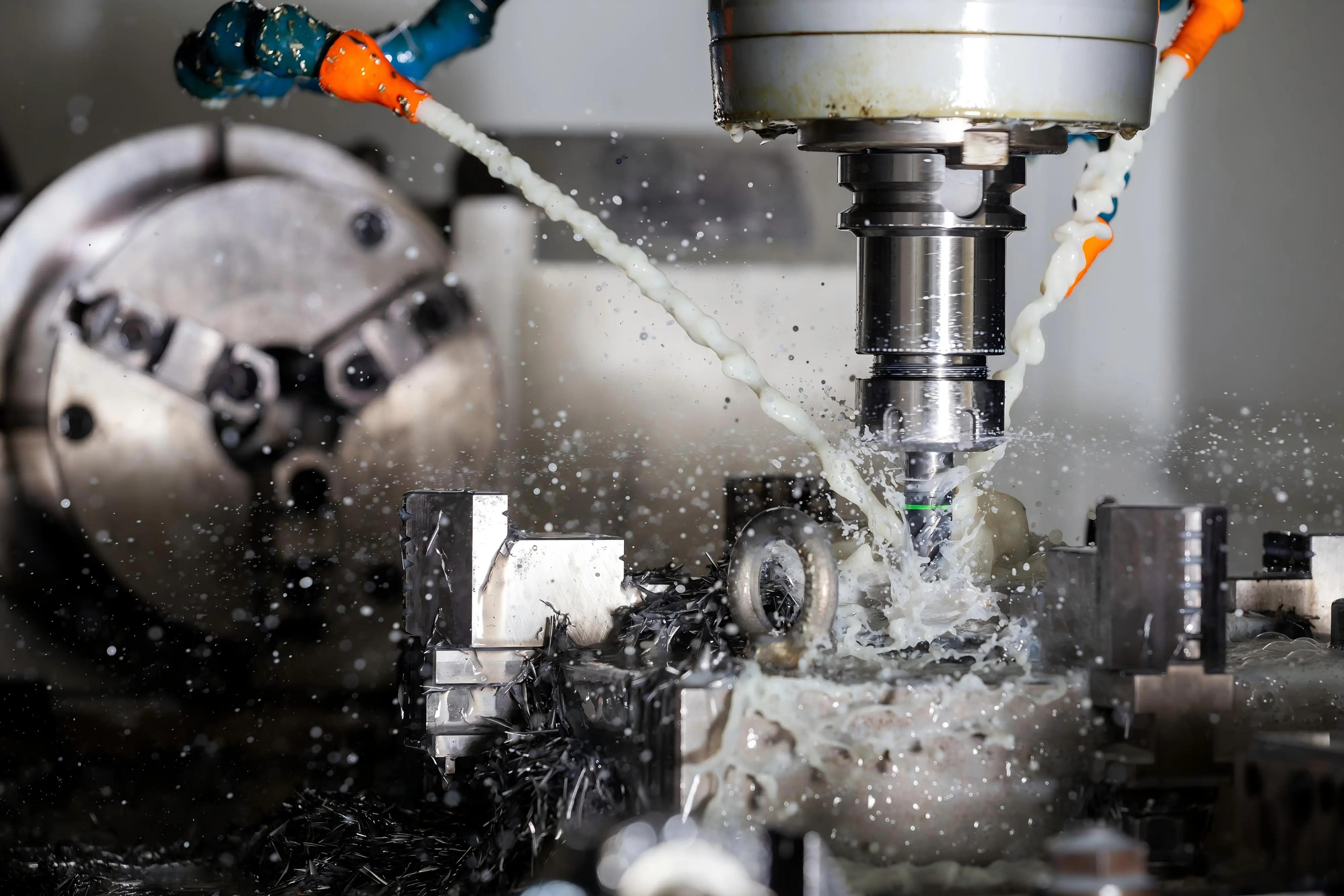
If you are searching for what is the meaning of machining, it refers to the process of shaping a raw material by removing unwanted portions with cutting tools or other machining equipment. The purpose is to produce a component with the required dimensions, geometry, surface finish, and functional characteristics.
In the hardware manufacturing and plastic mold industries, machining is an essential part of turning engineering designs into usable products. It is also closely connected with rapid prototyping, CNC manufacturing, die casting, stamping, and injection molding.
What Is the Meaning of Machining in Manufacturing?
Machining is generally classified as a subtractive manufacturing process. Unlike additive manufacturing, which builds an object by adding material layer by layer, machining starts with a solid piece of material and removes excess material until the required shape is achieved.
The starting material may be a metal block, round bar, aluminum plate, steel billet, or engineering plastic.
How Does Machining Work?
The machining process usually begins with an engineering drawing or a 3D CAD model. The manufacturer reviews the design, selects the raw material, and determines the most suitable production method.
The workpiece is then secured in a machine. Cutting tools remove material according to the required dimensions and machining instructions.
Depending on the part design, the process may involve milling, turning, drilling, boring, tapping, grinding, or several operations combined.
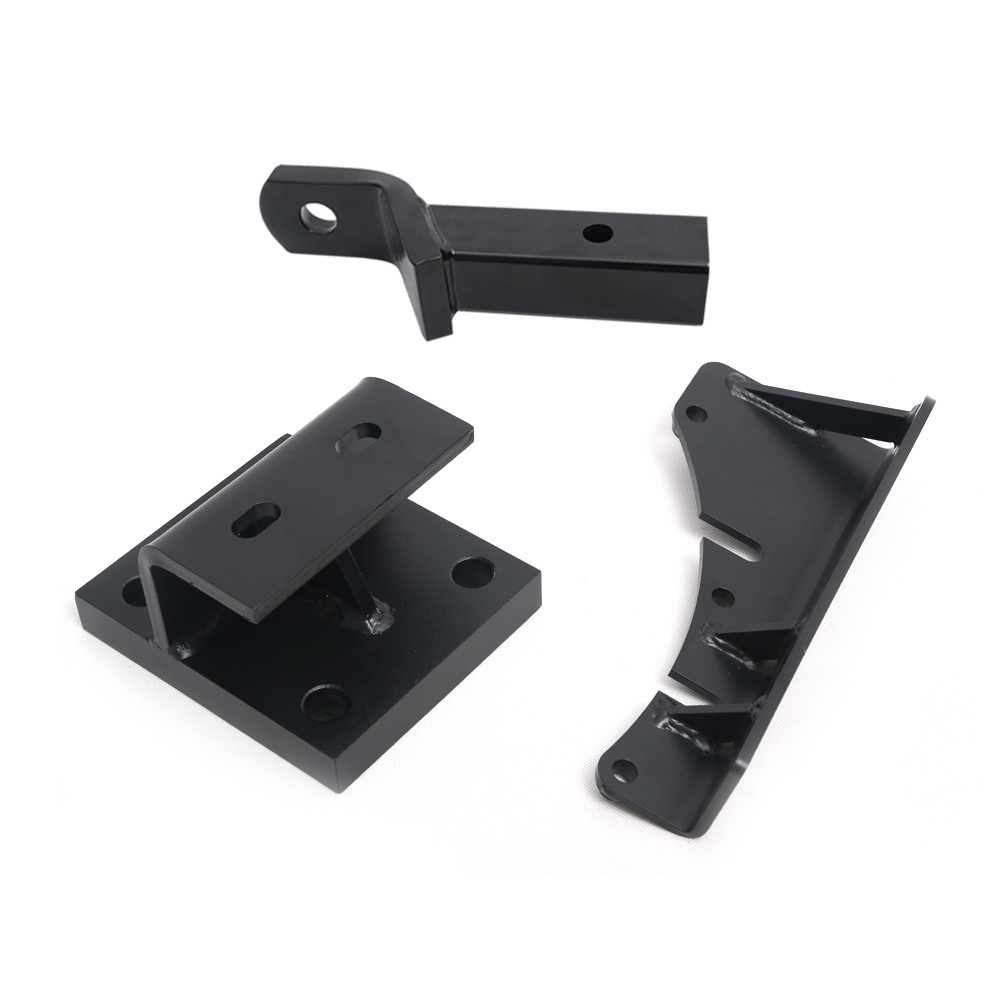
For example, a custom aluminum bracket may require CNC milling to create its main shape, drilling to produce mounting holes, and tapping to create internal threads for screws.
What Is the Purpose of Machining?
The main purpose of machining is to produce components that meet specific engineering requirements.
These requirements may include:
- Accurate dimensions and tolerances
- Specific shapes and geometric features
- Smooth or controlled surface finishes
- Proper hole positions and thread specifications
- Reliable assembly with other components
- Consistent quality across production batches
Why Machining Accuracy Matters
In mechanical assemblies, even a small dimensional error can cause problems. A mounting hole that is slightly out of position may prevent two components from fitting together. An incorrectly machined mold insert may affect the dimensions of the final plastic product.
This is why machining accuracy is particularly important in precision hardware manufacturing and plastic mold production.
What Materials Can Be Used for Machining?
One of the advantages of machining is its ability to process a wide range of materials. The material selected depends on the product's application, mechanical requirements, working environment, and budget.
Metal Materials
Metal machining is widely used in industrial equipment, automotive components, electronics, lighting products, and mechanical assemblies.
Common materials include:
Aluminum and aluminum alloys
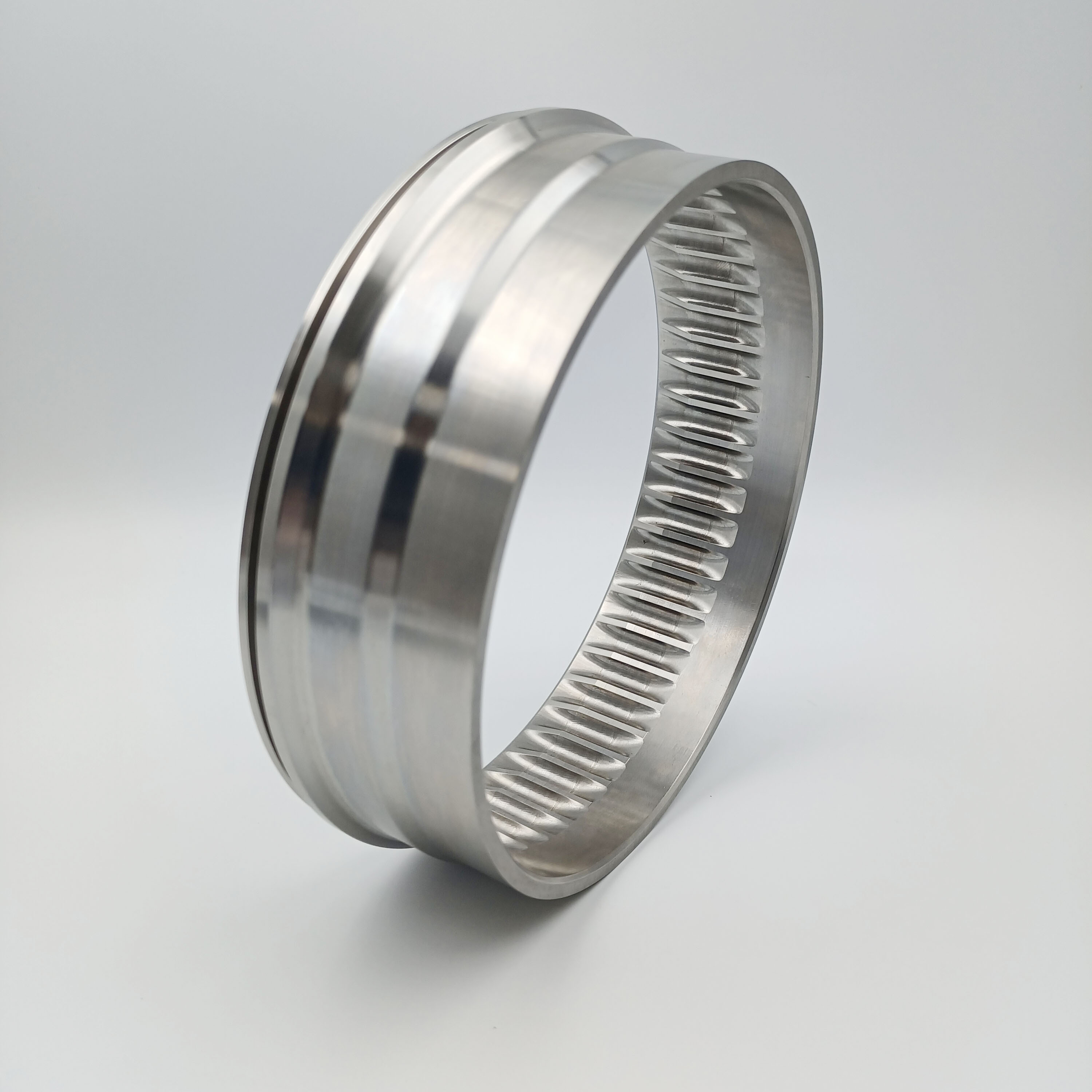
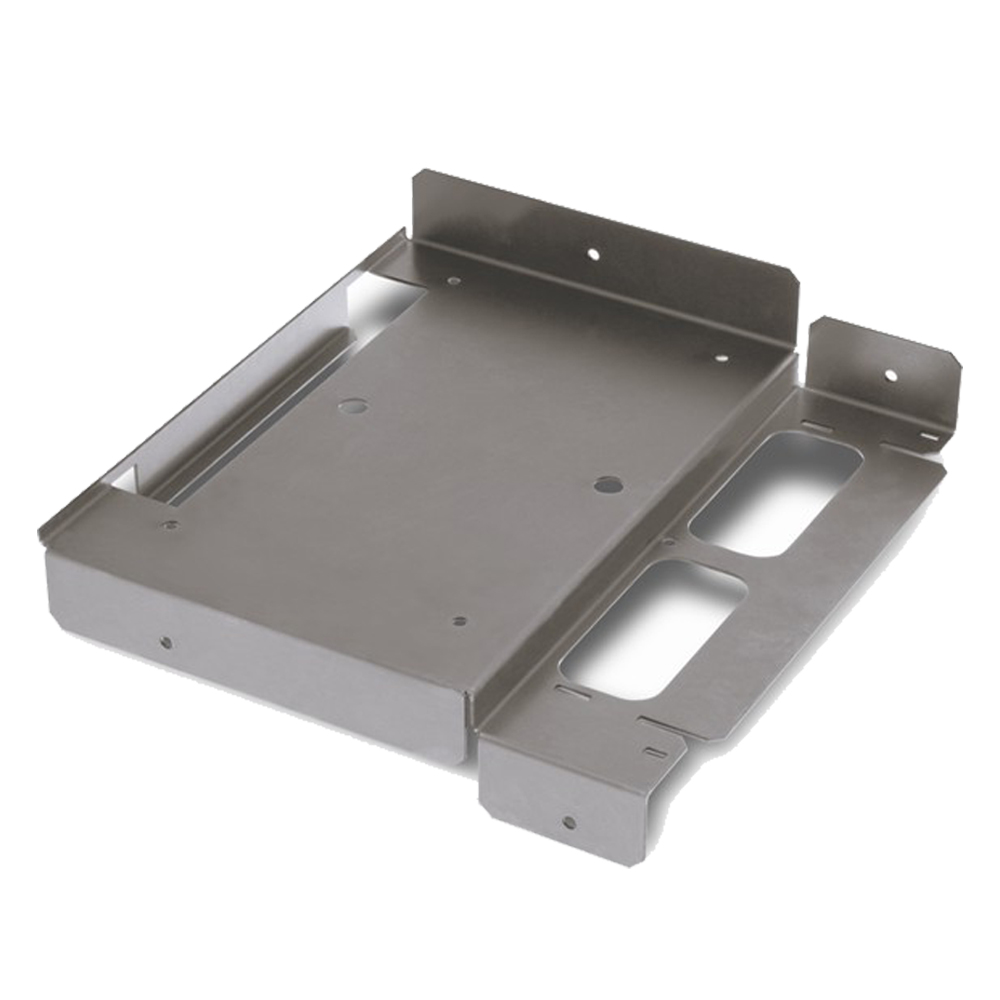
Aluminum is lightweight, corrosion-resistant, and relatively easy to machine. It is widely used for housings, brackets, heat sinks, equipment frames, and precision components.
Stainless steel
Stainless steel provides good corrosion resistance and mechanical strength. It is commonly used for industrial fittings, structural components, connectors, and parts exposed to moisture or demanding environments.
Carbon steel
Carbon steel is often selected for mechanical components that require strength and durability. It is used in shafts, machine parts, brackets, and structural hardware.
Brass and copper
Brass offers good machinability and is commonly used for connectors, fittings, valves, and decorative hardware. Copper is valued for its electrical and thermal conductivity.
Zinc alloys
Zinc alloys are frequently used in die-casting applications, including hardware accessories, electrical components, handles, and decorative parts.

Engineering Plastic Materials
Machining is not limited to metals. Engineering plastics can also be processed to produce functional components.
Common examples include:
- POM for precision mechanical parts
- Nylon for wear-resistant components
- ABS for general engineering applications
- PEEK for demanding thermal and chemical environments
- PTFE for applications requiring low friction
How to Select the Right Material
Material selection should consider strength, hardness, weight, corrosion resistance, temperature, chemical exposure, and manufacturing cost.
A component used in an outdoor machine may require different material properties from an internal plastic support or an aluminum electronics housing.

Common Machining Processes Used in Hardware Manufacturing
Different machining methods are used to create different geometries. Some components require only one operation, while complex parts may need several processes.
CNC Milling
CNC milling uses rotating cutting tools to remove material from a workpiece. The machine follows computer-generated instructions to create flat surfaces, slots, pockets, grooves, holes, and complex shapes.
It is widely used for manufacturing:
- Aluminum brackets
- Mechanical housings
- Stainless steel plates
- Precision mounting components
- Custom machine parts
- Mold bases and inserts
CNC milling is particularly useful when a component requires multiple features with controlled dimensions.
CNC Turning
CNC turning is mainly used for cylindrical components. The workpiece rotates while a cutting tool removes material from its surface.
Typical applications include shafts, pins, bushings, threaded fittings, connectors, and other round mechanical parts.
Turning is an efficient option for components that require accurate diameters, concentric features, and consistent roundness.
Drilling and Tapping
Drilling creates holes in a workpiece, while tapping produces internal threads for screws and bolts.
These processes are common in hardware manufacturing because most mechanical assemblies require holes for fastening, positioning, or component connection.
Grinding
Grinding uses abrasive tools to remove small amounts of material. It is often used to improve dimensional accuracy, flatness, and surface finish.
For precision mold components, grinding may be necessary after heat treatment to achieve the required dimensions.
Combining Different Machining Operations
A single component may require milling, turning, drilling, tapping, and grinding. The production sequence depends on the design and the level of accuracy required.
A well-planned machining process helps reduce unnecessary setups, improve production efficiency, and maintain consistent quality.
What Is the Meaning of Machining in CNC Manufacturing?
CNC stands for Computer Numerical Control. CNC machining uses programmed instructions to control machine movements, cutting tools, and production operations.
Compared with conventional manual machining, CNC technology makes it easier to manufacture complex components repeatedly and maintain consistent dimensions.
Advantages of CNC Machining
Repeatability
Once the machining program has been tested and approved, the same process can be repeated for multiple components. This is important for customers who require consistent quality across production batches.
Complex geometry
Modern CNC machines can produce complicated shapes and features that would be difficult to manufacture using manual equipment.
Production flexibility
CNC machining is suitable for single prototypes, small production batches, and larger orders, depending on the machine capacity and production arrangement.
Reduced manual intervention
Automated machine movements reduce the need for constant manual control during machining operations. Operators can focus more on setup, inspection, and process monitoring.
CNC Machining for Custom Hardware Parts
Many industrial products require customized components that are not available as standard products.
For example, an equipment manufacturer may need a special aluminum housing, stainless steel mounting bracket, brass connector, or precision mechanical support.
CNC machining allows these components to be produced directly from CAD models and engineering drawings without necessarily requiring dedicated casting or stamping tooling.
From Engineering Drawing to Finished Part
A typical CNC machining workflow includes:
- Reviewing the customer's drawings and 3D models.
- Confirming the material and technical requirements.
- Preparing the machining program and production setup.
- Cutting and machining the raw material.
- Inspecting critical dimensions and features.
- Completing surface treatment and final inspection.
The Importance of Machining in Plastic Mold Manufacturing
When people discuss plastic injection molding, they often focus on the injection machine and the molded plastic product. However, machining is equally important because the mold itself must be manufactured with precision.
An injection mold consists of multiple components that need to fit and operate together correctly.
Machining Mold Cavities and Cores
The cavity forms the external shape of the molded plastic component, while the core creates its internal features.
These components require careful machining because their dimensions directly influence the final product.
CNC milling, high-speed machining, EDM, and grinding are commonly used to manufacture mold cavities and cores.
Producing Precision Mold Components
Plastic molds contain many mechanical components, including:
- Mold bases
- Core inserts
- Cavity inserts
- Guide pillars and bushings
- Ejector pins
- Ejector plates
- Cooling channel components
- Mold support plates
Each component has a specific function. For example, guide pillars help maintain alignment between mold halves, while ejector pins help release the molded product after cooling.
Why Mold Machining Requires High Precision
Injection molds operate under repeated cycles of clamping, heating, cooling, and ejection. Their components must maintain dimensional stability throughout production.
Poor machining accuracy can result in mold alignment problems, uneven parting lines, incorrect product dimensions, or difficulties during ejection.
Machining and Mold Trials
After machining, mold components are assembled and inspected. The completed mold then undergoes trial production to evaluate the molded product.
If problems are identified, adjustments may be needed to improve the mold structure, dimensions, or product quality.
This makes machining an important part of the entire plastic product development process.
What Is the Difference Between Machining and 3D Printing?
Machining and 3D printing are both used in modern manufacturing, but they follow different production principles.
Machining removes material from a solid workpiece. 3D printing builds a component by adding material layer by layer.
When Is 3D Printing Useful?
3D printing is particularly useful during the early stages of product development.
For example, a hardware manufacturer may need a quick sample of an aluminum bracket to check its overall shape and mounting positions. Instead of immediately machining the metal component, the engineering team can print a plastic model first.
Similarly, a plastic mold manufacturer may print a housing sample to review the design before investing in injection mold tooling.
This approach helps identify design problems earlier and reduces unnecessary changes during production.
When Should You Choose Machining Instead?
Machining is more suitable when the prototype needs to represent the final material or meet specific dimensional and surface requirements.
A plastic 3D-printed sample may help verify the shape of a metal component, but it cannot fully reproduce the strength, weight, or thermal properties of the actual metal.
CNC machining is often a better option when a functional prototype must be made from aluminum, stainless steel, brass, or another production material.
Combining Rapid Prototyping with Machining
A practical manufacturing workflow may look like this:
- Create the initial design in CAD software.
- Use 3D printing to produce a quick sample.
- Review the shape, fit, and assembly.
- Revise the design if necessary.
- Use CNC machining to produce a functional metal prototype.
- Proceed with die casting, stamping, or injection molding when the design is approved.
This combination allows manufacturers to evaluate a product at different stages without relying on a single production method.
Surface Treatments After Machining
Machined components do not always have the required appearance or surface performance immediately after cutting. Additional finishing processes may be needed.
Anodizing
Anodizing is commonly used for aluminum components. It improves surface corrosion resistance and can provide different decorative colors.
Electroplating
Chrome plating, nickel plating, and other electroplating processes are used to improve surface appearance and provide additional protection.
Painting and Powder Coating
Painting and powder coating can provide a consistent color and protective surface for hardware products, equipment housings, and machine components.
Brushing and Polishing
Brushing creates a directional surface texture, while polishing produces a smoother and more reflective finish.
Consider Surface Treatment During Design
Coating thickness and finishing requirements can affect final dimensions and assembly. Critical dimensions should therefore be considered before machining and surface treatment begin.
How to Choose a Reliable Machining Manufacturer
Choosing the right manufacturing partner is important for product quality, cost control, and delivery performance.
Review Equipment and Production Capabilities
Check whether the supplier has suitable CNC milling, CNC turning, drilling, grinding, and other equipment for your project.
If the project also involves die casting, stamping, plastic injection molding, or surface finishing, broader manufacturing capabilities may simplify production coordination.
Check Quality Control Procedures
A reliable manufacturer should have appropriate inspection equipment and documented procedures.
Depending on the component, inspection tools may include:
- Vernier calipers
- Micrometers
- Height gauges
- Digital measuring instruments
- Optical projectors
- Coordinate measuring machines (CMM)
Evaluate Engineering Communication
Before production begins, the manufacturer should review the drawings, understand the critical dimensions, and identify potential manufacturing difficulties.
Clear technical communication helps prevent misunderstandings and reduces the risk of producing parts that do not meet the customer's requirements.
Consider Both Prototyping and Mass Production
Some projects start with a few prototype samples before moving into regular production.
A manufacturer that can support rapid prototyping, CNC machining, mold development, and repeat production can make the transition from design to manufacturing more efficient.
Final Thoughts: What Is the Meaning of Machining?
So, what is the meaning of machining? Machining is the process of shaping raw materials by removing unwanted material to produce components with specific dimensions, geometries, and surface finishes.
In hardware manufacturing, machining is essential for producing customized brackets, housings, shafts, connectors, and mechanical components. In plastic mold manufacturing, it is fundamental to creating mold cavities, cores, inserts, and precision tooling parts.
Modern manufacturing often combines machining with 3D printing, die casting, stamping, injection molding, and surface finishing. Each process has its own advantages and is suitable for different stages of product development.
Whether a project involves a quick prototype, a custom mechanical component, or a complete plastic injection mold, understanding machining helps businesses make better manufacturing decisions, control production costs, and achieve more reliable product quality.
how does cnc machining software supports complex parts?
what is the meaning of machining?
Related Article