what is metal die casting
Casting: A Practical Guide to Metal Die Casting for Industrial Buyers
Are metal die casting services a good fit for your new hardware or automotive component project? This is a common question for purchasing teams, mechanical designers and quality engineers comparing casting, forging and CNC machining options. The short answer is that metal die casting delivers excellent repeatability and low unit cost once the steel mold is finished. It works best when you have stable, medium-to-high production volume and the part geometry can be designed for proper metal flow inside the die cavity.
Metal die casting is one of the most widely used near-net-shape manufacturing methods in the mold and hardware industry. Unlike subtractive CNC machining that cuts material away from solid stock, die casting forms the whole part in one fast injection cycle. It is ideal for housings, brackets, valve bodies, pump components and communication structural parts. This guide walks you through the working principle, available alloys, tolerance limits, typical defects, secondary processing and supplier evaluation points for industrial sourcing.

1. How Metal Die Casting Works
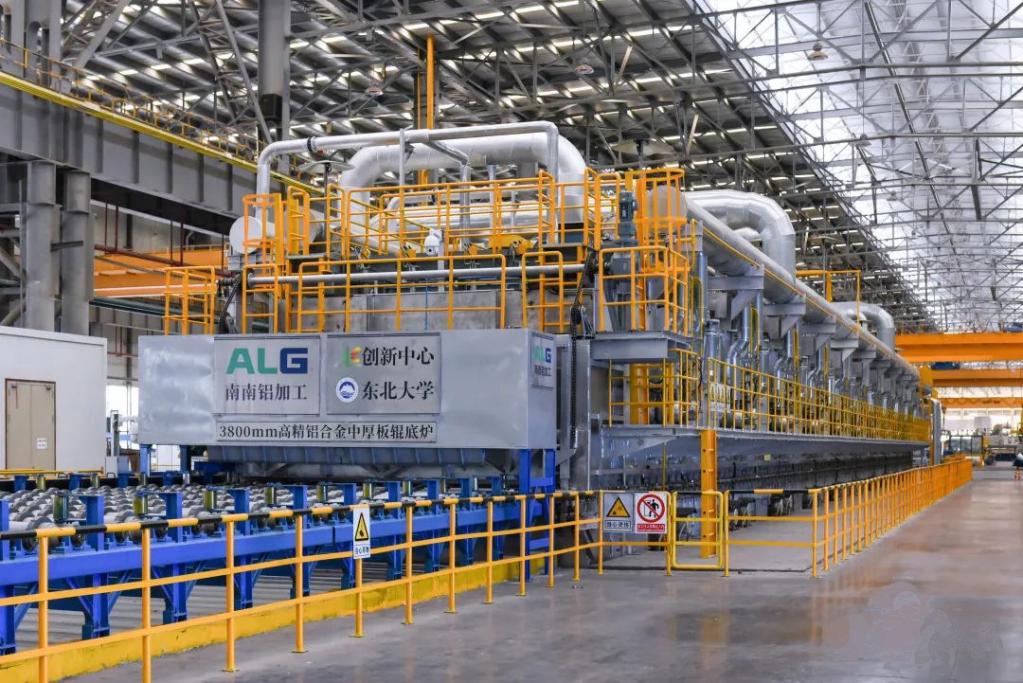
The whole metal die casting workflow starts with precision die mold fabrication. The die set includes fixed half, moving half, cavity, core, runners, gates and overflow pockets. The mold is locked firmly on a die casting machine. Molten alloy is then shot into the closed cavity at high pressure. The metal cools and solidifies quickly inside the temperature-controlled mold. After solidification, the mold opens and ejector pins push the casting out automatically.
- DFM and mold design: wall thickness, draft angle, rib layout and shrinkage compensation
- Alloy melting and temperature control: avoid oxidation and cold flow defects
- High-speed injection: fill thin features before metal solidifies
- Cooling cycle control: reduce internal porosity and distortion
- Trimming and gate removal after ejection
Mold design is the foundation of stable metal die casting quality. Improper draft angles, sudden thickness changes or poor venting will cause sticking, flash, porosity and short shots during mass production.
2. Common Alloys for Metal Die Casting
| Alloy Type | Core Features | Typical Use Cases |
|---|---|---|
| Aluminum Alloy (ADC12, A380) | Light weight, good heat dissipation, moderate cost | Motor housing, radiator shells, auto structural parts |
| Zinc Alloy (Zamak 3 / Zamak 5) | Great fluidity, easy plating, high dimensional stability | Decorative hardware, lock parts, small precision fittings |
| Magnesium Alloy (AZ91D) | Ultra-lightweight, good EMI shielding | Handheld device frames, camera housings |
Aluminum alloy is the most popular choice for general industrial metal die casting projects due to balanced performance and cost.
3. Tolerance, Surface Finish and Design Rules
As-cast metal die casting has good natural tolerance, but it cannot reach the tight tolerance level of precision CNC machining. Aluminum die castings can reach minimum wall thickness around 0.8–1.2 mm, while zinc alloy can realize thinner walls. Draft angle is mandatory for smooth demolding, normally 1° to 3° on outer surfaces.
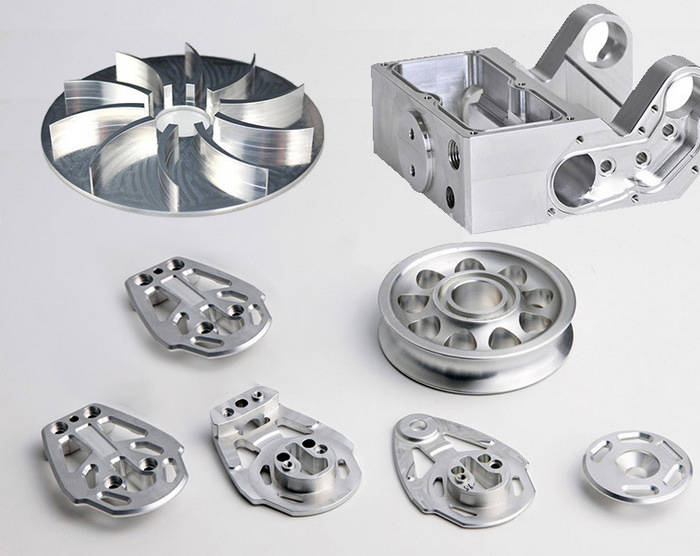
For assembly-critical features such as mounting holes and sealing surfaces, most buyers combine metal die casting with secondary CNC milling, drilling and tapping. This hybrid process keeps the low piece price advantage of die casting while meeting strict tolerance requirements on key functional areas.
4. Common Defects in Metal Die Casting
Even experienced foundries may face quality variation if process parameters or mold conditions shift. The most frequent defects are gas porosity, shrinkage cavities, cold shut, flow lines, flash and die sticking. Gas porosity is especially risky for parts that need air tightness or pressure testing. Proper venting design, stable injection speed and controlled melt temperature are the main solutions.
5. Secondary Operations for Metal Die Casting Parts
Freshly ejected castings usually need extra processing before final delivery:
- Deburr and trim: remove runners, gates and flash
- Shot blasting: clean surface oxide and improve coating adhesion
- CNC secondary machining: drill, tap and mill critical surfaces
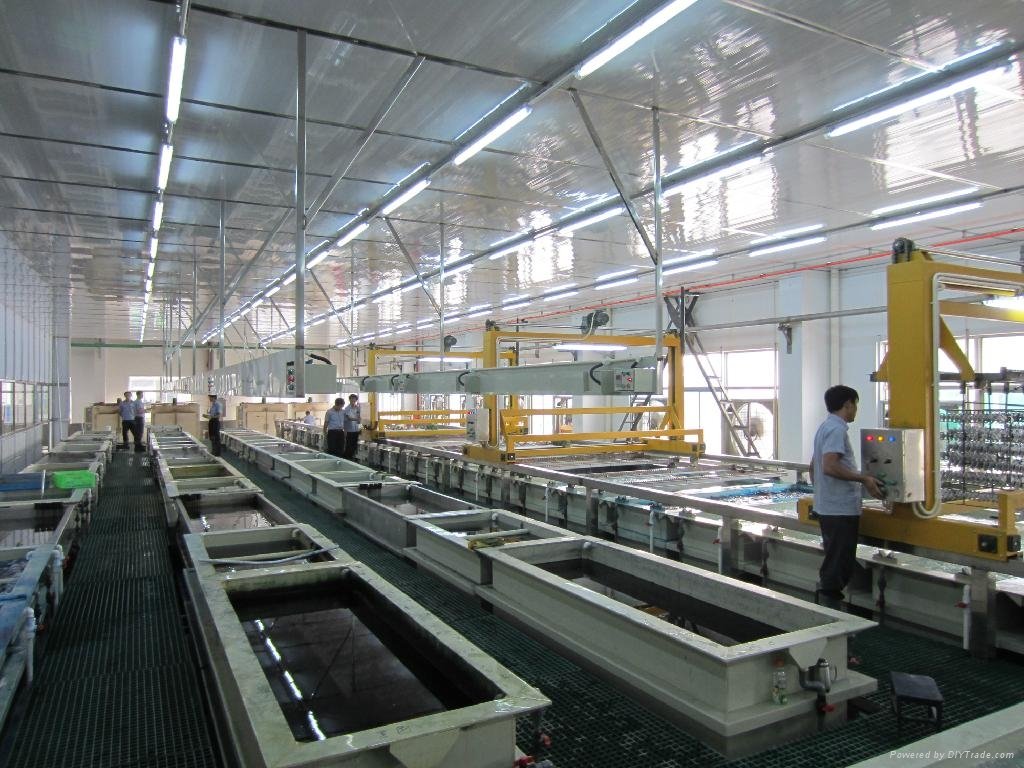
- Surface treatment: powder coating, anodizing, electroplating or painting
- Quality inspection: dimension check, leak test and visual inspection
6. How to Choose a Reliable Metal Die Casting Supplier
When sourcing metal die casting services, check the supplier’s capability covering mold making, die casting equipment, machining workshop and quality control system. A qualified vendor can complete mold trial, sample validation, process tuning and stable mass production on schedule. You should check their mold life management, defect rate and on-time delivery history. For new product development, many suppliers provide rapid die sampling to shorten your project timeline.
FAQ
Q: What is metal die casting?
A: Metal die casting is a high-volume metal forming process that injects molten non-ferrous metal alloy into precision hardened steel dies under high pressure. It produces near-net-shape metal parts with consistent dimensions, suitable for mass production of complex hardware, automotive and electronic components.
Q: What metals are used in metal die casting?
A: The most common alloys are aluminum alloy, zinc alloy and magnesium alloy. Each has different advantages on weight, thermal performance, plating ability and production cost for different industrial applications.
Q: What is the difference between metal die casting and sand casting?
A: Metal die casting uses reusable steel molds for fast cycles, high precision and smooth surface, fit for large batch orders. Sand casting uses disposable sand molds, lower mold cost, looser tolerance and rough surface, usually for low volume and large heavy castings.
Q: Can metal die casting parts be machined after casting?
A: Yes. Most functional metal die casting parts require secondary CNC machining on critical holes, mating faces and threaded positions to achieve tighter tolerances that as-cast surfaces cannot reach.
Get Your Custom Metal Die Casting Quote
Looking for reliable manufacturer for custom metal die casting, including mold design, die casting production, CNC secondary machining and surface finishing? Send your 2D drawings, 3D STEP files and technical requirements to us. We offer DFM review, rapid prototype sampling and competitive pricing for industrial hardware, automotive and electronic projects.
what is a die casting
what is die casting parts
Related Article