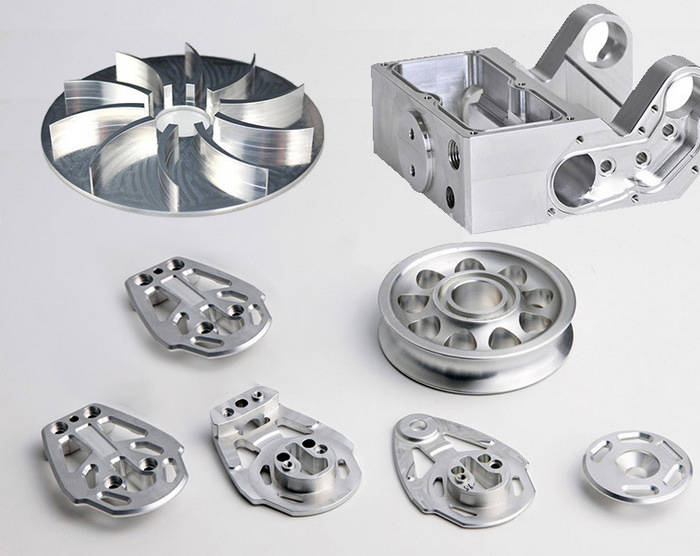
what is die casting parts
What Is Die Casting Parts? A Practical Guide to High-Pressure Die Cast Components for Industrial Buyers
Are die casting parts the right manufacturing choice for your next hardware, automotive or electronics project? This is a key question for purchasing managers, mechanical designers and quality engineers when comparing casting, forging and CNC machining options. The short answer: die casting delivers cost-effective, repeatable complex metal components when production volume is high and part geometry is suitable for mold flow. With properly designed gating, cooling systems and die molds, manufacturers can produce hundreds or thousands of identical components with minimal secondary work.
Die casting remains one of the dominant forming processes for non-ferrous metal components across the hardware and mold industry. Unlike sand casting with rough surface and low precision, high-pressure die casting injects molten alloy into hardened steel dies at fast cycle speeds. It is especially popular for consumer electronics housings, automotive brackets, valve bodies, pump housings and communication structural parts. This guide covers core knowledge, material options, tolerance limits, typical defects, secondary processing and supplier evaluation points for industrial sourcing.

1. How Die Casting Parts Are Made
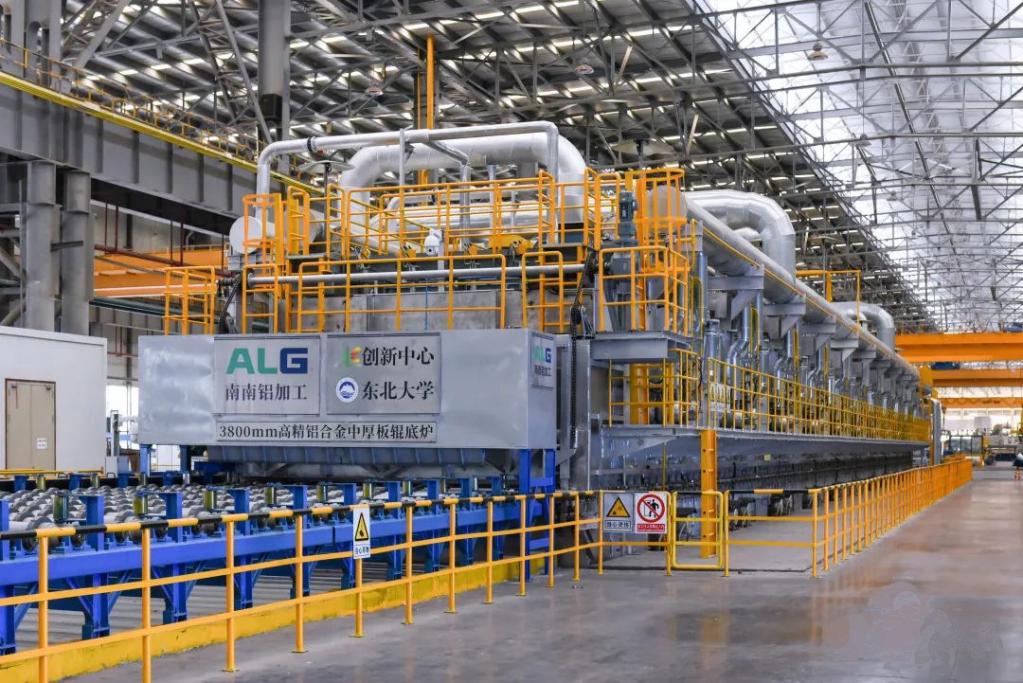
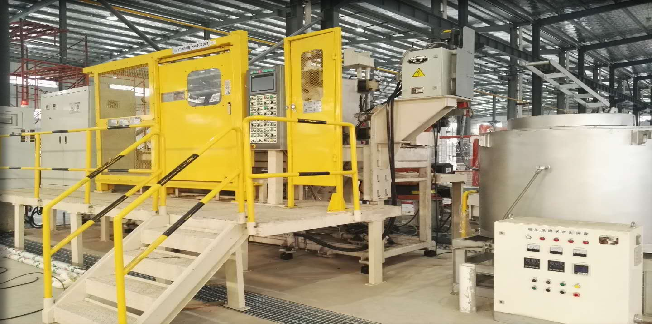
The manufacturing workflow of die casting parts starts with mold development. The die set consists of two mold halves, cavity, core, runners, gates and overflow wells. After the mold is locked tightly on the die casting machine, liquefied alloy is shot into the cavity under high pressure. The metal solidifies quickly inside the cooled mold, then the mold opens and ejector pins push the finished casting out.
- Mold design: determine wall thickness, draft angle, rib layout and shrinkage compensation
- Melting and dosing: control alloy temperature to avoid cold shut and oxidation
- High pressure injection: fast fill to capture fine features before solidification
- Cooling and ejection: stable cooling cycle controls internal porosity
- Deburring, trimming and gate removal as primary post processing
Every detail in the die design directly impacts final quality. Sharp corners, uneven wall thickness and insufficient draft angle will lead to sticking, distortion and cracking during mass production.
2. Common Alloy Materials for Die Casting Parts
| Material | Key Advantages | Typical Applications |
|---|---|---|
| Aluminum Alloy (ADC12, A380) | Light weight, good thermal conductivity, corrosion resistance, low density | Motor housing, radiator shell, automotive structural parts |
| Zinc Alloy (Zamak 3, Zamak 5) | Excellent fluidity, high dimensional accuracy, easy plating | Lock parts, decorative fittings, small precision brackets |
| Magnesium Alloy (AZ91D) | Ultra-lightweight, high specific strength, electromagnetic shielding | Camera housing, handheld device frames |
Material selection should match your load requirement, working temperature and surface finish expectation. Aluminum alloy is the most common choice for general industrial hardware die casting parts.
3. Tolerance, Surface Finish and Design Limits
Die casting can reach good as-cast tolerance, but it cannot match ultra-precision CNC machining tolerance. Thin walls down to around 0.8–1.2 mm are possible for aluminum die castings, while zinc alloy can achieve thinner walls. Draft angle is mandatory: usually 1° to 3° for smooth release from the steel mold.
For tight hole positions or mating surfaces, most buyers add secondary CNC machining after die casting. This hybrid process keeps the low unit cost benefit of die casting while hitting critical tolerance on functional mating surfaces.
4. Typical Defects of Die Casting Parts and Root Causes
Even mature die casting processes can run into quality issues if mold, pressure or melting parameters drift. The most frequent defects include porosity, shrinkage cavity, cold shut, flow mark, flash and die sticking. Porosity caused by trapped gas is a major concern if the part needs leak testing or pressure holding. Good mold venting design and stable injection speed are the main countermeasures.
5. Secondary Operations for Die Casting Parts
As-cast die castings normally require extra processing before shipment to customers:
- Trimming: remove gates, runners and flash
- Shot blasting: clean surface oxide and improve coating adhesion
- CNC machining: drill, tap, mill critical fitting surfaces
- Surface finishing: powder coating, anodizing, plating
- Inspection: dimension check, leak test, visual appearance inspection
6. How to Select a Reliable Die Casting Supplier
When sourcing die casting parts, evaluate the supplier’s capacity in mold making, die casting machines, quality control and secondary machining. A qualified workshop can complete mold trial, sample approval, process adjustment and mass production in a stable schedule. Ask to review their capability on mold life control, defect rate and on-time delivery record. For prototype phase, some suppliers can offer rapid mold sampling to shorten your new product development cycle.
FAQ
Q: What are die casting parts?
A: Die casting parts are metal components manufactured by forcing molten metal under high pressure into precision steel die casting molds. This process can produce complex, near-net-shape metal parts with consistent dimensions and smooth surfaces in high volume.
Q: What metals are commonly used for die casting parts?
A: The most widely used alloys are aluminum alloy, zinc alloy and magnesium alloy. Aluminum die castings are lightweight and heat-resistant; zinc die castings offer excellent dimensional stability and plating performance; magnesium parts are ultra-light for automotive and electronics assemblies.
Q: What is the difference between die casting parts and CNC machined parts?
A: Die casting is optimized for mass production of complex shapes with lower per-unit cost at high volumes. CNC machining removes material from solid billets, suitable for low volume, ultra-tight tolerance and simple structures. Many projects combine die casting plus secondary CNC finishing to balance cost and precision.
Q: What surface treatments can be applied to die casting parts?
A: Common post treatments include shot blasting, powder coating, anodizing, electroplating, passivation and painting. These treatments improve corrosion resistance, wear resistance and cosmetic appearance for housing, bracket and automotive component applications.
Get Your Custom Die Casting Parts Quote
Looking for reliable manufacturer for custom die casting parts, including mold making, die casting, CNC secondary machining and surface treatment? Send your 2D drawings, 3D files and requirement list to us. We provide DFM feedback, rapid sampling and competitive pricing for industrial hardware, automotive and electronic projects.
what is metal die casting
a machine with few or no moving parts
Related Article