What Does a 3D Printer Use to Print Industrial Mold and Hardware Samples
Author: SZTC
2026-08-13


Samuel Song Your service representative
Specializing in zinc-aluminum-magnesium alloy die-casting processing, CNC milling, CNC turning, 3D printing, injection molding and sheet metal processing. Manufacturing services.
-----------------------------------------------------------------------------------------------------------------------------------------------------------------------------------------------------------------------------------------------------------------------------------------------------------------------------------------------
Many factory operators new to additive manufacturing often ask what does a 3D printer use to print precise mold and hardware prototypes. 3D printers rely on professional consumables, energy sources and core components to build parts layer by layer. Understanding these key inputs helps workshops select suitable equipment and materials for stable, high-quality rapid sampling in plastic mold and hardware processing.

1. Core Printing Materials for Industrial Prototyping
The primary answer to what does a 3D printer use to print covers industry-specific printing consumables.
1.1 Photopolymer Resin
Resin-based 3D printers use liquid photopolymer resin to produce fine and smooth mold samples. Cured by ultraviolet light, this material delivers high dimensional accuracy, making it ideal for verifying intricate plastic mold cavities, surface textures and thin-wall structures during rapid sampling.
1.2 Engineering Filaments and Metal Powders
FDM printers use tough engineering filaments such as ABS and nylon for durable hardware jigs and fixture prototypes. Industrial metal 3D printers use stainless steel or aluminum alloy powders to print functional metal parts that meet real hardware strength and wear-resistance standards.

2. Energy and Precision Operating Components
Beyond materials, what does a 3D printer use to print includes critical energy and mechanical parts.
2.1 Laser and UV Light Sources
High-precision printing devices use laser beams or UV light arrays to solidify resin or melt metal powder. These precise energy sources ensure stable layer bonding, effectively avoiding deformation and layering defects for complex mold and hardware samples.
2.2 Precision Motion Systems
3D printers use stepper motors, guide rails and leveling platforms to control accurate moving paths. Stable mechanical operation guarantees consistent layer thickness, which is essential for qualified industrial prototype verification and assembly testing.
3. Digital Files and Slicing Data
A complete explanation of what does a 3D printer use to print includes digital technical support.
3.1 Standard 3D Model Files
3D printers read optimized STL model files containing mold structures and hardware shapes. Clean and error-free models ensure smooth printing without structural collapse or missing details during rapid prototyping.
3.2 Slicing and Parameter Data
Printers use professional sliced data, including layer height, printing speed and support settings. Customized parameters adapt to different industrial needs, balancing sample precision, strength and production efficiency for mold and hardware sampling tasks.
In summary, what does a 3D printer use to print covers professional consumables, precise energy components and optimized digital files. Mastering these key elements helps manufacturing factories produce stable, high-quality prototypes and optimize rapid sampling workflows.
What to Make on 3D Printer for Mold and Hardware Rapid Sampling
What Do You Use a 3D Printer for Mold and Hardware Rapid Sampling
Related Article

This guide is written for procurement engineers, maintenance leads and safety teams who need to specify or source machine guards rather than read a safety textbook.
what is the most dangerous part of machines?
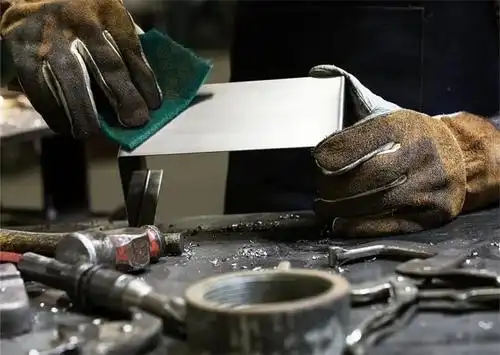
This guide is written for procurement engineers, maintenance leads and safety teams who need to specify or source machine guards rather than read a safety textbook. It covers the hazard points that require protection, the guard types and standards our shop works to, the materials and fabrication options available, the industries they serve, and a selection checklist you can reuse on every guard RFQ.
which parts of a machine must be guarded?
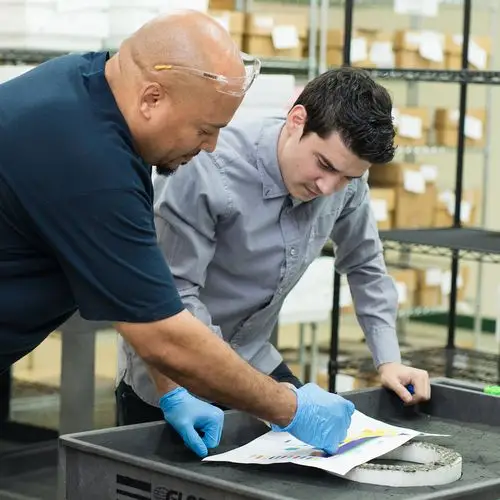
Most buyers do not lose sleep over the dictionary definition of machining. They lose sleep over the practical version: can this supplier hold the tolerance on my drawing, will the material certificate match what I paid for, will the first article pass incoming inspection, and will the parts arrive before the assembly line starts.
What Does Machining Mean?