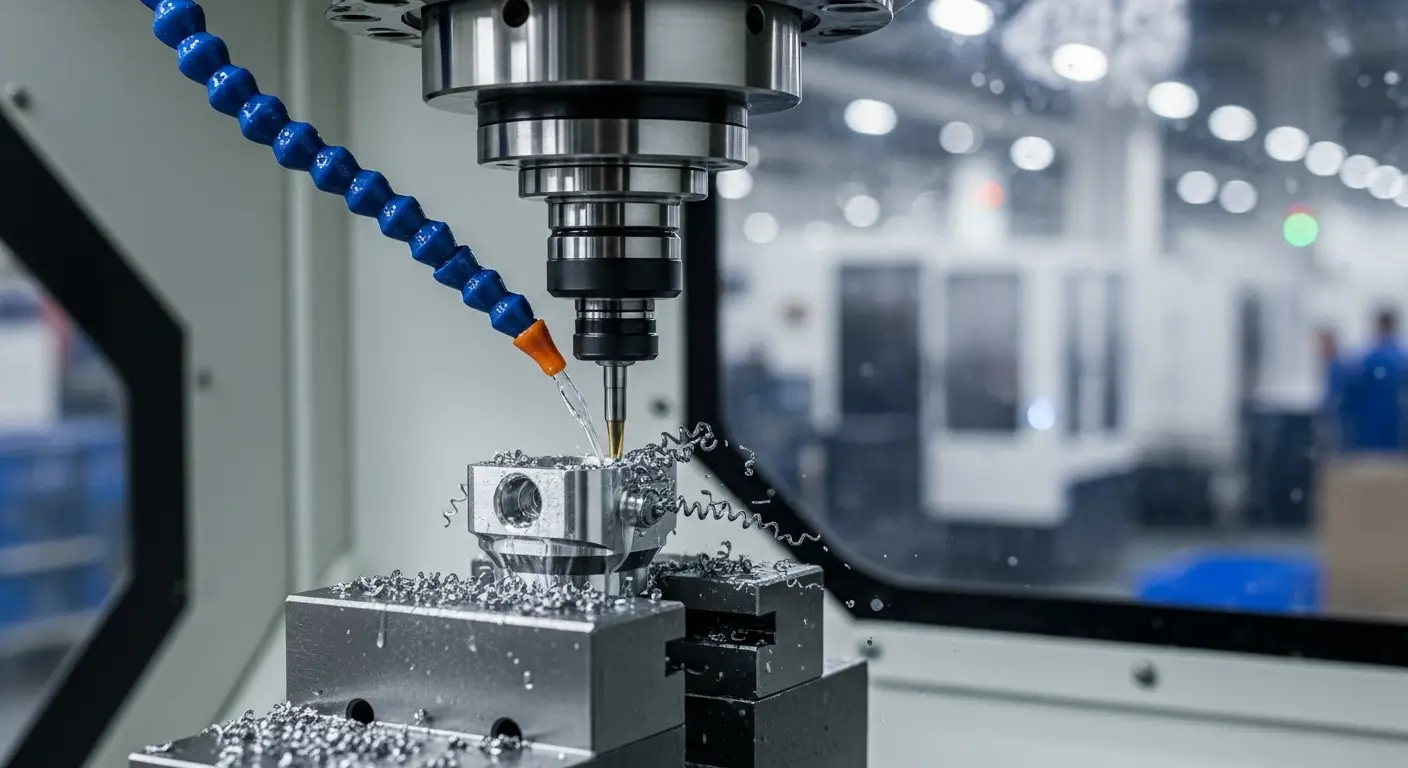
What Do You Use a 3D Printer for Mold and Hardware Rapid Sampling
Author: SZTC
2026-08-12


Samuel Song Your service representative
Specializing in zinc-aluminum-magnesium alloy die-casting processing, CNC milling, CNC turning, 3D printing, injection molding and sheet metal processing. Manufacturing services.
-----------------------------------------------------------------------------------------------------------------------------------------------------------------------------------------------------------------------------------------------------------------------------------------------------------------------------------------------
In modern plastic mold and hardware processing industries, traditional machining is slow and costly for prototype verification. Most factory technicians and designers frequently ask what do you use a 3D printer for to upgrade workshop efficiency. 3D printers serve as versatile industrial tools that perfectly fit fast sampling, structural testing and customized production for manufacturing scenarios.
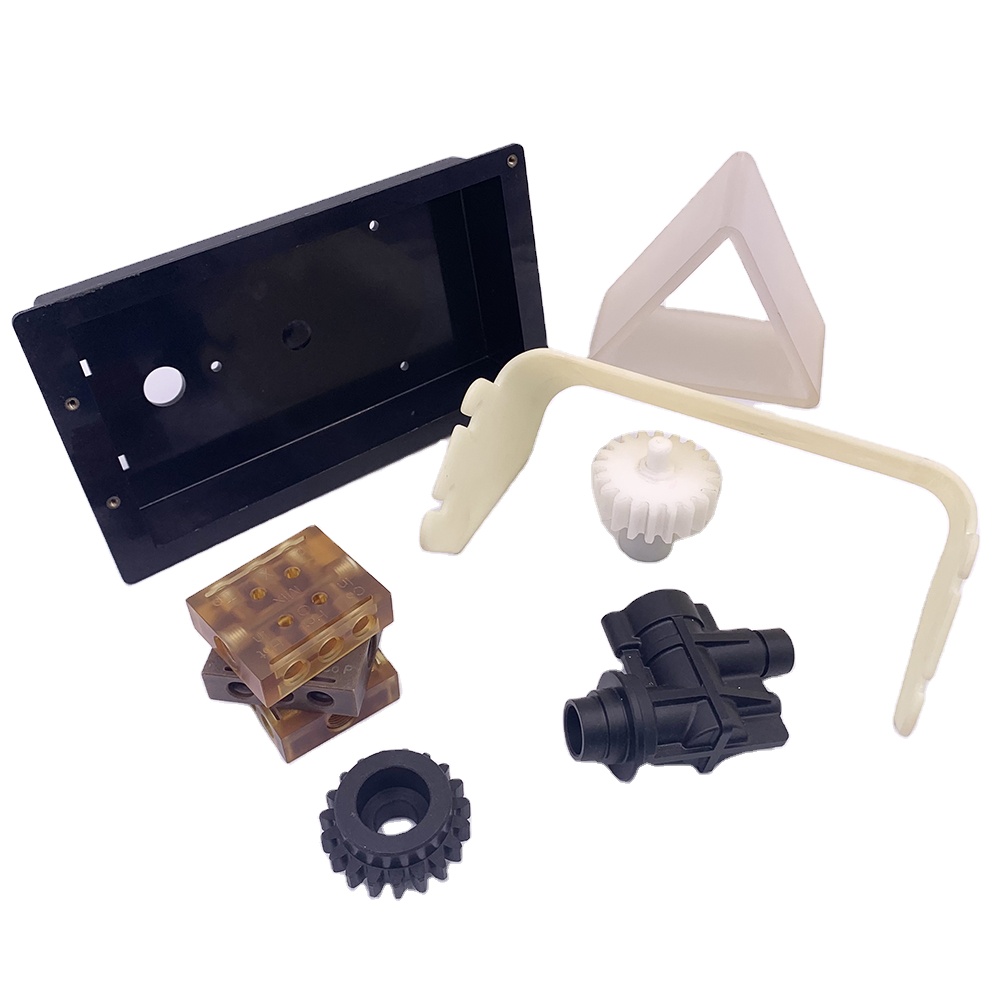
1. Rapid Prototype Verification for Molds
The most common purpose that answers what do you use a 3D printer for is mold design validation and rapid sampling.
1.1 Structural Mold Sample Printing
You use a 3D printer to produce high-precision plastic mold prototypes with complex cavities, thin walls and intricate grooves. These samples allow engineers to check structural rationality, assembly gaps and design flaws before formal mold manufacturing, eliminating expensive mold rework and long processing cycles.
1.2 Appearance and Trial Testing
3D printers are used to create visual mold samples for customer confirmation and preliminary product evaluation. It helps teams verify surface textures and overall outlines quickly, accelerating mold design approval progress.
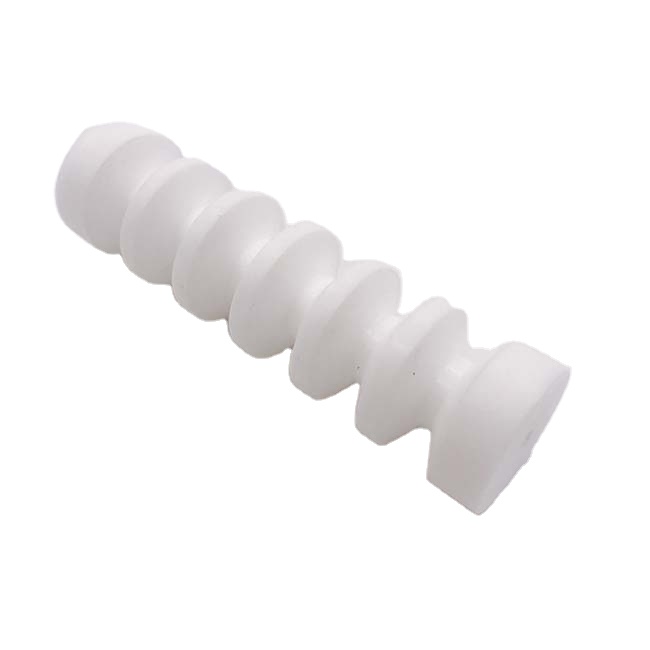
2. Custom Hardware Part Fabrication
Another core industrial application of what do you use a 3D printer for is customized hardware prototype production.
2.1 Special-Shaped Hardware Prototypes
You use a 3D printer to manufacture non-standard hardware components that are difficult to process via traditional CNC cutting. It supports flexible structural customization for special-shaped parts, meeting personalized trial production demands of hardware processing projects.
2.2 Workshop Tooling Production
3D printers are widely used to print custom jigs, positioning fixtures and detection tools. These tailor-made auxiliary parts improve clamping accuracy and testing efficiency for daily hardware batch processing and mold trial runs.

3. Low-Cost R&D and Small-Batch Trial Production
A complete explanation of what do you use a 3D printer for covers efficient product iteration and cost control.
3.1 Accelerate Product Iteration
You use a 3D printer to complete repeated sample printing and design optimization within hours. Fast iteration shortens the R&D cycle of new mold and hardware products, helping enterprises respond to market demands faster.
3.2 Reduce Trial Production Costs
3D printing requires no early mold opening for small-batch trial production. It minimizes material waste compared with subtractive machining, greatly lowering the overall sampling cost for mold and hardware manufacturing workshops.
To conclude, what do you use a 3D printer for in industrial scenarios mainly includes mold verification, custom hardware fabrication and low-cost trial production. It has become an indispensable tool for efficient rapid sampling and product upgrading in plastic mold and hardware industries.
What Does a 3D Printer Use to Print Industrial Mold and Hardware Samples
What Do You Need to 3D Print Mold and Hardware Industrial Samples
Related Article
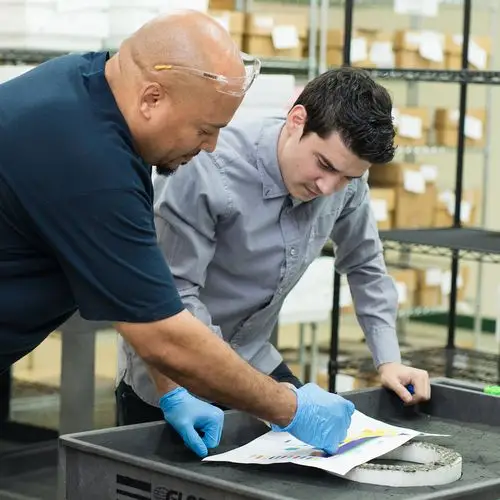
Most buyers do not lose sleep over the dictionary definition of machining. They lose sleep over the practical version: can this supplier hold the tolerance on my drawing, will the material certificate match what I paid for, will the first article pass incoming inspection, and will the parts arrive before the assembly line starts.
What Does Machining Mean?
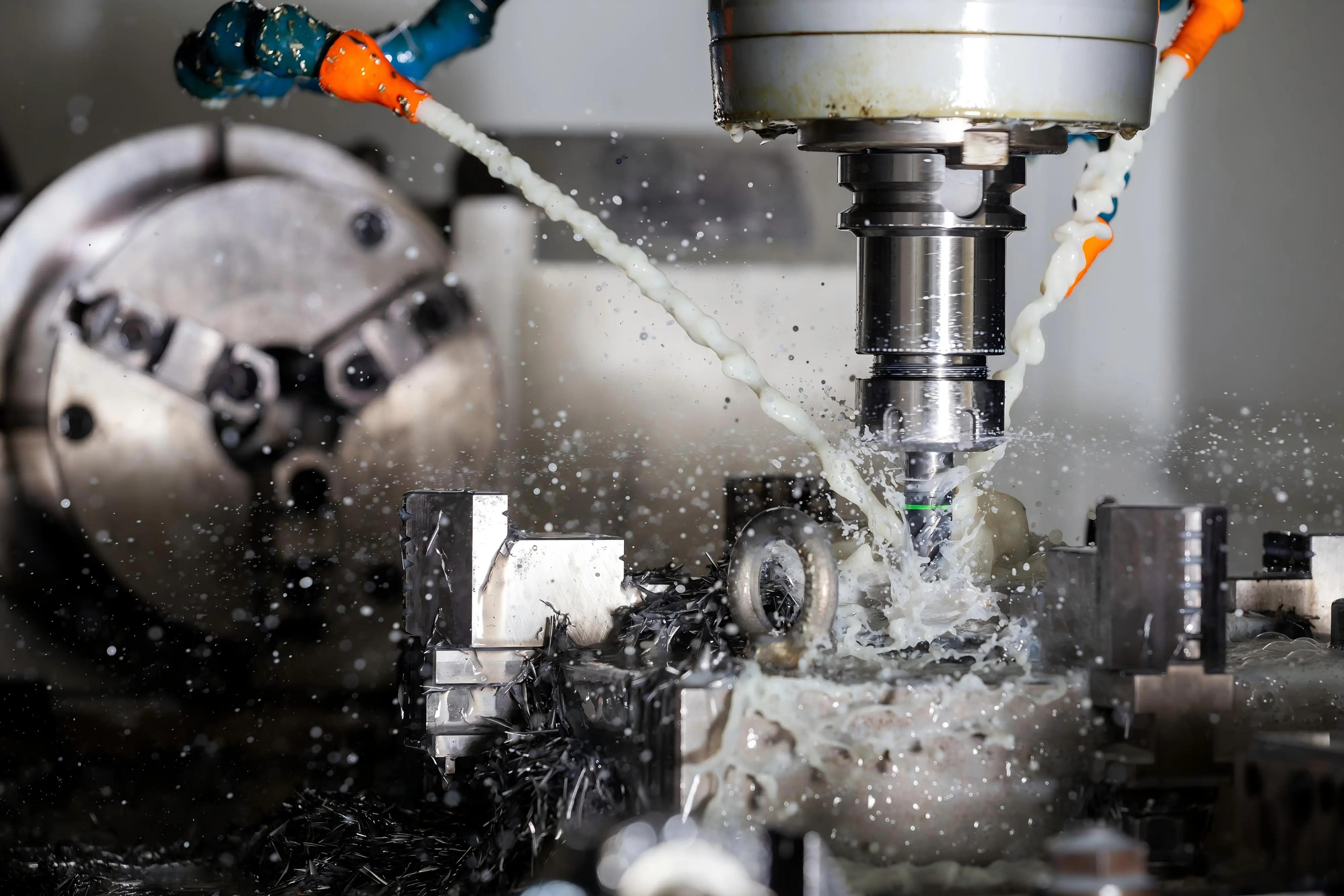
Manufacturing complex parts is not just about having advanced CNC machines. It also requires reliable software to translate engineering designs into accurate machining operations.
how does cnc machining software supports complex parts?