What Do You Need to 3D Print Mold and Hardware Industrial Samples
Author: SZTC
2026-08-12


Samuel Song Your service representative
Specializing in zinc-aluminum-magnesium alloy die-casting processing, CNC milling, CNC turning, 3D printing, injection molding and sheet metal processing. Manufacturing services.
-----------------------------------------------------------------------------------------------------------------------------------------------------------------------------------------------------------------------------------------------------------------------------------------------------------------------------------------------
3D printing has greatly improved rapid sampling efficiency for plastic mold and hardware processing industries. Many new workshop operators often ask what do you need to 3D print qualified industrial prototypes. Unlike ordinary hobby printing, industrial 3D printing for mold and hardware verification requires complete equipment, professional materials and standardized technical preparation.

1. Essential 3D Printing Equipment
The first basic requirement to answer what do you need to 3D print is a complete set of printing hardware.
1.1 Industrial-Grade 3D Printers
For mold and hardware sampling, stable precision printers are essential. SLA resin printers are perfect for fine plastic mold cavities and detailed appearance samples, while FDM and metal 3D printers are used for durable hardware jigs and functional mechanical prototypes.
1.2 Auxiliary Processing Tools
You need essential auxiliary tools including platform levelers, support removal blades, cleaning brushes and UV curing machines. These tools ensure smooth post-processing and flawless surface quality for printed industrial samples.

2. Professional Industrial Printing Materials
High-quality consumables are indispensable when exploring what do you need to 3D print reliable manufacturing parts.
2.1 Scenario-Matched Consumables
Different sampling tasks require targeted materials. High-precision resin delivers smooth mold prototypes for structural verification, while tough engineering filaments and metal powders provide high strength for load-bearing hardware testing parts.
2.2 Material Storage Tools
You need sealed storage boxes and drying devices to prevent resin contamination and filament moisture. Proper material maintenance avoids printing defects such as layer cracking, warping and surface roughness.
3. Software and Operational Skills
A complete answer to what do you need to 3D print includes digital tools and professional operation capabilities.
3.1 Modeling and Slicing Software
You need CAD modeling software to design and optimize mold and hardware structures, plus professional slicing software to set layer height, printing speed and support layouts for industrial standards.
3.2 Standard Operating Experience
Basic skills such as printer calibration, parameter adjustment and sample post-processing are required. Skilled operation improves printing success rates and ensures printed samples meet mold assembly and hardware testing requirements.
In conclusion, what do you need to 3D print industrial samples covers professional equipment, matched materials and technical skills. Full preparation helps mold and hardware factories achieve fast, low-cost and high-precision rapid prototyping.
What Do You Use a 3D Printer for Mold and Hardware Rapid Sampling
What Do I Need for a 3D Printer in Industrial Rapid Sampling
Related Article
Most buyers do not lose sleep over the dictionary definition of machining. They lose sleep over the practical version: can this supplier hold the tolerance on my drawing, will the material certificate match what I paid for, will the first article pass incoming inspection, and will the parts arrive before the assembly line starts.
What Does Machining Mean?
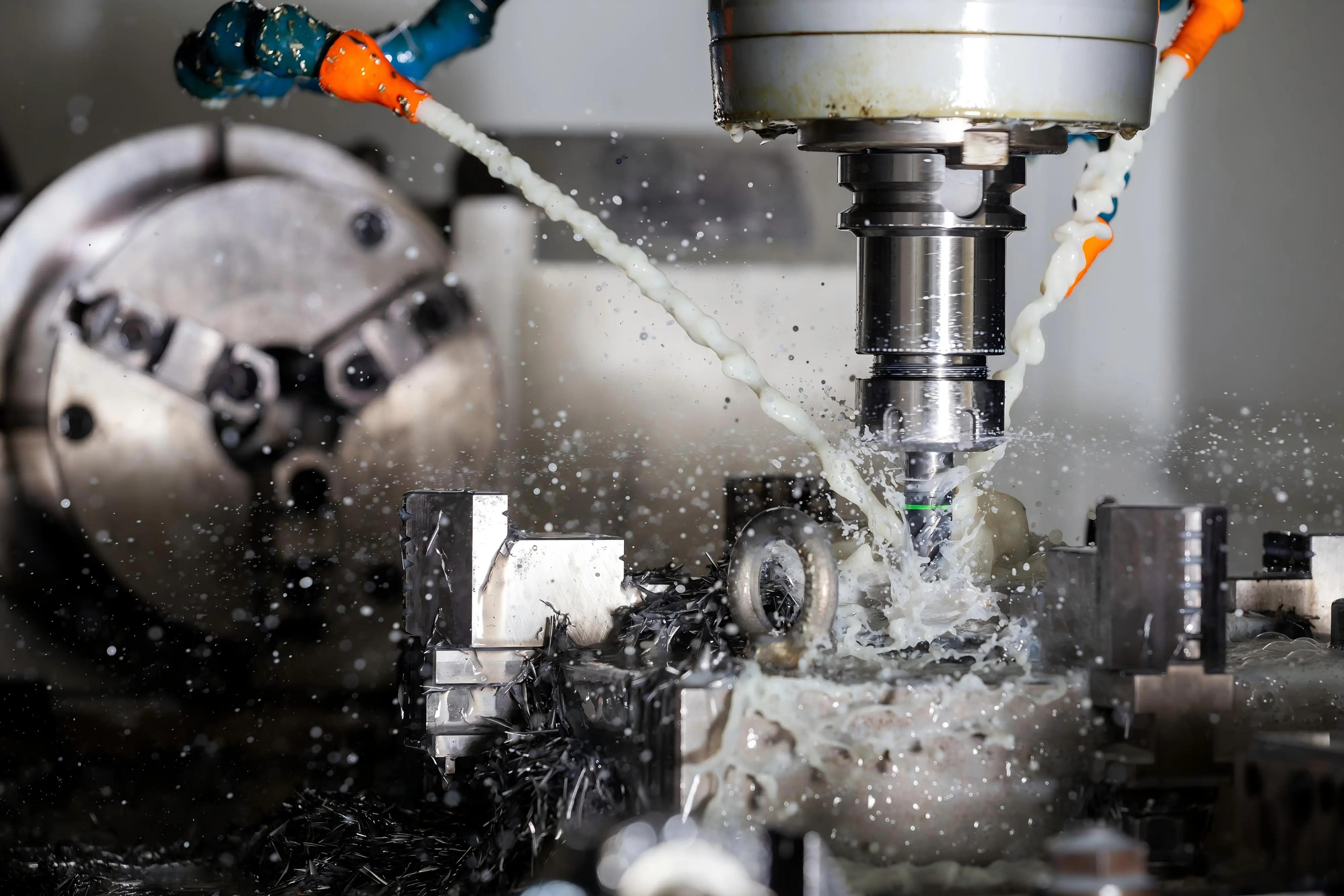
Manufacturing complex parts is not just about having advanced CNC machines. It also requires reliable software to translate engineering designs into accurate machining operations.
how does cnc machining software supports complex parts?