
It Is The Key To Keep Metal Parts From Rusting
Author: SZTC
2025-01-16
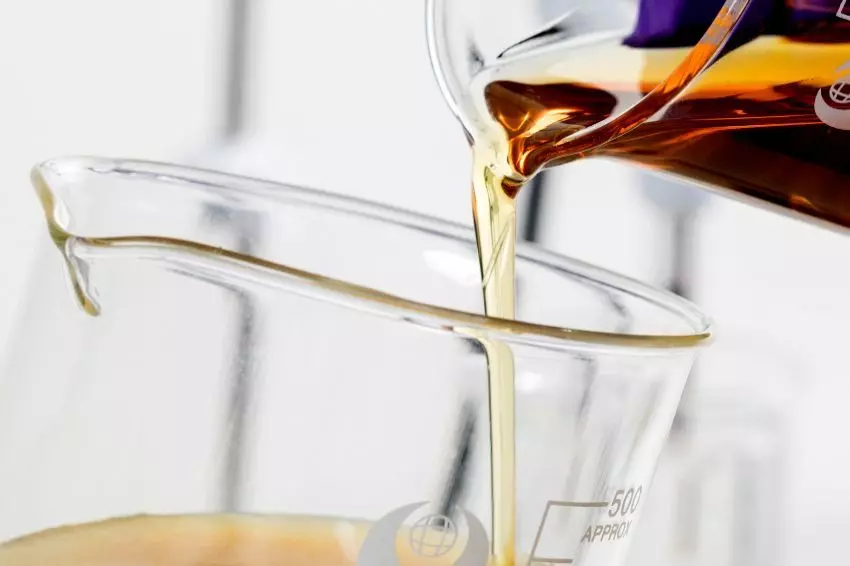
What is anti-rust oil?
Rust often refers to the corrosion of ferrous metals in the air due to the electrochemical reaction caused by the participation of water and oxygen. Anti-rust oil mainly uses the rust inhibitor in it to form a protective film on the metal surface, isolating water and oxygen to prevent rust.
Classification of common anti-rust oils for mechanical parts processing
1. Thin layer anti-rust oil
The oil film is thin and the amount is small. It forms a thinner anti-rust film on the surface of the workpiece, which does not affect the appearance of the product. It is easy to clean and has good anti-rust performance. It is suitable for anti-rust and sealing of parts in the automotive, hardware and electronic industries.
2. Replacement anti-rust oil
It has dehydration performance and is suitable for products that are not completely dried after the workpiece is cleaned. It can replace the water and is easy to clean in the subsequent sequence. It is often used for anti-rust and sealing of parts in the process.
3. Hard film anti-rust oil
It has excellent anti-rust performance in humid and salt spray environments. It is generally suitable for working conditions with high anti-rust performance requirements in harsh environments such as shipping, hulls, steam chassis and equipment.
4. Water-based rust inhibitor
It is used with water, low cost, and is widely used for rust prevention between processes of ferrous metals, alloy steels and non-ferrous metal products. The anti-rust period is short.
About the selection of anti-rust oil
1. Choose according to the material of the product
Different metal materials have different requirements for anti-rust oil, such as cast iron and copper, which have different requirements for rust resistance.
2. Choose according to the anti-rust cycle
For short-term anti-rust, you can use anti-rust oil with lower viscosity and thinner oil film. For longer anti-rust, you need anti-rust oil with higher viscosity and thicker oil film.
3. Choose according to product structure and usage
For example, smaller products can be rust-proofed by immersion, and larger and more complex products can be rust-proofed by spraying or brushing. Regardless of the usage method, it should be ensured that an effective anti-rust film is formed on each part to avoid local rust (it should also be noted that the operator's hands should avoid direct contact with the metal surface. Human sweat contains rust-causing substances such as chloride ions and lactic acid, which are easy to form handprint-like rust on the surface of the workpiece).
4. Choose according to subsequent processing technology and assembly requirements
Such as later processing technology, storage environment, packaging conditions, and whether cleaning is required before assembly.
How to use and precautions for rust-proof oil

1. Immersion method: The advantage is that it can form a uniform anti-rust film on the surface, ensuring complete coverage of the product, and the cost is low. The disadvantage is that it is only suitable for small products. Use low-viscosity anti-rust oil, and the immersion tank must have a good drainage system.
2. Spray method: Suitable for large and complex products. High-efficiency sprayers must be used. It is easy for the product to fail to fully form an anti-rust film. The working environment requires good ventilation performance when using it.
3. Brushing method: This method is simple to use, but it must be ensured that every position of the workpiece is brushed, and the brush must be kept clean before use.
4. Flushing method: High efficiency, recycling, and cost saving, but the product in the tank needs to be drained and replaced regularly to avoid excessive moisture and other substances affecting the anti-rust effect.
The above points are some basic knowledge about the selection and use of anti-rust oil. In the production process, rust is still easy to occur even after using anti-rust oil. Common reasons are: too much moisture on the workpiece surface, the anti-rust film cannot be fully formed on the workpiece, the anti-rust oil has been used for a long time without being replaced, a large amount of moisture and dust remain in the oil, the anti-rust film on the workpiece surface is not fully formed before packaging, the temperature difference in the package causes condensation of water vapor, the rust is more serious, the packaging material or quality does not meet the process requirements, etc.
Structure of plastic mold
DX51D+AZ Sheet Roughness Size Range
Related Article

Fast sampling is the fastest way to win business in the hardware machining and plastic mold industries. Customers want a working sample in days, and a 3D printer delivers it, but only when you know how to print in 3d correctly.
how to print in 3d

Fast sampling is the fastest way to win business in the hardware machining and plastic mold industries. Customers often send an STL file and expect a working sample in days.
how to print an stl file

