How to Price 3D Printed Items for Mold and Hardware Rapid Sampling
Author: SZTC
2026-07-31


Samuel Song Your service representative
Specializing in zinc-aluminum-magnesium alloy die-casting processing, CNC milling, CNC turning, 3D printing, injection molding and sheet metal processing. Manufacturing services.
-----------------------------------------------------------------------------------------------------------------------------------------------------------------------------------------------------------------------------------------------------------------------------------------------------------------------------------------------
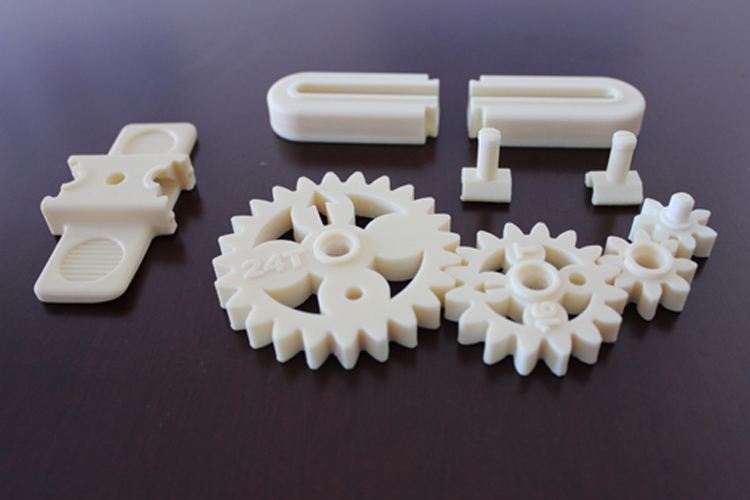
3D printed prototypes are widely used for rapid verification in plastic mold and hardware processing industries. Many workshop operators and service providers struggle with how to price 3D printed items accurately and reasonably. Scientific pricing balances production cost, processing difficulty and service value, ensuring profitable and competitive rapid sampling services for industrial clients.

1. Calculate Basic Production Costs
The foundation of learning how to price 3D printed items is calculating all core manufacturing expenses.
1.1 Material Consumption Cost
Material cost is the primary pricing factor. Operators calculate the total weight of consumed resin, engineering filament or functional polymer, including wasted support structures. High-grade materials for durable hardware prototypes and high-precision mold samples have higher unit costs than ordinary printing materials.
1.2 Machine and Time Cost
Printing duration and equipment depreciation cannot be ignored. Complex mold cavities and special-shaped hardware jigs require longer printing hours and frequent machine calibration. Factories must include equipment loss and time cost when figuring out how to price 3D printed items.

2. Adjust Price by Industrial Complexity
Industrial 3D printing pricing needs flexible adjustment based on prototype difficulty and precision standards.
2.1 Precision and Structural Difficulty
High-precision items with thin walls, tiny grooves and strict tolerances require refined printing parameters and real-time monitoring. These complex mold and hardware samples deserve a reasonable premium compared with simple structural prototypes.
2.2 Manual Post-Processing Work
Most industrial samples need cleaning, UV curing, support removal and surface polishing. Labor-intensive post-processing for assembly-ready prototypes adds extra value and should be included in the final price of 3D printed items.

3. Optimize Pricing Strategy for Workshop Services
A mature pricing strategy perfects the method of how to price 3D printed items for long-term industrial cooperation.
3.1 Urgent and Bulk Order Rules
Apply discount policies for bulk sampling orders of regular hardware fixtures and mold test parts. For urgent orders that require overtime production, add reasonable emergency fees to compensate for compressed production schedules.
3.2 Market Competitive Quotation
Balance cost and market price standards. Maintain stable profit margins while ensuring pricing competitiveness, attracting long-term clients for mold modification and hardware prototype customization services.
To conclude, mastering how to price 3D printed items helps manufacturing workshops achieve standardized and transparent quotation. Reasonable pricing supports sustainable operation while delivering high-quality rapid sampling solutions for plastic mold and hardware industries.
How to Use a 3D Printer for Mold and Hardware Rapid Sampling
How to Model for 3D Printing for Mold and Hardware Rapid Sampling
Related Article

A 3D printer is often associated with hobby projects, but its value goes far beyond making decorative objects. In manufacturing, it can produce quick samples that help engineers review a design before investing in machining, tooling, or mass production.
where to use a 3d printer?
Understand how the terms differ and how rapid prototyping supports hardware manufacturing, CNC machining, and plastic mold development.
is additive manufacturing the same as 3d printing ?