is 3d printing hard
Is 3D Printing Hard? A Practical Guide for Hardware and Plastic Mold Manufacturers
Learn what makes 3D printing easy to start but more challenging in precision applications, and how manufacturers use rapid prototyping to validate designs before production.
Is 3D Printing Hard for Beginners and Manufacturing Engineers?
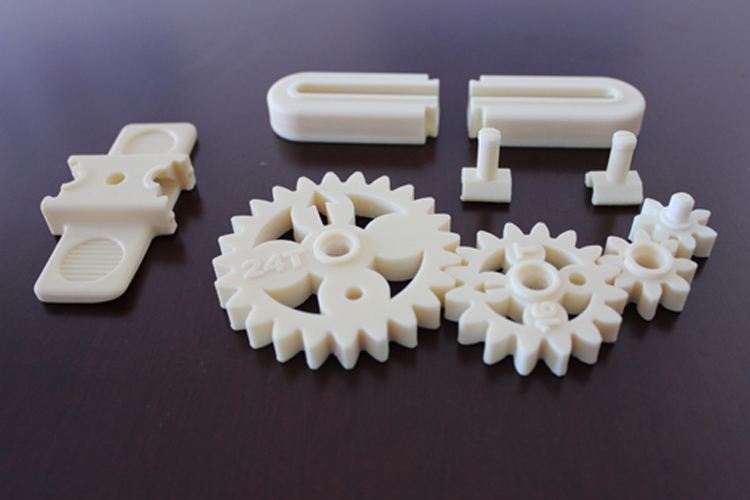
If you have never used a 3D printer before, you might wonder: is 3D printing hard? The answer depends on what you want to make. Printing a simple plastic prototype is relatively straightforward, but producing a precise functional component for hardware assembly or plastic mold development requires more experience.
For manufacturers, 3D printing is not just about creating objects from digital files. It is a practical way to test product designs, check dimensions, identify assembly problems, and obtain customer approval before investing in expensive tooling.
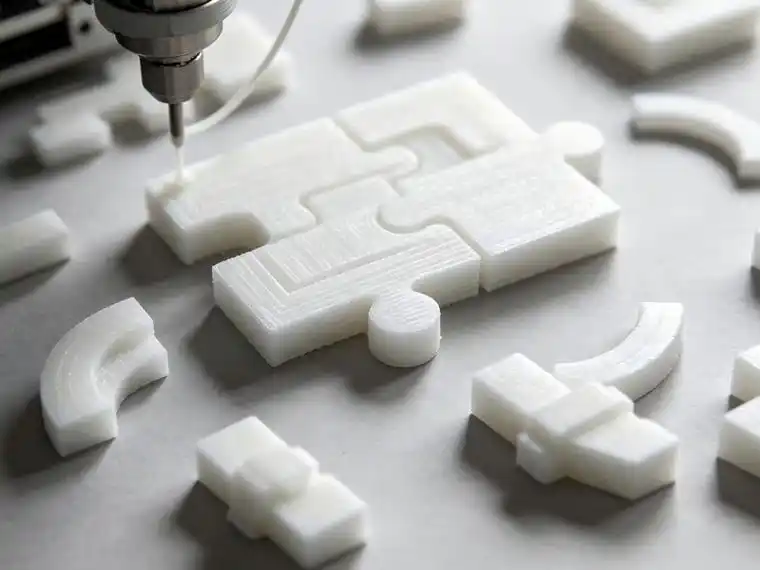
In traditional manufacturing, producing a sample may involve CNC machining, manual fabrication, or even building a dedicated mold. These processes can take considerable time, especially when the design changes several times. With 3D printing, engineers can often produce an initial plastic sample within hours, depending on its size, complexity, material, and printing technology.
What Makes 3D Printing Easy to Learn?
One reason 3D printing has become popular is its relatively simple workflow. You do not need to understand every detail of manufacturing before producing your first sample.
The basic process involves creating a 3D model, preparing the file in slicing software, selecting suitable printing settings, and starting the print. Once the machine finishes, the part can be removed for inspection and testing.
Basic Skills You Need to Get Started
Most beginners can learn the fundamentals without extensive technical training. However, a few skills make the process much easier:
- Understanding basic CAD models and dimensions.
- Preparing STL or 3MF files for printing.
- Selecting suitable materials for the intended application.
- Adjusting layer height, print speed, and support settings.
- Checking dimensions and surface quality after printing.
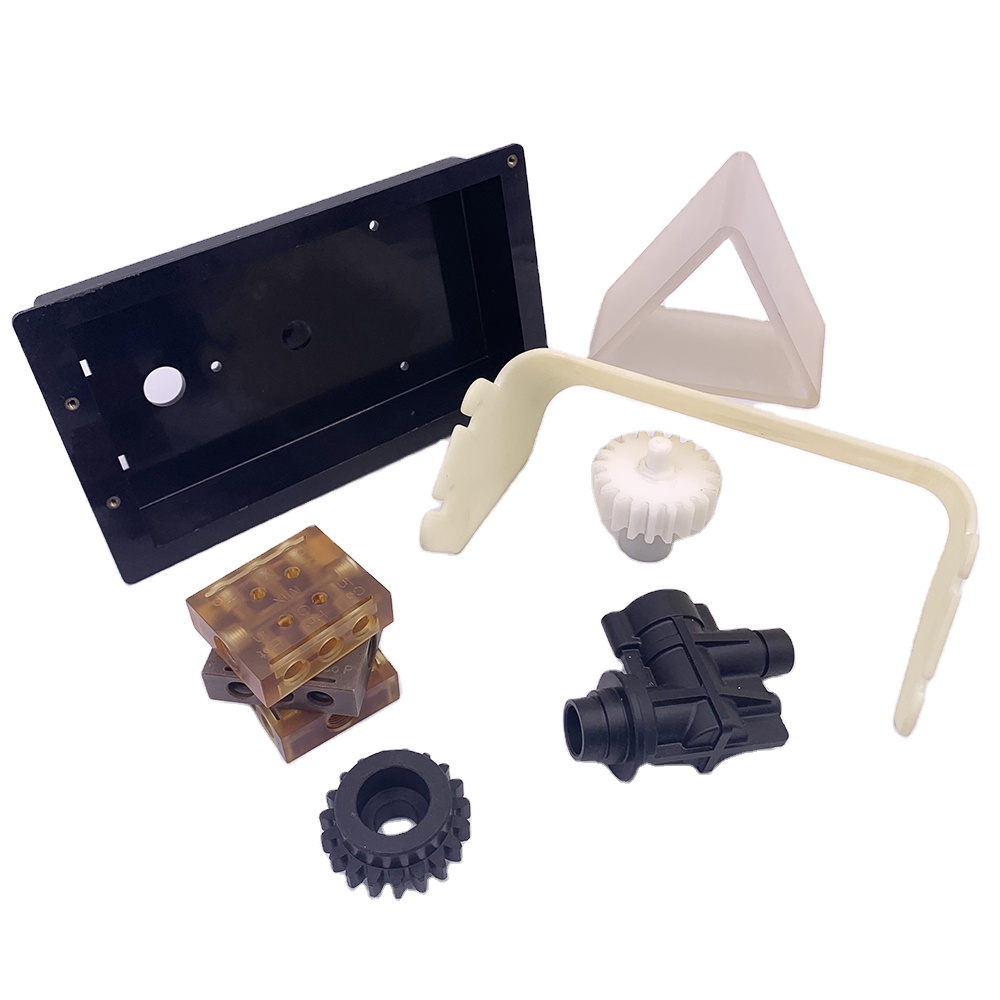
For a simple bracket, cover, or enclosure, these skills may be enough to produce a useful prototype. More complex parts require additional knowledge of tolerances, material behavior, and print orientation.
How 3D Printing Helps Hardware Manufacturing
Testing Designs Before CNC Machining
In hardware manufacturing, a small design error can lead to unnecessary machining costs, assembly delays, or repeated customer complaints. A mounting hole positioned incorrectly or a bracket that interferes with another component may not be obvious on a computer screen.
3D printing gives engineers a physical part to evaluate before committing to more expensive manufacturing processes.
For example, a customer may request a custom aluminum housing with several mounting points. Before machining the aluminum prototype, the engineering team can print a plastic model to check overall dimensions, mounting positions, and assembly clearance.
If something does not fit, the CAD file can be revised and another sample printed. This approach is particularly useful when developing custom mechanical components, equipment enclosures, brackets, and other precision hardware parts.

Why 3D Printing Does Not Replace CNC Machining
Although 3D printing is useful for rapid prototyping, it cannot replace every manufacturing process.
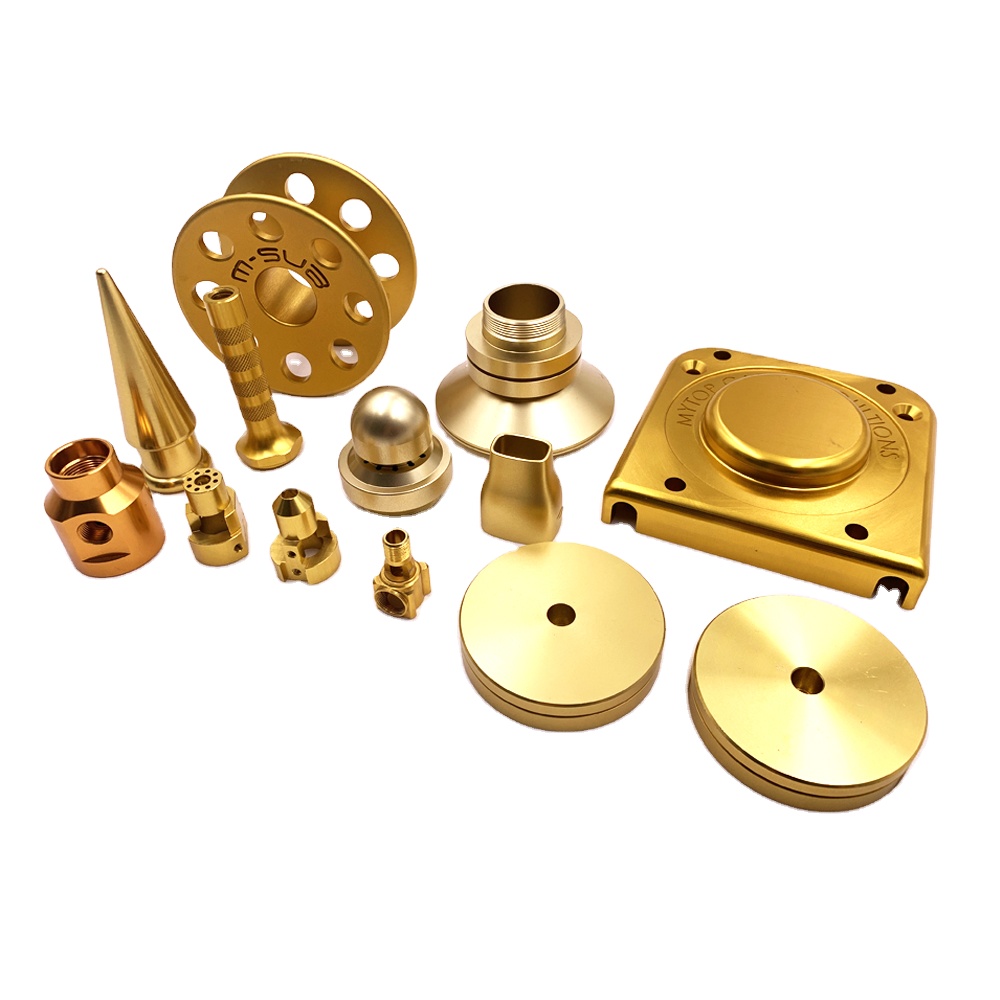
A printed plastic sample may confirm that a component fits, but it cannot always reproduce the strength, thermal conductivity, surface finish, or dimensional stability of a machined metal part.
When a product requires high mechanical strength, tight tolerances, or specific surface treatments, CNC machining may still be necessary for final validation.
Choosing the Right Process for Your Prototype
The best approach depends on what you need to test.
- 3D printing: Suitable for checking geometry, fit, and general appearance.
- CNC machining: Better for metal prototypes, precision features, and functional testing under demanding conditions.
- Sheet metal fabrication: Appropriate for testing formed brackets, covers, and enclosures.
- Die casting: Suitable for production-oriented development when complex metal shapes and repeatable manufacturing are required.
Using these processes together allows manufacturers to identify design problems early without expecting one technology to do everything.
Is 3D Printing Hard for Plastic Mold Development?
Rapid Prototyping Before Injection Mold Production
Plastic injection molds require careful engineering, precision machining, and a significant initial investment. Changes made after a mold has been manufactured can increase costs and delay delivery.
This is where 3D printing becomes especially valuable.
Before cutting mold steel, engineers can print a prototype of the intended plastic product. The sample helps verify its shape, assembly interfaces, appearance, and basic functionality. Designers can also review wall thickness, potential interference, and other features that may affect mold design.
Although a printed model cannot fully reproduce the behavior of an injection-molded part, it provides useful information before tooling begins.

Understanding the Limitations of Printed Samples
A common mistake is assuming that a 3D-printed part will behave exactly like the final injection-molded product.
Different materials and manufacturing processes can produce different shrinkage, surface characteristics, mechanical properties, and dimensional variations. A printed prototype should therefore be treated as an early validation tool rather than a complete substitute for injection molding trials.
When Should You Move from 3D Printing to Injection Molding?
For early design reviews, 3D printing is often a practical choice. Once the design is stable and production quantities justify the investment, injection molding may offer better unit economics and more consistent production quality.
The transition should be based on product requirements, expected order volume, material specifications, and acceptable tolerances.

What Makes Professional 3D Printing More Challenging?
Accuracy, Materials, and Surface Finish
Producing a basic sample is relatively easy. Producing a sample that meets a customer's engineering requirements is a different matter.
Dimensional accuracy depends on the printer, material, build orientation, calibration, and process settings. Thin walls may warp, small holes may print undersized, and unsupported features may require additional structures.
Surface finish also varies by technology. Layer lines can remain visible on FDM parts, while resin printing may require washing, curing, and support removal.
For hardware and mold applications, engineers should identify critical dimensions before printing and decide which features require post-processing or more accurate manufacturing methods.
How to Make the Process Easier
The most effective way to avoid wasted time is to define the purpose of the prototype before starting production.
A Simple Checklist for Better Results
- Confirm that the CAD model matches the latest drawing.
- Identify critical dimensions and assembly interfaces.
- Select a material appropriate for the intended test.
- Check whether supports or a different print orientation are needed.
- Inspect the finished sample and record any dimensional deviations.
- Revise the design before moving to CNC machining or mold fabrication.
This straightforward process helps engineers get more value from every prototype and reduces unnecessary design revisions.

Final Thoughts: Is 3D Printing Hard to Master?
So, is 3D printing hard? For basic prototypes, the learning curve is manageable. For precision manufacturing applications, the real challenge lies in selecting the right materials, understanding process limitations, and knowing when a printed sample is sufficient and when further testing is necessary.
For hardware manufacturers and plastic mold makers, 3D printing is most valuable when used as part of a broader product development process. It helps teams evaluate designs earlier, communicate more clearly with customers, and reduce the risk of costly changes after machining or mold production has started.
The goal is not to replace established manufacturing technologies. It is to use rapid prototyping where it makes the greatest difference: turning a digital design into a physical sample, checking the details, and improving the product before moving into production.
Planning a New Hardware or Plastic Component?
Shenzhen Zhongzhu Technology supports custom manufacturing projects involving CNC machining, sheet metal fabrication, zinc and aluminum die casting, and plastic injection molding. Contact our team to discuss your drawings, materials, and production requirements.
Contact Our Team
where was 3d printing invented
Related Article