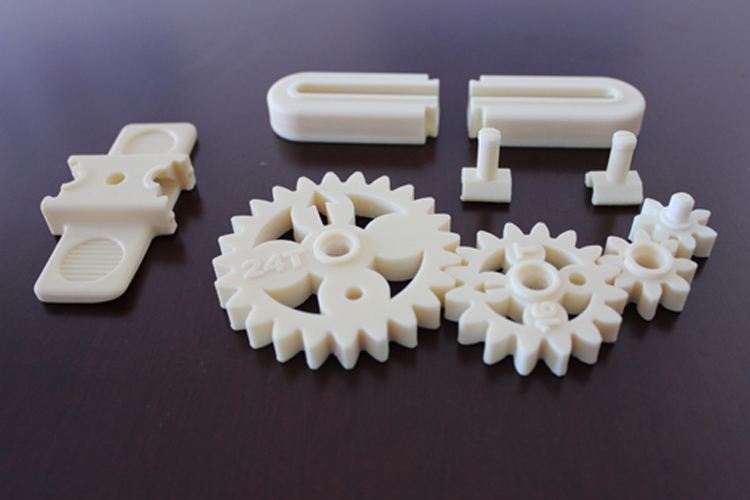
How Much Is It to 3D Print Something for Mold and Hardware Rapid Sampling
Author: SZTC
2026-09-17
For plastic mold designers and hardware processing manufacturers, 3D rapid prototyping has become a standard solution to verify product structures, test assembly tolerance, and shorten mold development cycles. Unlike traditional CNC machining and manual trial production, 3D printing delivers custom samples within hours with no complex tooling setup. The most frequent question raised by factory purchasers, engineers and customers is straightforward: how much is it to 3D print something. Many people assume 3D printing has fixed pricing, but industrial prototype costs vary drastically based on printing technology, material selection, part complexity and post-processing requirements. This article provides a complete industrial cost breakdown, covering plastic mold samples, hardware functional prototypes and custom mechanical parts, to help manufacturers accurately budget for rapid sampling projects.
1. Core Factors That Decide 3D Printing Costs
To fully answer how much is it to 3D print something in manufacturing scenarios, it is essential to understand the key variables that cause huge price gaps between ordinary consumer prints and industrial-grade mold and hardware samples.
1.1 Printing Technology Selection
Different additive manufacturing technologies form the basic price tier for 3D printed parts. FDM filament printing is the most cost-effective for low-precision hardware fixtures and structural testing parts. SLA resin printing offers high surface smoothness, making it ideal for plastic mold cavity texture verification with moderate pricing. SLS nylon printing delivers durable, functional plastic components without dense support structures. Metal SLM printing, used for high-strength mold inserts and load-bearing hardware prototypes, sits at the highest price tier due to expensive powder materials and laser melting operations. Choosing the right technology according to sampling needs is the first step to controlling costs.
1.2 Material Grade and Consumption
Material cost accounts for 30% to 50% of total 3D printing expenses. Ordinary PLA and basic resin materials are affordable for simple appearance samples, while engineering-grade ABS, PETG, high-temperature resin and reinforced nylon cost significantly more for functional testing. For metal prototypes, stainless steel, aluminum alloy and mold steel powder materials greatly increase unit pricing compared with plastic materials. In addition to solid part volume, support structures and internal infill also consume materials, further affecting overall costs.
1.3 Part Size and Structural Complexity
Larger parts require more materials and longer printing time, directly raising costs. Complex structures such as deep grooves, thin walls, hollow cavities, irregular overhangs and threaded features demand extra support structures and precise path planning. These complex designs extend machine operating hours and increase post-processing difficulty. For plastic mold samples with intricate cavity details and hardware parts with special-shaped structures, the printing cost is much higher than simple regular-shaped components.
1.4 Precision Requirement and Post-Processing Work
Basic raw printed parts are low-cost but retain obvious layer lines, burrs and rough surfaces. Industrial mold and hardware samples require strict dimensional tolerance control, surface polishing, UV curing, sandblasting and deburring processes. High-precision parts may need secondary CNC finishing to meet assembly standards. Additional post-processing labor and equipment time greatly improve part quality but also increase the final quotation.
2. Tiered Pricing for Common Mold and Hardware 3D Printed Samples
Combined with 2026 industrial rapid prototyping market standards, clear price ranges thoroughly answer how much is it to 3D print something for mainstream factory sampling demands.
2.1 Low-Cost FDM Plastic Structural Samples: $5 – $80
FDM printing is the most economical solution for daily hardware workshop sampling. Simple positioning fixtures, assembly jigs, plastic structural brackets and non-precision test parts usually cost between $5 and $80. Small-sized ordinary parts with low infill density and simple structures can be completed at extremely low cost. Even medium-sized functional parts with enhanced toughness and standard infill settings remain budget-friendly. This tier is widely used for preliminary structural verification of hardware accessories and non-critical plastic mold auxiliary parts, achieving perfect balance between cost and efficiency.
2.2 High-Precision Resin Mold Samples: $80 – $300
SLA resin printing is the mainstream choice for plastic mold rapid sampling, with typical pricing ranging from $80 to $300 per piece. It supports ultra-fine texture restoration, smooth surface finish and precise dimensional control, perfectly simulating actual injection molding effects. Small mold cavity prototypes, tiny texture verification parts and complex curved surface samples fall within this price range. Higher precision requirements and complex support layouts will push costs toward the upper limit of the tier, fully meeting industrial mold design iteration needs.
2.3 Engineering Nylon Functional Parts: $150 – $600
SLS nylon printed parts feature excellent toughness, wear resistance and fatigue resistance, suitable for functional testing of hardware moving components and structural load-bearing verification. Without the need for support structures, SLS printing can complete integrated molding of complex hollow and nested structures. The price ranges from $150 to $600, determined by part volume and printing batch nesting efficiency. These samples can simulate the performance of formal injection-molded plastic parts, providing reliable data for mold parameter optimization.
2.4 Metal Functional Prototypes and Mold Inserts: $500 – $2000+
Metal 3D printing is the highest-cost rapid sampling method, with prices starting at $500 and exceeding $2000 for large or complex parts. Stainless steel, aluminum alloy and mold steel printing adopts laser powder bed fusion technology, requiring inert gas protection, high-precision laser scanning and strict post-heat treatment. Metal printed mold inserts, conformal cooling channel components and high-strength hardware fixtures can directly replace traditional machined parts for formal performance testing, with costs matching their industrial-grade usability.
3. Hidden Costs That Affect Final Quotations
When calculating how much is it to 3D print something, manufacturers should not only focus on visible material and machine costs, but also include hidden industrial service fees.
3.1 Model Repair and Optimization Fees
Original CAD files designed for CNC machining or injection molding often contain non-printable defects, including non-watertight meshes, unreasonable thin walls and overlapping surfaces. Professional engineers need to repair meshes, optimize structures and adjust printing orientation to ensure successful molding. For complex mold and hardware models, professional file processing time will generate additional service costs.
3.2 Batch Nesting and Urgent Processing Fees
Factories usually arrange multiple parts for batch printing to improve efficiency and reduce unit costs. Single-piece urgent orders occupy independent machine time and cannot share batch costs, resulting in higher unit prices. Urgent sampling demands that require priority production within 24 hours will generate extra rush fees, which is a common hidden cost in industrial rapid prototyping.
3.3 Quality Inspection and Packaging Costs
Industrial samples require strict dimensional inspection, defect detection and tolerance verification before delivery. Qualified parts need professional packaging to avoid deformation and damage during transportation. Complete quality control and standardized packaging ensure sample consistency and usability, adding small but necessary costs to the final quotation.
4. Practical Methods to Reduce 3D Printing Sampling Costs
Understanding the pricing logic helps mold and hardware factories effectively control sampling budgets while guaranteeing quality.
4.1 Match Printing Technology with Actual Demand
Avoid over-specification printing. Use low-cost FDM for simple structural verification, resin printing for mold surface detail testing, and metal printing only for high-strength functional samples. Reasonable technical matching eliminates unnecessary premium costs and maximizes cost performance.
4.2 Optimize Part Design for Printing
Optimize wall thickness, reduce redundant support structures, adopt self-supporting angles and adjust infill density according to usage requirements. Simple design modifications can greatly reduce material consumption and printing time, effectively cutting down overall sampling costs without affecting testing results.
4.3 Centralize Orders for Batch Printing
Collect multiple small sample orders for unified batch printing. Batch nesting improves machine utilization, disperses fixed equipment costs and significantly reduces the unit price of single small parts, which is the most cost-saving strategy for long-term factory sampling.
5. Conclusion
To conclude, the answer to how much is it to 3D print something varies significantly across industrial application scenarios. Ordinary plastic hardware samples cost $5–$80, high-precision mold resin parts range from $80–$300, engineering functional nylon parts cost $150–$600, and industrial metal prototypes start at $500. Multiple factors including technology, material, complexity and post-processing jointly determine the final price. For plastic mold and hardware processing enterprises, mastering 3D printing pricing rules and cost-saving skills can effectively reduce R&D and trial production expenses, accelerate product iteration, and enhance market competitiveness through efficient and economical rapid sampling.


Samuel Song Your service representative
samuel@chnzhongzhu.com WhatsApp:+86 18688963321
Specializing in zinc-aluminum-magnesium alloy die-casting processing, CNC milling, CNC turning, 3D printing, injection molding and sheet metal processing. Manufacturing services.
How Much to 3D Print Industrial Prototypes for Mold and Hardware Sampling
How Much Does It Cost to 3D Print a House in 2026|Full Industrial Breakdown
Related Article

A 3D printer is often associated with hobby projects, but its value goes far beyond making decorative objects. In manufacturing, it can produce quick samples that help engineers review a design before investing in machining, tooling, or mass production.
where to use a 3d printer?
Understand how the terms differ and how rapid prototyping supports hardware manufacturing, CNC machining, and plastic mold development.
is additive manufacturing the same as 3d printing ?