
Why Was 3D Printing Invented? Solving Core Pain Points for Hardware & Plastic Mold Fast Sampling
Author: SZTC
2026-03-18


Samuel Song Your service representative
Specializing in zinc-aluminum-magnesium alloy die-casting processing, CNC milling, CNC turning, 3D printing, injection molding and sheet metal processing. Manufacturing services.
-----------------------------------------------------------------------------------------------------------------------------------------------------------------------------------------------------------------------------------------------------------------------------------------------------------------------------------------------
If you work in hardware processing or plastic mold manufacturing, you’ve almost certainly felt the frustration of waiting weeks for a single prototype sample—delays that hold up design tweaks, slow down product launches, and eat into profits. 3D printing, now a staple of rapid prototyping for both industries, wasn’t created as a random technological novelty. It was invented to fix long-standing, universal flaws in traditional manufacturing, especially the crippling bottlenecks of sample making that plagued tooling-heavy sectors like hardware and plastic molds. This blog breaks down the exact reasons behind the invention of 3D printing, and how its core purpose directly answers the urgent need for fast, low-cost sample production in these two critical industries.
1. The Core Answer: Why Was 3D Printing Invented?
1.1 To Eliminate the Prototyping Bottleneck of Traditional Manufacturing
At its heart, 3D printing (also known as additive manufacturing) was invented to break the biggest logjam in pre-production: slow, rigid, costly traditional prototyping. Before 3D printing emerged in the 1980s, all manufacturing relied on subtractive or formative methods—cutting, milling, grinding, or custom mold casting—to make physical parts and samples. These methods required heavy tooling, custom jigs, or full-scale molds just to produce one test sample, a process that could take days, weeks, or even months for complex hardware components and plastic mold inserts.
Inventors set out to create a technology that could skip this entire tooling step. The goal was simple: turn a digital 3D design directly into a physical object, without specialized tools or long lead times. This was the foundational mission behind 3D printing’s invention—to make prototyping fast, accessible, and decoupled from the high costs and delays of traditional production setup, a need that was especially acute for hardware and plastic mold businesses that live or die by quick sample validation.
1.2 To Cut Waste and Reduce Prototype Costs
Another key reason 3D printing was invented was to solve the massive material waste and cost inefficiency of subtractive manufacturing. For hardware processing, which uses metal blocks and alloys, traditional machining cuts away 40% to 70% of raw material to shape a single part—wasting expensive metal and driving up prototype costs. For plastic mold making, creating a single trial mold often meant machining solid mold steel, wasting both material and skilled labor hours.
3D printing’s additive, layer-by-layer build method uses only the exact amount of material needed to form the part, slashing waste and cutting prototype expenses dramatically. The invention was driven by a need to make small-batch samples and one-off prototypes affordable, rather than reserving physical part production only for mass manufacturing runs.
1.3 To Unlock Complex Designs That Traditional Methods Can’t Make
Traditional machining and mold making have strict limits: they can’t easily produce intricate inner cavities, undercut structures, or custom complex geometries without multiple production steps and high risk of failure. For plastic mold designers, who need to test intricate mold cavities and cooling channels, and hardware engineers, who need custom brackets and specialized fittings, these design limitations stifled innovation.
3D printing was invented to remove these barriers. Its layer-by-layer construction can build nearly any shape from a digital model, no matter how complex, without extra tooling or workarounds. This allowed designers to test fully functional, true-to-design samples, rather than settling for simplified versions that didn’t reflect real-world performance.
2. Why 3D Printing’s Invention Directly Targets Hardware & Plastic Mold Industry Needs
While 3D printing was invented to solve broad manufacturing problems, its creation was perfectly timed to address the unique, daily pain points of hardware processing and plastic mold industries—most notably, the demand for fast sample output to keep up with design iterations and market speed. Below is how the invention’s core goals align with these two sectors’ biggest challenges.
2.1 Solving Hardware Processing’s Slow Metal Prototyping Nightmare
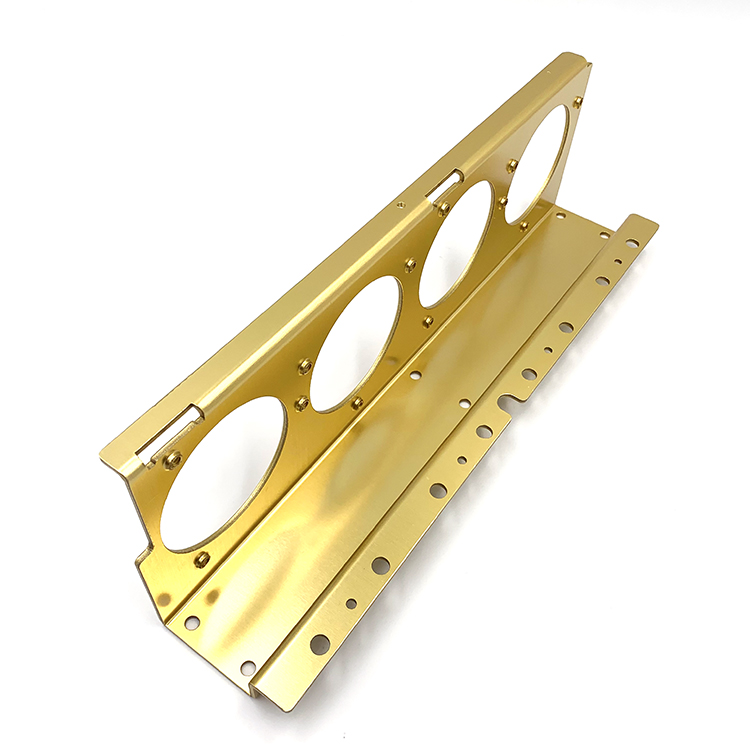
Hardware manufacturing revolves around durable, precise metal parts: industrial brackets, fasteners, gear components, and custom tooling parts. Before 3D printing, making a single metal hardware prototype meant CNC machining a solid metal block, a process that took days to program, set up, and execute. If a design needed a small tweak—like adjusting a hole position or resizing a flange—the entire machining process had to be redone, adding more delays and costs.
This was exactly the problem 3D printing was invented to fix. The technology’s rapid prototyping capability lets hardware teams go from a CAD design to a physical metal sample in hours, not days. No custom tooling, no repeated machining, no weeks of waiting—just quick, accurate samples to test fit, function, and durability. For hardware businesses, the invention of 3D printing eliminated the single biggest delay in product development.
2.2 Fixing Plastic Mold’s Costly, Time-Consuming Mold Trial Process
Plastic mold making is one of the sectors most held back by traditional prototyping. A single production mold can cost thousands of dollars and take 2-4 weeks to machine, and if the mold design has a flaw—like poor draft angle, uneven cooling, or misaligned cavities—manufacturers face costly retooling and weeks of lost time. Before 3D printing, mold makers had no way to test a design affordably before committing to full mold production.
3D printing was invented to fill this gap entirely. It allows mold makers to print quick, low-cost plastic mold inserts, cavity samples, or full trial molds in hours, enabling them to test mold performance, check part fit, and validate design details before investing in steel production molds. This cuts rework costs, slashes lead times, and lets mold businesses deliver samples to clients in days instead of weeks—directly fulfilling the core purpose of 3D printing’s invention.
2.3 Enabling Quick Iteration Without Risk or Delay
A hidden but critical reason 3D printing was invented is to lower the risk of design innovation. Before this technology, hardware and mold companies avoided frequent design changes because each tweak meant more time and money spent on new prototypes. 3D printing changed this: with fast, low-cost sample making, teams can test multiple design versions in a single week, refine details quickly, and catch errors early—before mass production or full mold machining begins.
3. The Long-Term Purpose: 3D Printing’s Invention as a Manufacturing Equalizer
3.1 Making Rapid Prototyping Accessible to All Manufacturers
Beyond fixing immediate process flaws, 3D printing was invented to level the playing field. Small and medium-sized hardware and mold shops previously couldn’t compete with large corporations that could afford expensive tooling and long prototype lead times. 3D printing puts fast sample production within reach for every business, letting small teams compete on speed and innovation, not just budget.
3.2 Speeding Up Time-to-Market for Manufacturing as a Whole
Ultimately, 3D printing was invented to accelerate the entire product development cycle. For hardware and plastic mold industries, where time-to-market directly impacts profitability and competitiveness, fast sample making isn’t just a convenience—it’s a necessity. The invention of 3D printing removed the final barrier between a digital design and a physical test sample, turning weeks of waiting into hours of production, and redefining what “fast turnaround” means for tooling and prototyping.
3.3 Why This Invention Still Matters for Today’s Hardware & Mold Businesses
Decades after its invention, 3D printing still fulfills its original purpose: solving the core pain points of traditional manufacturing. For modern hardware processing and plastic mold companies, it’s not just a “nice-to-have” tool—it’s the direct realization of the mission that drove its creation: fast, affordable, flexible sample making, no tooling, no waste, no unnecessary delays.
Final Takeaway: 3D printing wasn’t invented for technology’s sake—it was invented to fix real, costly, time-wasting problems in manufacturing. For the hardware and plastic mold industries, that means finally having a way to turn designs into samples quickly, cut costs, and innovate without limits. It was built for exactly the fast-sampling needs that drive your business every day.
What a 3D Printer Is: A Fast Sampling Tool for Hardware & Plastic Mold Industries
Why Was the 3D Printer Invented? A Solution for Fast Sampling in Hardware & Plastic Mold Industries
Related Article

Fast sampling is the fastest way to win business in the hardware machining and plastic mold industries. Customers want a working sample in days, and a 3D printer delivers it, but only when you know how to print in 3d correctly.
how to print in 3d

Fast sampling is the fastest way to win business in the hardware machining and plastic mold industries. Customers often send an STL file and expect a working sample in days.
how to print an stl file

