
Why Was the 3D Printer Invented? A Solution for Fast Sampling in Hardware & Plastic Mold Industries
Author: SZTC
2026-03-17


Samuel Song Your service representative
Specializing in zinc-aluminum-magnesium alloy die-casting processing, CNC milling, CNC turning, 3D printing, injection molding and sheet metal processing. Manufacturing services.
-----------------------------------------------------------------------------------------------------------------------------------------------------------------------------------------------------------------------------------------------------------------------------------------------------------------------------------------------
The 3D printer, hailed as a revolutionary invention in modern manufacturing, did not emerge by accident. Behind its creation lies a clear mission: to solve the long-standing pain points of traditional manufacturing, especially the cumbersome, time-consuming, and costly sample prototyping process. For the hardware processing and plastic mold industries—two sectors that rely heavily on fast sample production to drive innovation and market competitiveness—the invention of the 3D printer was a game-changer. This blog will explore the core reasons why the 3D printer was invented, connect these reasons to the practical needs of hardware and plastic mold manufacturing, and explain how this invention transformed fast sampling for both industries.
1. The Core Driving Forces: Why Was the 3D Printer Invented?
1.1 To Break the Bottleneck of Traditional Prototyping
Long before the 3D printer was invented in 1986 by American scientist Charles Hull, traditional manufacturing faced a critical bottleneck: prototyping was slow, expensive, and inflexible. For most industries, creating a physical sample of a new design required complex tooling, mold-making, or machining—processes that could take weeks or even months. This delay not only slowed down product development but also increased the risk of design flaws going undetected until mass production, leading to huge losses.
The 3D printer was invented to address this exact problem. Unlike traditional subtractive manufacturing (which removes material from a solid block), 3D printing uses an additive approach—building objects layer by layer from a digital model. This eliminated the need for expensive, time-consuming tooling and mold-making in the prototyping stage, allowing designers to turn digital designs into physical samples in hours or days instead of weeks. This core purpose—speeding up prototyping and reducing its cost—was the primary driver behind the invention of the 3D printer.
1.2 To Enable Complex Design Visualization and Validation
Another key reason the 3D printer was invented is the limitations of traditional manufacturing in handling complex designs. Before 3D printing, creating samples with intricate details, hollow structures, or custom shapes was extremely difficult, if not impossible, with traditional machining methods like milling or drilling. Designers often had to simplify their ideas to fit the capabilities of traditional tools, compromising innovation and functionality.
The 3D printer’s layer-by-layer construction method solved this challenge. By building objects one thin layer at a time (usually 0.1mm–0.5mm thick), it could easily create complex geometries that traditional methods couldn’t achieve. This allowed designers to fully visualize and test their most creative ideas, ensuring that design flaws were caught early and that the final product met the intended functionality. For industries like plastic mold manufacturing, where intricate cavity designs are critical, this capability was a major motivation for the 3D printer’s invention.
1.3 To Reduce Material Waste and Lower Manufacturing Costs
Traditional manufacturing methods are inherently wasteful. Subtractive processes like machining often cut away 30–50% of raw materials, with some industries (like aerospace) seeing material utilization rates as low as 5%. For expensive materials—such as the metal alloys used in hardware processing or the high-quality resins used in plastic mold production—this waste translated to significant cost losses.
The 3D printer was invented to minimize this waste. By adding only the exact amount of material needed to build the sample, 3D printing achieves material utilization rates of over 90%. This not only reduces raw material costs but also aligns with the growing demand for more sustainable manufacturing practices. For hardware and plastic mold companies, this waste reduction was a crucial benefit that made the 3D printer a valuable invention.
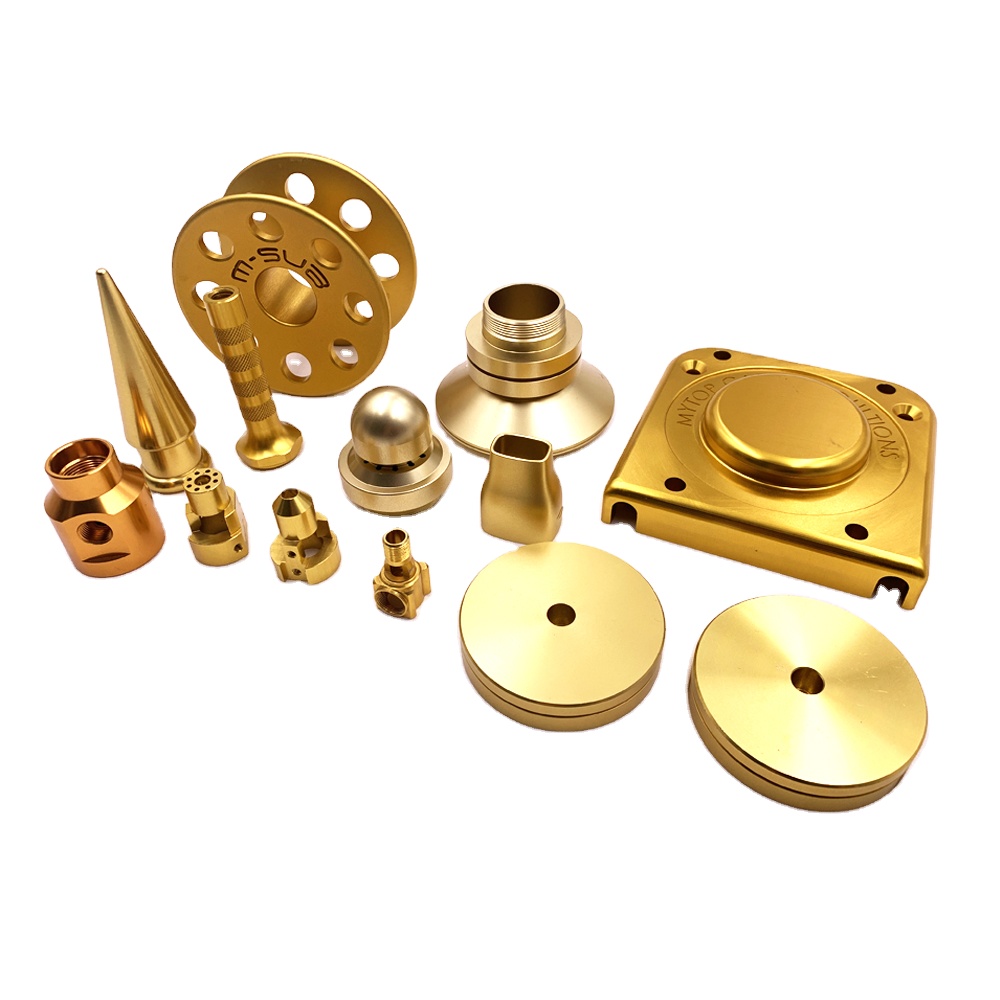
2. Why the 3D Printer’s Invention Matters for Hardware & Plastic Mold Industries
While the 3D printer was invented to address broader manufacturing pain points, its impact is particularly profound for the hardware processing and plastic mold industries. Both sectors rely on fast, accurate sample prototyping to test designs, iterate quickly, and stay competitive—and the 3D printer’s core purpose directly aligns with these needs. Below is how the invention of the 3D printer solved their most pressing sampling challenges:
2.1 For Hardware Processing: Fast Metal Prototyping Without Costly Tooling
Hardware processing involves creating durable, precise metal parts (e.g., brackets, gears, fasteners) for industrial equipment, automotive, and more. Before 3D printing, prototyping these metal parts required machining solid metal blocks—a process that was slow, inflexible, and costly. If a design needed adjustment (e.g., a misaligned hole or resized bracket), the entire machining process had to be repeated, taking days or weeks and increasing costs.
The 3D printer’s invention changed this. Using technologies like Selective Laser Melting (SLM), 3D printers can melt metal powder layer by layer to create solid metal prototypes in hours instead of days. This eliminates the need for expensive tooling and allows hardware manufacturers to iterate on designs quickly—test a sample, identify flaws, adjust the digital model, and print a new sample the next day. As noted by hardware manufacturers, traditional sample production took months, while 3D printing reduces this to just几十个 hours, drastically accelerating product development.
2.2 For Plastic Mold Industries: Rapid Mold Prototypes to Avoid Costly Retooling
Plastic mold manufacturing is critical for producing plastic products, but traditional mold-making is slow and expensive. Creating a single mold could take 2–4 weeks, and any design flaw required costly retooling—wasting time and money. For mold companies, fast prototyping is essential to test mold designs before investing in full-scale production, but traditional methods made this nearly impossible.
The 3D printer’s invention solved this bottleneck. 3D printers can create mold prototypes (e.g., mold cavities, inserts) in hours or days using materials that mimic the properties of production molds (e.g., high-temperature resin that withstands injection molding heat). This allows mold designers to test the fit, surface finish, and functionality of a mold sample quickly—if a flaw is found, the digital model is adjusted, and a new sample is printed in hours, avoiding costly retooling. As plastic mold manufacturers have noted, 3D printing has reduced sample production time from weeks to days, making it easier to meet tight market deadlines.
2.3 For Both Industries: Enabling Flexible, Low-Risk Innovation
A key reason the 3D printer was invented is to enable flexible, low-risk innovation—and this benefit is equally valuable for both hardware and plastic mold industries. Before 3D printing, companies were hesitant to experiment with new designs because of the high cost and long lead times of prototyping. With 3D printing, however, they can test multiple design iterations quickly and affordably, reducing the risk of investing in unproven designs.
For example, a hardware company can test three different bracket designs in a single week using 3D printing, while a plastic mold company can test multiple cavity designs to optimize performance. This flexibility not only drives innovation but also helps companies stay competitive in a fast-paced market where product updates are critical.

3. The Legacy of the 3D Printer’s Invention: Transforming Fast Sampling Forever
To recap: the 3D printer was invented to break the bottlenecks of traditional prototyping—slow speed, high cost, inflexibility, and material waste—while enabling complex design visualization and low-risk innovation. For the hardware processing and plastic mold industries, this invention was not just a technological advancement; it was a solution to their most pressing pain point: the need for fast, accurate, and affordable sample production.
3.1 How the 3D Printer Redefined Fast Sampling Standards
Before the 3D printer, fast sampling was a relative term—taking weeks was considered “fast” for hardware and plastic mold prototypes. Today, thanks to the 3D printer’s invention, fast sampling means hours or days. This shift has redefined industry standards, allowing companies to accelerate product development, bring new products to market sooner, and respond quickly to customer needs. What once took months can now be done in a matter of days, giving companies a critical competitive edge.
3.2 The Ongoing Impact: From Prototyping to Production
While the 3D printer was initially invented for prototyping, its impact has expanded beyond that. Today, it is used for small-batch production in both hardware and plastic mold industries—further reducing costs and increasing flexibility. For example, 3D-printed metal hardware parts can be used for small production runs, while 3D-printed mold inserts can be used for short-run plastic production. This evolution is a direct result of the core problems the 3D printer was invented to solve: speed, cost, and flexibility.
3.3 Why the 3D Printer’s Invention Remains Relevant Today
In today’s fast-paced manufacturing landscape, the reasons the 3D printer was invented are more relevant than ever. Hardware and plastic mold companies face increasing pressure to innovate quickly, reduce costs, and minimize waste—and the 3D printer delivers on all three fronts. As technology advances, 3D printers continue to become faster, more affordable, and capable of using a wider range of materials (from metal alloys to high-performance resins), further enhancing their value for these industries.
In short, the 3D printer was invented to make manufacturing faster, more efficient, and more innovative—and for the hardware processing and plastic mold industries, it has done exactly that. By solving the pain points of traditional prototyping, it has transformed fast sampling into a competitive advantage, helping companies stay ahead in a rapidly evolving market.
Why Was 3D Printing Invented? Solving Core Pain Points for Hardware & Plastic Mold Fast Sampling
What Is Print 3D? A Fast Sampling Solution for Hardware & Plastic Mold Industries
Related Article

Fast sampling is the fastest way to win business in the hardware machining and plastic mold industries. Customers want a working sample in days, and a 3D printer delivers it, but only when you know how to print in 3d correctly.
how to print in 3d

Fast sampling is the fastest way to win business in the hardware machining and plastic mold industries. Customers often send an STL file and expect a working sample in days.
how to print an stl file

