
What to Print with a 3D Printer for Mold and Hardware Rapid Sampling
Author: SZTC
2026-05-23


Samuel Song Your service representative
Specializing in zinc-aluminum-magnesium alloy die-casting processing, CNC milling, CNC turning, 3D printing, injection molding and sheet metal processing. Manufacturing services.
-----------------------------------------------------------------------------------------------------------------------------------------------------------------------------------------------------------------------------------------------------------------------------------------------------------------------------------------------
For hardware processing and plastic mold manufacturers, 3D printing greatly simplifies rapid prototyping and shortens product development cycles. Many factory engineers often wonder what to print with a 3D printer to maximize sampling efficiency and reduce production costs. This article introduces the most practical printable parts tailored for industrial mold and hardware scenarios.

1. Plastic Mold Prototypes and Trial Components
The most common answer to what to print with a 3D printer in the mold industry is functional plastic trial samples.
1.1 Full Plastic Product Prototypes
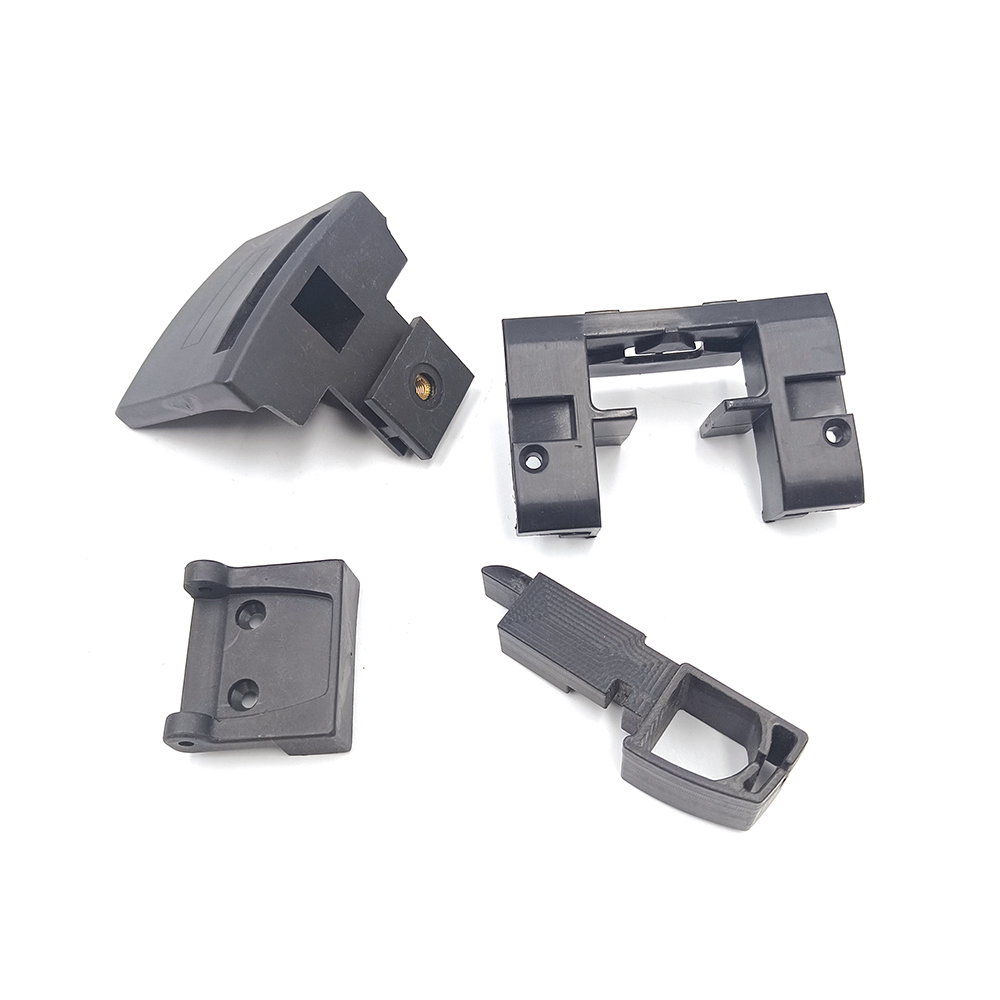
Manufacturers can print complete plastic casings, decorative covers and structural parts. These high-precision prototypes perfectly restore design details, allowing teams to verify appearance, assembly tolerance and structural rationality before formal mold opening.
1.2 Custom Mold Inserts and Cavity Samples
Complex mold inserts, tiny cavity structures and sliding block parts are ideal for 3D printing. It helps test mold fit and ejection performance, effectively avoiding massive modifications to official steel molds.
2. Custom Hardware Functional Parts
For hardware workshops, another key solution to what to print with a 3D printer covers diverse customized mechanical components.
2.1 Assembly Jigs and Fixtures
3D printers rapidly produce auxiliary jigs, positioning fixtures and detection tools for hardware assembly. These customized tools improve production accuracy and consistency for batch hardware processing.
2.2 Special-Shaped Hardware Prototypes
Irregular metal hardware parts, precision fasteners and decorative metal accessories that are difficult for traditional CNC machining can be printed perfectly. It supports rapid verification of hardware structure and fitting performance.

3. Auxiliary Industrial Testing Parts
To fully answer what to print with a 3D printer, auxiliary testing components cannot be ignored for industrial production.
3.1 Structural Testing Samples
Engineers print dedicated test samples for tension, compression and assembly experiments. These samples validate product durability and structural stability, providing reliable data for design optimization.
3.2 Small-Batch Trial Products
For new hardware and plastic products, 3D printing supports small-batch trial production. It enables market testing and customer evaluation without high tooling and mold investment.
In summary, what to print with a 3D printer mainly includes plastic mold samples, customized hardware parts and industrial testing components. For mold and hardware industries, rational use of 3D printing resources significantly cuts R&D costs and accelerates product iteration.
Where Do I Get 3D Printer Files for Hardware & Mold Sampling
What to Know About 3D Printers for Mold and Hardware Rapid Sampling
Related Article

Fast sampling is the fastest way to win business in the hardware machining and plastic mold industries. Customers want a working sample in days, and a 3D printer delivers it, but only when you know how to print in 3d correctly.
how to print in 3d

Fast sampling is the fastest way to win business in the hardware machining and plastic mold industries. Customers often send an STL file and expect a working sample in days.
how to print an stl file

