
What to Know About 3D Printers for Mold and Hardware Rapid Sampling
Author: SZTC
2026-05-23


Samuel Song Your service representative
Specializing in zinc-aluminum-magnesium alloy die-casting processing, CNC milling, CNC turning, 3D printing, injection molding and sheet metal processing. Manufacturing services.
-----------------------------------------------------------------------------------------------------------------------------------------------------------------------------------------------------------------------------------------------------------------------------------------------------------------------------------------------
3D printing has become an essential tool for rapid prototyping in hardware processing and plastic mold manufacturing. For factory technicians and project managers, it is crucial to master professional knowledge of industrial printing devices. This article covers key points of what to know about 3D printers to help factories achieve efficient, low-cost and high-precision sample production.
1. Basic Classification and Industrial Types
The first part of what to know about 3D printers is distinguishing applicable machine types for manufacturing scenarios.
1.1 Resin 3D Printers for Mold Samples
Resin printers are the most widely used equipment for plastic mold rapid sampling. They deliver high surface smoothness and fine detail performance, perfectly replicating intricate mold cavity structures, product appearances and assembly gaps for early design verification.
1.2 Metal 3D Printers for Hardware Parts
Metal printing devices are specialized for functional hardware prototypes. They support aluminum, zinc alloy and stainless steel printing, meeting the strength and tolerance requirements of custom fixtures, fasteners and mechanical hardware components.

2. Core Performance Parameters for Industrial Use
Understanding key parameters is the most practical part of what to know about 3D printers for factory sampling work.
2.1 Printing Precision and Layer Height
Industrial 3D printers support adjustable layer height to balance speed and accuracy. Fine layer settings are required for delicate mold inserts, while standard parameters suit ordinary hardware jigs, avoiding unnecessary time waste and quality defects.
2.2 Material Compatibility and Stability
Different printers match exclusive printing materials. Choosing matched resin and metal powders ensures no deformation, cracking or layer peeling, which directly determines the qualification rate of mold and hardware samples.

3. Operation Rules and Application Limits
Mastering usage norms and limitations completes full knowledge of what to know about 3D printers.
3.1 Standard Pre-Print Preparation
Qualified sampling requires complete file slicing, support optimization and platform calibration. Standard preparation effectively reduces printing failures and improves the efficiency of mold and hardware product iteration.
3.2 Clear Application Boundaries
3D printers excel at rapid prototyping but cannot replace formal mold injection and CNC mass production. Factories should use them for design verification and trial sampling to save R&D costs and shorten development cycles.
Overall, what to know about 3D printers includes equipment types, core parameters and correct application scenarios. For hardware and plastic mold industries, these key points maximize the value of 3D printing in rapid sampling and product optimization.
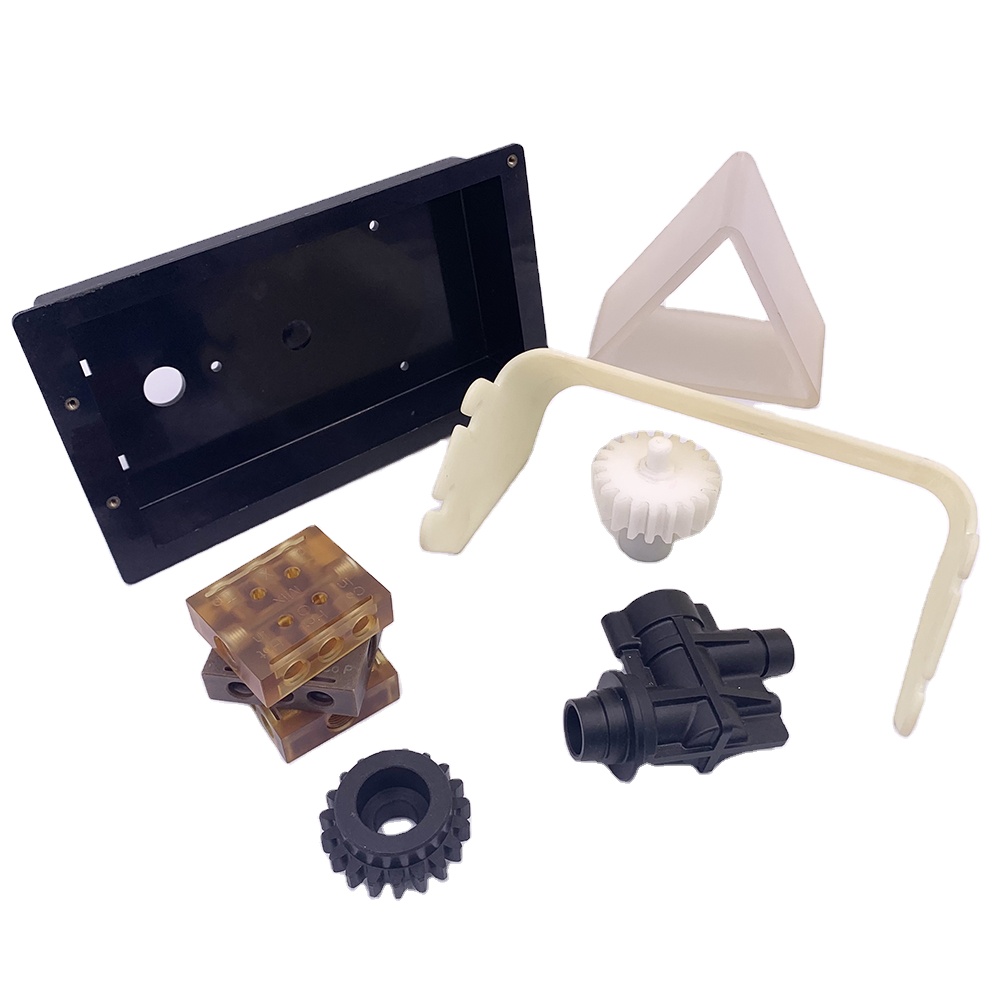
What to Print with a 3D Printer for Mold and Hardware Rapid Sampling
What Is the Best 3D Printing Company for Mold and Hardware Fast Sampling
Related Article

Fast sampling is the fastest way to win business in the hardware machining and plastic mold industries. Customers want a working sample in days, and a 3D printer delivers it, but only when you know how to print in 3d correctly.
how to print in 3d

Fast sampling is the fastest way to win business in the hardware machining and plastic mold industries. Customers often send an STL file and expect a working sample in days.
how to print an stl file

