
What Is Bending Processing? A Comprehensive Guide to the Manufacturing Technique
Author: SZTC
2026-02-26
In the world of manufacturing and metalworking, the term “bending processing” is frequently mentioned—but many people may wonder, what is bending processing exactly? Unlike the general meaning of “bending” as a physical action, bending processing refers to a specialized, precise manufacturing technique used to shape materials (most commonly metal, plastic, and glass) into specific angles, curves, or shapes. This blog will break down the question “what is bending processing” by exploring its definition, key types, essential equipment, and practical applications, helping you understand this vital manufacturing process.
1. The Definition of Bending Processing: What Exactly Is It?
1.1 Core Concept of Bending Processing
At its essence, bending processing is a forming method that involves applying controlled force to a material to deform it along a specific axis, creating a desired shape without breaking or cutting the material. The goal is to achieve precise angles, radii, or curves that meet industrial or functional requirements. Unlike casual bending (such as bending a wire by hand), bending processing is a systematic, repeatable process that relies on specialized tools and strict parameters to ensure consistency and accuracy—critical for mass production and high-quality products.
1.2 Key Characteristics of Bending Processing
Bending processing has three distinct characteristics that set it apart from other forming techniques. First, it is a cold forming process in most cases (no high heat is applied), which preserves the material’s original strength and properties. Second, it is a non-cutting process—meaning the material’s volume remains unchanged, only its shape is altered. Third, precision is paramount: even small deviations in angle or curve can render a part unusable, so bending processing requires careful calculation and control of force, speed, and tooling.

2. Common Types of Bending Processing
2.1 V-Bending: The Most Widely Used Type
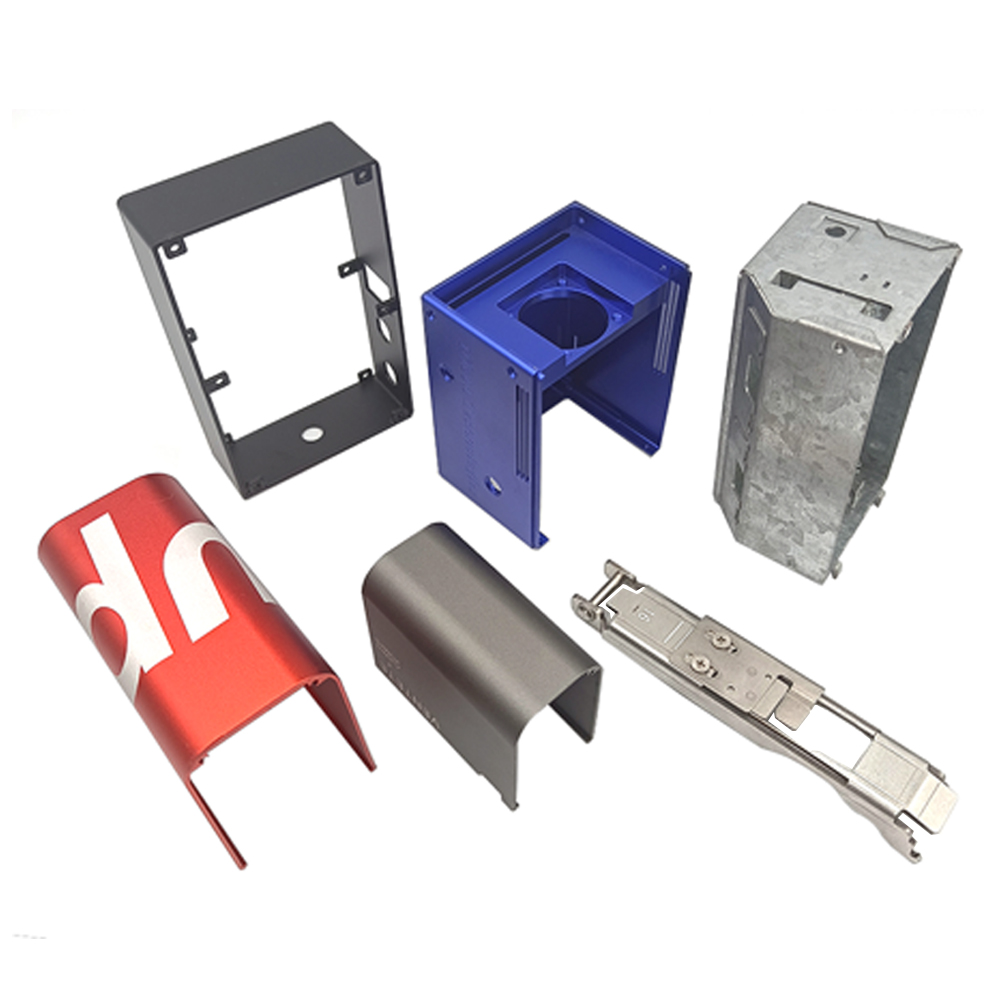
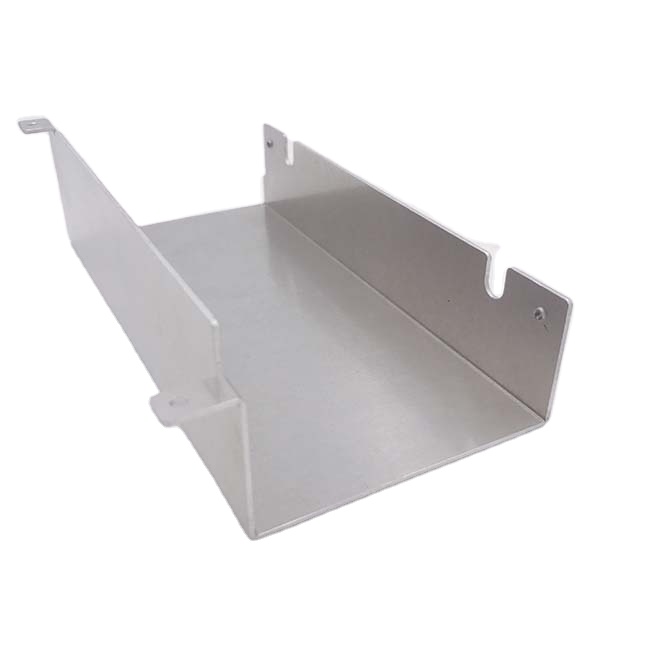
V-bending is the most common form of bending processing, particularly for metal sheets. It involves placing a metal sheet between a V-shaped die (lower tool) and a V-shaped punch (upper tool). When the punch presses down on the sheet, the material bends along the V-shaped groove, forming a precise angle (typically between 0° and 180°). V-bending is versatile, cost-effective, and suitable for a wide range of materials, including steel, aluminum, and copper, making it ideal for mass-produced parts like brackets, panels, and enclosures.
2.2 Edge Bending, Roll Bending, and Other Specialized Types
Beyond V-bending, there are several specialized types of bending processing tailored to specific shapes and materials. Edge bending (also called flange bending) is used to create small, narrow bends along the edge of a material, often for reinforcing or joining parts. Roll bending uses three rotating rolls to bend materials into continuous curves or cylinders—common for pipes, tubes, and curved architectural components. Other types include U-bending (forming a U-shape), J-bending (forming a J-shape), and air bending (a flexible method that uses less force and allows for adjustable angles without changing tooling).
3. Equipment, Materials, and Practical Applications of Bending Processing
3.1 Essential Equipment for Bending Processing
The success of bending processing depends on specialized equipment, ranging from manual tools to automated machines. Manual bending tools (such as bending brakes) are suitable for small-scale projects or low-volume production, requiring human effort to apply force. For mass production, automated bending machines—like CNC press brakes—are used. These machines use computer controls to precisely adjust force, angle, and speed, ensuring consistent results and reducing human error. Additional tools include dies (customized for specific shapes), punches, and measuring devices to verify accuracy.
3.2 Materials Suitable for Bending Processing
Not all materials are suitable for bending processing—they must have sufficient ductility (the ability to deform without breaking). The most common materials include metals (steel, aluminum, copper, brass), plastics (PVC, acrylic, polycarbonate), and some types of glass (tempered glass for specific applications). The material’s thickness and properties determine the bending method and force required: for example, thick steel requires more force than thin aluminum, and brittle materials (like some plastics) may need preheating to avoid cracking.
3.3 Real-World Applications of Bending Processing
Bending processing is integral to countless industries, touching our daily lives in ways we often overlook. In the automotive industry, it is used to shape car frames, door panels, and exhaust pipes. In construction, it creates metal studs, roofing panels, and curved architectural elements. In electronics, it forms the casings of smartphones, laptops, and appliances. It is also used in aerospace (for aircraft components), furniture manufacturing (for metal frames), and even jewelry making (for bending metal wires). Everywhere you look, there’s a good chance a part was created using bending processing.
So, what is bending processing? It is a precise, versatile manufacturing technique that transforms flat or linear materials into functional, shaped parts—one that balances force, precision, and material properties to meet industrial needs. From simple brackets to complex aerospace components, bending processing is the backbone of modern manufacturing, proving that even a basic concept (bending) can evolve into a sophisticated, essential process.
What Is Transverse Load? A Complete Guide for Beginners
What Does Bending Mean? Exploring Its Meanings Across Different Fields
Related Article

Fast sampling is the fastest way to win business in the hardware machining and plastic mold industries. Customers want a working sample in days, and a 3D printer delivers it, but only when you know how to print in 3d correctly.
how to print in 3d

Fast sampling is the fastest way to win business in the hardware machining and plastic mold industries. Customers often send an STL file and expect a working sample in days.
how to print an stl file

