
What Does Bending Mean? Exploring Its Meanings Across Different Fields
Author: SZTC
2026-02-26
When we hear the word “bending,” our first thought might be a physical action—like bending a stick or bending down to pick something up. But the term is far more versatile than that, with distinct meanings in physics, culture, everyday life, and even creative works. In this blog, we’ll break down the question “what does bending mean” by exploring its definitions, contexts, and real-world applications, so you can grasp its full range of uses.

1. The Basic Definition of Bending: Physical Action & Science
1.1 Bending as a Physical Movement
At its core, bending refers to the act of changing the shape of an object or one’s body by applying force, without breaking it. It’s a common action we perform daily: bending your elbow to drink coffee, bending a paper clip to hold papers together, or bending a tree branch in the wind. In this context, bending is a temporary or permanent change in form—temporary if the object returns to its original shape (like a spring), or permanent if it retains the new shape (like bending a metal wire).
1.2 Bending in Physics & Engineering
In physics and engineering, bending has a more precise definition. It describes the deformation of a structural element (such as a beam, rod, or pipe) when a force is applied perpendicular to its length. This type of bending is crucial in designing buildings, bridges, and even everyday objects—engineers calculate how much a material can bend before it breaks, ensuring safety and durability. For example, a wooden beam in a house bends slightly under the weight of a floor, but if the bending exceeds the material’s limit, it will crack or collapse.
2. Bending Beyond the Physical: Metaphorical & Cultural Meanings
2.1 Metaphorical Bending: Flexibility in Attitudes & Rules
Bending isn’t just about physical objects—it also has a strong metaphorical meaning, referring to flexibility in thoughts, attitudes, or rules. When someone “bends the rules,” they don’t break them entirely but adjust them slightly to fit a situation. For example, a teacher might bend the deadline for a student who is sick, showing compassion. Similarly, “bending an ear” means listening attentively to someone, opening yourself up to their thoughts. In this sense, bending is a positive trait—it shows adaptability and empathy, rather than rigidity.
2.2 Bending in Culture & Popular Media
In popular culture, “bending” has taken on unique meanings, most famously in the animated series Avatar: The Last Airbender and The Legend of Korra. There, bending refers to the ability to control one of the four elements—water, earth, fire, or air—through physical movements and spiritual connection. This fictional interpretation has become so popular that it’s often referenced in everyday conversations, adding a fun, creative layer to the word. Beyond that, some cultures use bending as a symbol of harmony—aligning oneself with natural forces rather than opposing them.
3. Practical Applications of Bending: Everyday Life & Industries
3.1 Bending in Everyday Life
We encounter bending in countless small ways every day, often without noticing. From bending a spoon to stir soup, to bending a towel to hang it up, to bending our knees when we walk—bending is essential to human movement and daily tasks. It’s also a key part of many hobbies and activities: bakers bend dough to shape bread, gardeners bend branches to train plants, and artists bend wire to create sculptures. In these cases, bending is a tool for creativity and functionality.
3.2 Bending in Industrial & Manufacturing Processes
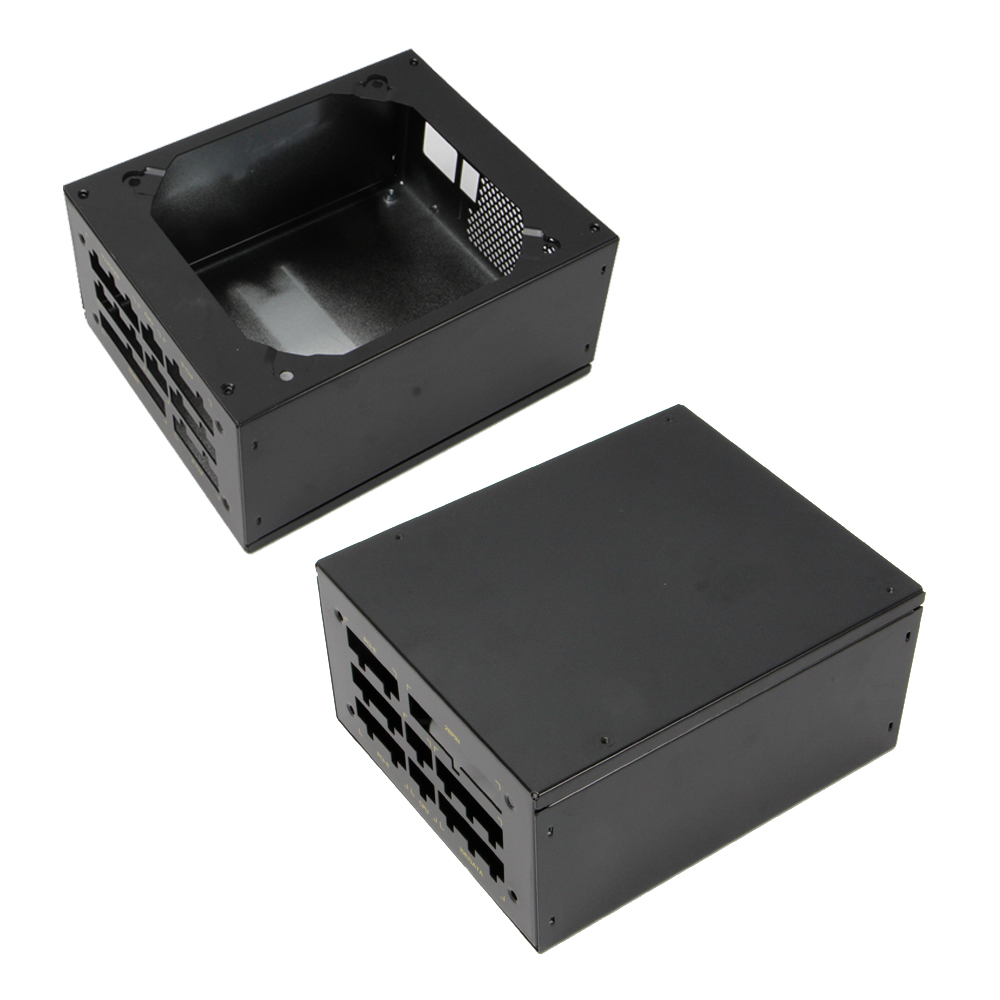
In industry, bending is a critical manufacturing process used to shape materials like metal, plastic, and glass. Metal bending, for example, is used to make car parts, pipes, furniture, and even jewelry—machines bend metal sheets or rods into specific shapes with precision. Plastic bending is common in making products like PVC pipes, toy parts, and packaging. This industrial bending requires specialized tools and expertise to ensure consistency and quality, proving that the term “bending” is far from simple when applied to professional settings.
So, what does bending mean? It’s a word that bridges the physical and the metaphorical, the everyday and the technical. Whether we’re talking about bending a stick, bending the rules, or bending elements in a fictional world, the core idea remains the same: a change in form, direction, or attitude—one that is often necessary, creative, or transformative. Next time you hear the word “bending,” take a moment to think about its context—you might be surprised by how many meanings it holds.
What Is Bending Processing? A Comprehensive Guide to the Manufacturing Technique
How Do You Spell Bend? A Guide to Spelling “Bend” Correctly
Related Article

Fast sampling is the fastest way to win business in the hardware machining and plastic mold industries. Customers want a working sample in days, and a 3D printer delivers it, but only when you know how to print in 3d correctly.
how to print in 3d

Fast sampling is the fastest way to win business in the hardware machining and plastic mold industries. Customers often send an STL file and expect a working sample in days.
how to print an stl file

