
What is a 3D Printer: Fast Sampling Equipment for Hardware & Plastic Mold Industries
Author: SZTC
2026-03-27


Samuel Song Your service representative
Specializing in zinc-aluminum-magnesium alloy die-casting processing, CNC milling, CNC turning, 3D printing, injection molding and sheet metal processing. Manufacturing services.
-----------------------------------------------------------------------------------------------------------------------------------------------------------------------------------------------------------------------------------------------------------------------------------------------------------------------------------------------
For hardware processing and plastic mold manufacturers, long prototype lead times, high mold opening costs and repeated design revisions have long plagued production progress. Whether it’s a metal hardware fitting sample or a precision plastic mold cavity trial piece, waiting days or even weeks for traditional machining often delays client approvals and order delivery. Amid industrial manufacturing upgrades, many engineering and production teams want to figure out the key question:what is a 3D printer, and why has it become the core equipment for rapid sampling in tooling industries?
A 3D printer is not an ordinary consumer device, but a special industrial rapid prototyping machine tailored for manufacturing scenarios. This blog will comprehensively explain what is a 3D printer from its core definition, working characteristics, industrial classification and exclusive applications in hardware and plastic mold industries, helping everyone thoroughly understand this efficient sampling device.

1. What is a 3D Printer: Core Basic Definition
1.1 Official & Industry-Tailored Definition
What is a 3D printer — it is an automated industrial equipment based on additive manufacturing technology, which can directly convert digital 3D CAD design files into solid physical parts by stacking raw materials layer by layer. It is a kind of digital manufacturing equipment that completely subverts the traditional subtractive processing logic, and is specially designed to solve the problems of slow prototyping, high cost and complex process in traditional manufacturing.
For hardware and plastic mold industries, a 3D printer is a mold-free rapid sampling machine. Unlike CNC machine tools, milling machines and traditional mold processing equipment, it does not rely on special cutting tools, fixtures or steel molds to shape parts. It can independently print finished samples that meet industrial precision requirements with only a digital design file, realizing fast, low-cost one-off prototyping.
1.2 Core Characteristics That Define a 3D Printer
To fully understand what is a 3D printer, it is necessary to clarify its unique characteristics that distinguish it from traditional industrial processing equipment, which are also the reasons why it is suitable for hardware and mold rapid sampling:
-
Digital One-Key Operation: Import the prepared 3D design file, set simple parameters, and the equipment can run automatically, without complex manual programming and debugging.
-
No Mold Required for Prototyping: Eliminates the time and cost of making special production molds, and can print samples directly, greatly shortening the sampling cycle.
-
Layer-by-Layer Precision Molding: Uses industrial-grade materials to stack and form, ensuring the dimensional accuracy and structural stability of hardware and mold samples.
-
Adapt to Complex Structures: Can print complex inner cavities, special-shaped contours and integrated parts that traditional equipment cannot process.
-
Small Batch & On-Demand Production: Perfect for one-off samples and small-batch trial pieces, matching the frequent sampling needs of hardware and mold development.
2. Classification of Industrial 3D Printers for Hardware & Mold Industries
After clarifying what is a 3D printer, it is crucial to understand the common industrial-grade models suitable for hardware and plastic mold processing, as different equipment corresponds to different sampling needs.
2.1 Industrial Metal 3D Printers
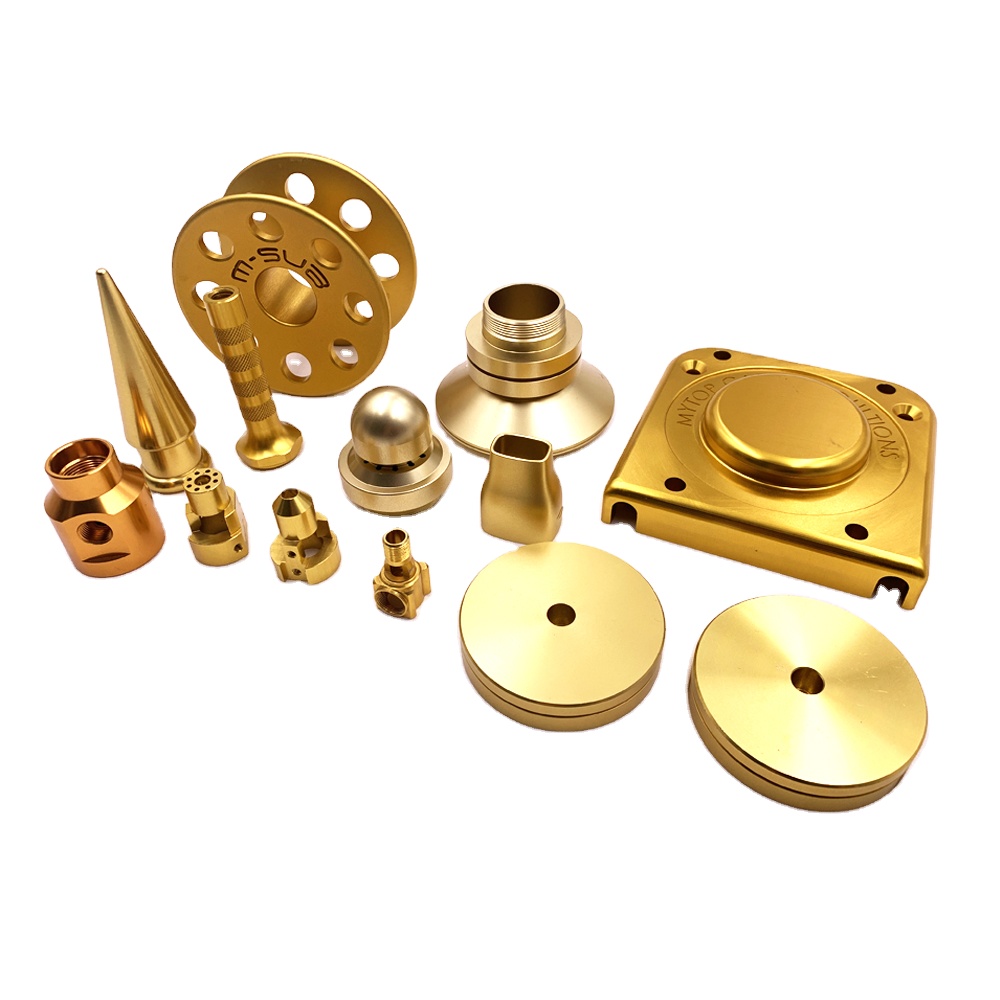
This type of 3D printer is specially equipped for hardware processing industry, using laser sintering or melting technology to process metal powders such as stainless steel, aluminum alloy and tool steel. It can print high-strength metal hardware prototypes, including brackets, fasteners, mechanical fittings and special-shaped parts, with precision and strength fully meeting the testing and verification standards of hardware products, realizing rapid metal sample production.
2.2 High-Precision Resin & Engineering Plastic 3D Printers
This is the mainstream equipment for plastic mold industry rapid sampling, using photosensitive resin or engineering plastic filament as consumables. It can print high-precision mold inserts, mold cavities, trial molds and plastic product samples, with smooth surface and high dimensional accuracy. The printed mold samples can withstand preliminary injection molding tests, helping mold teams verify design rationality before formal mold opening.
3. Practical Application of 3D Printers in Hardware & Mold Fast Sampling
Combined with actual production scenarios, we can more intuitively understand the value of what is a 3D printer in industrial applications, and how it solves the core pain points of traditional sampling.
3.1 For Hardware Processing Industry
Traditional hardware prototype production relies on CNC machining, which has long debugging cycles, high tooling costs and long delivery cycles. A 3D printer can print qualified metal hardware samples in 6-24 hours, supports rapid design iterations, and can reprint revised samples quickly. It greatly shortens the product development cycle, helps enterprises respond to client sample needs in a timely manner, and saves a lot of processing and labor costs.
3.2 For Plastic Mold Industry
Traditional mold development requires opening steel molds first, which is costly and risky, and design flaws will lead to huge rework losses. A 3D printer can complete mold trial samples and cavity prototypes in 4-12 hours, allowing mold designers to verify draft angles, parting surfaces and assembly effects in advance. It avoids the waste of early mold opening costs and time, and realizes low-risk, high-speed mold sampling.
3.3 Core Value for Tooling Manufacturing
For hardware and plastic mold industries, a 3D printer is not just a processing device, but an efficiency-enhancing equipment that upgrades traditional production models. It compresses the sampling cycle from days and weeks to hours, eliminates the dependence on early mold opening, and helps enterprises improve order response speed, enhance client satisfaction and market competitiveness.
Final Recap: To sum up what is a 3D printer for hardware and plastic mold industries, it is an industrial-grade automatic rapid prototyping equipment, relying on additive manufacturing technology to realize digital-driven, mold-free, fast and precise sample printing. It is specially tailored to solve the pain points of slow, costly and high-risk traditional sampling, and has become an indispensable core equipment in modern tooling manufacturing.
What is a Three D Printer: Fast Sampling Equipment for Hardware & Plastic Mold Industries
What is 3D Printing Technology: Fast Sampling Solution for Hardware & Plastic Mold Industries
Related Article

Fast sampling is the fastest way to win business in the hardware machining and plastic mold industries. Customers want a working sample in days, and a 3D printer delivers it, but only when you know how to print in 3d correctly.
how to print in 3d

Fast sampling is the fastest way to win business in the hardware machining and plastic mold industries. Customers often send an STL file and expect a working sample in days.
how to print an stl file

