
What is 3D Printing Technology: Fast Sampling Solution for Hardware & Plastic Mold Industries
Author: SZTC
2026-03-26


Samuel Song Your service representative
Specializing in zinc-aluminum-magnesium alloy die-casting processing, CNC milling, CNC turning, 3D printing, injection molding and sheet metal processing. Manufacturing services.
-----------------------------------------------------------------------------------------------------------------------------------------------------------------------------------------------------------------------------------------------------------------------------------------------------------------------------------------------
In the hardware processing and plastic mold manufacturing industries, long prototype cycles, high tooling costs and frequent design revisions have long restricted production efficiency and order delivery. Whether it’s a custom metal hardware fitting or a precision mold cavity sample, waiting weeks for traditional machining has become a common industry pain point. Amid intelligent manufacturing upgrades, many factory owners and engineers want to figure out the core question: what is 3D printing technology, and how can it solve the urgent demand for rapid sampling in tooling industries?
3D printing technology is not a simple processing tool, but a systematic industrial additive manufacturing solution that subverts traditional production logic. This blog will comprehensively interpret what is 3D printing technology from its formal definition, core technical characteristics, working logic and industry-specific applications, fully combining the actual needs of hardware and plastic mold fast sampling, to help everyone thoroughly understand this core manufacturing technology.
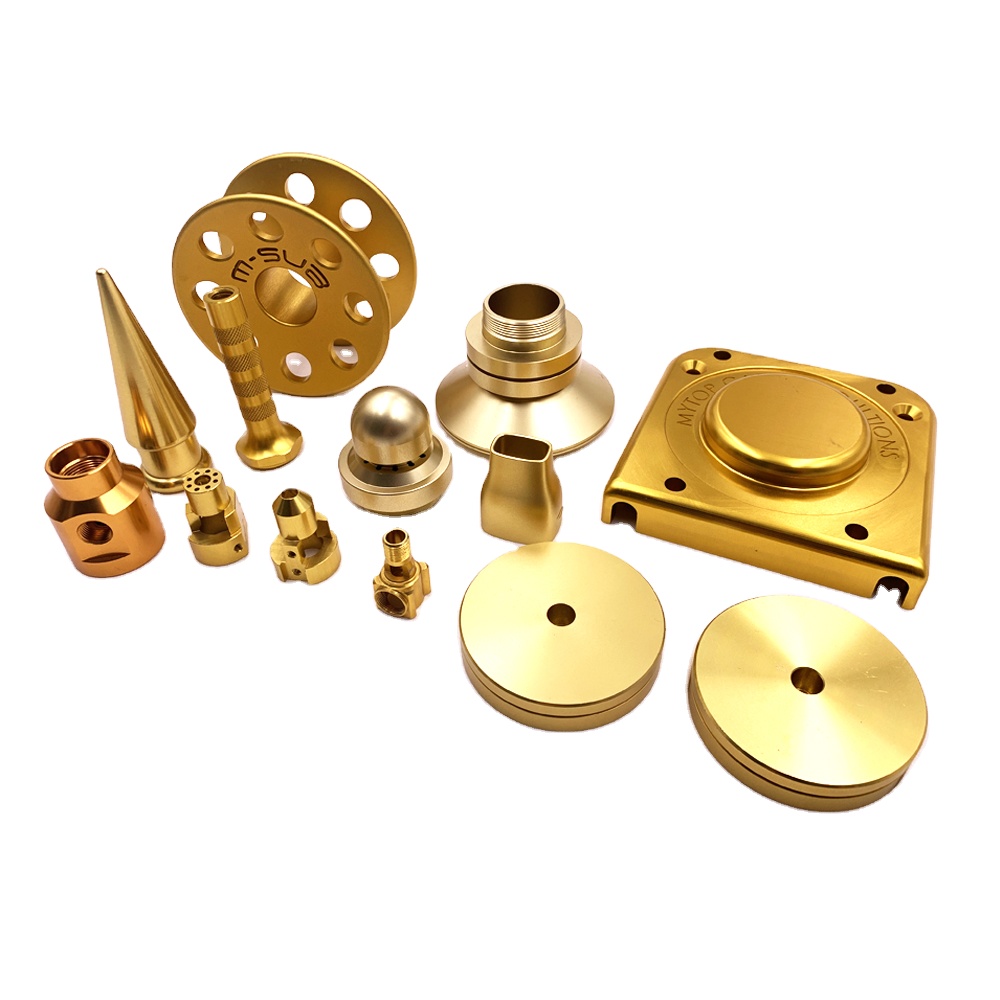
1. What is 3D Printing Technology: Core Formal Definition
1.1 Basic Definition of 3D Printing Technology
What is 3D printing technology, also known as additive manufacturing technology, is an intelligent digital manufacturing technology that integrates computer-aided design (CAD), numerical control programming, material processing and precision machinery. Based on digital 3D model files, it constructs physical objects layer by layer through stacking, fusing, curing or sintering special raw materials, completely breaking the processing logic of traditional subtractive manufacturing.
Different from CNC machining, mold opening casting and other traditional processes used in hardware and mold industries, 3D printing technology does not rely on special fixtures, cutting tools or fixed molds. It realizes the direct conversion from digital design to physical parts, which is the core reason why it can achieve rapid sample production in the industrial field. For hardware and plastic mold manufacturers, this technology is a specialized rapid prototyping system tailored for small-batch, high-precision and urgent sampling.
1.2 Core Technical Attributes of 3D Printing
To fully understand what is 3D printing technology, it is necessary to clarify its unique technical attributes that distinguish it from traditional processing technology, which are also the key to its adaptation to industrial fast sampling:
-
Digital-Driven Intelligence: The entire process is controlled by digital models, no manual programming or complex debugging is needed, and one-click printing can be realized after importing files.
-
Additive Stacking Molding: Materials are stacked layer by layer without removing excess raw materials, greatly reducing material waste, especially saving expensive metal and mold special materials.
-
Mold-Free Forming: No need to make special production molds in advance, directly output physical samples, shortening the preparation cycle by more than 80%.
-
High Complexity Adaptability: Can process complex structures such as inner cavities, special-shaped contours and integrated parts that traditional machines cannot complete.
-
Industrial-Grade Precision Stability: Industrial-grade 3D printing technology can meet the precision tolerance requirements of hardware parts and plastic mold cavities, ensuring sample availability.
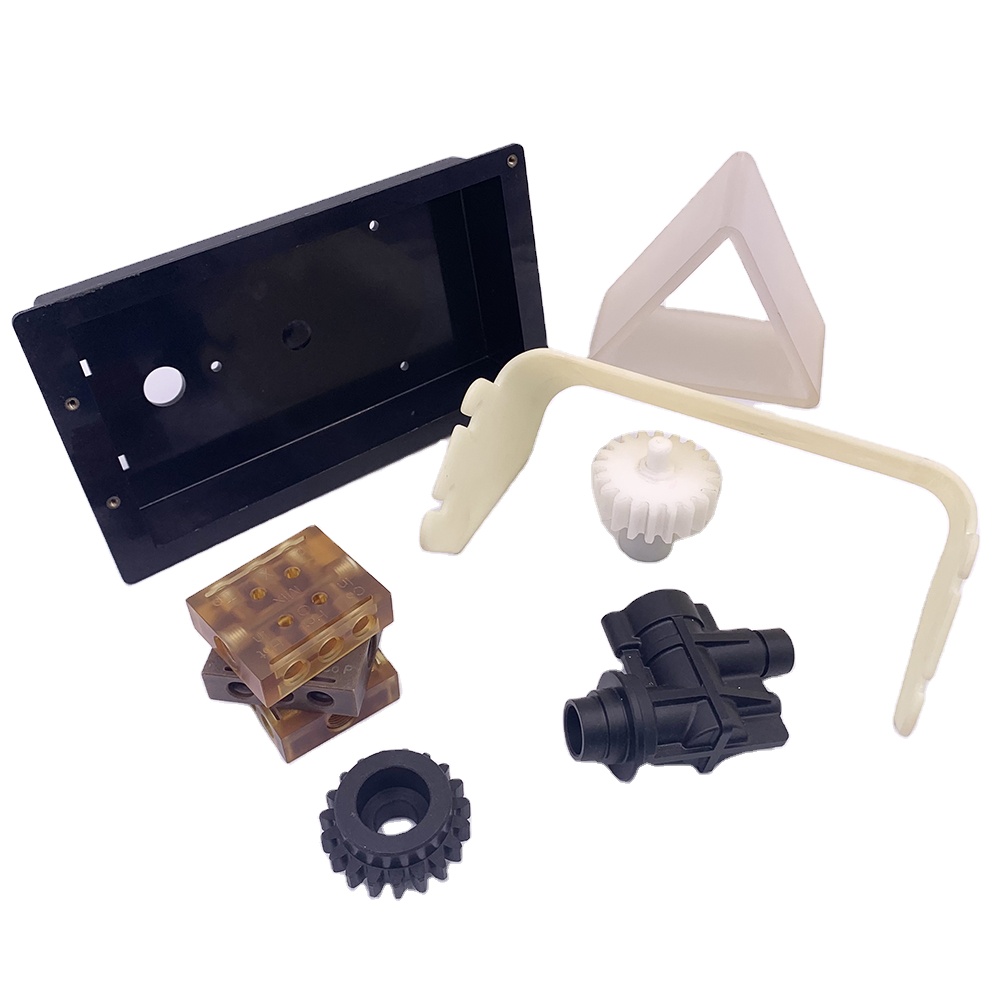
2. Core Technical Composition of 3D Printing Technology
After clarifying what is 3D printing technology in definition, we can further understand its composition system, which determines its stability and applicability in hardware and mold industrial scenarios. It is not a single device, but a complete set of technical systems.
2.1 Digital Design & Slicing Software System
This is the control core of 3D printing technology, responsible for converting 3D design drawings into printable instructions. For hardware and mold industries, it can perfectly adapt to professional CAD design files, automatically slice complex models, set printing parameters in a targeted manner, and optimize support structures to ensure the dimensional accuracy of hardware fittings and mold cavities. This system realizes the digitalization of the whole processing process and lays the foundation for rapid sampling.
2.2 Precision Mechanical Execution System
This is the hardware carrier of 3D printing technology, including industrial-grade motion modules, temperature control modules and material delivery modules. Different configurations correspond to different industrial needs: metal 3D printing equipment is equipped with high-power laser modules for hardware metal prototype printing; resin and high-temperature plastic printing equipment are equipped with precision curing and extrusion modules, specially used for printing mold inserts, cavity samples and trial molds.
2.3 Industrial Specialized Material System
Materials are the key to 3D printing technology serving hardware and mold industries. Unlike consumer-grade materials, industrial 3D printing materials are tailored for manufacturing scenarios: metal powders (stainless steel, aluminum alloy, tool steel) for hardware processing to meet the strength requirements of metal samples; high-temperature resistant resin, engineering plastics and fiber-reinforced materials for plastic mold industry, which can withstand preliminary injection molding tests and meet mold sample use standards.
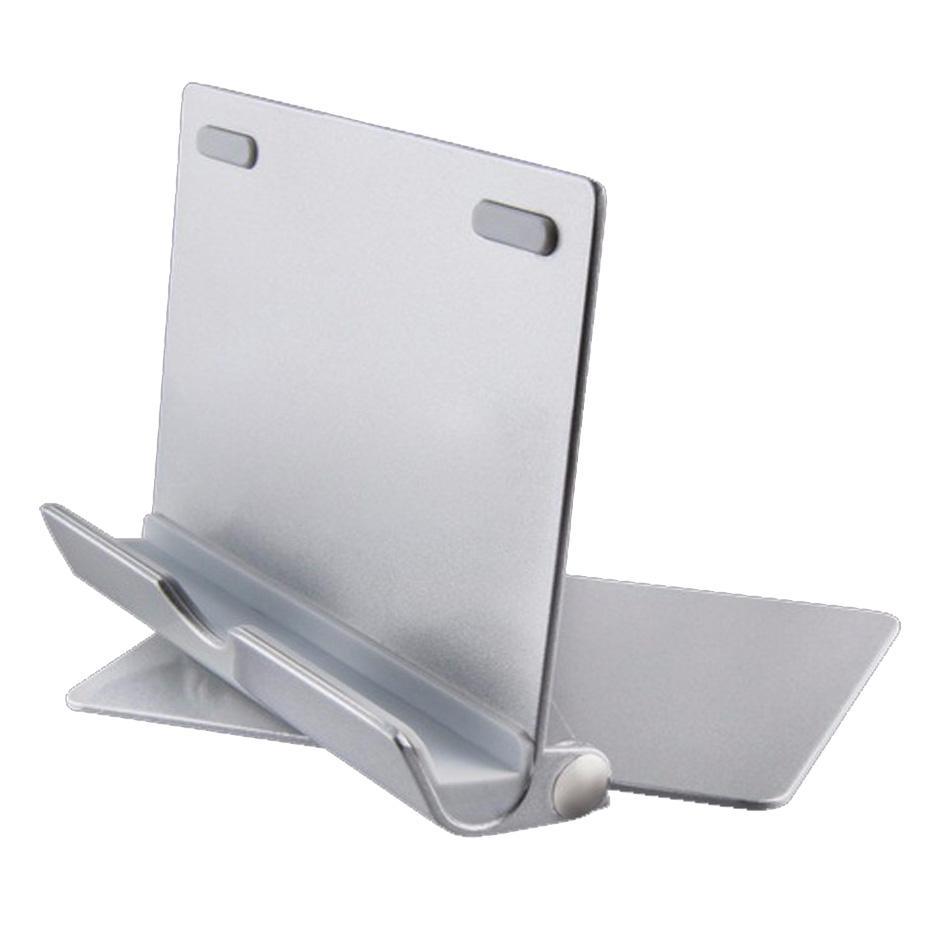
3. Application of 3D Printing Technology in Hardware & Plastic Mold Industries
Combined with actual production scenarios, the practical value of what is 3D printing technology can be more intuitively reflected. This technology has become a core solution for rapid sampling in both industries, solving multiple traditional processing pain points.
3.1 Application in Hardware Processing Industry
Traditional hardware prototype production relies on CNC machining, which has long programming cycles, high tooling costs and long delivery times. 3D printing technology realizes rapid prototyping of metal hardware parts, printing brackets, fasteners, special-shaped fittings and mechanical components in 6-24 hours, with precision and strength meeting testing and verification standards. It supports rapid design iterations, and revised samples can be reprinted quickly, greatly accelerating the hardware product development and client approval process.
3.2 Application in Plastic Mold Industry
Mold development has high risks and long cycles, and traditional steel mold opening is easy to cause huge rework losses due to design problems. 3D printing technology can quickly print trial molds, mold cores, cavities and auxiliary mold parts, completing mold sample production in 4-12 hours. These printed samples can be used for assembly testing, injection molding trial production and design verification, avoiding the cost and time waste of early steel mold opening, and realizing fast, low-risk mold sampling.
3.3 Overall Value for Tooling Manufacturing
For hardware and plastic mold industries, 3D printing technology is not just a processing technology, but a production efficiency upgrade tool. It compresses the sampling cycle from days and weeks to hours, reduces material and labor costs, breaks through the processing limitations of traditional technology, and helps enterprises respond to urgent orders quickly, improve client satisfaction and enhance market competitiveness.
Final Recap: To conclude what is 3D printing technology for hardware and plastic mold industries, it is a digital-driven industrial additive manufacturing system, integrating design software, precision equipment and special materials, realizing mold-free, fast, high-precision physical part prototyping. It is specially tailored to solve the pain points of slow sampling, high cost and high risk in traditional tooling manufacturing, and has become an indispensable core technology in modern intelligent manufacturing.
What is a 3D Printer: Fast Sampling Equipment for Hardware & Plastic Mold Industries
What is 3D Printing and How Does It Work? A Fast Sampling Guide for Hardware & Plastic Mold Industries
Related Article

Fast sampling is the fastest way to win business in the hardware machining and plastic mold industries. Customers want a working sample in days, and a 3D printer delivers it, but only when you know how to print in 3d correctly.
how to print in 3d

Fast sampling is the fastest way to win business in the hardware machining and plastic mold industries. Customers often send an STL file and expect a working sample in days.
how to print an stl file

