
What is 3D Printing and How Does It Work? A Fast Sampling Guide for Hardware & Plastic Mold Industries
Author: SZTC
2026-03-26


Samuel Song Your service representative
Specializing in zinc-aluminum-magnesium alloy die-casting processing, CNC milling, CNC turning, 3D printing, injection molding and sheet metal processing. Manufacturing services.
-----------------------------------------------------------------------------------------------------------------------------------------------------------------------------------------------------------------------------------------------------------------------------------------------------------------------------------------------
For professionals in hardware processing and plastic mold manufacturing, the question of What is 3D Printing and How Does It Work is more than just technical curiosity—it’s a practical inquiry into solving the industry’s biggest pain point: slow, costly prototyping. Waiting days or even weeks for a single metal bracket or mold insert sample can stall design verification, derail client approvals, and blow project deadlines. As additive manufacturing matures, it has evolved from a novelty into a critical industrial tool specifically optimized for fast sample production. This blog will comprehensively define What is 3D Printing and How Does It Work, with deep dives into its core principles, step-by-step workflow, and industry-specific applications tailored to the urgent sampling needs of hardware and plastic mold manufacturers.
1. What is 3D Printing? Core Definition & Fundamental Nature
1.1 The Official Definition
At its core, What is 3D Printing—it is an automated additive manufacturing (AM) process that constructs three-dimensional physical objects layer by layer from digital 3D models, using targeted raw materials. This stands in direct contrast to subtractive manufacturing, the dominant method in traditional hardware and mold production, which shapes parts by removing material from solid blocks (e.g., CNC machining, metal cutting, steel mold machining).
For hardware processing and plastic mold industries, 3D printing is a tooling-free rapid prototyping solution. It eliminates the need for costly, time-consuming custom fixtures, jigs, or full steel production molds, directly converting digital design drawings into testable physical samples in hours. This core attribute makes 3D printing the premier choice for fast, low-cost industrial sampling.
1.2 Key Characteristics That Define 3D Printing
To fully grasp What is 3D Printing, it’s essential to understand its unique features that set it apart from traditional manufacturing, all optimized for industrial use cases:
- Layer-by-Layer Additive Fabrication: Materials are deposited, cured, or fused in ultra-thin, uniform layers (usually 0.1mm to 0.5mm thick), following the digital model precisely. This method can produce complex structures like intricate mold cavities and custom hardware components that traditional tools struggle to create.
- No Dedicated Tooling Required: No need to develop specialized production tools or molds upfront. A simple updated digital file is enough to produce a new sample, enabling quick, low-cost design iterations.
- Minimal Material Waste: Only the exact amount of material needed for the part is used, drastically reducing waste of expensive metal powders and mold-grade resins and cutting prototype costs significantly.
- Rapid On-Demand Production: Supports one-off prototype production and small-batch trial parts, perfectly matching the urgent sampling and frequent revision needs of hardware and mold businesses.
- Industrial Material Compatibility: Works with specialized materials for both industries—metal powders (stainless steel, aluminum) for durable hardware prototypes, and high-temperature resistant resins/engineering plastics for mold inserts and trial cavities.
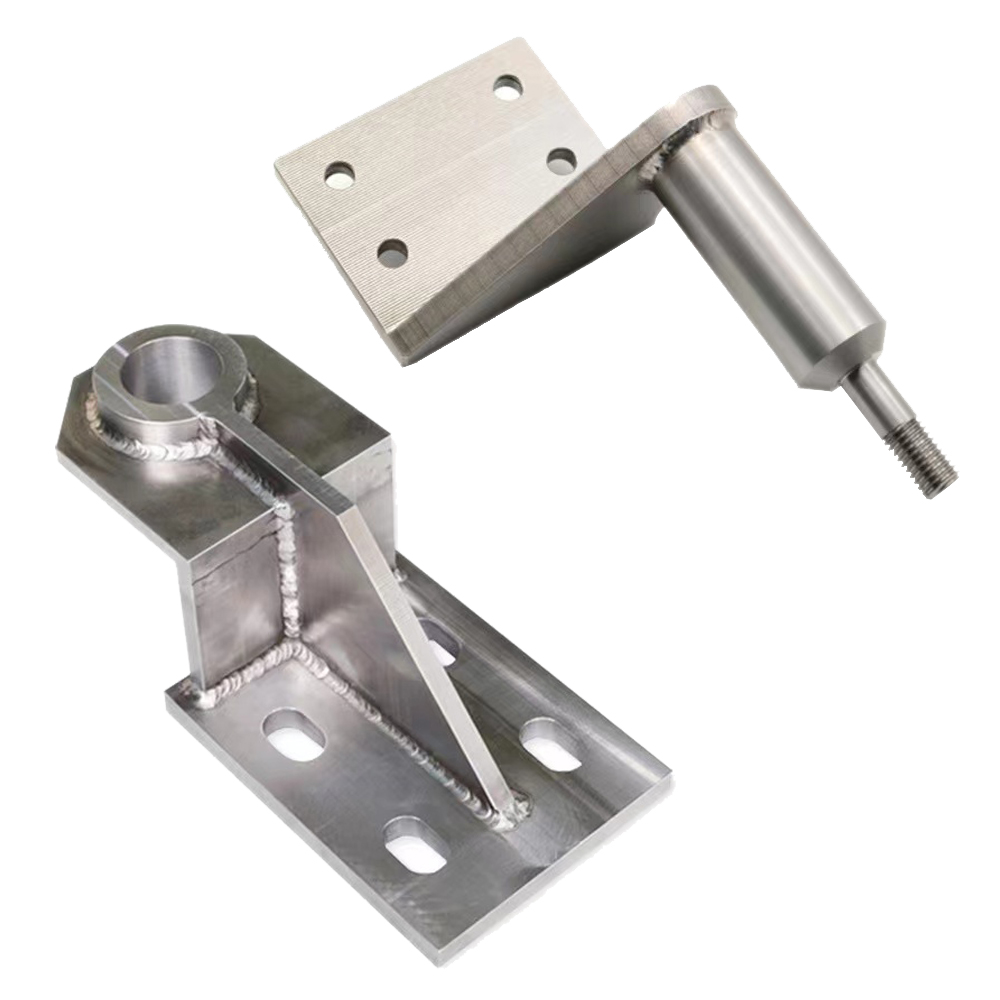
2. How Does 3D Printing Work? A Simplified Industrial Workflow
Understanding the workflow clarifies How Does It Work in practical terms, especially for hardware and mold teams focused on fast sample output. The entire process is streamlined and easy to integrate into existing production workflows.
2.1 Step 1: Digital Design Preparation
The process starts with a complete, error-free 3D digital model, a standard output for hardware and mold designers.
- For Hardware Processing: CAD files for brackets, fasteners, mechanical fittings, or custom components with clear tolerance and dimension markings.
- For Plastic Mold Manufacturing: CAD files for mold cavities, inserts, and trial mold designs, including draft angles and cooling channel details.
The file is saved in universal formats like STL, STEP, or IGES for seamless compatibility with 3D printing systems. Most professional services offer free file checks, but fixing errors (e.g., thin walls, overlapping structures) upfront speeds up the process drastically.
2.2 Step 2: Automatic Model Slicing & Parameter Setting
Specialized 3D printing software slices the full 3D model into thousands of thin horizontal layers and sets optimized printing parameters:
- Key Parameters: Layer thickness, printing speed, material flow rate, and support structure design (for overhanging parts).
- Industrial Optimization: For fast sampling, users can prioritize speed for preliminary tests or precision for functional prototypes, balancing speed and quality based on project needs.
This step ensures the printer follows the digital model’s exact specifications and adapts to the unique requirements of hardware (metal strength) and mold (high-temperature resistance) applications.
2.3 Step 3: Automatic Layer-by-Layer Printing
Once parameters are set, the 3D printer runs autonomously to build the part, requiring no continuous manual operation. The printing method varies by material:
- Hardware Processing (Metal Samples): Industrial metal 3D printers (using SLM/DMLS technology) fuse metal powder (stainless steel, aluminum) with high-power lasers to form solid, durable parts.
- Plastic Mold Manufacturing (Mold Inserts/Cavities): Resin/FDM printers cure liquid resin (high-temperature resistant) or extrude engineering plastic filament to create precision mold parts that can withstand preliminary injection testing.
The layer-by-layer build ensures structural integrity and dimensional accuracy, critical for industrial sampling.
2.4 Step 4: Simple Post-Processing
After printing, only minimal post-processing is needed to make samples ready for testing:
- General Steps: Remove thin support structures, light sanding for smooth surfaces, or basic heat treatment for metal parts (to enhance strength).
- Industrial Advantage: Unlike traditional machined parts, 3D printed samples require no extensive grinding or finishing. They are ready for client presentation, fit testing, or mold trials within 1–2 hours of printing, completing the fast sampling cycle.

3. Industry-Specific Applications: How 3D Printing Solves Fast Sampling Pain Points
Beyond its technical definition, What is 3D Printing and How Does It Work for hardware and plastic mold industries is a transformative solution to long-standing bottlenecks.
3.1 3D Printing for Hardware Processing: Fast Metal Prototyping
Traditional hardware prototyping relies on CNC machining solid metal blocks, which takes 3–15 days and requires repeated work for design changes.
- How 3D Printing Solves This: Industrial metal 3D printers produce fully functional metal hardware samples in 6–24 hours. Engineers can immediately test dimensional accuracy, fit, and durability, and iterate on complex custom designs (e.g., hollow brackets, special-shaped fittings) that traditional machining struggles with.
- Outcome: Cuts sampling cycles by over 80%, accelerates product development, and reduces costs by eliminating expensive tooling setup.
3.2 3D Printing for Plastic Mold Manufacturing: Low-Risk Trial Molds
Traditional steel mold production takes 2–4 weeks and carries high rework risks if design flaws are found.
- How 3D Printing Solves This: 3D printing creates high-precision trial molds, inserts, and cavity samples in 4–12 hours using mold-grade resins/plastics. These parts withstand preliminary injection testing, allowing designers to verify draft angles, part release, and cooling efficiency before investing in formal steel molds.
- Outcome: Slashes rework costs, shortens delivery times, and minimizes the risk of costly mold revisions.
3.3 Core Industry Value: Fast, Low-Risk Prototyping
For both industries, the core value of 3D printing boils down to three pillars:
- Speed: Turns weeks of waiting into same-day or next-day sample delivery.
- Cost Efficiency: Eliminates high tooling costs and reduces material waste.
- Risk Reduction: Tests designs early to catch flaws before mass production or steel mold investment.

4. Final Recap: Answering “What is 3D Printing and How Does It Work” for Industry
To sum up What is 3D Printing and How Does It Work for hardware processing and plastic mold manufacturers:
- What is 3D Printing: An additive manufacturing process that builds physical parts layer by layer from digital designs, without traditional tooling, dedicated to fast, affordable, and precise prototyping.
- How Does It Work: Through a 4-step workflow—digital design → slicing → layer-by-layer printing → post-processing—optimized for industrial sampling.
3D printing is no longer a niche technology but an irreplaceable tool to solve slow, costly traditional sampling. For hardware and mold teams focused on speed and efficiency, it shortens lead times, reduces risks, and keeps projects on track in the fast-paced manufacturing market.
Final Takeaway: Whether you need a metal hardware bracket or a plastic mold insert, understanding What is 3D Printing and How Does It Work is the first step to leveraging this technology to accelerate your workflow and stay competitive.
What is 3D Printing Technology: Fast Sampling Solution for Hardware & Plastic Mold Industries
What is 3D Printing? A Fast Sampling Guide for Hardware & Plastic Mold Industries
Related Article

Fast sampling is the fastest way to win business in the hardware machining and plastic mold industries. Customers want a working sample in days, and a 3D printer delivers it, but only when you know how to print in 3d correctly.
how to print in 3d

Fast sampling is the fastest way to win business in the hardware machining and plastic mold industries. Customers often send an STL file and expect a working sample in days.
how to print an stl file

