What Do I Need for 3D Printing Industrial Mold and Hardware Samples
Author: SZTC
2026-08-11


Samuel Song Your service representative
Specializing in zinc-aluminum-magnesium alloy die-casting processing, CNC milling, CNC turning, 3D printing, injection molding and sheet metal processing. Manufacturing services.
-----------------------------------------------------------------------------------------------------------------------------------------------------------------------------------------------------------------------------------------------------------------------------------------------------------------------------------------------
For plastic mold and hardware processing workshops, 3D printing is essential for fast prototype sampling and design verification. Many new operators ask what do I need for 3D printing to start stable and high-precision industrial printing. Unlike hobby-grade printing, industrial rapid sampling requires professional equipment, qualified materials and standardized operational preparation.
1. Basic 3D Printing Hardware Devices
The first step to answer what do I need for 3D printing is preparing matched industrial printing hardware.
1.1 Professional 3D Printer Unit
Workshops need industrial-grade or high-precision desktop 3D printers. SLA printers are ideal for delicate plastic mold samples with smooth surfaces, while FDM and metal printing devices suit functional hardware jigs and load-bearing structural prototypes for mechanical testing.
1.2 Auxiliary Mechanical Tools
Basic tools include precision calipers, scraper blades, cleaning brushes and UV curing equipment. These tools help remove supports, polish sample surfaces and calibrate printer platforms to ensure qualified mold and hardware samples.

2. Qualified Printing Materials
Material selection is indispensable when figuring out what do I need for 3D printing for industrial use.
2.1 Industrial-Grade Consumables
Users need high-precision resin, tough engineering filament and metal powder according to sampling demands. High-quality materials prevent shrinkage, cracking and layer falling off, ensuring printed mold cavities and hardware parts meet industrial tolerance standards.
2.2 Consumable Management Supplies
Sealed storage boxes, drying equipment and filter tools are required to protect materials. Proper storage avoids moisture and dust pollution, which directly affects the dimensional accuracy and surface quality of rapid sampling parts.
3. Software and Operational Skills
Complete preparation of what do I need for 3D printing covers digital design and professional operation capabilities.
3.1 Modeling and Slicing Software
Operators need professional CAD modeling software to design mold and hardware structures, plus slicing tools to generate printable files. These programs support model repair, support layout and parameter optimization for industrial printing tasks.
3.2 Standard Operating Knowledge
Workers must master printer calibration, parameter adjustment and post-processing skills. Skilled operation reduces printing failure rates, shortens sampling cycles and guarantees consistent quality for batch mold and hardware prototype production.
In conclusion, the full answer to what do I need for 3D printing includes professional hardware, industrial materials and standardized technical skills. Complete preparation helps mold and hardware factories achieve efficient, stable and high-quality rapid 3D printing sampling.
What Do I Need for a 3D Printer in Industrial Rapid Sampling
What Can You Do With 3D Printing in Mold and Hardware Manufacturing
Related Article

Most buyers do not lose sleep over the dictionary definition of machining. They lose sleep over the practical version: can this supplier hold the tolerance on my drawing, will the material certificate match what I paid for, will the first article pass incoming inspection, and will the parts arrive before the assembly line starts.
What Does Machining Mean
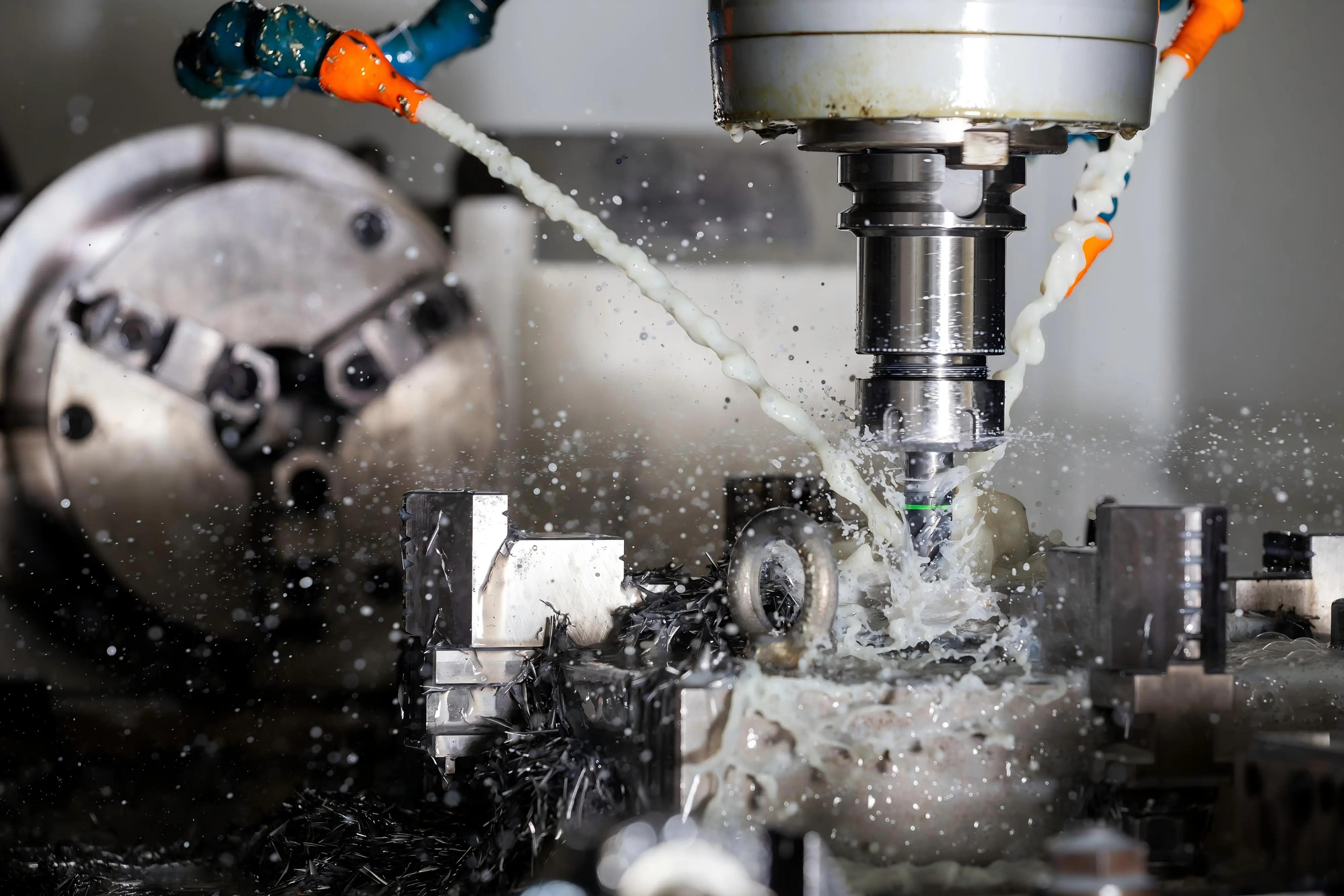
Manufacturing complex parts is not just about having advanced CNC machines. It also requires reliable software to translate engineering designs into accurate machining operations.
how does cnc machining software supports complex parts?