
What Can 3D Printing Do for Hardware and Plastic Mold Industries
Author: SZTC
2026-06-26


Samuel Song Your service representative
Specializing in zinc-aluminum-magnesium alloy die-casting processing, CNC milling, CNC turning, 3D printing, injection molding and sheet metal processing. Manufacturing services.
-----------------------------------------------------------------------------------------------------------------------------------------------------------------------------------------------------------------------------------------------------------------------------------------------------------------------------------------------
Hardware processing and plastic mold manufacturing face common challenges such as slow prototyping, high modification costs and rigid production processes. Many factory technicians explore what can 3D printing do to optimize traditional sampling and research workflows. As a mature additive manufacturing technology, 3D printing brings powerful practical functions to solve industrial production pain points effectively.
1. Accelerate Rapid Prototype Sampling
The most intuitive answer to what can 3D printing do is greatly shortening the product verification cycle for manufacturing factories.
1.1 Fast Mold Structure Verification
3D printing can quickly produce high-precision plastic mold prototypes with complex grooves, hollow cavities and thin-wall structures. Factories can complete structural testing and assembly inspection within hours, instead of waiting several days for traditional trial mold processing.
1.2 Efficient Hardware Part Trial Production
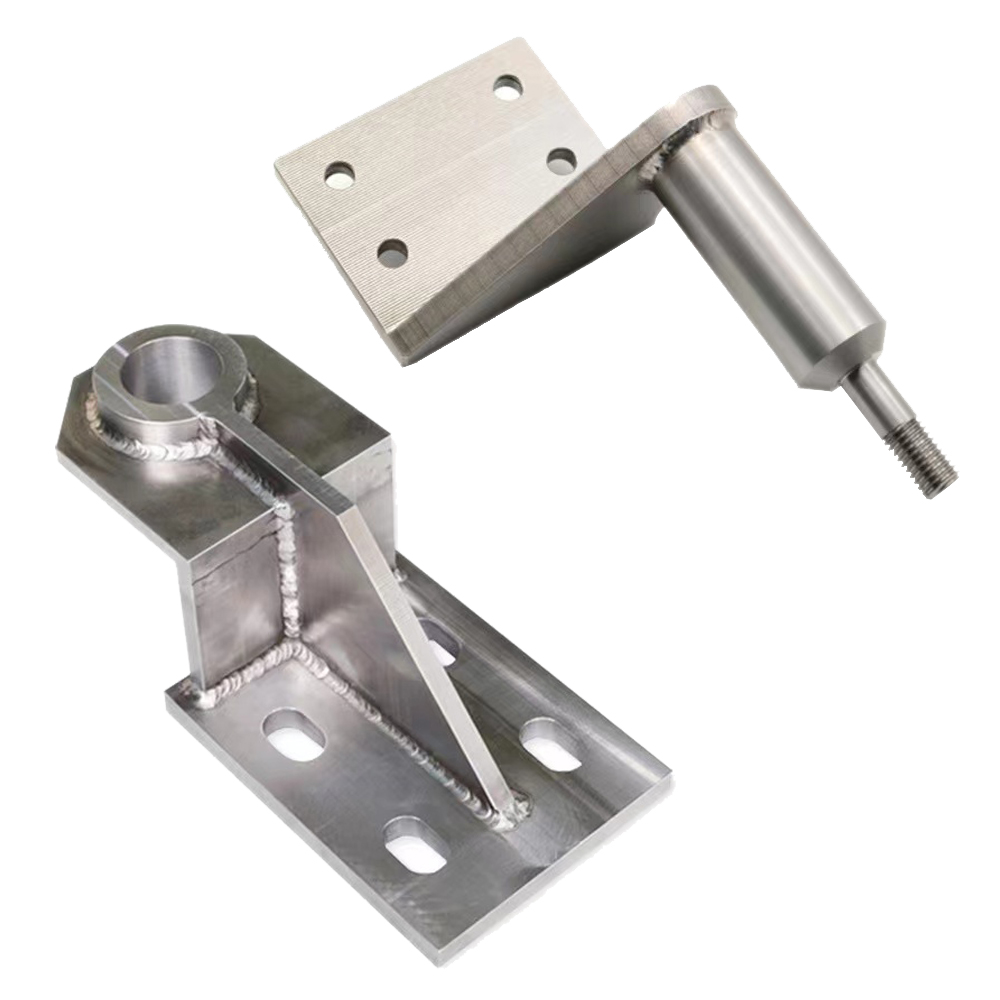
It supports customized printing of hardware fixtures, positioning jigs and special-shaped accessories. It allows engineers to verify part dimensions and mechanical performance before formal batch CNC processing, avoiding mass production errors.
2. Reduce Industrial Production Costs
Cost optimization is another key advantage that explains what can 3D printing do for mold and hardware enterprises.
2.1 Avoid Frequent Mold Modifications
Traditional mold opening requires repeated revisions if design flaws appear. 3D printed samples detect structural defects in advance, eliminating expensive steel mold rework and greatly lowering R&D risks.
2.2 Minimize Material Waste
Different from subtractive CNC cutting that wastes lots of raw materials, 3D printing forms parts through accurate layer stacking. It significantly reduces material consumption during hardware and mold sample production.

3. Break Traditional Machining Limitations
Understanding what can 3D printing do helps factories achieve innovative and flexible manufacturing.
3.1 Realize Complex Structural Molding
Many intricate mold cavities and curved hardware parts are difficult to process with traditional tools. 3D printing easily achieves one-time molding of complex structures without secondary cutting or splicing processes.
3.2 Support Flexible Design Iteration
Designers can adjust 3D models and reprint samples instantly. This flexible iteration mode supports continuous product optimization, helping factories launch new hardware and mold products faster than competitors.
In conclusion, what can 3D printing do covers fast sampling, cost reduction and structural innovation. It has become an indispensable auxiliary technology to improve efficiency and competitiveness for hardware processing and plastic mold industries.
What Can I Print With a 3D Printer for Industrial Rapid Sampling
What Can 3D Printers Print for Hardware and Plastic Mold Rapid Sampling
Related Article

Fast sampling is the fastest way to win business in the hardware machining and plastic mold industries. Customers want a working sample in days, and a 3D printer delivers it, but only when you know how to print in 3d correctly.
how to print in 3d

Fast sampling is the fastest way to win business in the hardware machining and plastic mold industries. Customers often send an STL file and expect a working sample in days.
how to print an stl file

