
What Can 3D Printers Print for Hardware and Plastic Mold Rapid Sampling
Author: SZTC
2026-06-25


Samuel Song Your service representative
Specializing in zinc-aluminum-magnesium alloy die-casting processing, CNC milling, CNC turning, 3D printing, injection molding and sheet metal processing. Manufacturing services.
-----------------------------------------------------------------------------------------------------------------------------------------------------------------------------------------------------------------------------------------------------------------------------------------------------------------------------------------------
Many manufacturers in hardware processing and plastic mold industries frequently wonder what can 3D printers print to accelerate their prototype development. Modern 3D printing technology is no longer limited to simple decorative models. It can produce a wide range of functional and structural parts that perfectly meet the fast sampling demands of industrial production.

1. Plastic Mold Prototype Parts
One of the most common industrial applications answers what can 3D printers print for mold verification projects.
1.1 Complex Mold Cavity Samples
3D printers can print highly simulated plastic mold cavities with intricate grooves, thin walls and hollow structures. These precise prototypes allow engineers to check structural rationality, assembly fit and demolding performance before formal mold manufacturing.
1.2 Custom Mold Inserts and Accessories
In addition to complete cavities, 3D printers can produce small mold inserts, positioning blocks and auxiliary mold parts. These printed accessories support rapid trial testing and effectively avoid costly steel mold modifications.
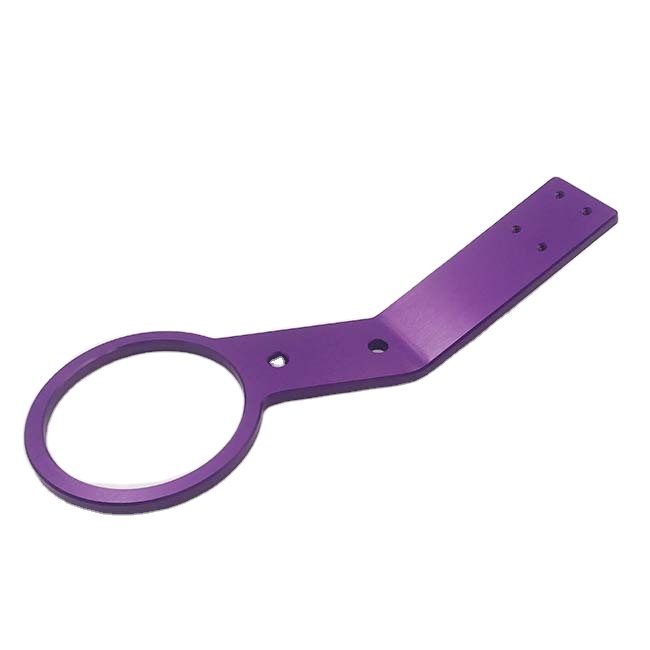
2. Functional Hardware Prototypes
For hardware processing factories, the best answer to what can 3D printers print lies in practical functional components.
2.1 Hardware Jigs and Fixtures
3D printing can manufacture customized positioning jigs, assembly fixtures and detection tools. These durable printed parts feature stable tolerance and strong adaptability, greatly improving the efficiency of hardware batch testing and processing.
2.2 Custom Precision Hardware Parts
High-precision 3D printers can print small-sized hardware accessories, including special-shaped gaskets, connecting blocks and structural brackets. They are ideal for verifying new hardware product designs before mass machining.
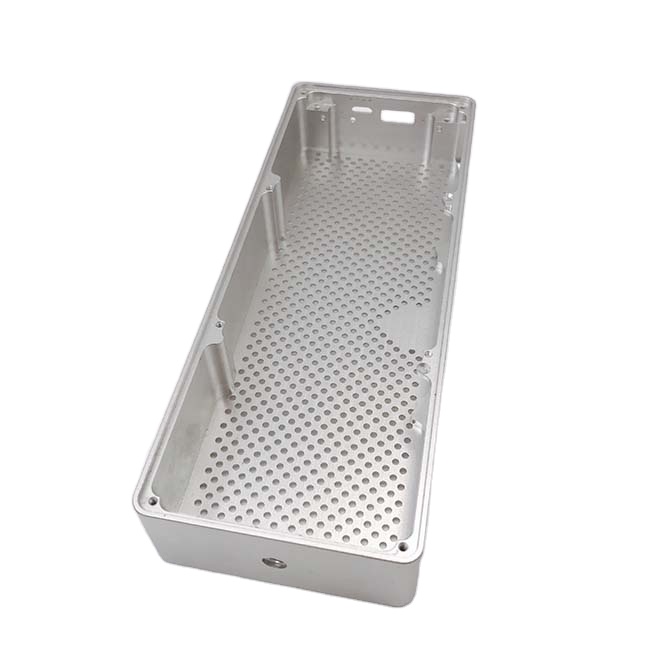
3. Application Advantages of Printed Industrial Samples
Understanding what can 3D printers print helps factories maximize the value of rapid prototyping technology.
3.1 Support Fast Design Iteration
Printed mold and hardware samples can be completed within several hours. Engineers can repeatedly modify digital models and print new samples, realizing fast design iteration and shortening R&D cycles significantly.
3.2 Reduce Manufacturing Costs
By printing test samples in advance, factories reduce unnecessary mold opening, material waste and repeated CNC processing. It lowers the trial-production risk and overall operating costs for new product development.
To sum up, what can 3D printers print covers almost all core prototype parts for hardware and plastic mold industries. It provides an efficient, flexible and low-cost rapid sampling solution and greatly improves the market response capability of modern manufacturing enterprises.
What Can 3D Printing Do for Hardware and Plastic Mold Industries
What 3D Printer Is Ideal for Hardware and Mold Rapid Sampling
Related Article

Fast sampling is the fastest way to win business in the hardware machining and plastic mold industries. Customers want a working sample in days, and a 3D printer delivers it, but only when you know how to print in 3d correctly.
how to print in 3d

Fast sampling is the fastest way to win business in the hardware machining and plastic mold industries. Customers often send an STL file and expect a working sample in days.
how to print an stl file

