
What Are 3D Printers Used For? Fast Sampling & More for Hardware & Plastic Mold Industries
Author: SZTC
2026-03-24


Samuel Song Your service representative
Specializing in zinc-aluminum-magnesium alloy die-casting processing, CNC milling, CNC turning, 3D printing, injection molding and sheet metal processing. Manufacturing services.
-----------------------------------------------------------------------------------------------------------------------------------------------------------------------------------------------------------------------------------------------------------------------------------------------------------------------------------------------
For manufacturers in hardware processing and plastic mold sectors, long prototype lead times, high tooling costs and rigid design constraints have long hindered efficiency. As additive manufacturing becomes a mainstream industrial tool, many teams still want a clear, industry-focused answer: what are 3d printers used for, and how do they solve the daily pain points of hardware and mold production?
3D printers are far more than a niche prototyping gadget—they are versatile industrial workhorses tailored to cut lead times, reduce costs and enable flexible design iteration, especially for fast sample production. This blog will fully explain the common and industry-specific uses of 3D printers, with a deep dive into their core applications for hardware processing and plastic mold fast sampling, leaving no doubt about what are 3d printers used for in real manufacturing scenarios.

1. Basic Industrial Uses: What Are 3D Printers Used for Generally
Before breaking down industry-specific applications, it’s critical to outline the core universal uses of 3D printers, which lay the foundation for their value in hardware and plastic mold fields. These basic functions define the core value of additive manufacturing across all manufacturing sectors.
1.1 Rapid Prototyping & Fast Sample Production
The most foundational answer to what are 3d printers used for is rapid prototyping and fast sample making. 3D printers convert digital CAD models into physical parts layer by layer, skipping traditional tooling, mold making and CNC machining setup, turning weeks of waiting into hours or days. This is the most widely used function in manufacturing, perfectly matching the urgent sample demands of hardware and mold industries.
Unlike traditional methods that generate massive material waste, 3D printing only uses required materials, keeping prototype costs low while ensuring precision. It supports one-off sample production and small-batch trial parts, making it ideal for early-stage design verification and client presentation samples.
1.2 Complex Geometry Part Fabrication
Another key use of 3D printers is producing parts with complex structures that traditional machining cannot realize efficiently. Traditional subtractive manufacturing struggles with inner cavities, undercut structures, special-shaped contours and integrated components, but 3D printers build parts layer by layer, easily handling these complex designs without extra processing steps.
This function is especially valuable for plastic mold cavities with fine details and custom hardware parts with special structures, breaking design limitations and helping engineers optimize product performance without compromising on complexity.
1.3 Small-Batch Custom & Replacement Parts
Beyond prototyping, 3D printers are used for small-batch custom parts and emergency replacement parts. For hardware factories, this means quickly producing custom fasteners, brackets and tooling accessories; for mold shops, it includes making specialized mold accessories and quick replacement inserts. It eliminates the need for mass production setup, supporting on-demand manufacturing and reducing inventory costs for spare parts.

2. Industry-Specific Uses: What Are 3D Printers Used for in Hardware Processing
Hardware processing focuses on metal parts, precision fittings and industrial components, with strict requirements for durability and dimensional accuracy.what are 3d printers used for in this sector is tightly centered on fast metal sample making and process optimization, solving the core pain points of slow traditional metal prototyping.
2.1 Fast Metal Prototype Sampling
The top application of 3D printers in hardware processing is fast metal prototype printing. Traditional hardware prototyping relies on CNC machining solid metal blocks, which takes 3-15 days for programming, setup and processing, and any design tweak requires restarting the entire process. Industrial metal 3D printers use SLM, DMLS and other technologies to fuse metal powders (stainless steel, aluminum, alloy steel) into solid metal parts in 6-24 hours.
This covers a wide range of hardware parts: industrial brackets, connecting fittings, gears, special-shaped fasteners and custom mechanical components. These 3D printed metal samples have high strength and precision, fully meeting fit testing, performance verification and client approval needs, cutting hardware sampling cycles by over 80%.
2.2 Custom Hardware Tooling & Jigs
3D printers are also used to make custom processing tooling, jigs and fixtures for hardware production. Traditional tooling is costly and time-consuming to make, while 3D printed tooling can be customized and produced quickly based on actual production needs, with enough strength to assist in processing, assembly and testing. This improves production efficiency, reduces tooling costs and adapts to flexible small-batch hardware production.
2.3 Functional Hardware Part Testing
Beyond appearance samples, 3D printers produce functional hardware parts for real-scenario testing, including load-bearing testing, corrosion resistance testing and assembly compatibility testing. This helps hardware engineers identify design flaws early, avoid mass production losses and optimize part structure and material selection before formal production.
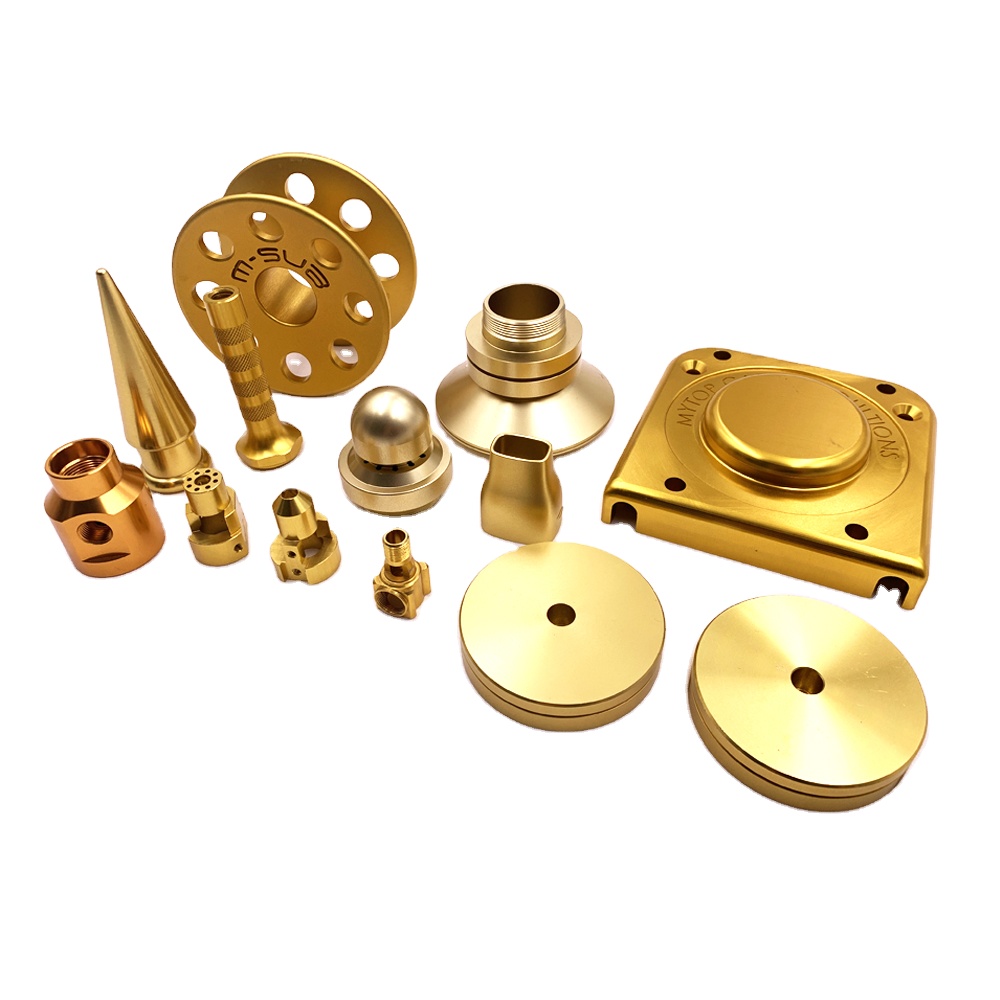
3. Industry-Specific Uses: What Are 3D Printers Used for in Plastic Mold Manufacturing
Plastic mold manufacturing is highly dependent on sample verification, as mold design flaws lead to huge rework costs and delivery delays. what are 3d printers used for in this industry is mainly focused on rapid mold sampling and trial production, directly solving the long lead time and high risk of traditional mold making.
3.1 Rapid Mold Insert & Cavity Sampling
The core use of 3D printers in plastic mold industry is fast printing of mold inserts, mold cavities and trial molds. Traditional steel mold production takes 2-4 weeks and costs thousands of dollars, and a small design error means costly rework. 3D printers use high-temperature resistant resin and engineering plastics to print precision mold cavities and inserts in 4-12 hours.
These printed mold parts can withstand preliminary injection molding testing, allowing mold designers to verify draft angles, part release, cooling system efficiency and surface finish, ensuring the mold design is perfect before investing in formal steel mold production. This slashes mold development cycles and rework costs significantly.
3.2 Plastic Product Trial Samples
Before mold production is completed, 3D printers directly print final plastic product samples for client confirmation and market preview. These samples match the appearance, size and structure of formal mass-produced parts, avoiding the need to wait for mold completion to get physical samples. This speeds up client sign-off, shortens project cycles and helps mold factories win more orders with fast delivery.
3.3 Mold Repair & Auxiliary Parts
3D printers are also used to make auxiliary parts for mold repair and optimization, such as special-shaped mold liners, cooling channel accessories and quick-fix inserts. For minor mold adjustments, 3D printed parts can replace traditional machined repair parts, realizing fast mold modification and reducing downtime, ensuring smooth progress of batch production.
4. Core Summary: What Are 3D Printers Used for in Hardware & Mold Industries
To sum up what are 3d printers used for for hardware processing and plastic mold manufacturers, their core value boils down to three key points: fast sampling to shorten lead times, low-cost iteration to reduce risks, and flexible production to break design limits.
From metal hardware prototypes to plastic mold cavities, from one-off samples to small-batch auxiliary parts, 3D printers have become an irreplaceable tool in the modern manufacturing workflow. They are not just a prototyping device, but a core solution to improve efficiency, cut costs and stay competitive in the fast-paced manufacturing market.
Final Takeaway: For hardware and plastic mold industries, the answer to what are 3d printers used for is clear above all else: to deliver high-precision, usable samples in the shortest time, eliminate the bottlenecks of traditional manufacturing, and make rapid, low-risk product development a daily reality.
What is 3D Printing? A Fast Sampling Guide for Hardware & Plastic Mold Industries
What a 3D Printer Does: Core Functions for Hardware & Plastic Mold Fast Sampling
Related Article

Fast sampling is the fastest way to win business in the hardware machining and plastic mold industries. Customers want a working sample in days, and a 3D printer delivers it, but only when you know how to print in 3d correctly.
how to print in 3d

Fast sampling is the fastest way to win business in the hardware machining and plastic mold industries. Customers often send an STL file and expect a working sample in days.
how to print an stl file

